Mosquito-borne diseases on the rise! Doctor shares dengue, malaria prevention tips for monsoon season

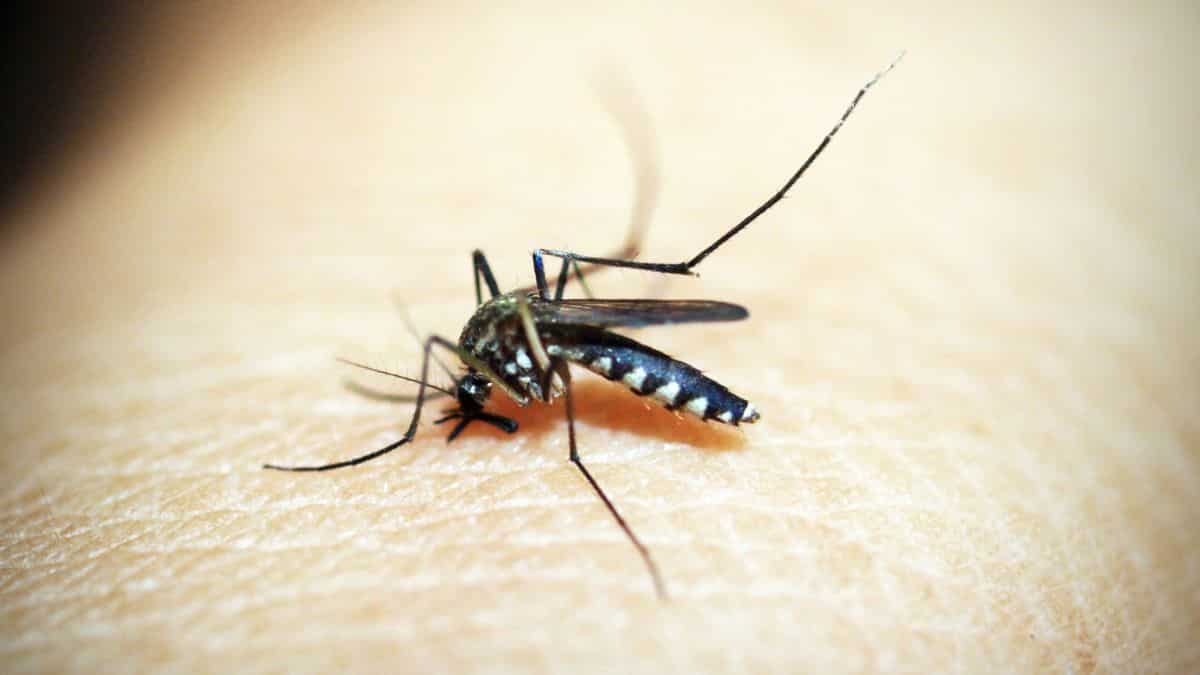
Prevention tips for mosquito-borne diseases
As the monsoon season approaches, the threat of mosquito-borne diseases such as dengue and malaria increases significantly. It is important to urge individuals and communities to take proactive measures to prevent the spread of these diseases and protect their health. By implementing simple yet effective precautions, we can collectively combat the rising trend of mosquito-borne illnesses during this time of the year.
Dengue and malaria are transmitted through the bite of infected mosquitoes, and both diseases pose serious health risks. Symptoms of dengue include high fever, severe headache, joint and muscle pain, rash, and, in severe cases, dengue hemorrhagic fever, associated with bleeding, and dengue shock syndrome.
Symptoms of malaria include high-grade fever with chills and rigours, sweats, headaches, nausea, and bodyaches. Severe cases may lead to a loss of consciousness. Both diseases can lead to complications and, in some cases, even death.

To minimise the risk of dengue and malaria, the following precautions are recommended:
1. Eliminate Mosquito Breeding Sites: Mosquitoes breed in stagnant water, so ensure there are no containers or areas around your home where water can collect. Regularly clean and empty flowerpots, vases, birdbaths, coolers, and any other objects that can accumulate water.
2. Use Mosquito Repellents: Apply mosquito repellents containing DEET (chemical name: N-diethyl-meta-toluamide), picaridin, or oil of lemon eucalyptus to exposed skin and clothing. To protect yourself while sleeping, utilise bed nets.
)
FIFA 2026 | 'I am truly sorry': Argentina's Enzo Fernandez, who get red card in final, reacts to loss
)
'Guru is the...': Indian Education Minister Dharmendra Pradhan shares message on education amid calls for his resignation
)
FBI arrests alleged $547mn medicare fraud fugitive after 3-year global manhunt
&im=FitAndFill=(700,400))
2026 FIFA World Cup awards: Full list of Golden Boot, Golden Ball, Golden Glove and every major winner
&im=FitAndFill=(700,400))
Why US fighter jets use seamless bubble canopies compared to Russian jets
&im=FitAndFill=(700,400))
Why the F-22’s cockpit glass is thicker than a standard fighter jet
&im=FitAndFill=(700,400))
FIFA World Cup 2026 team of the tournament: The best XI that ruled football’s biggest stage
)
Sonam Wangchuk's connection with George Soros and Ford Foundation explained!
)
‘He's the architect of the genocide against Palestinians’: Mamdani repeats Netanyahu will be arrested if he visits US
&im=FitAndFill=(700,400))
World's top 7 most liveable cities in 2026 — Check where India and Pakistan stand
)
Kaylee Hottle was unconscious: Shocking details from first responders revealed after teen star's death
)
'We acted immediately...': Indian PM Modi breaks silence on paper leaks as NEET protest, calls for Education Minister's resignation grows
)
JP Nadda, Jitendra Singh meet Sonam Wangchuk at Medanta Hospital: Report
)
'Is that a back-up Trump?' Mysterious look-alike standing behind Donald Trump baffles netizens
)
'What is wrong...': Anna Hazare breaks silence on Sonam Wangchuk's protest, makes an appeal to Centre
)
‘Centre had no interest in having a debate’: LoP Rahul Gandhi demands resignation of Dharmendra Pradhan, Amit Shah
)
'Criticising him after two or three matches isn't justified': Sikandar Raza backs Vaibhav Sooryavanshi
)
'Not permitted ...': IIT Roorkee issues gag order as students' protest intensifies
&im=FitAndFill=(700,400))
New OTT releases this week (July 20-26, 2026): Musafir Cafe, Adarsh Baal Vidyalaya, 72 Hours- 5 new titles coming on Netflix, Prime Video and more
)
Is Pentagon hiding missile shortage from Trump? US officials raise alarm over Iran war readiness
)
Salman Khan breaks silence on health concerns after viral Mumbai appearance
)
'This should not happen in a democracy': Shashi Tharoor slams detention of Rahul Gandhi, Priyanka Gandhi after protest outside PM Modi's residence
)
Student union leaders call off hunger strike at Jantar Mantar after civil society appeal, but protest continues
)
UP BTech gold medalist dies by suicide after failing in nearly 50 govt job attempts, leaves note for father
)
Trump announces 200% tariff on generic drugs: Here's what it means for 'Pharmacy of the World' India
)
US-Iran war cost hits $37.5 billion as Hegseth seeks $67 billion more for Pentagon
)
'George Soros playbook': Understanding the foreign funding network around Sonam Wangchuk
&im=FitAndFill=(700,400))
Meet top 5 batters with most runs in India vs Zimbabwe T20Is
3. Wear Protective Clothing: When spending time outdoors, especially during dawn and dusk when mosquitoes are most active, cover your arms and legs with long-sleeved shirts, long pants, socks, and shoes.
4. Keep Doors and Windows Screened: Install screens on doors and windows to prevent mosquitoes from entering your home. Fix any openings or damages in your current screens.
5. Promote Good Hygiene: Maintain cleanliness in and around your home. Dispose of garbage properly in covered bins to prevent the accumulation of waste that can attract mosquitoes.
6. Collaborate with Communities: Raise awareness about dengue and malaria prevention within your community. Encourage your neighbours to take similar precautions to minimise the risk of mosquito-borne diseases.
Also read:What is ARFID? Psychologist reveals how intense trauma can ruin your relationship with food
7. Seek Medical Attention: If you experience symptoms associated with dengue or malaria, such as a high fever, consult a healthcare professional immediately. Early diagnosis and treatment are necessary for managing these diseases.
During the monsoon season, increased rainfall leads to water accumulation, creating breeding grounds for mosquitoes. Additionally, stagnant water in containers, discarded tyres, and open drains become a hotbed for mosquito larvae. As climate change continues to impact our planet, the incidence of mosquito-borne diseases is expected to rise. By taking preventive measures and adopting responsible practices, we can mitigate the spread of dengue and malaria, safeguarding the well-being of our communities.
(Inputs byDr Hyacinth Peninnah Paljor, Senior Consultant, Department of Internal Medicine, Amrita Hospital, Faridabad)
Disclaimer: Please note that the information provided on this website is for informational purposes only and is not intended as a substitute for professional medical advice, diagnosis, or treatment. Always seek the advice of your physician or other qualified healthcare providers with any questions you may have regarding a medical condition. The content provided on this website should not be used to diagnose or treat any health problem or disease. If you have or suspect that you have a medical problem, please contact your healthcare provider immediately. Never disregard professional medical advice or delay in seeking it because of something you have read on a website.
WATCH WION LIVE HERE
You can now write for wionews.com and be a part of the community. Share your stories and opinions with us here.