DNA testing proves South Dakota man is grandson of famed Native American Sitting Bull

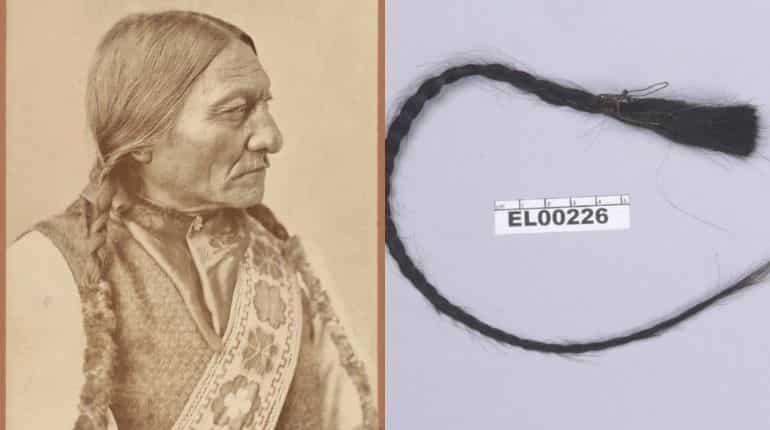
Sitting Bull
Using a new method of analysing family lineages with DNA fragments from long-dead people, a group of scientists have figured out that a South Dakotan man was indeed the grandson of the 19th-century Native American leader Sitting Bull.
Researchers took a strand of hair from which was being preserved at the Smithsonian Institution in Washington. Through this hair, they were able to establish a familial relationship between the famed Sitting Bull and Ernie LaPoint of South Dakota.
The 73-year-old from Lead, South Dakota, has expressed relief after this revelation. He says this has come as a piece of good news as several people had been questioning his relationship with his ancestors for years.

"I feel this DNA research is another way of identifying my lineal relationship to my great-grandfather," said LaPointe. "People have been questioning our relationship to our ancestor as long as I can remember. These people are just a pain in the place you sit - and will probably doubt these findings, also."
This study is not only a milestone for LaPointe but is also a scientific marvel as this was the first time that a familial relationship has been established between a living man and a historical figure with the help of DNA of a long-dead person.
)
FIFA 2026 | 'I am truly sorry': Argentina's Enzo Fernandez, who get red card in final, reacts to loss
)
'Guru is the...': Indian Education Minister Dharmendra Pradhan shares message on education amid calls for his resignation
)
FBI arrests alleged $547mn medicare fraud fugitive after 3-year global manhunt
&im=FitAndFill=(700,400))
2026 FIFA World Cup awards: Full list of Golden Boot, Golden Ball, Golden Glove and every major winner
&im=FitAndFill=(700,400))
Why US fighter jets use seamless bubble canopies compared to Russian jets
&im=FitAndFill=(700,400))
Why the F-22’s cockpit glass is thicker than a standard fighter jet
&im=FitAndFill=(700,400))
FIFA World Cup 2026 team of the tournament: The best XI that ruled football’s biggest stage
)
Sonam Wangchuk's connection with George Soros and Ford Foundation explained!
)
‘He's the architect of the genocide against Palestinians’: Mamdani repeats Netanyahu will be arrested if he visits US
&im=FitAndFill=(700,400))
World's top 7 most liveable cities in 2026 — Check where India and Pakistan stand
)
Kaylee Hottle was unconscious: Shocking details from first responders revealed after teen star's death
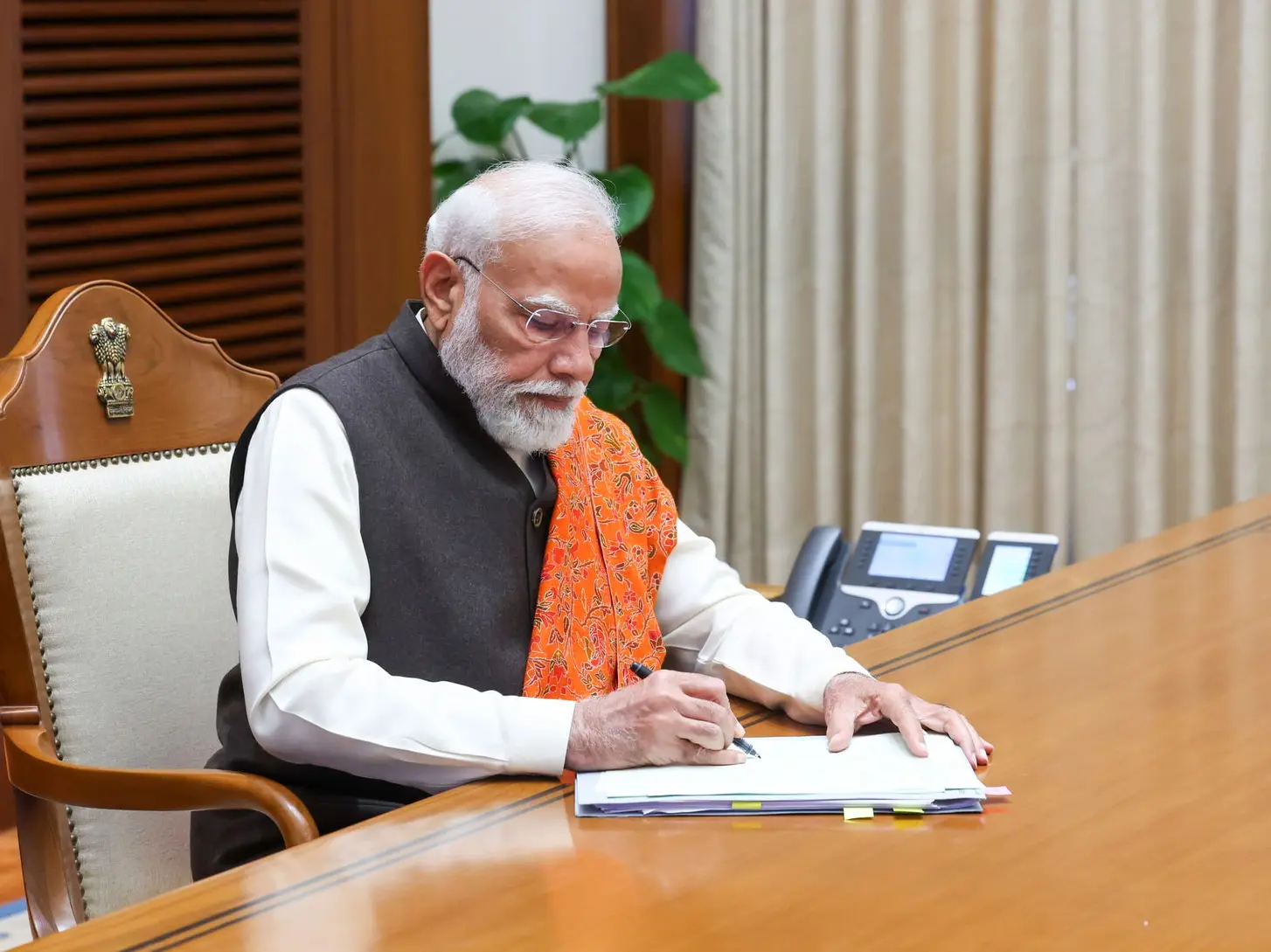)
'We acted immediately...': Indian PM Modi breaks silence on paper leaks as NEET protest, calls for Education Minister's resignation grows
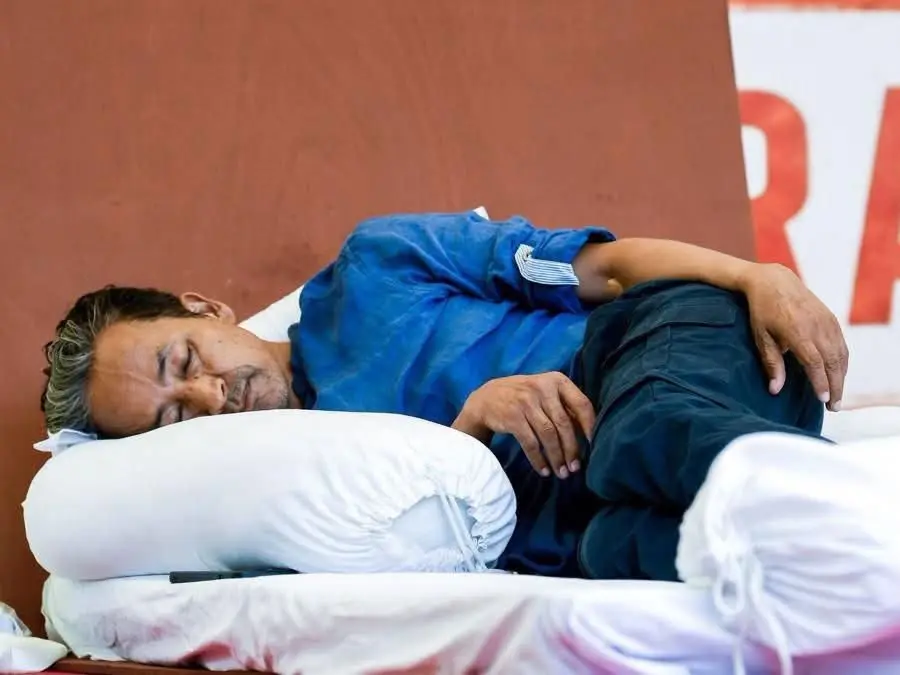)
JP Nadda, Jitendra Singh meet Sonam Wangchuk at Medanta Hospital: Report
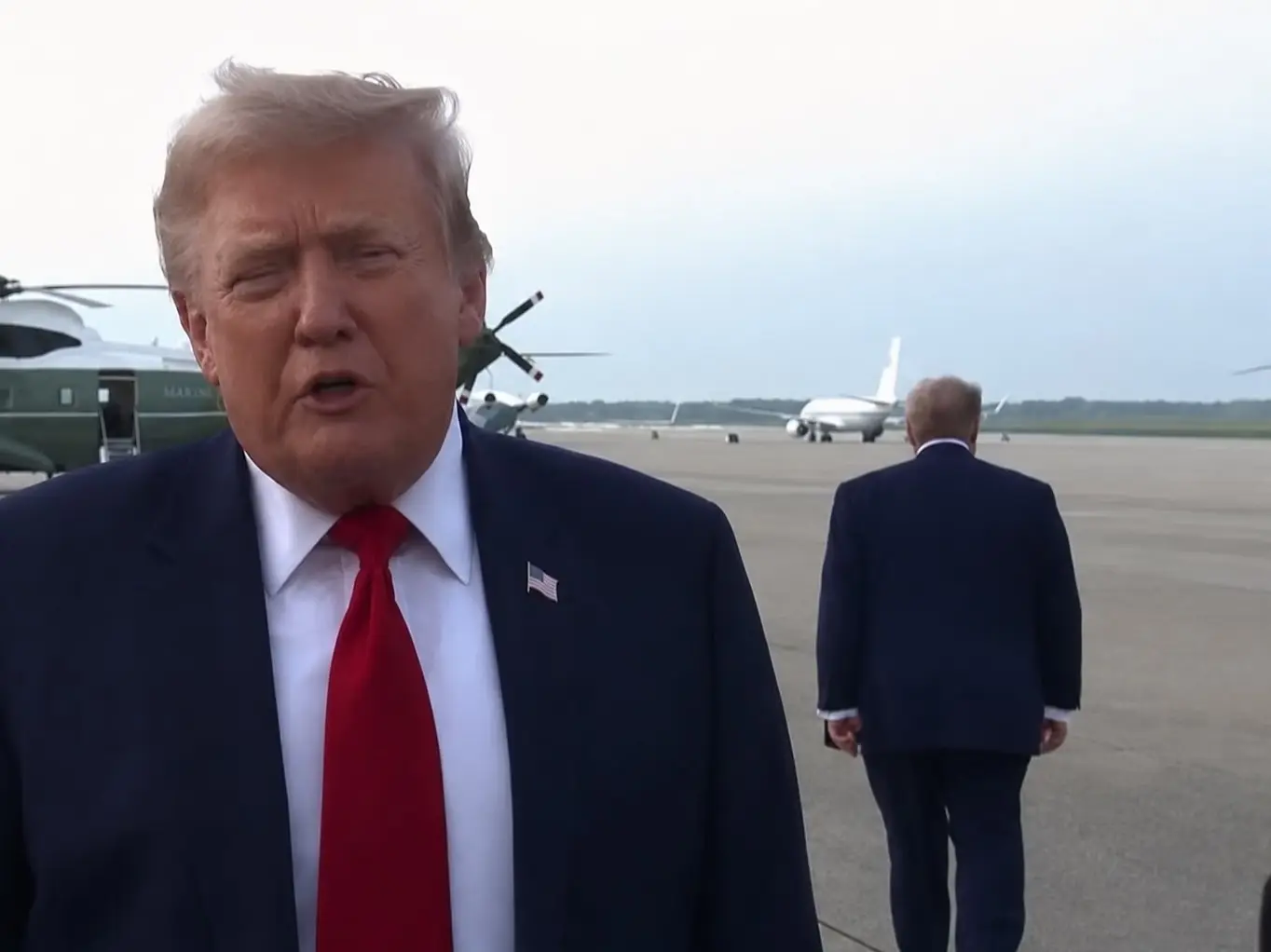)
'Is that a back-up Trump?' Mysterious look-alike standing behind Donald Trump baffles netizens
)
'What is wrong...': Anna Hazare breaks silence on Sonam Wangchuk's protest, makes an appeal to Centre
)
‘Centre had no interest in having a debate’: LoP Rahul Gandhi demands resignation of Dharmendra Pradhan, Amit Shah
)
'Criticising him after two or three matches isn't justified': Sikandar Raza backs Vaibhav Sooryavanshi
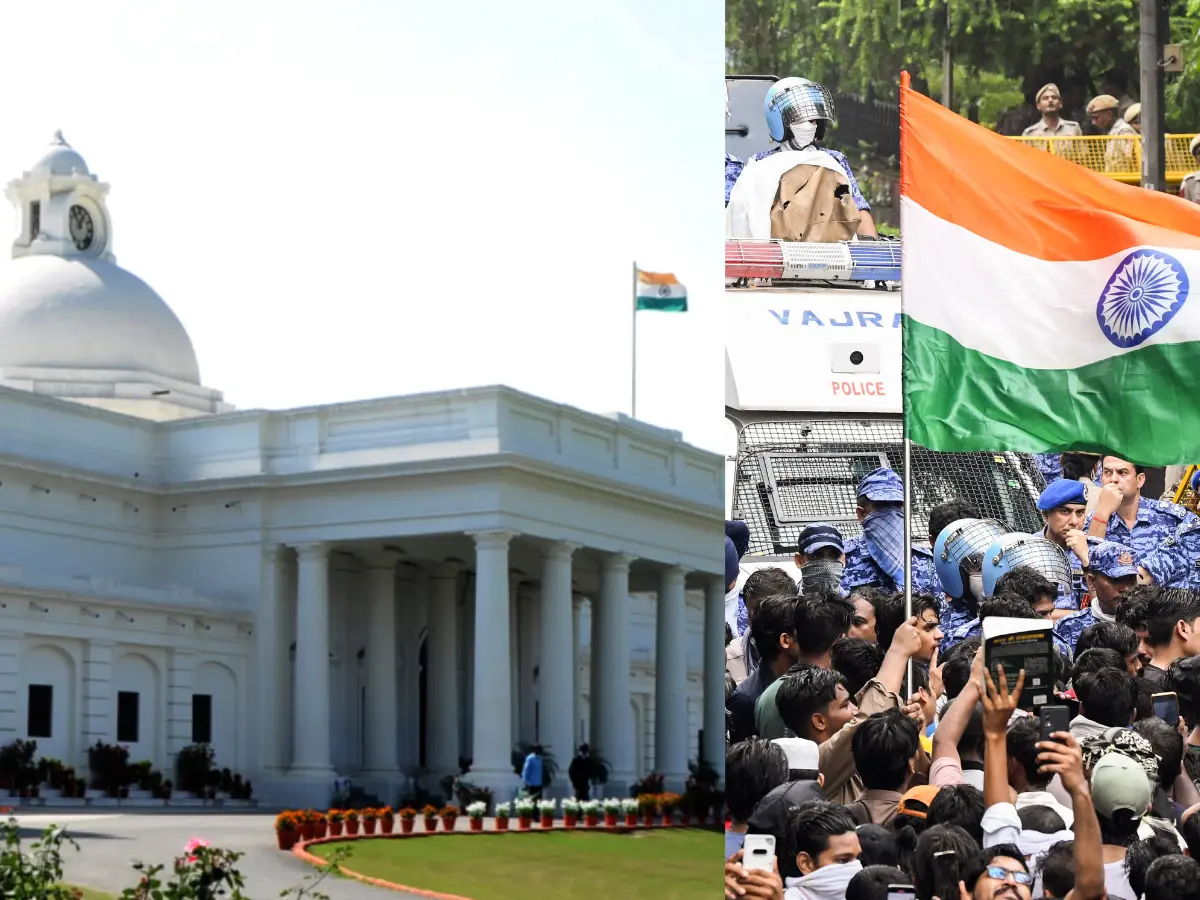)
'Not permitted ...': IIT Roorkee issues gag order as students' protest intensifies
&im=FitAndFill=(700,400))
New OTT releases this week (July 20-26, 2026): Musafir Cafe, Adarsh Baal Vidyalaya, 72 Hours- 5 new titles coming on Netflix, Prime Video and more
)
Is Pentagon hiding missile shortage from Trump? US officials raise alarm over Iran war readiness
)
Salman Khan breaks silence on health concerns after viral Mumbai appearance
)
'This should not happen in a democracy': Shashi Tharoor slams detention of Rahul Gandhi, Priyanka Gandhi after protest outside PM Modi's residence
)
Student union leaders call off hunger strike at Jantar Mantar after civil society appeal, but protest continues
)
UP BTech gold medalist dies by suicide after failing in nearly 50 govt job attempts, leaves note for father
)
Trump announces 200% tariff on generic drugs: Here's what it means for 'Pharmacy of the World' India
)
US-Iran war cost hits $37.5 billion as Hegseth seeks $67 billion more for Pentagon
)
'George Soros playbook': Understanding the foreign funding network around Sonam Wangchuk
&im=FitAndFill=(700,400))
Meet top 5 batters with most runs in India vs Zimbabwe T20Is
The new method was developed by scientists led by Eske Willerslev, director of the Lundbeck Foundation GeoGenetics Centre at the University of Cambridge. It had taken the researchers 14 years to develop this new method of extracting usable DNA from hair.
When Willerslev read about LaPointe handing over hair of Sitting Bull to Smithsonian, he reached out to him to conduct this research. "LaPointe asked me to extract DNA from it and compare it to his DNA to establish relationship," said Willerslev, senior author of the research published in the Science Advances. "I got very little hair and there was very limited DNA in it. It took us a long time developing a method that, based on limited ancient DNA, can by compared to that of living people across multiple generations."
Sitting Bull, whose Lakota name was Tatanka-Iyotanka, was known for leading Native American warrior who then wiped out federal troops of George Custer at the 1876 Battle of the Little Bighorn.