
&imwidth=800&imheight=600&format=webp&quality=medium "Did Iran secretly ship 70 million barrels of oil to China? Report claims $6 billion crude exported before blockade restored")
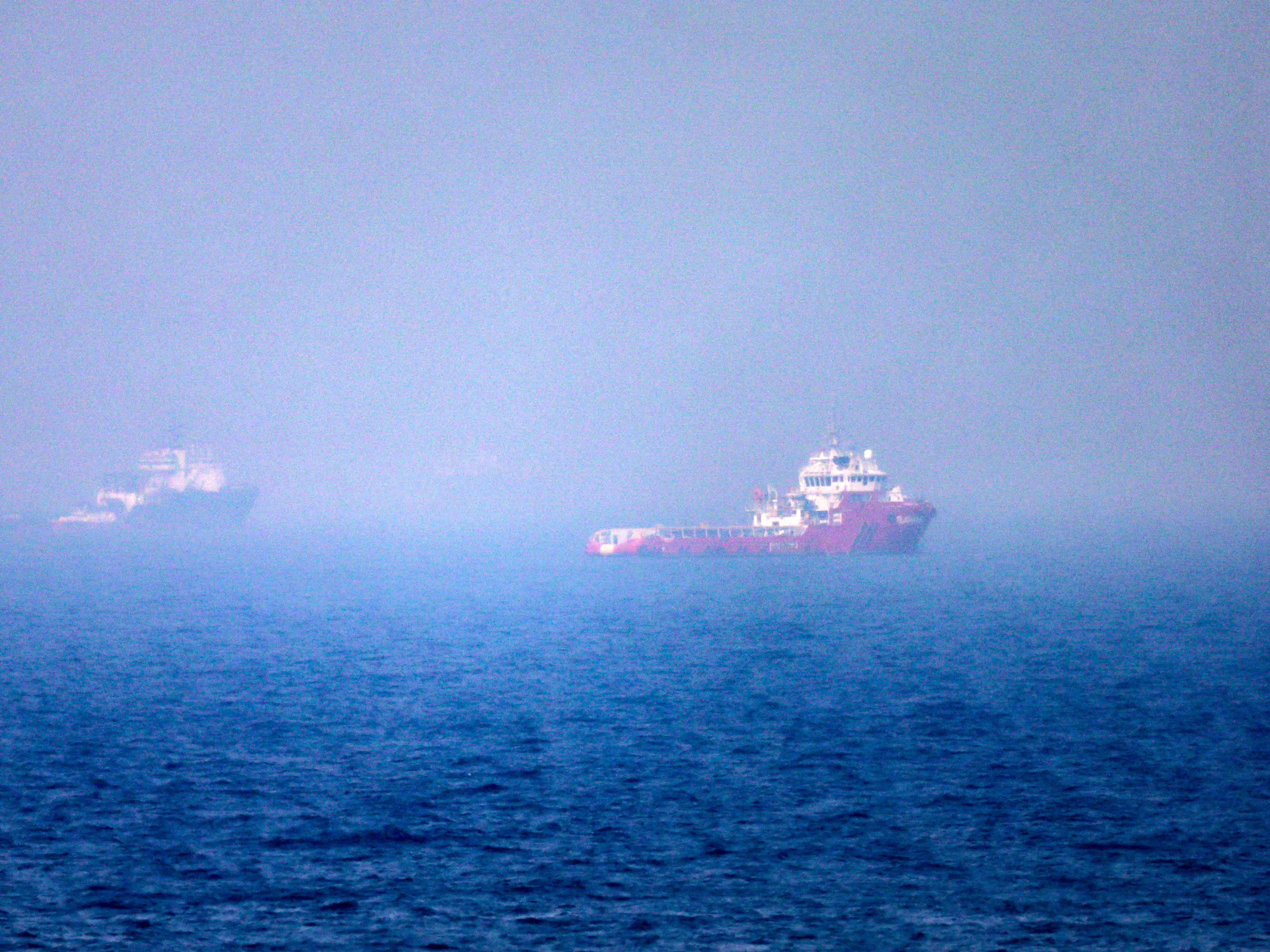
Iran reportedly shipped nearly 70 million barrels of crude oil worth an estimated $5-6 billion during a brief pause in US restrictions, building a financial cushion before Washington reinstated its blockade in the Strait of Hormuz. The shipments, carried out between mid-June and mid-July, are expected to generate billions in revenue for Tehran in the coming months, with much of the crude ultimately destined for China.
According to a Wall Street Journal report, around 20 Iranian oil tankers began arriving off Malaysia’s eastern coast in late June after the United States temporarily lifted restrictions on Iranian shipping. Independent estimates from advocacy group United Against Nuclear Iran (UANI) and oil market analysts cited by the newspaper suggest Tehran exported roughly 70 million barrels during the one-month window. The US has since reimposed restrictions, once again limiting Iranian exports through the Strait of Hormuz.
Also read | Iran targets US bases in Bahrain, Kuwait and Jordan as conflict in Middle East escalates

Oil shipped to China
Analysts say Iran relied on its long-established sanctions-evasion network to move the oil. Tankers reportedly sailed to the Eastern Outer Port Limits, an area outside Malaysia’s territorial waters, where crude was transferred at sea to other vessels using large hoses. These receiving tankers then transport the oil to private Chinese refiners, often referred to as “teapot” refineries, which purchase Iranian crude at discounted prices.
Several tankers, including the Diona, Hero II, Sonia 1 and Stream, reportedly reached the Malaysian transfer zone during the period. Experts believe the sudden increase in tanker traffic reflects Tehran’s effort to maximise exports before tighter US enforcement resumed.
Trending Stories
)
Xi Jinping's new AI bloc: China launches 'World AI Body' with Pakistan and Russia in, India out
&im=FitAndFill=(700,400))
FIFA World Cup 2026: 5 football stars who went viral on social media during the tournament
&im=FitAndFill=(700,400))
Why the S-400 uses solid rocket fuel instead of liquid fuel
)
Karoline Leavitt to be US Vice President when Usha Vance gives birth? JD Vance says...
)
Sonam Wangchuk's connection with George Soros and Ford Foundation explained!
)
FACT CHECK: Was Abhijit Dipke detained during CJP's Parliament march? Here's what police say
)
'There is no need for...': PM Modi takes a veiled dig at Rahul Gandhi, sends big message amid Parliament March
)
'Could be bombed at any moment': What Iran's Araghchi told Trump envoy Witkoff during negotiations
)
Salman Khan breaks silence on health concerns after viral Mumbai appearance
)
'George Soros playbook': Understanding the foreign funding network around Sonam Wangchuk
&im=FitAndFill=(700,400))
New OTT releases this week (July 20-26, 2026): Musafir Cafe, Adarsh Baal Vidyalaya, 72 Hours- 5 new titles coming on Netflix, Prime Video and more
)
Maha CM Wife Amruta Fadnavis' Yoga Day appearance sparks social media debate over attire | Watch
&im=FitAndFill=(700,400))
2026 FIFA World Cup awards: Full list of Golden Boot, Golden Ball, Golden Glove and every major winner
)
JD and Usha Vance welcome fourth child: Who serves as acting US vice president during Vance's paternity leave?
)
Heavy sanctions loom over Argentine players after ugly brawl following final whistle in World Cup final
)
Older than Himalayas: 85mn-year-old Kewra plant reached India 24mn years ago, fossil discovery in Assam shows
&im=FitAndFill=(700,400))
FIFA World Cup 2026 awards race: Who are Golden Boot, Golden Ball and Golden Glove contenders ahead of the final
&im=FitAndFill=(700,400))
Global air power ranking 2026: India surpasses China
)
Truck loaded with stones, metro stations closed: What's happening at Jantar Mantar now
&im=FitAndFill=(700,400))
Why US fighter jets use seamless bubble canopies compared to Russian jets
&im=FitAndFill=(700,400))
Why the F-22’s cockpit glass is thicker than a standard fighter jet
)
Student union leaders call off hunger strike at Jantar Mantar after civil society appeal, but protest continues
)
Tulsi Gabbard's brother Batarti accused of luring children to hotel room in Hawaii
)
'Chalo Sansad' march today: Section 163 in force, Delhi Police remove barricades; unfazed Dharmendra Pradhan meets NEET topper
)
US strikes Iran, sirens heard in Kuwait, one American soldier killed in Iraq: What's happening in West Asia
)
Imran Khan's sister links India-Pakistan 2025 conflict to Israel recognition plans
&im=FitAndFill=(700,400))
Why the F-22’s tail fins are canted to minimize its radar footprint
)
Argentina's racism problem: How football chants reflect a deeper historical legacy
)
'What is wrong...': Anna Hazare breaks silence on Sonam Wangchuk's protest, makes an appeal to Centre
Watch | US-Iran war: Iranian media reports US attacks on Sirik port in Hormuz Strait
Charlie Brown, a Singapore-based analyst with United Against Nuclear Iran, told the outlet that Iran acted quickly to build a significant export buffer once restrictions were eased. Jonathan Panikoff, Middle East expert at the Atlantic Council, said Iran's struggling economy makes oil revenue critical, adding that the government is likely to prioritise those earnings to support its strategic objectives amid renewed tensions with the United States.
Disclaimer: WION takes utmost care to accurately and responsibly report ongoing conflicts in West Asia involving Israel, Iran, the US, Gulf nations and non-state actors like Hezbollah, Hamas, Houthis, Islamic State, and others. Claims and counterclaims, disinformation and misinformation are being made online and offline. Given this context, WION cannot independently verify the authenticity of all statements, social media posts, photos and videos.

