
&imwidth=800&imheight=600&format=webp&quality=medium "Ebola outbreak alert: Canada, Bahamas roll out emergency travel measures, suspend visas amid rising threat")
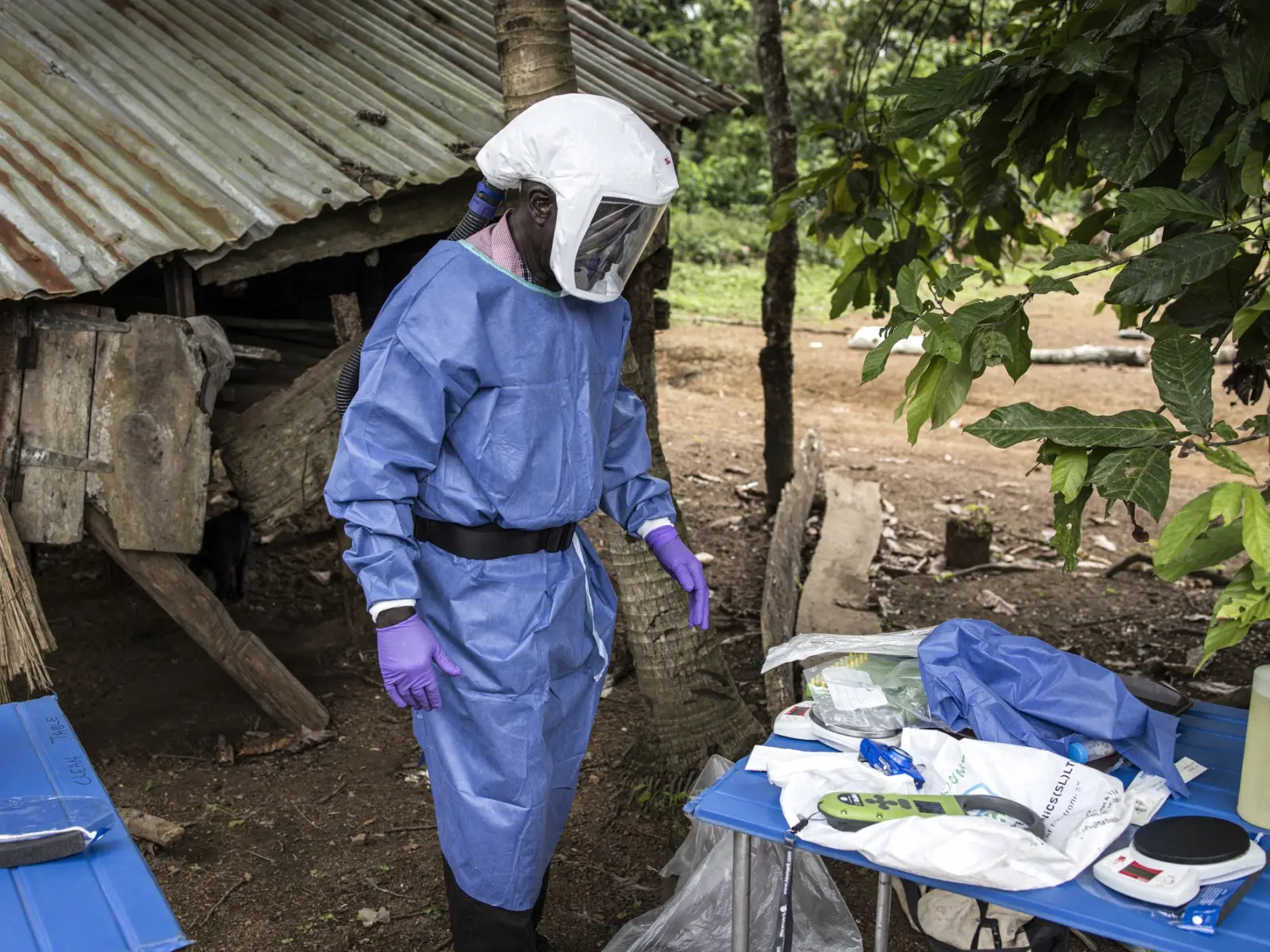
A series of temporary border measures has been issued by the Canadian government to reduce the risk of the Ebola virus entering and spreading within the nation. In a press release, the Public Health Agency of Canada has stated that the country will suspend immigration documents for residents for 90 days starting Wednesday at 23:59 Eastern Time. The move comes in response to the Ebola outbreak in the Democratic Republic of the Congo and escalating risks in Uganda and South Sudan.
The release stated that citizens of these three nations with the approved temporary resident visas, electronic travel authorisations, or permanent resident visas will be barred from travelling to Canada. It added that the new application process for residents of this nation will also be temporarily halted.
In additional measures, Canada will introduce a compulsory 21-day quarantine from May 30 at 11:59 p.m. Eastern Time until August 29 for Canadian citizens, permanent residents, individuals registered under the Indian Act, and foreign nationals who have travelled to affected regions within the previous 21 days but are not showing symptoms, according to Xinhua news agency. Travellers displaying symptoms will be taken to hospitals for further evaluation under the Quarantine Act.

The government stated that the risk of Ebola to Canadians remains low and that no cases have been reported in North America so far. However, officials said the measures are being implemented as a precaution because of the seriousness of the virus and the changing global situation, including concerns linked to the upcoming FIFA World Cup.
Also read: 9,000 litres of diesel sinks in Antarctica after ice sheet with 7 containers drifts and breaks apart
Bahamas imposes Ebola-related travel bans
Trending Stories
)
FIFA 2026 | 'I am truly sorry': Argentina's Enzo Fernandez, who get red card in final, reacts to loss
)
'Guru is the...': Indian Education Minister Dharmendra Pradhan shares message on education amid calls for his resignation
)
FBI arrests alleged $547mn medicare fraud fugitive after 3-year global manhunt
&im=FitAndFill=(700,400))
2026 FIFA World Cup awards: Full list of Golden Boot, Golden Ball, Golden Glove and every major winner
&im=FitAndFill=(700,400))
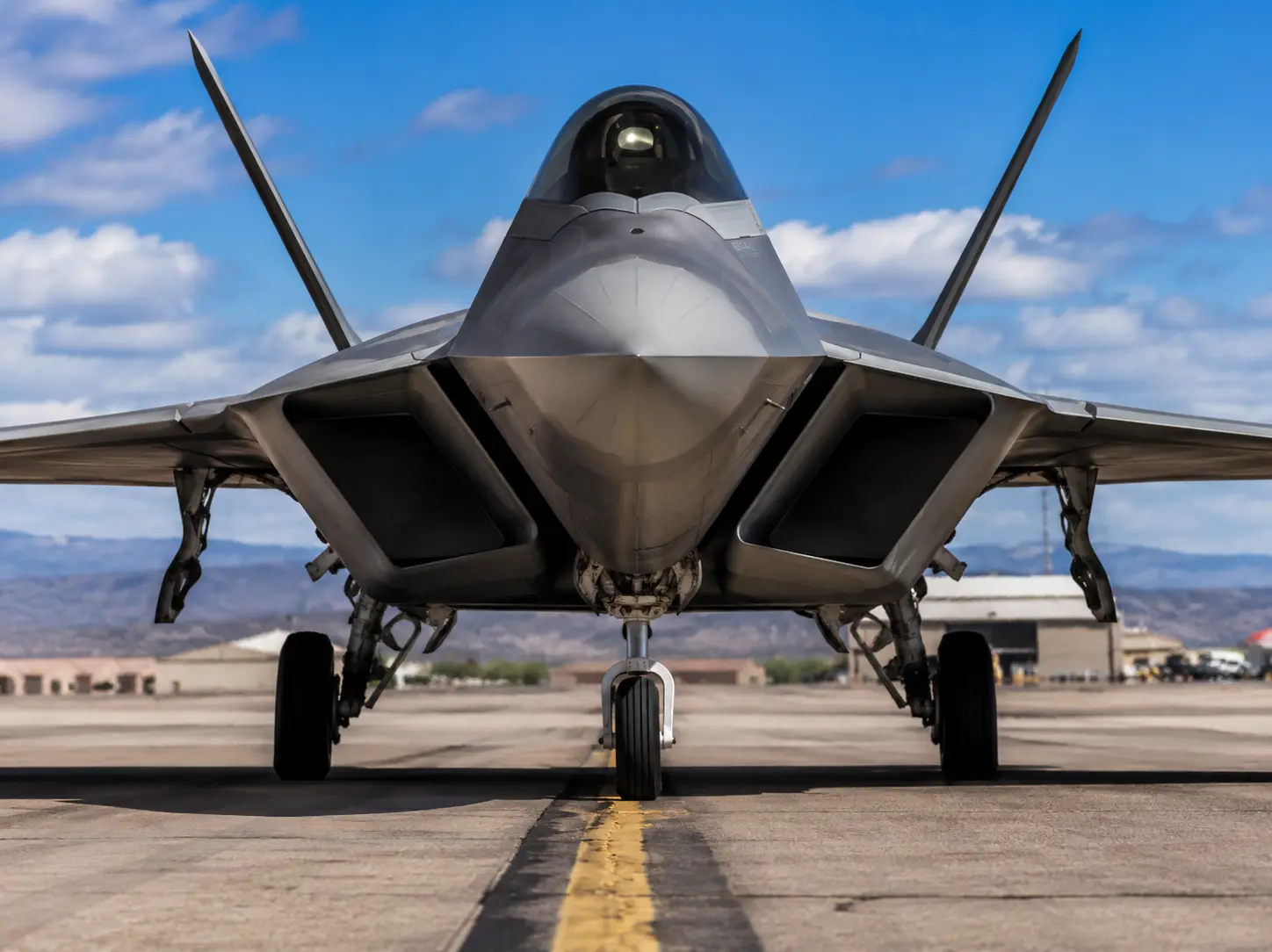
Why US fighter jets use seamless bubble canopies compared to Russian jets
&im=FitAndFill=(700,400))
Why the F-22’s cockpit glass is thicker than a standard fighter jet
&im=FitAndFill=(700,400))
FIFA World Cup 2026 team of the tournament: The best XI that ruled football’s biggest stage
)
Sonam Wangchuk's connection with George Soros and Ford Foundation explained!
)
‘He's the architect of the genocide against Palestinians’: Mamdani repeats Netanyahu will be arrested if he visits US
&im=FitAndFill=(700,400))
World's top 7 most liveable cities in 2026 — Check where India and Pakistan stand
)
Kaylee Hottle was unconscious: Shocking details from first responders revealed after teen star's death
)
'We acted immediately...': Indian PM Modi breaks silence on paper leaks as NEET protest, calls for Education Minister's resignation grows
)
JP Nadda, Jitendra Singh meet Sonam Wangchuk at Medanta Hospital: Report
)
'Is that a back-up Trump?' Mysterious look-alike standing behind Donald Trump baffles netizens
)
'What is wrong...': Anna Hazare breaks silence on Sonam Wangchuk's protest, makes an appeal to Centre
)
‘Centre had no interest in having a debate’: LoP Rahul Gandhi demands resignation of Dharmendra Pradhan, Amit Shah
)
'Criticising him after two or three matches isn't justified': Sikandar Raza backs Vaibhav Sooryavanshi
)
'Not permitted ...': IIT Roorkee issues gag order as students' protest intensifies
&im=FitAndFill=(700,400))
New OTT releases this week (July 20-26, 2026): Musafir Cafe, Adarsh Baal Vidyalaya, 72 Hours- 5 new titles coming on Netflix, Prime Video and more
)
Is Pentagon hiding missile shortage from Trump? US officials raise alarm over Iran war readiness
)
Salman Khan breaks silence on health concerns after viral Mumbai appearance
)
'This should not happen in a democracy': Shashi Tharoor slams detention of Rahul Gandhi, Priyanka Gandhi after protest outside PM Modi's residence
)
Student union leaders call off hunger strike at Jantar Mantar after civil society appeal, but protest continues
)
UP BTech gold medalist dies by suicide after failing in nearly 50 govt job attempts, leaves note for father
)
Trump announces 200% tariff on generic drugs: Here's what it means for 'Pharmacy of the World' India
)
US-Iran war cost hits $37.5 billion as Hegseth seeks $67 billion more for Pentagon
)
'George Soros playbook': Understanding the foreign funding network around Sonam Wangchuk
&im=FitAndFill=(700,400))
Meet top 5 batters with most runs in India vs Zimbabwe T20Is
In a similar development, the Bahamas also announced on Tuesday (May 26) to temporarily ban residents from the Democratic Republic of the Congo, Uganda and South Sudan amid an Ebola outbreak. The Bahamian government also added that entry restrictions in the country will be taken immediately and will remain in place for a period of 30 days, subject to review by the Caribbean country's health ministry.
According to Reuters, the archipelago also announced to impose a travel ban. The World Health Organisation highlighted the Ebola disease as a severe, often fatal illness which affects humans and other primates.
Ebola spreads to humans through contact with infected wild animals such as fruit bats, porcupines, and non-human primates. The disease can then pass between people through direct exposure to infected blood, bodily fluids, organs, or contaminated materials, including bedding and clothing. The average fatality rate for Ebola is about 50 per cent, although previous outbreaks have recorded death rates ranging from 25 to 90 per cent.

