In abrupt shift, Trump appears to sour on Russia but warm to China and NATO

Trump Nato
These drastic reversals come as the Trump administration faces more pressure under the ongoing investigation for their links to Russia
After less than three months in office, President Donald Trump has abruptly indicated a shift inhis stance on an array of foreign policy issues from the USrelationship with Russia and China to the value of the NATO alliance.
Trump, who ran for the White House on a pledge to shake up the status quo in Washington, repeatedly lashed out at China during the campaign, accusing Beijing of being a "grand champion" of currency manipulation. Candidate Trump also dismissed the NATO military alliance as obsolete and said he hoped to build warmer ties with Russia.
But at a White House news conference and in a newspaper interview on Wednesday, he offered starkly different views on those issues, saying his relationship with Moscow was souring while ties with Beijing were improving. He also lavished praise on NATO, saying it was adapting to changing global threats.

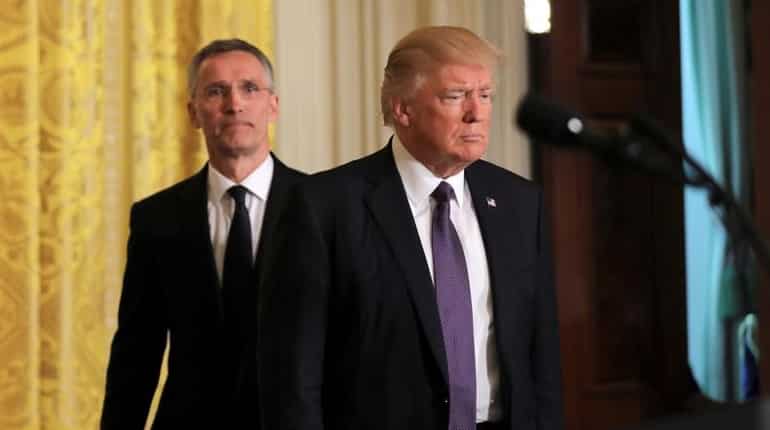
"I said it was obsolete. It's no longer obsolete," Trump said as he stood at a news conference alongside NATO Secretary-General Jens Stoltenberg in the White House East Room on Wednesday.
The apparent reversals on Russia and NATO could reassure USallies in Europe who were rattled by Trump's overtures toward Moscow during the campaign. But the president's talk of "bonding" with Chinese President Xi Jinping could sow confusion in Asia, where USallies are fearful of a rising China.
Trumpclaims US-Russia relations are at"all time low"
)
'Not permitted ...': IIT Roorkee issues gag order as students' protest intensifies
&im=FitAndFill=(700,400))
New OTT releases this week (July 20-26, 2026): Musafir Cafe, Adarsh Baal Vidyalaya, 72 Hours- 5 new titles coming on Netflix, Prime Video and more
)
JP Nadda, Jitendra Singh meet Sonam Wangchuk at Medanta Hospital: Report
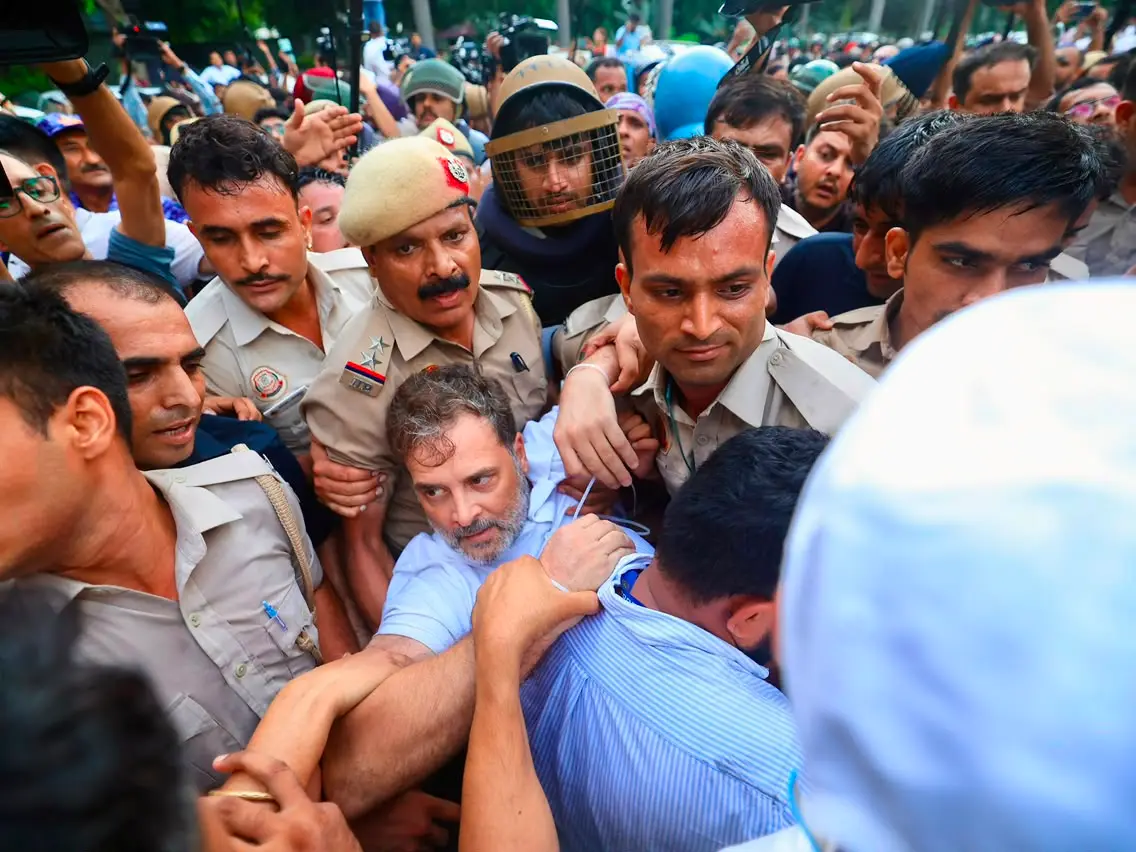)
‘Centre had no interest in having a debate’: LoP Rahul Gandhi demands resignation of Dharmendra Pradhan, Amit Shah
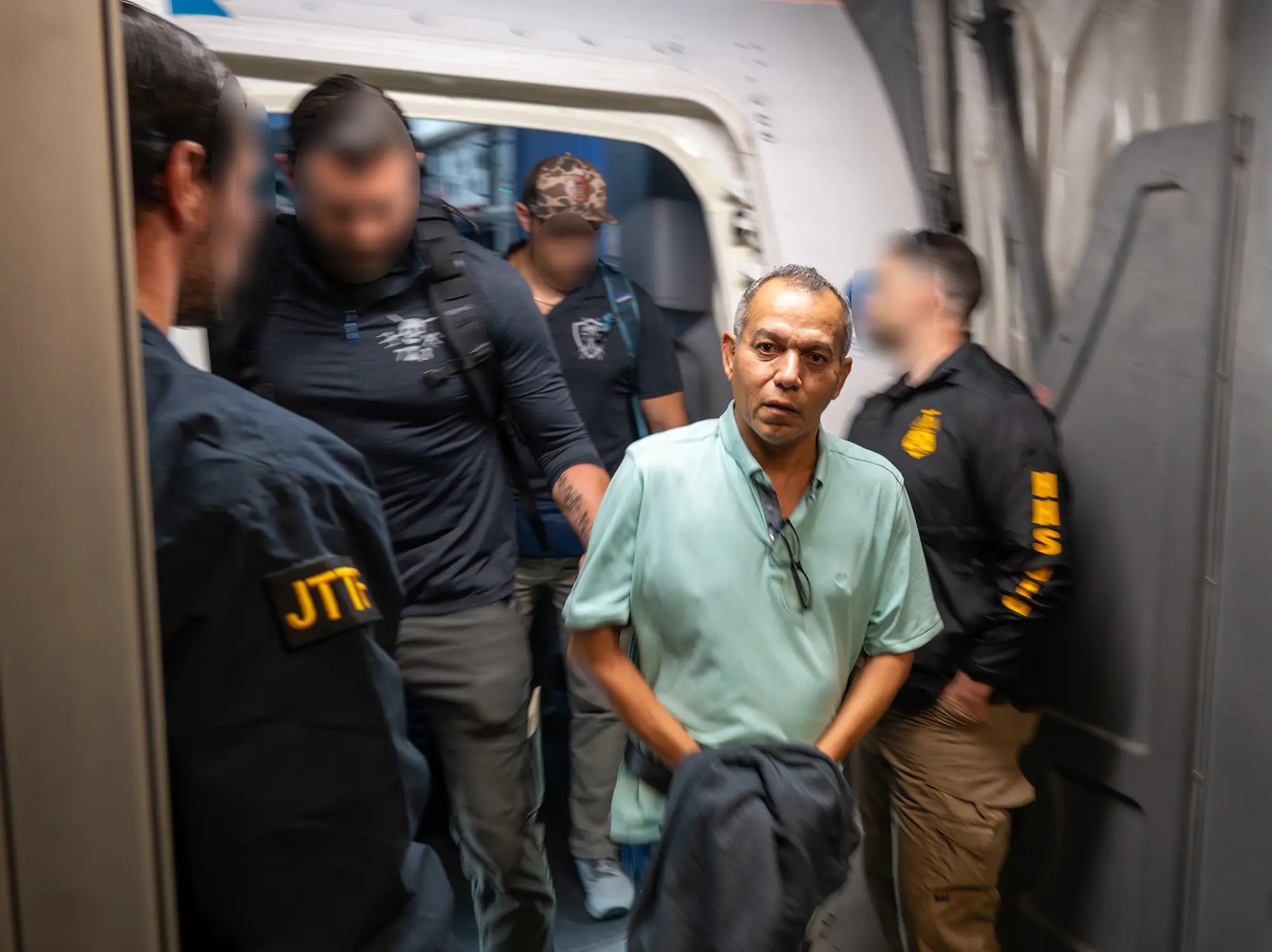)
FBI arrests alleged $547mn medicare fraud fugitive after 3-year global manhunt
&im=FitAndFill=(700,400))
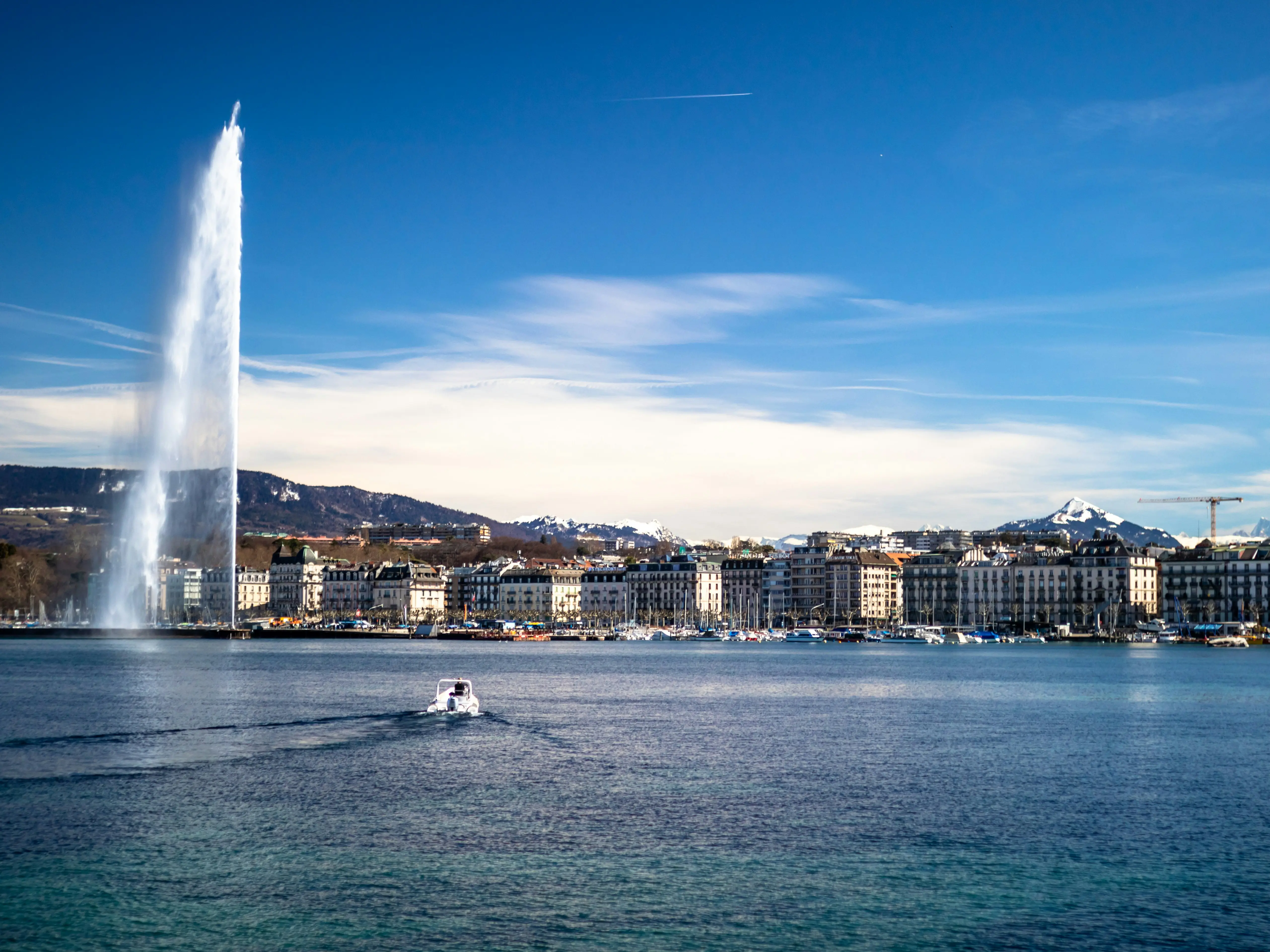
World's top 7 most liveable cities in 2026 — Check where India and Pakistan stand
&im=FitAndFill=(700,400))
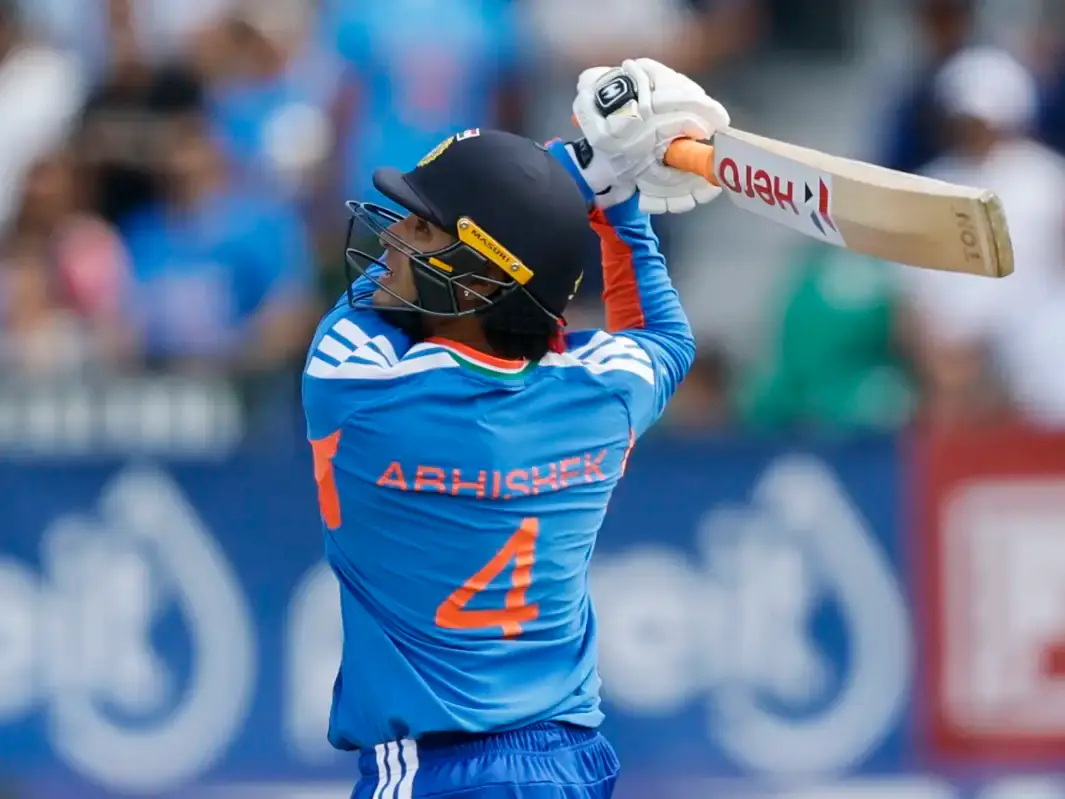
Meet top 5 batters with most runs in India vs Zimbabwe T20Is
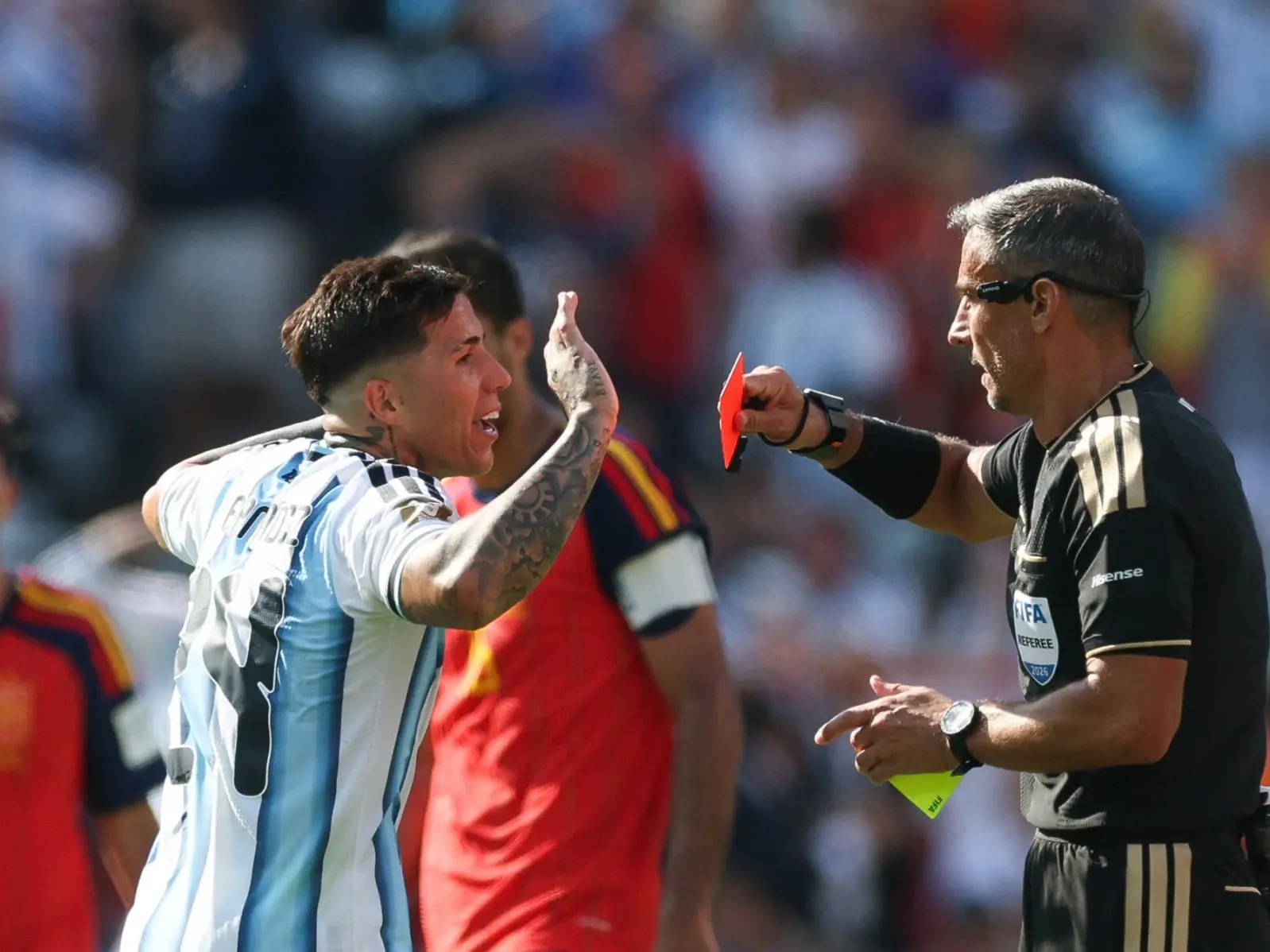)
FIFA 2026 | 'I am truly sorry': Argentina's Enzo Fernandez, who get red card in final, reacts to loss
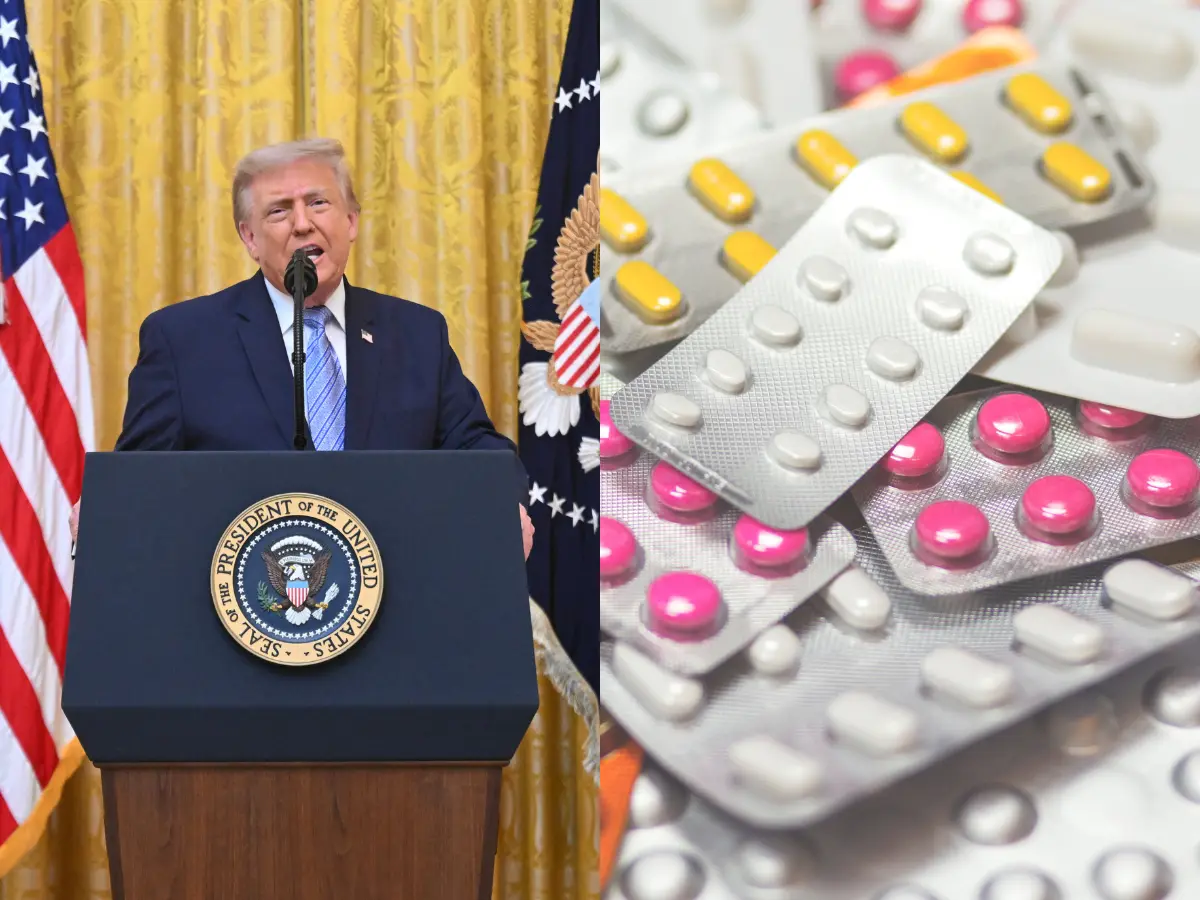)
Trump announces 200% tariff on generic drugs: Here's what it means for 'Pharmacy of the World' India
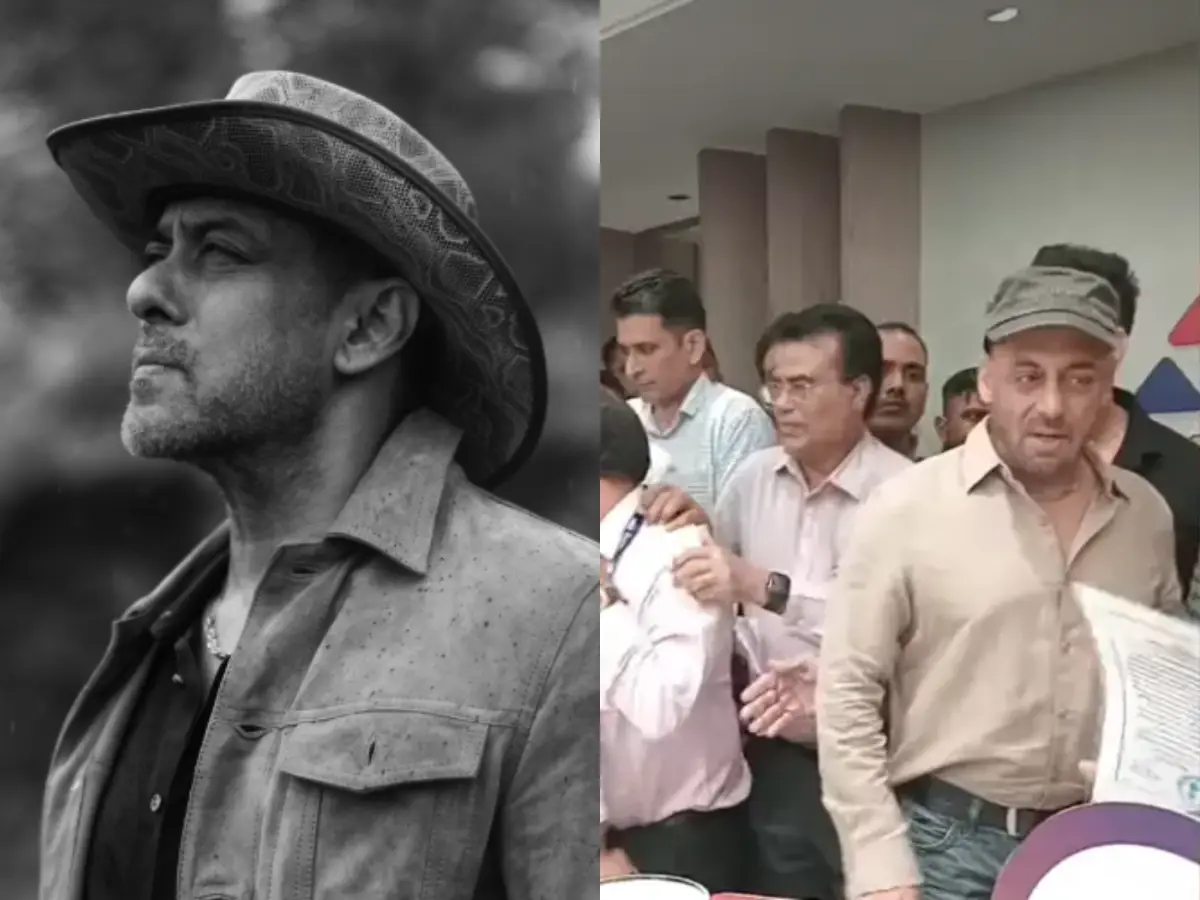)
Salman Khan breaks silence on health concerns after viral Mumbai appearance
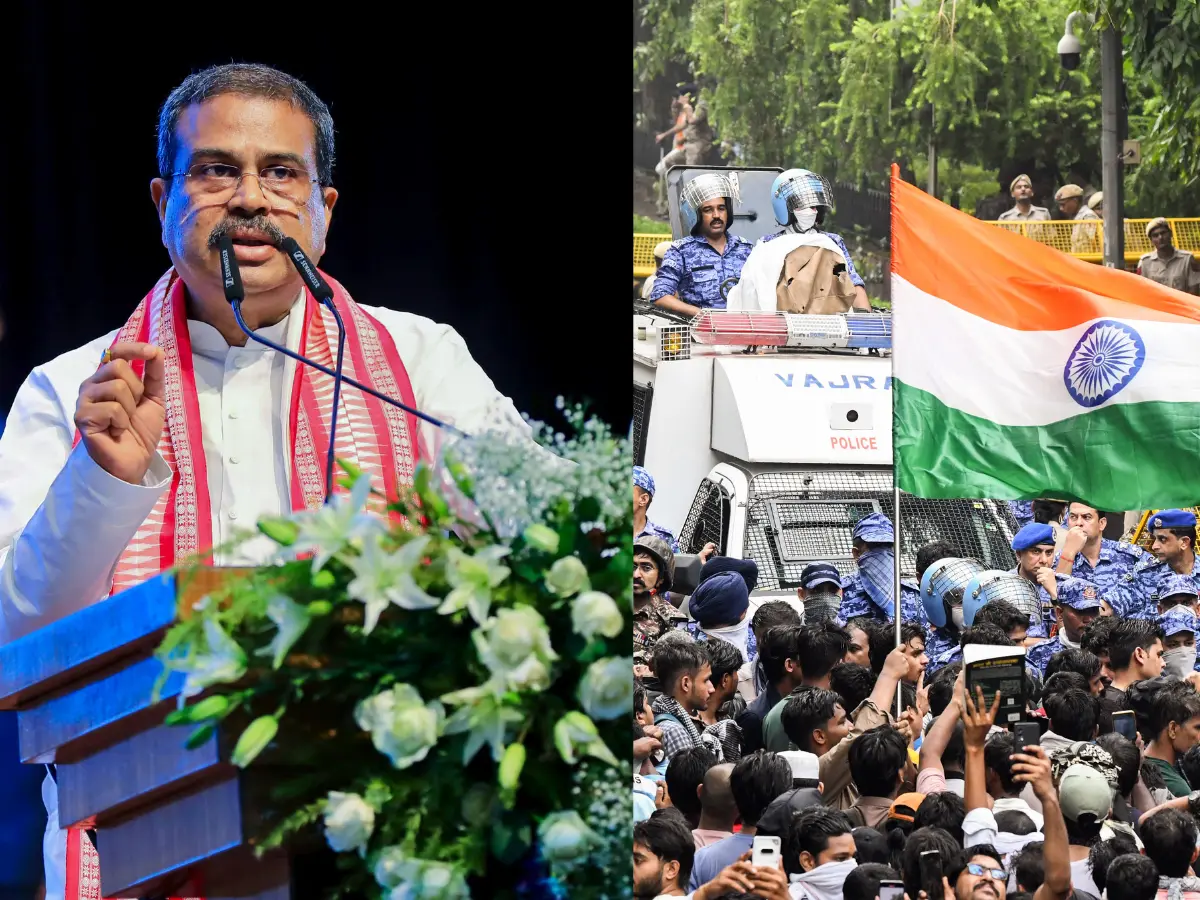)
'Guru is the...': Indian Education Minister Dharmendra Pradhan shares message on education amid calls for his resignation
)
Student union leaders call off hunger strike at Jantar Mantar after civil society appeal, but protest continues
)
'Is that a back-up Trump?' Mysterious look-alike standing behind Donald Trump baffles netizens
)
‘He's the architect of the genocide against Palestinians’: Mamdani repeats Netanyahu will be arrested if he visits US
)
US-Iran war cost hits $37.5 billion as Hegseth seeks $67 billion more for Pentagon
)
Sonam Wangchuk's connection with George Soros and Ford Foundation explained!
)
'Criticising him after two or three matches isn't justified': Sikandar Raza backs Vaibhav Sooryavanshi
)
'George Soros playbook': Understanding the foreign funding network around Sonam Wangchuk
)
'What is wrong...': Anna Hazare breaks silence on Sonam Wangchuk's protest, makes an appeal to Centre
&im=FitAndFill=(700,400))
Why US fighter jets use seamless bubble canopies compared to Russian jets
&im=FitAndFill=(700,400))
Why the F-22’s cockpit glass is thicker than a standard fighter jet
)
'This should not happen in a democracy': Shashi Tharoor slams detention of Rahul Gandhi, Priyanka Gandhi after protest outside PM Modi's residence
)
'We acted immediately...': Indian PM Modi breaks silence on paper leaks as NEET protest, calls for Education Minister's resignation grows
&im=FitAndFill=(700,400))
FIFA World Cup 2026 team of the tournament: The best XI that ruled football’s biggest stage
)
UP BTech gold medalist dies by suicide after failing in nearly 50 govt job attempts, leaves note for father
)
Is Pentagon hiding missile shortage from Trump? US officials raise alarm over Iran war readiness
&im=FitAndFill=(700,400))
2026 FIFA World Cup awards: Full list of Golden Boot, Golden Ball, Golden Glove and every major winner
)
Kaylee Hottle was unconscious: Shocking details from first responders revealed after teen star's death
Trump's U-turninforeign policy came amid infighting within his administration that has lately seen a decline in the influence of political operatives, mainly his chief strategist, Steve Bannon, whose former publication Breitbart News isunder FBI investigation for links to Russia.
Six months ago, candidate Trump suggested he was eager for an alliance with Russian President Vladimir Putin.
"If he says great things about me, I'm going to say great things about him," Trump said last September.
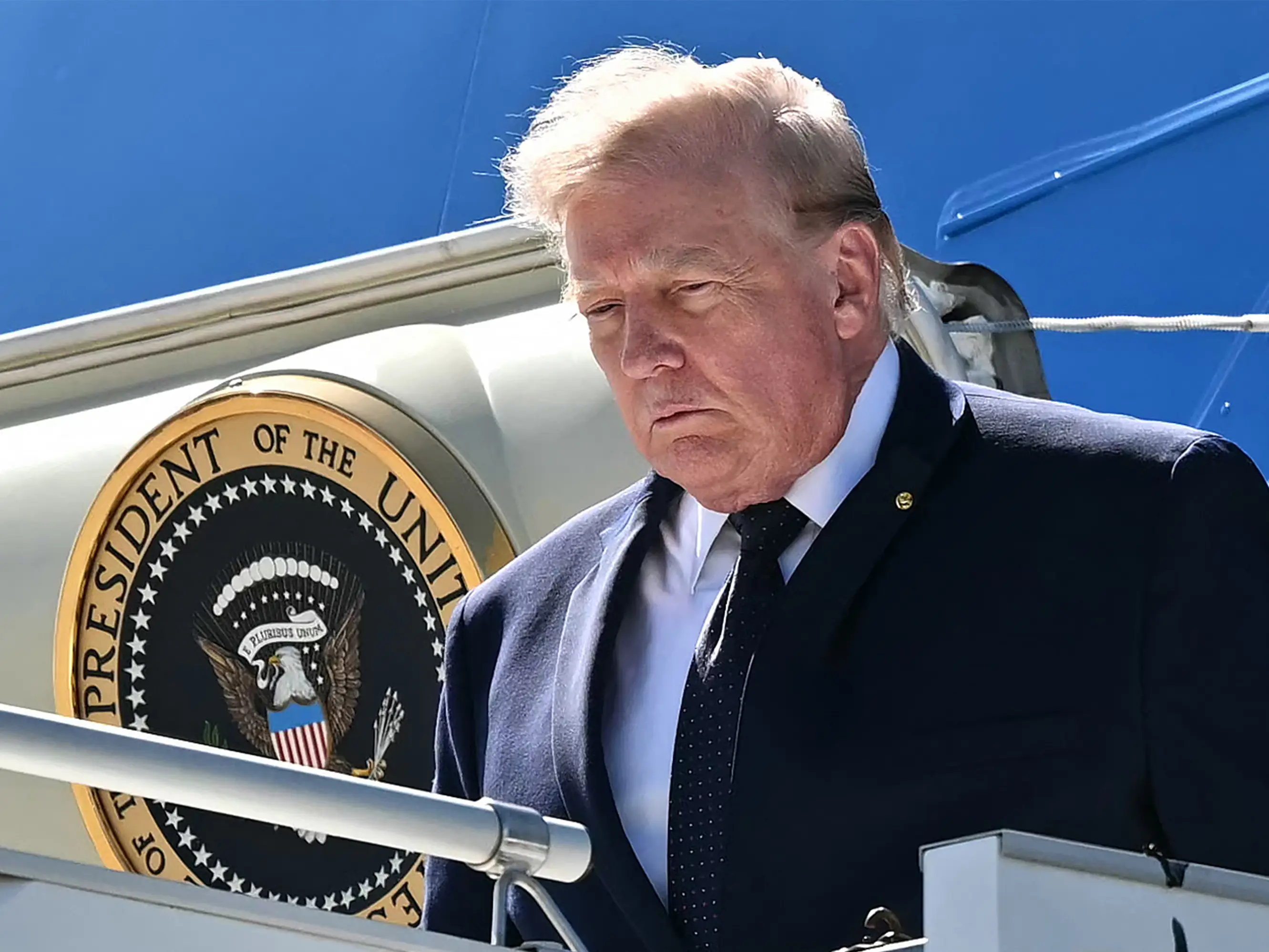
U.S. President Donald Trump voiced caution on his relationship with Russian President Vladimir Putin, saying he would wait and see about future ties with Moscow (Reuters)
On Wednesday, however, Trump said he had growing concerns about Russia's support of Syrian President Bashar al-Assad.
"We may be at an all-time low in terms of a relationship with Russia," said Trump, who ordered the firing of UScruise missiles at a Syrian airfield last week after Putin-backed Assad wassuspected of usingpoison gas against civilians in Syria's civil war.
While many are focused on Trump's claim that US-Russia relations are at a low, he also said in the very same press conference, "It would be wonderful...if Nato and our country could get along with Russia."
The Trump administration itself is currently under FBI investigation for its links to Russia, and for its possible role in working with Moscow's effort to interfere in the 2016 US election to benefit Trump.
China reversal
While criticising Russia on Wednesday, Trump said he and Xi had bonded during the Chinese president's visit to the Mar-a-Lago resort in Florida, where they dined together with their wives and held talks.
Ahead of that visit, Trump had predicted "difficult" discussions on trade.
The improving ties with Beijing were underscored when Trump told the Wall Street Journal in an interview on Wednesday that he would not declare China a currency manipulator as he had pledged to do on his first day in office.
Trump, a former real estate developer, took office in January as a government novice whose foreign policy mantra was a vow to keep America safe and build up the USmilitary.
Another reversal: Distancing himself from his own administration, again
In an interview with the New York Post on Tuesday, Trump offered only lukewarm support for Bannon.
“I like Steve, but you have to remember he was not involved in my campaign until very late. I had already beaten all the senators and governors, and I didn't know Steve. I'm my own strategist, and it's not like I was going to change strategies because I was facingcrooked Hillary,” Trump said.
The claim that he didn't know Steve Bannon until the 2016 is false, the same New York Times reports.
Critics have pointed out that the Trump administrationmade similar distancing statements withformer campaign manager, Paul Manafort, and former National Security adviser Michael Flynn.
White House Spokesman Sean Spicer said that Flynn was only a "campaign volunteer".Michael Flynnwas forced to resign on February13 for contacts with Russia's ambassador to the United States before Trump took office, contacts which he misled the Vice President about.
In anotherexample, a few weeks ago Spicer saidthat in the 2016 election campaign Manafort only played "a very limited role for a very limited time". Manafort worked on the campaign for five months, during a crucial time, and was the campaign manager for three of those months, Fortune reports.
He only resigned after a barrage of negative press after it came to light that he received millions of dollars in undisclosed payments from the party of the Russia-backed Ukrainian leader, Viktor Yanukovich.
Hours ago Manafort'sspokesman said he is planning to register with the Justice Department as a foreign agent, The Guardian reports. He denies any impropriety.
(WION with inputs from Reuters)