&imwidth=800&imheight=600&format=webp&quality=medium "Could Bab-el-Mandeb be shut? Report says Iran has Houthis on standby")
Iran has asked the Houthis to be on standby to close the Red Sea oil route if the United States strikes Iranian power infrastructure, reported Reuters on Thursday. The report quotes three officials, two Iranian and one Yemeni, who are familiar with these high-level talks. It suggests that the Houthis have completed the deployment of missiles and drones near the strait.
The idea, however, is not new; the Islamic Republic has previously threatened numerous times that it would potentially close another vital choke point, Bab-el-Mandeb, which connects Europe with Asia, through the Suez Canal. In March, Houthis said that they remain prepared to respond to the call from the Islamic Republic. Iranian Parliament’s National Security and Foreign Policy Commission spokesperson Ebrahim Rezaei said that Iran is yet to unleash the full scale of the "Axis of Resistance” and the operations will not just target military assets but will also explore other strategic options.
Also Read: Pakistan backs Hafiz Saeed after India names LeT chief in Pahalgam terror attack chargesheet

What does Bab-el-Mandeb mean for the global energy crisis?
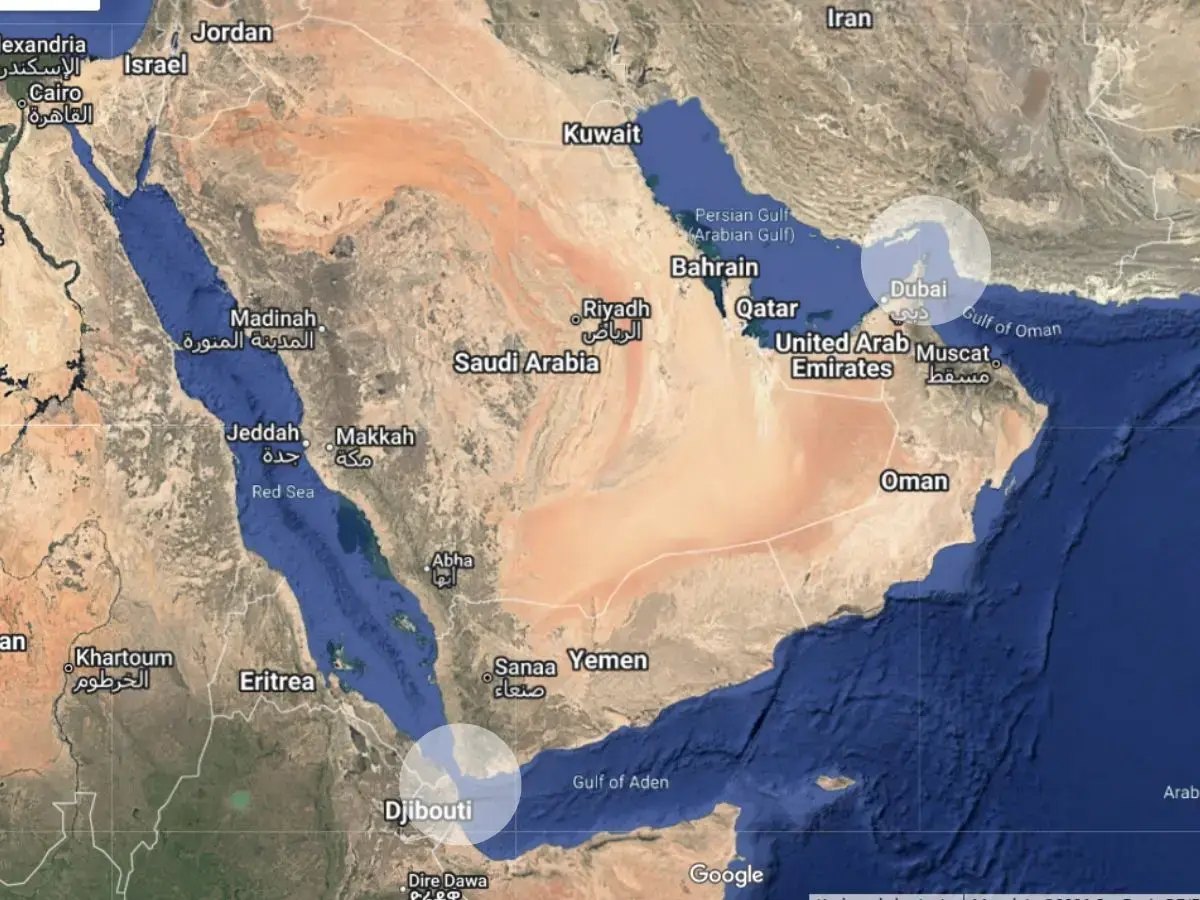
Deployment of heavy ammunition is being carried out in the highlands of Yemen that overlook Hodeidah, the country’s main port on the Red Sea. Located between Djibouti, the Horn of Africa and Yemen, the Arabian Peninsula, it is the strategic 30-km wide waterway connecting the Red Sea to the Gulf of Aden. The Bab-el-Mandeb, also known as the Gate of Tears, is responsible for 10 per cent of all global trade. It is the only maritime link between Europe and Asia, passing through the Suez Canal. In 2023, approximately 8.8 million barrels of oil were transported daily through this corridor. It reduces the travel time by 10-15 days, saving transportation costs. Along with the Strait of Hormuz, Bab-el-Mandeb accounts for roughly 30 per cent of all global oil trade. The US had spent around $1bn trying to thwart the attacks of Houthis in the Red Sea in 2024, but failed. Ships were forced to reroute around Africa, with shipping costs going up by 400 per cent. This implies that both the strategic waterways will be heavily militarised, and energy prices are likely to go up significantly. Persistent militarisation of these vital choke points could spiral into a global financial crisis.