
&imwidth=800&imheight=600&format=webp&quality=medium "Iran rejects Trump’s claims of final accord, says no deal reached yet")
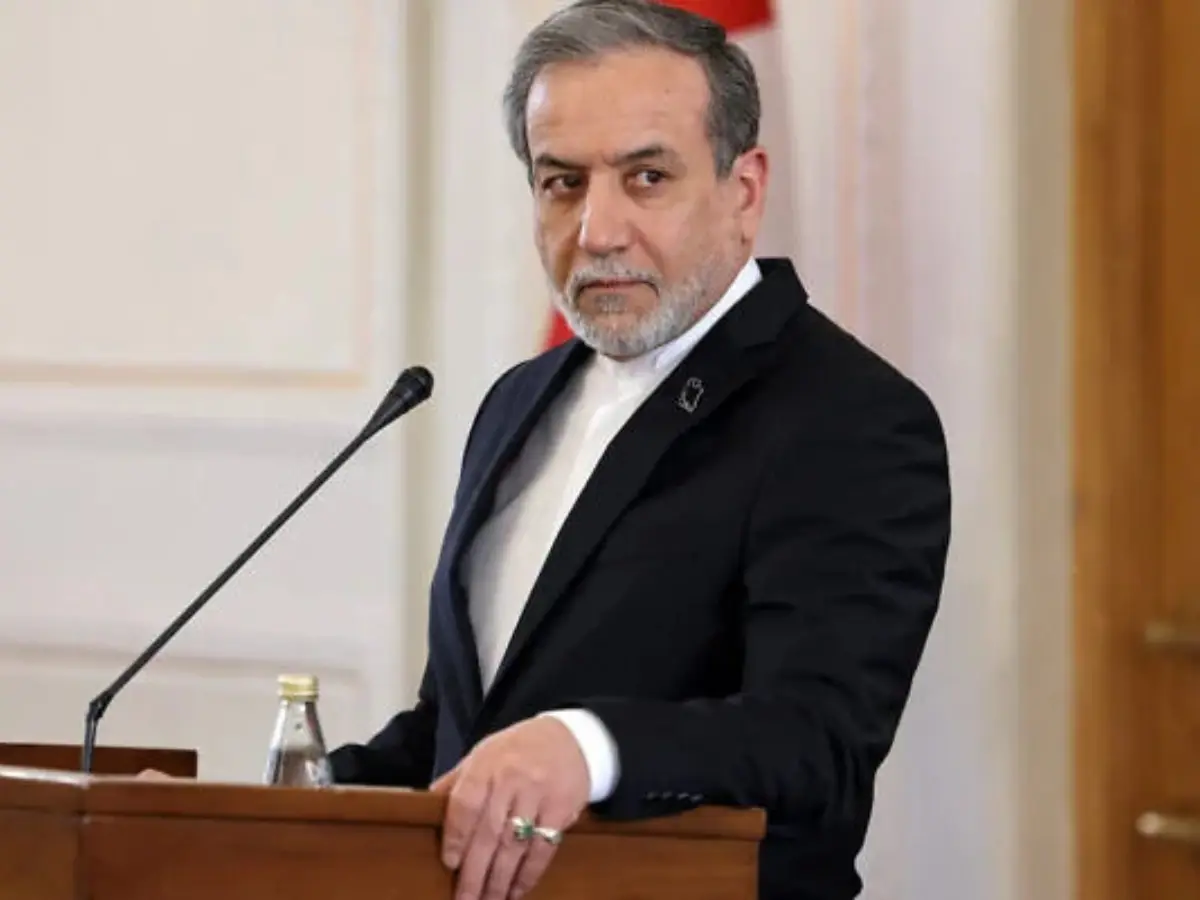
Hours after US President Donald Trump dramatically announced the framework of a sweeping deal to end the Middle East war, Iran’s Foreign Ministry struck back, declaring that "no final agreement" has been reached between Washington and Tehran.
The conflicting public statements underscore the immense friction remaining in the fragile diplomatic push, even as both sides face immense pressure to permanently secure a strained ceasefire. Speaking to state media, Iranian Foreign Ministry spokesman Esmaeil Baghaei explicitly downplayed President Trump’s characterisation of a finalised pact. While acknowledging that indirect channels of communication remain active, Baghaei emphasised that a breakthrough is not yet signed into reality.

“Regarding the understanding, as I said while speaking to you, exchanges of messages are continuing, but no final agreement has been reached yet,” Baghaei stated. The rebuttal followed a detailed social media declaration by US President Trump, who claimed that a multi-nation agreement was virtually set. Trump outlined aggressive conditions, including the immediate, toll-free reopening of the Strait of Hormuz, the total elimination of naval mines, and a joint US-IAEA mission to unearth and destroy deep-buried Iranian nuclear material. Trump concluded by stating he was entering the situation room to make a "final determination".
While a tentative memorandum of understanding (MoU) brokered by regional mediators has been circulating, diplomatic sources indicate major hurdles persist. Iranian Foreign Minister Abbas Araghchi previously criticised what he termed Washington’s “excessive demands” and “contradictory positions.” By pushbacking against the US narrative, Tehran is signalling that it will not be rushed into a public capitulation. For now, the fate of the Strait of Hormuz and the regional ceasefire hangs in a high-stakes diplomatic limbo.

