
&imwidth=800&imheight=600&format=webp&quality=medium "UAE secretly struck Iran during US-Israel war, targeted Hormuz sites and energy facilities: Report")
The United Arab Emirates secretly conducted dozens of military strikes on Iran during the initial days of the US-Israel war. These attacks heavily relied on intelligence supplied by the United States and Israel. According to an exclusive report by the Wall Street Journal, the operations were covert and began in the early days of Operation Epic Fury and continued till the US brokered a ceasefire. This marks a drastic revelation, as the Gulf states were initially hesitant about a ceasefire; some of them reportedly changed their stance after being attacked by Iran.
According to several people familiar with the covert operations, who told the WSJ that among many strikes were Qeshm and Abu Musa islands in the Strait of Hormuz, the port city of Bandar Abbas, Lavan Island’s oil refinery, and the Asaluyeh petrochemical complex. Iran has reportedly targeted the UAE with 2800 missiles.
Growing UAE-Israel cooperation and Emiratis' OPEC exit

An oil refinery on Iran's Lavan Island was targeted by a covert UAE attack on April 8 at around 10 am. The National Iranian Oil Refining and Distribution Company confirmed that the island was targeted by “enemy attack”, but no casualties were reported. Israeli military spokesperson Lieutenant Colonel Nadav Shoshani then denied any involvement in the attack. Further, the attack on the Asaluyeh petrochemical complex triggered international concern and backlash, prompting the United States to pressure Israel to halt attacks. The strike was carried out by the UAE in cooperation with Israel. But when asked by reporters, Netanyahu said, “Israel acted alone against the Asaluyeh gas compound.”
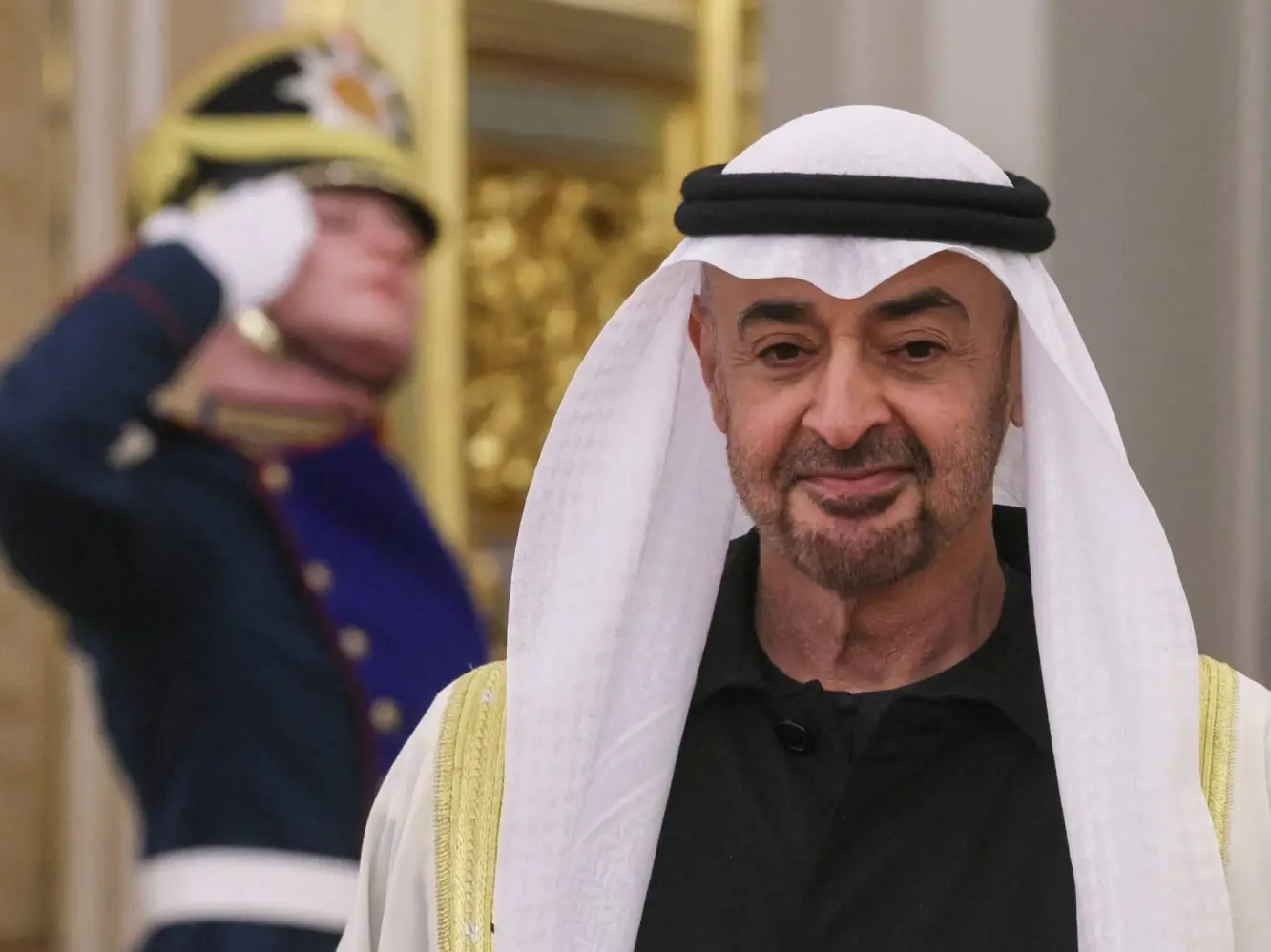
The report further notes that the UAE has increased its collaboration with Israel, as Israel has sent Iron Dome and Operators to the Emiratis. The report suggests that the UAE President, Mohammed bin Zayed, expressed frustration with Saudi Crown Prince Mohammed bin Salman over his disagreement to join the operation against Iran. According to the report, Saudi Arabia later urged the US to halt the coordinated military operation as it was increasing the risk of retaliation against the Gulf energy infrastructures. While the UAE's neighbour conveyed that it was not their war to join. This further explains the later development of the UAE seeking a Currency Swap Line from Washington and exiting the OPEC and OPEC+.

