&imwidth=800&imheight=600&format=webp&quality=medium "Undeclared chemical weapons from former president Assad-era found in Syria")
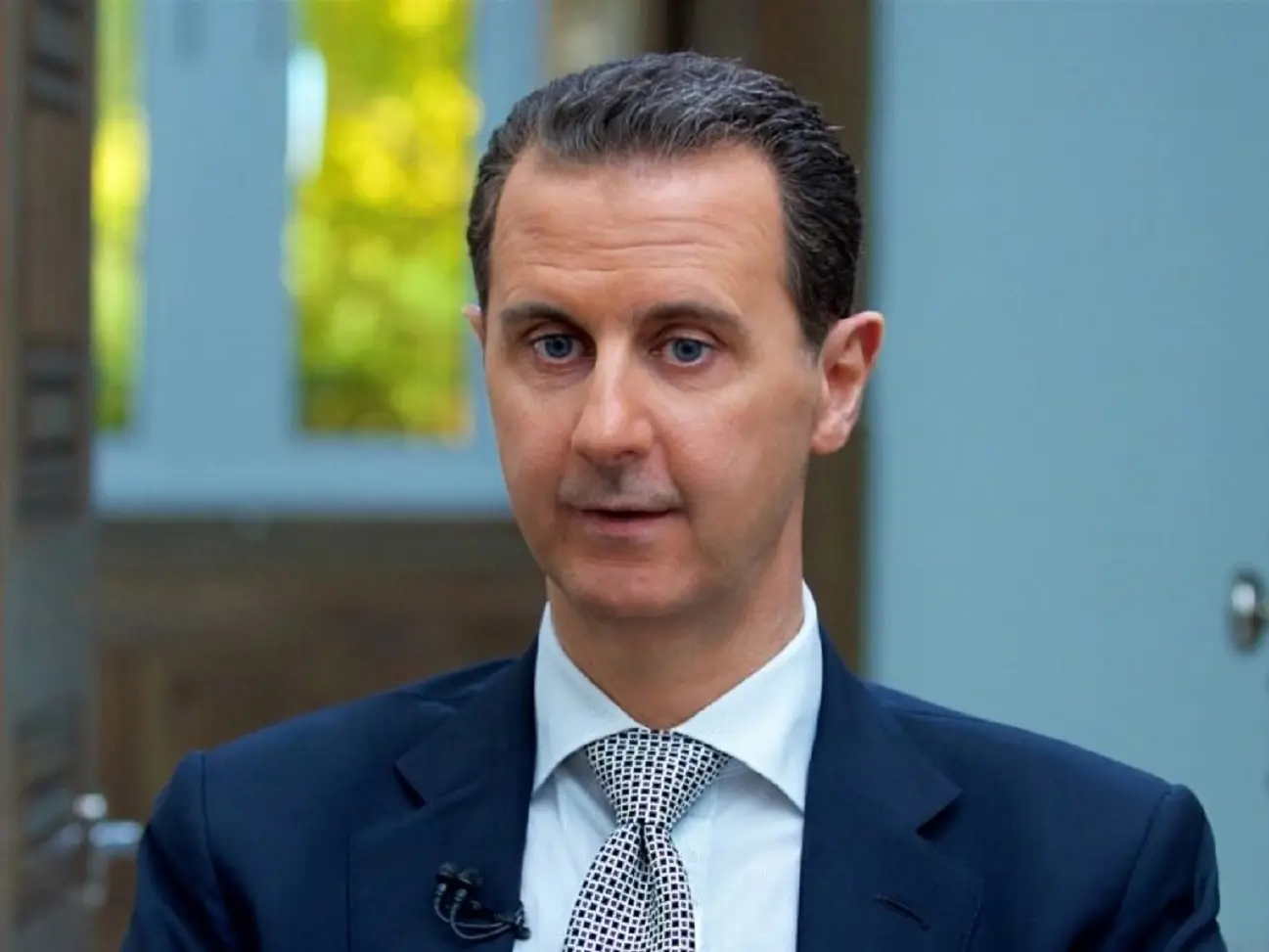
The transitional leadership in Syria has found remnants of former Syrian president Bashar al-Assad’s clandestine chemical weapons programme, including raw materials and munitions similar to those used to carry out deadly gas attacks during the country’s long-running civil war, said a Syrian official on Tuesday.
Syrian authorities have also taken into custody 18 suspects, including high-level military, political and technical officials, for their alleged involvement in Assad’s chemical weapons programme, said Mohamad Katoub, Syria’s permanent representative to the Organisation for the Prohibition of Chemical Weapons in The Hague.
The names of the suspects were not made public because the investigation was ongoing, he said, adding that several had served as major generals under the Assad regime, and at least four were on European, UK or US sanctions lists, he added.

Syria has vowed to work with the international community to rid itself of legacy weapons of mass destruction that pose a proliferation risk.
The OPCW said in a report on Tuesday that its team in Syria had visited several high-priority undeclared locations in the northern coastal and central areas with Syrian authorities. “Dozens of undeclared chemical munitions such as aerial bombs and rockets, as well as separately found chemicals and related equipment” had been discovered.
Trending Stories
)
FIFA 2026 | 'I am truly sorry': Argentina's Enzo Fernandez, who get red card in final, reacts to loss
)
'Guru is the...': Indian Education Minister Dharmendra Pradhan shares message on education amid calls for his resignation
)
FBI arrests alleged $547mn medicare fraud fugitive after 3-year global manhunt
&im=FitAndFill=(700,400))
2026 FIFA World Cup awards: Full list of Golden Boot, Golden Ball, Golden Glove and every major winner
&im=FitAndFill=(700,400))
Why US fighter jets use seamless bubble canopies compared to Russian jets
&im=FitAndFill=(700,400))
Why the F-22’s cockpit glass is thicker than a standard fighter jet
&im=FitAndFill=(700,400))
FIFA World Cup 2026 team of the tournament: The best XI that ruled football’s biggest stage
)
Sonam Wangchuk's connection with George Soros and Ford Foundation explained!
)
‘He's the architect of the genocide against Palestinians’: Mamdani repeats Netanyahu will be arrested if he visits US
&im=FitAndFill=(700,400))
World's top 7 most liveable cities in 2026 — Check where India and Pakistan stand
)
Kaylee Hottle was unconscious: Shocking details from first responders revealed after teen star's death
)
'We acted immediately...': Indian PM Modi breaks silence on paper leaks as NEET protest, calls for Education Minister's resignation grows
)
JP Nadda, Jitendra Singh meet Sonam Wangchuk at Medanta Hospital: Report
)
'Is that a back-up Trump?' Mysterious look-alike standing behind Donald Trump baffles netizens
)
'What is wrong...': Anna Hazare breaks silence on Sonam Wangchuk's protest, makes an appeal to Centre
)
‘Centre had no interest in having a debate’: LoP Rahul Gandhi demands resignation of Dharmendra Pradhan, Amit Shah
)
'Criticising him after two or three matches isn't justified': Sikandar Raza backs Vaibhav Sooryavanshi
)
'Not permitted ...': IIT Roorkee issues gag order as students' protest intensifies
&im=FitAndFill=(700,400))
New OTT releases this week (July 20-26, 2026): Musafir Cafe, Adarsh Baal Vidyalaya, 72 Hours- 5 new titles coming on Netflix, Prime Video and more
)
Is Pentagon hiding missile shortage from Trump? US officials raise alarm over Iran war readiness
)
Salman Khan breaks silence on health concerns after viral Mumbai appearance
)
'This should not happen in a democracy': Shashi Tharoor slams detention of Rahul Gandhi, Priyanka Gandhi after protest outside PM Modi's residence
)
Student union leaders call off hunger strike at Jantar Mantar after civil society appeal, but protest continues
)
UP BTech gold medalist dies by suicide after failing in nearly 50 govt job attempts, leaves note for father
)
Trump announces 200% tariff on generic drugs: Here's what it means for 'Pharmacy of the World' India
)
US-Iran war cost hits $37.5 billion as Hegseth seeks $67 billion more for Pentagon
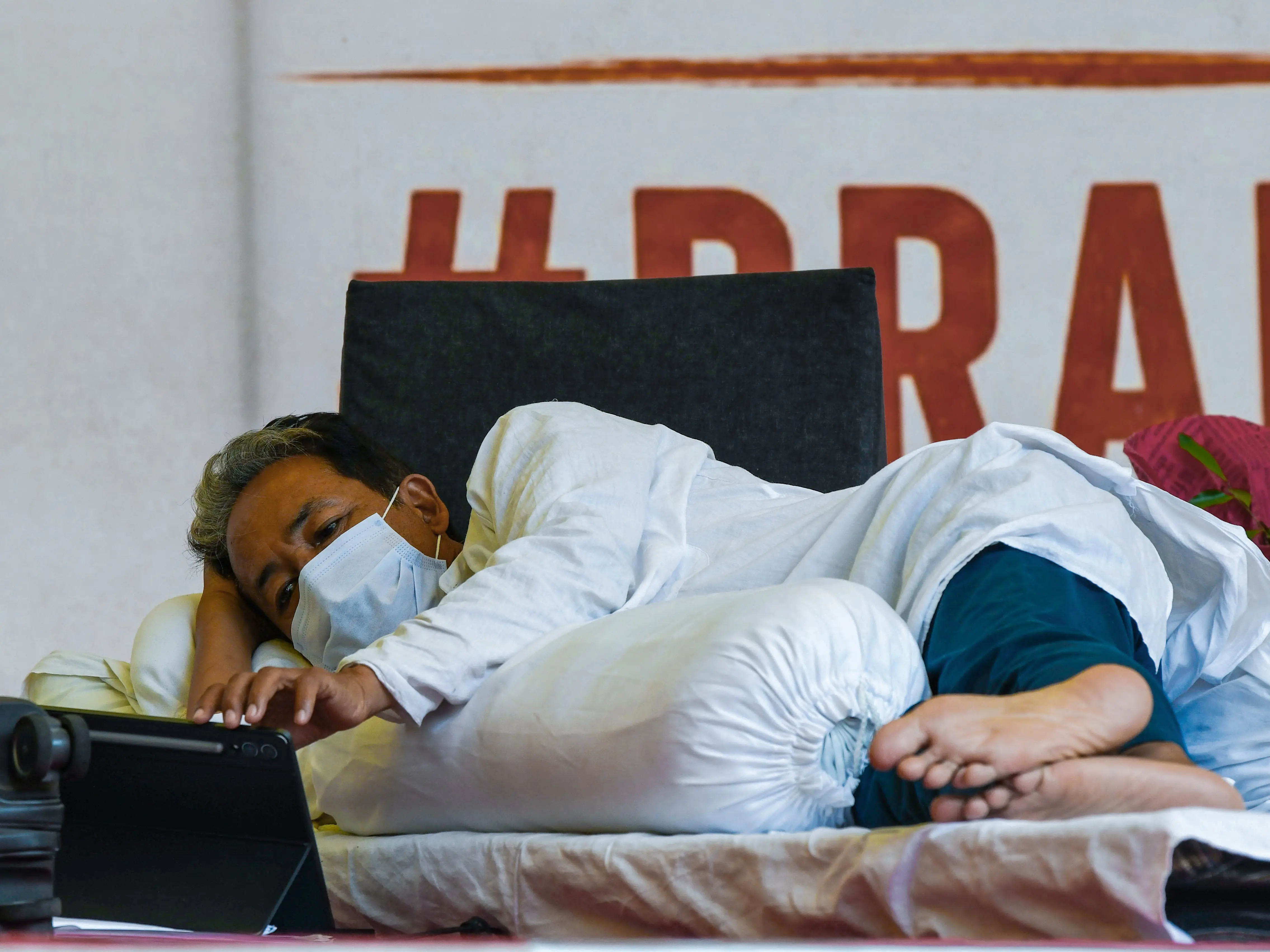)
'George Soros playbook': Understanding the foreign funding network around Sonam Wangchuk
&im=FitAndFill=(700,400))
Meet top 5 batters with most runs in India vs Zimbabwe T20Is
Syrian teams, working for months with OPCW inspectors, located more than 70 rockets and aerial bombs, as well as raw ingredients for the production of sarin, a nerve agent used by Assad’s forces in attacks that killed more than 1,300 people in the Damascus suburb of Ghouta in August 2013 and Al-Lataminah in March 2017, Katoub said.
Chemical weapon mixing and storage equipment and hexamine, a stabilisation agent known to have been used by Assad's forces in sarin production, were also found during searches at three locations.
“Despite the secrecy, the danger, and the immense security challenges ... today we delivered for the Syrian people and for the world," Katoub said. "It is the first time such munitions could be recovered before they were used in crimes against the Syrian people."
Joint investigations by the United Nations and the global chemical weapons watchdog in The Hague had previously found that sarin, as well as chlorine and sulphur mustard gas, was used repeatedly by the Assad regime. The OPCW, which oversees the international ban on toxic munitions, has said as many as 100 sites across Syria need to be inspected.
Syria signed the Chemical Weapons Convention in 2013 and declared a 1,300-tonne stockpile, but prohibited use continued. The size of the remaining programme and stockpile has remained unclear.
In March, Syria launched a plan supported by Washington to rid the Middle Eastern country of its legacy chemical weapons.