
&imwidth=800&imheight=600&format=webp&quality=medium "Indus treaty can no longer function in its current form, says India; plans 5,500 mw of new J&K hydro projects")
India has signalled that the 1960 Indus Waters Treaty, in its current form, is finished, tying any revival to a fundamental shift in Pakistan’s behaviour on cross-border terrorism.
Sources familiar with New Delhi’s position told WION that "Indus water treaty in its present form will not function again..." & that “staying in this treaty is not in India’s interest.” They described the pact as fundamentally undermined, saying: “Pakistan has breached good faith, the very foundation of the treaty has been demolished.”
India put the treaty in "abeyance" or suspension in 2025 after the Pahalgam terror attack by Pakistan trained terrorists. A return to the pre-2025 framework is now “unlikely”. Under customary international law, the use of terrorism itself constitutes a breach, the sources argued. Any future agreement, if negotiated, would reflect today’s realities: climate change, glacier retreat, shifting hydrology, rising demand, new technology, and security concerns.

The treaty, brokered by the World Bank, has long allocated the waters of the Indus system, giving Pakistan the bulk of the three western rivers (Indus, Jhelum, Chenab) while allowing India limited use of the eastern rivers (Ravi, Beas, Sutlej). But India insists the arrangement is “lopsided” and unworkable after decades of what it calls Pakistan-sponsored terrorism.
“Pakistan needs to credibly abjure its support to the cross-border issue,” the sources said. “Movement on the issue rests entirely on actions Pakistan takes.” They pointed to sanctioned individuals still appearing at public events and propagating messages inside Pakistan, adding, “no credible steps have been taken by Pakistan’s government.”
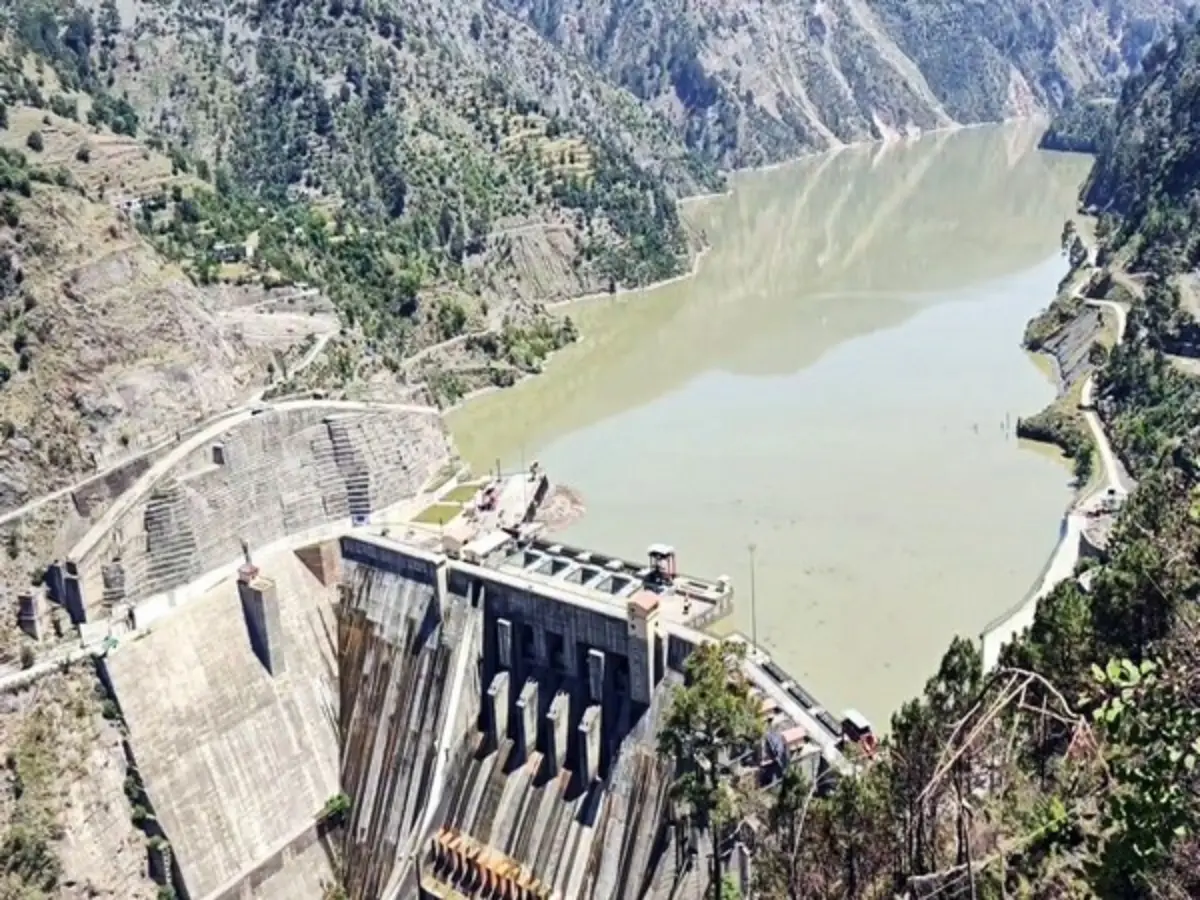
Meanwhile, India says it is pressing ahead with full utilisation of Indus waters. Two major projects, the 624 MW Kiru and 1,000 MW Pakal Dul hydroelectric plants, are due to be commissioned this year. India plans to add another 5,500 MW in Jammu and Kashmir over the coming years, including the 1,856 MW Sawalkot, 850 MW Ratle, 240 MW Uri 1&2, 260MW Dulhasti St 2 and 540 MW Kwar projects. Many of these were long opposed by Pakistan.
Trending Stories
&im=FitAndFill=(700,400))
FIFA World Cup 2026 team of the tournament: The best XI that ruled football’s biggest stage
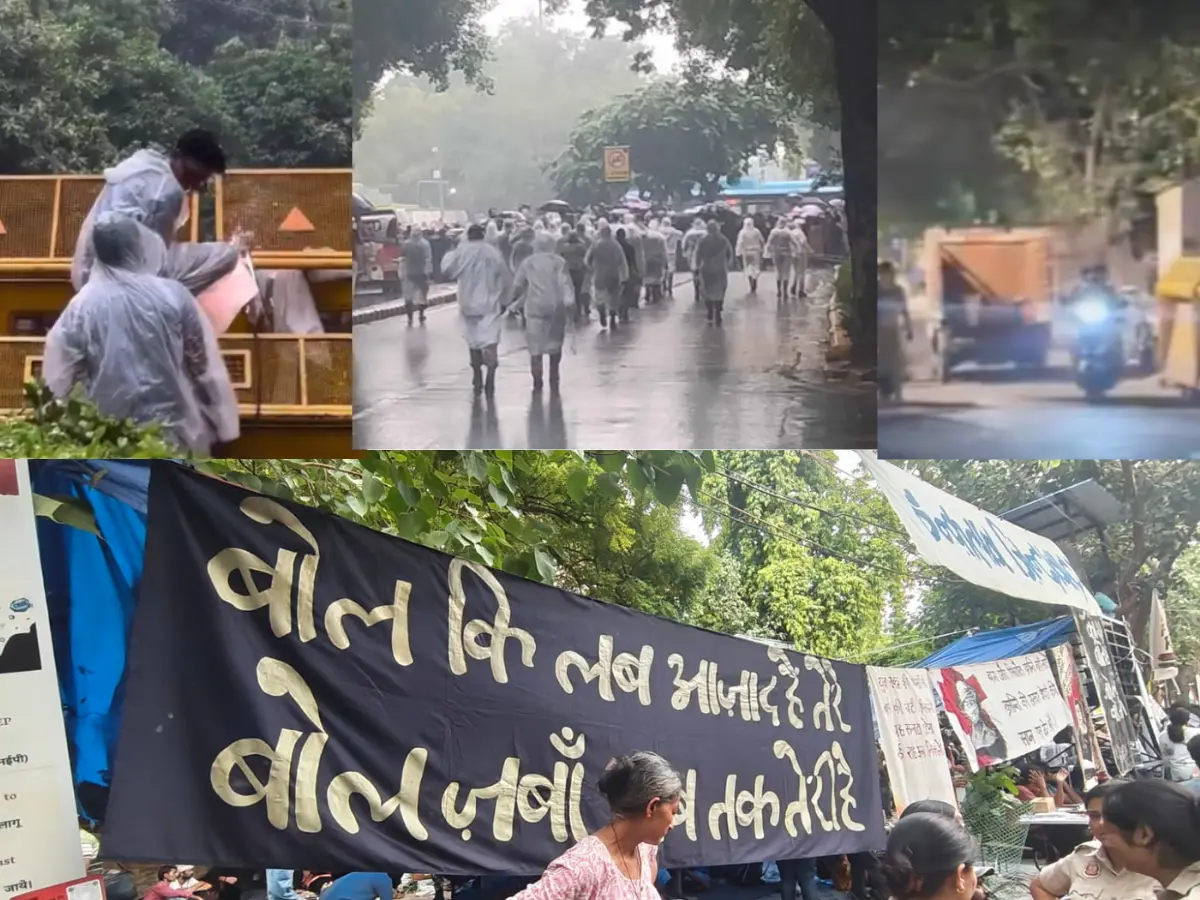)
Truck loaded with stones, metro stations closed: What's happening at Jantar Mantar now
&im=FitAndFill=(700,400))
Why US fighter jets use seamless bubble canopies compared to Russian jets
)
Jail over Khamenei post: J&K youth returns home after 3 months in Saudi custody
)
Salman Khan breaks silence on health concerns after viral Mumbai appearance
)
FACT CHECK: Was Abhijit Dipke detained during CJP's Parliament march? Here's what police say
)
'We acted immediately...': Indian PM Modi breaks silence on paper leaks as NEET protest, calls for Education Minister's resignation grows
&im=FitAndFill=(700,400))
New OTT releases this week (July 20-26, 2026): Musafir Cafe, Adarsh Baal Vidyalaya, 72 Hours- 5 new titles coming on Netflix, Prime Video and more
)
Explained: Why Rodri won the FIFA World Cup Golden Ball over Lionel Messi
)
Student union leaders call off hunger strike at Jantar Mantar after civil society appeal, but protest continues
&im=FitAndFill=(700,400))
Why the S-400 uses solid rocket fuel instead of liquid fuel
&im=FitAndFill=(700,400))
2026 FIFA World Cup awards: Full list of Golden Boot, Golden Ball, Golden Glove and every major winner
)
'Guru is the...': Indian Education Minister Dharmendra Pradhan shares message on education amid calls for his resignation
)
Xi Jinping's new AI bloc: China launches 'World AI Body' with Pakistan and Russia in, India out
)
Lip reader reveals what Donald Trump told every Spain and Argentina player after FIFA World Cup final during medal ceremony
)
Japan is selling a refrigerator to cool the human body for Rs 9 lakh. It is already a hit in Tokyo
)
Sonam Wangchuk's connection with George Soros and Ford Foundation explained!
)
Indus treaty can no longer function in its current form, says India; plans 5,500 mw of new J&K hydro projects
)
UP BTech gold medalist dies by suicide after failing in nearly 50 govt job attempts, leaves note for father
)
'George Soros playbook': Understanding the foreign funding network around Sonam Wangchuk
)
'What is wrong...': Anna Hazare breaks silence on Sonam Wangchuk's protest, makes an appeal to Centre
&im=FitAndFill=(700,400))
Why the F-22’s cockpit glass is thicker than a standard fighter jet
)
'Now come to us': CJP resumes protest after Parliament march violence, calls meeting with Nadda 'waste of time'
)
'There is no need for...': PM Modi takes a veiled dig at Rahul Gandhi, sends big message amid Parliament March
“India has given information about over 70 projects, all have been objected to by Pakistan, from Baglihar to Tulbul,” sources noted. In 2023, India sought renegotiation but Pakistan evaded substantive talks.
The sources contrasted India’s approach with Pakistan’s record. “More water from the Indus system is lost on the surface in Pakistan than India’s entire share,” they pointed out. Pakistan has built no major new storage in decades, wastes around 50% of its water, and remains riven by inter-provincial disputes. The long-proposed Kalabagh Dam remains stalled amid opposition from Sindh and Khyber Pakhtunkhwa. Mangla Dam has already lost 12% of its capacity to sedimentation.
Pakistan has initiated arbitration, but Indian officials insist the Court of Arbitration route is “illegal” while the treaty is in abeyance. Asked if India will share flood data, sources pointed that that will continue to happen, just like last year through the Indian high commission in Islamabad.
