'No escape possible': How USS Abraham Lincoln and USS Gerald R. Ford can attack if war breaks out?

The US ordered the world's largest aircraft carrier, the USS Gerald R. Ford, to the Middle East to join the USS Abraham Lincoln. The USS Gerald R. Ford and USS Abraham Lincoln bring over 150 aircraft. Armed with F-35C fighters, EA-18G, and Tomahawk missiles,
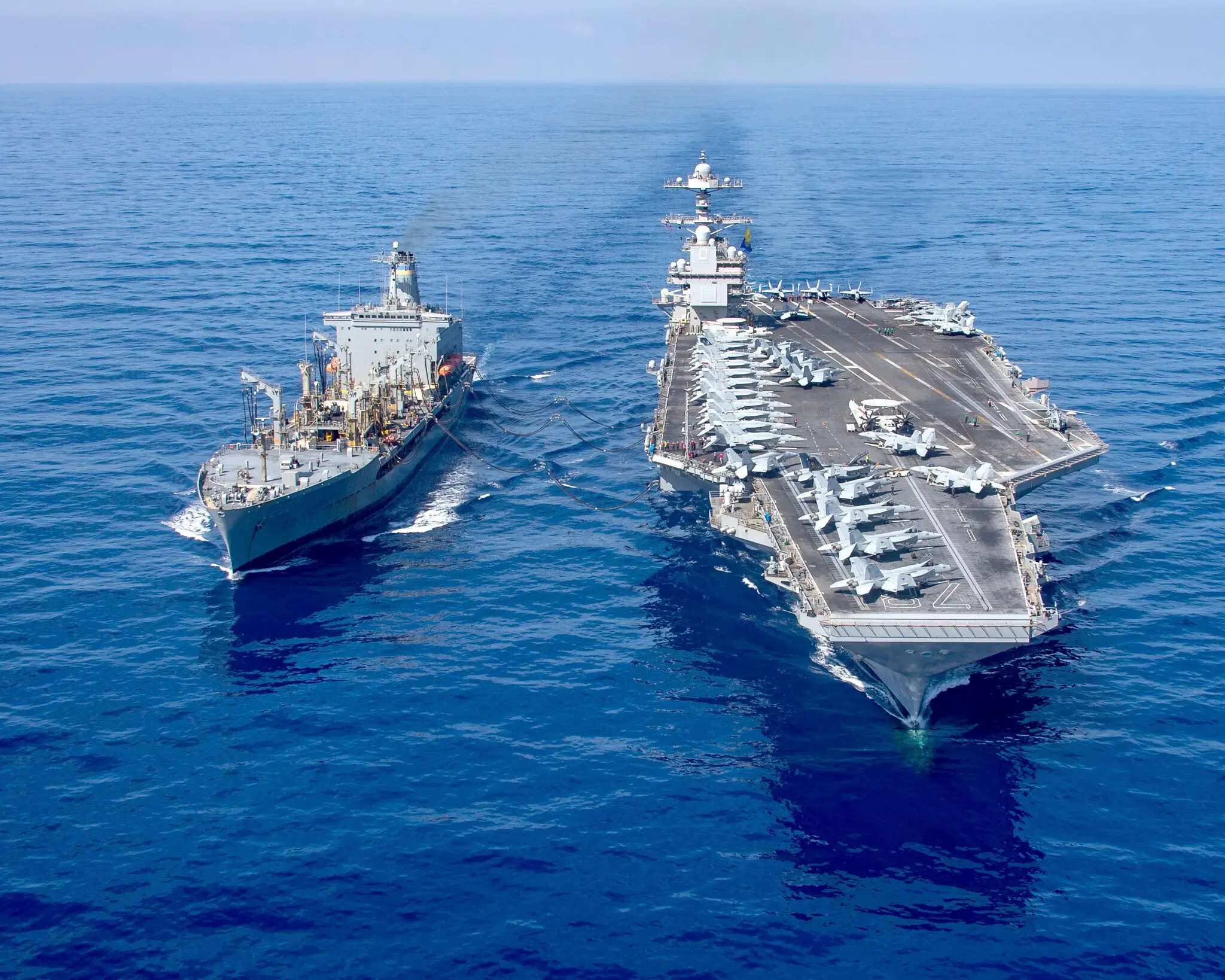
Combined firepower of 150+ aircraft
With the USS Gerald R. Ford joining the USS Abraham Lincoln, the US Navy now has two carrier strike groups in the Middle East. Together, they can deploy over 150 combat aircraft, doubling the daily strike capacity against hostile targets.
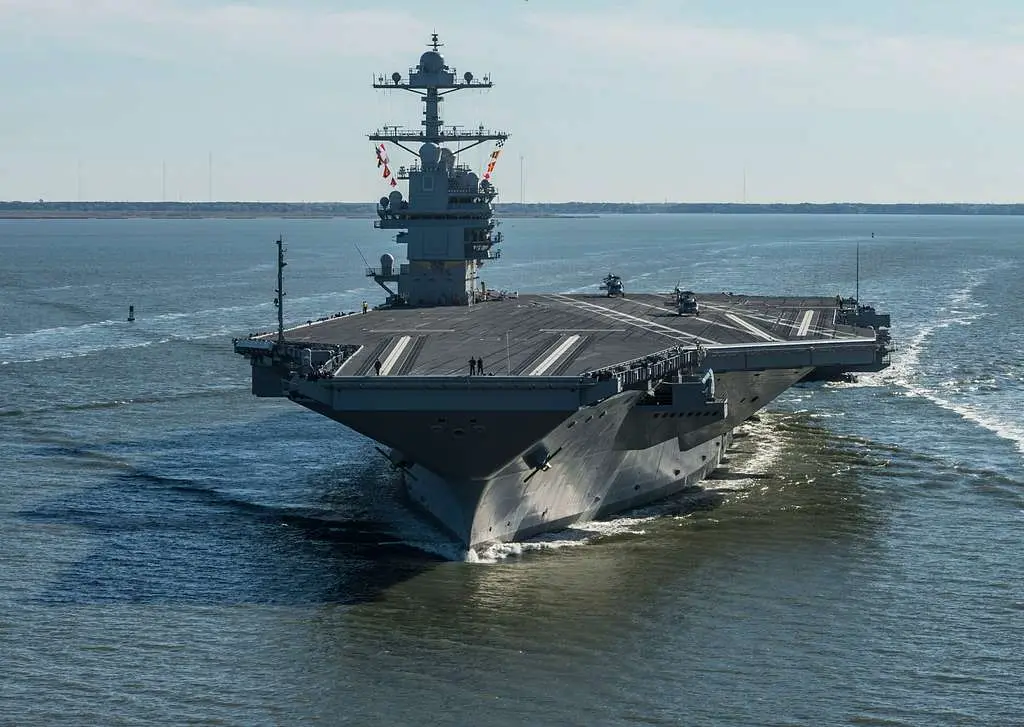
160 sorties per day
The USS Gerald R. Ford uses the Electromagnetic Aircraft Launch System (EMALS) instead of traditional steam catapults. Official US Navy data shows this allows the carrier to launch 160 sorties a day, a 33 per cent increase over older ships.
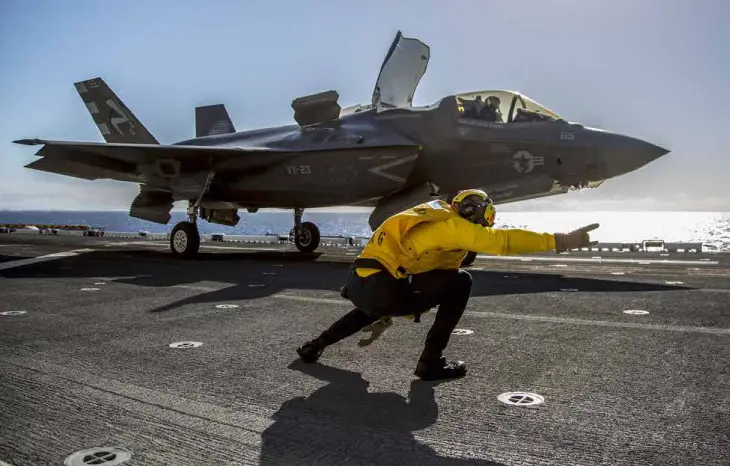
F-35C Lightning II fighters
Both carriers are equipped to launch the F-35C, the world's only long-range stealth strike fighter built for carrier operations. These jets can penetrate advanced enemy air defences undetected to strike high-value military sites.
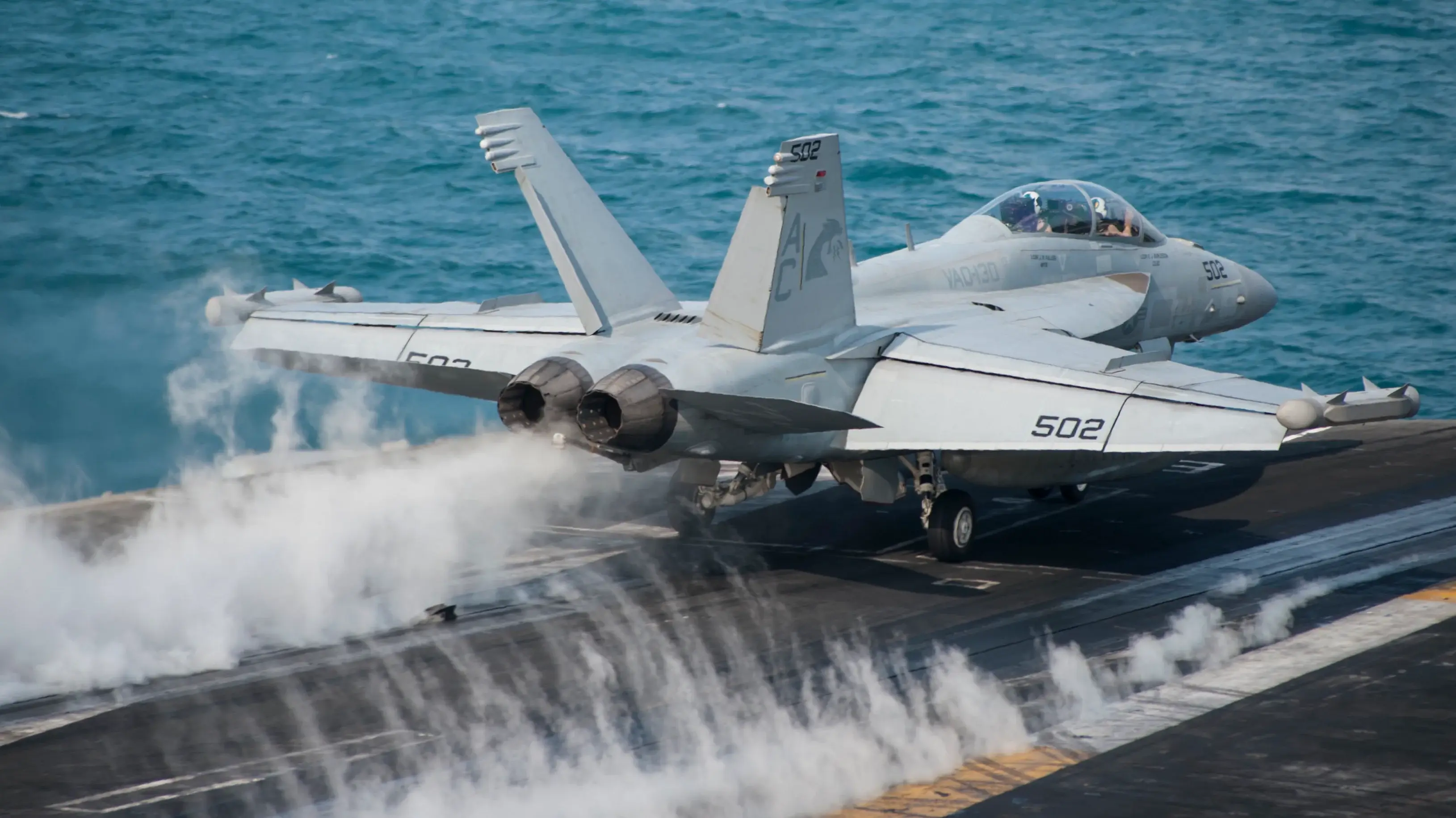
EA-18G Growler electronic attack
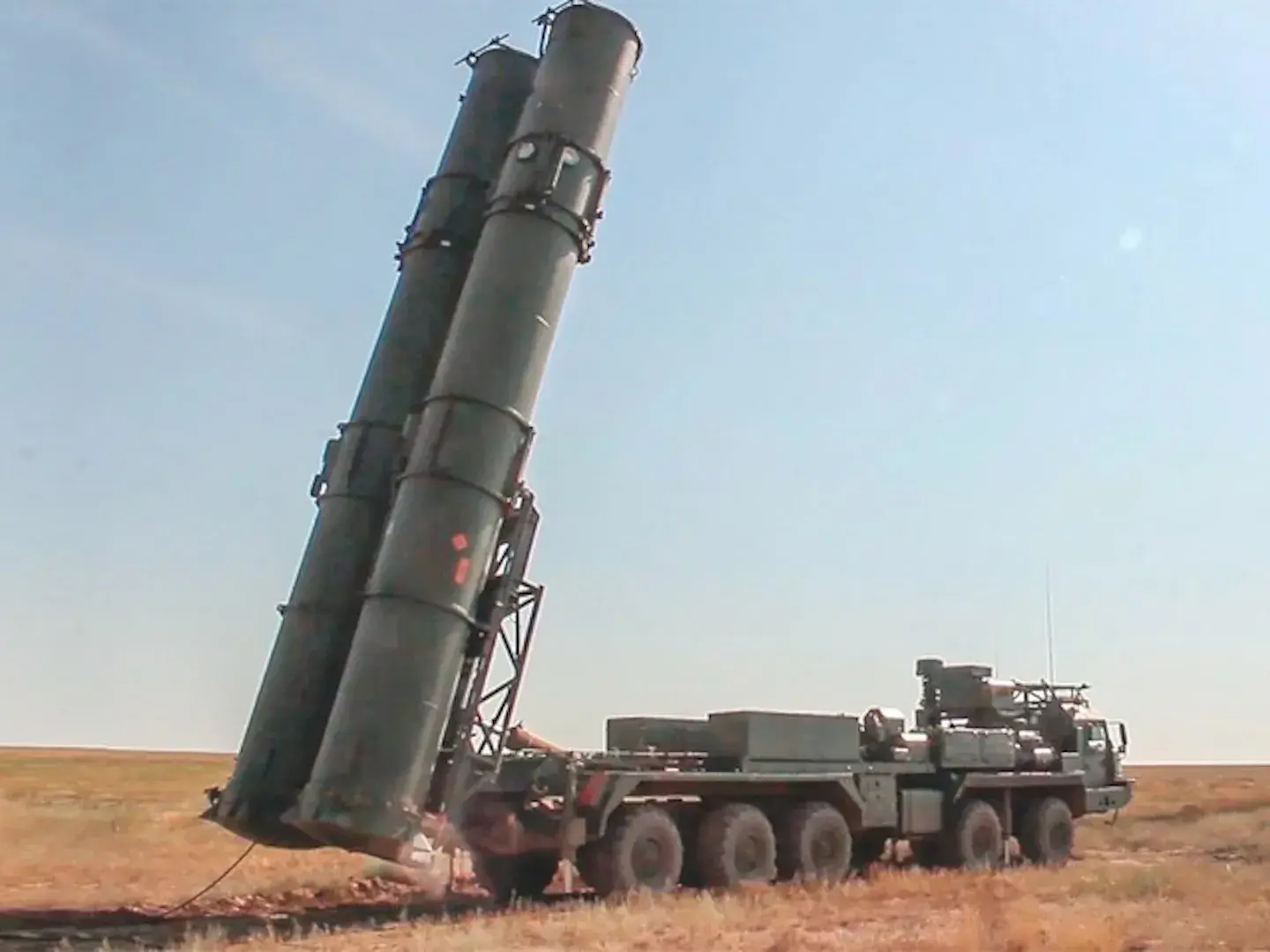
Before dropping bombs, the air wings deploy EA-18G Growlers to jam enemy frequencies. By disabling radar systems like Iran's Bavar-373, these electronic warfare jets ensure that US strike fighters can operate safely in hostile airspace.
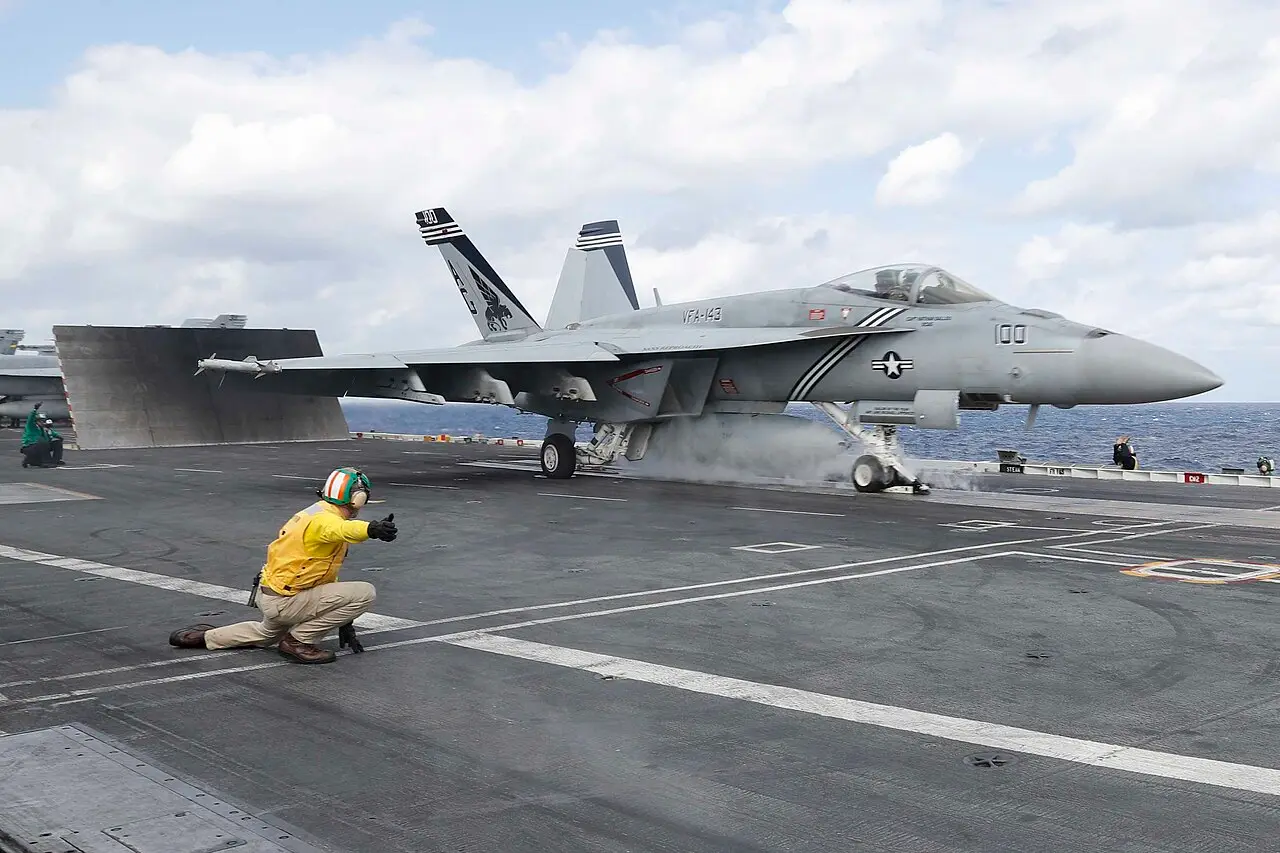
F/A-18E/F Super Hornets
Once air defences are blinded, the F/A-18 Super Hornets move in. Serving as the fleet's primary attack aircraft, they carry massive payloads of laser-guided munitions and bunker-buster bombs to destroy hardened underground facilities.
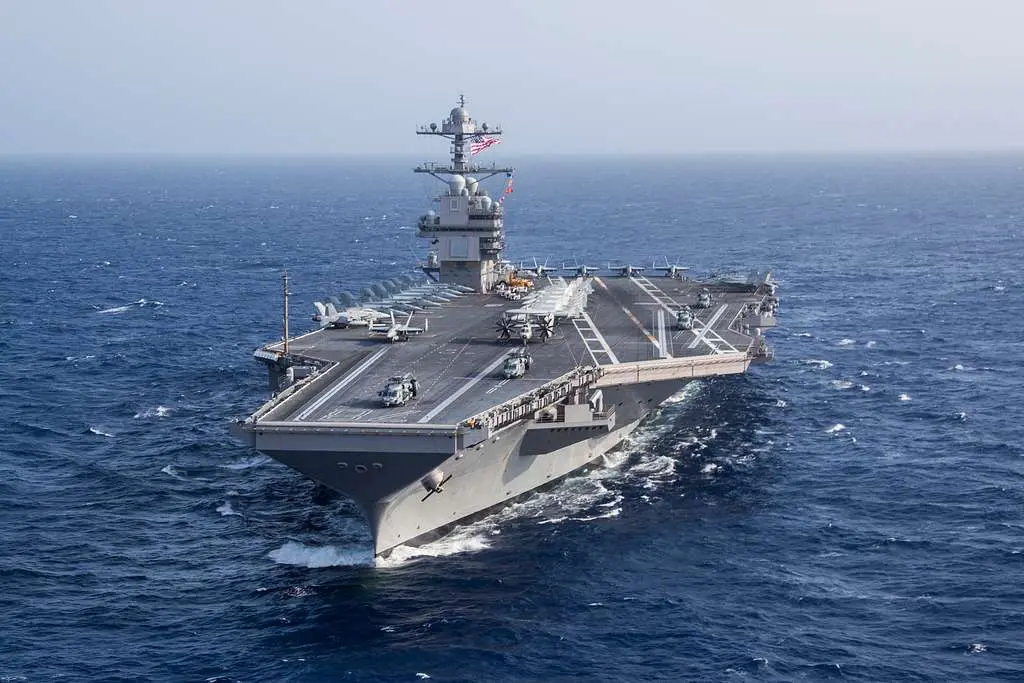
Guided-missile destroyers
The carriers do not fight alone; they are escorted by Arleigh Burke-class destroyers. These warships carry Tomahawk Land Attack Missiles, which can hit strategic targets over 1,600 kilometres away without risking pilot lives.
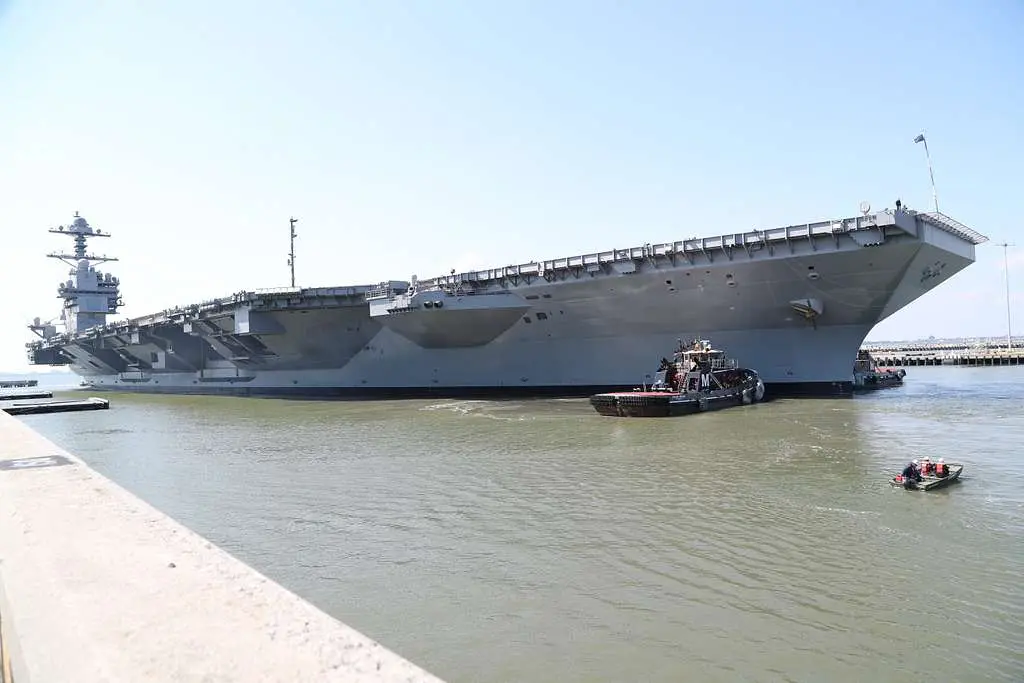
Powered by nuclear reactors
Both the Ford and Lincoln are powered by dual nuclear reactors, giving them unlimited range. This allows the strike group to remain at sea indefinitely, sustaining a relentless, round-the-clock aerial siege until the mission is complete.
)
)
)
)
)