'Eyes before weapons': How the S-400's radar network works

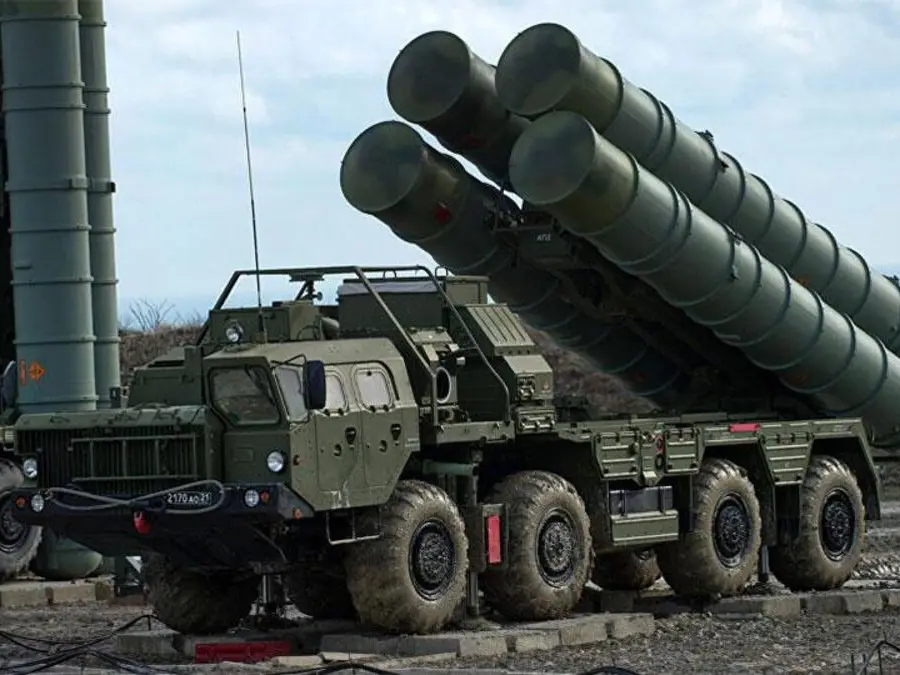
The S-400 Triumf uses an advanced radar network to track 300 targets up to 600 km away. By integrating the 91N6E Big Bird, 96L6E all-altitude radar, and Nebo-M stealth detection, its 92N6E engagement radar can simultaneously guide 72 missiles.
The 600-Kilometre Shield
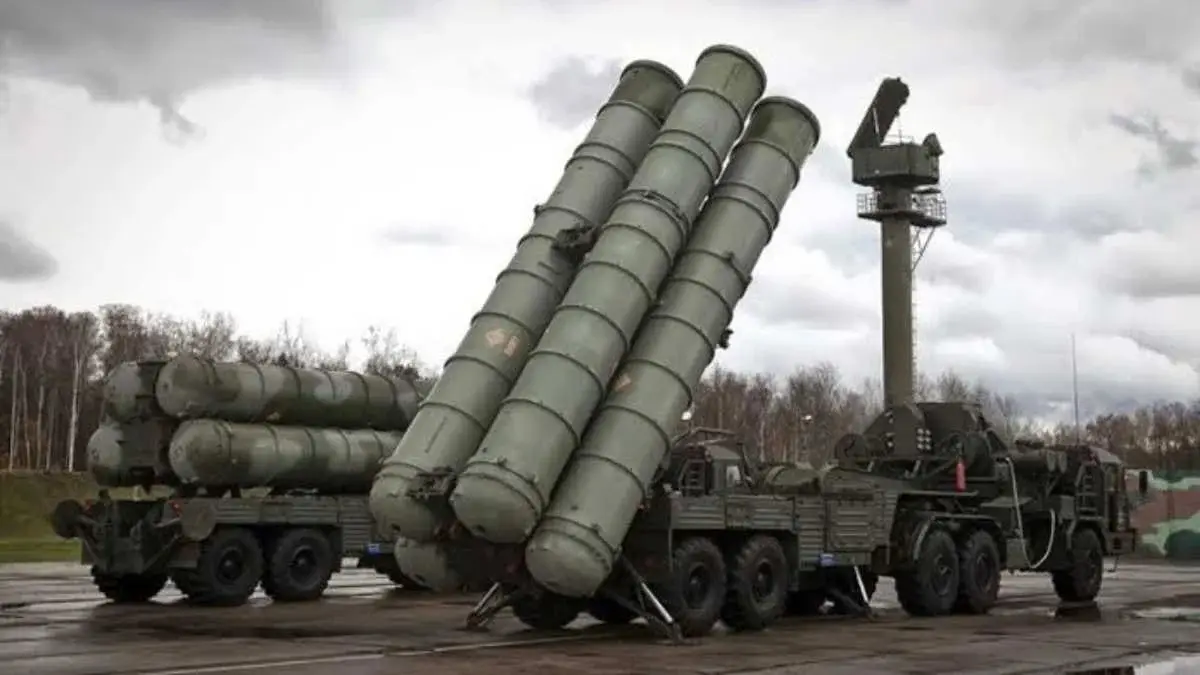
The S-400 Triumf relies on an intricate web of advanced radars to see threats long before firing a single missile. This multi-layered sensor network creates an impenetrable 600-kilometre surveillance bubble that tracks aircraft, drones, and ballistic missiles.
The Big Bird Radar
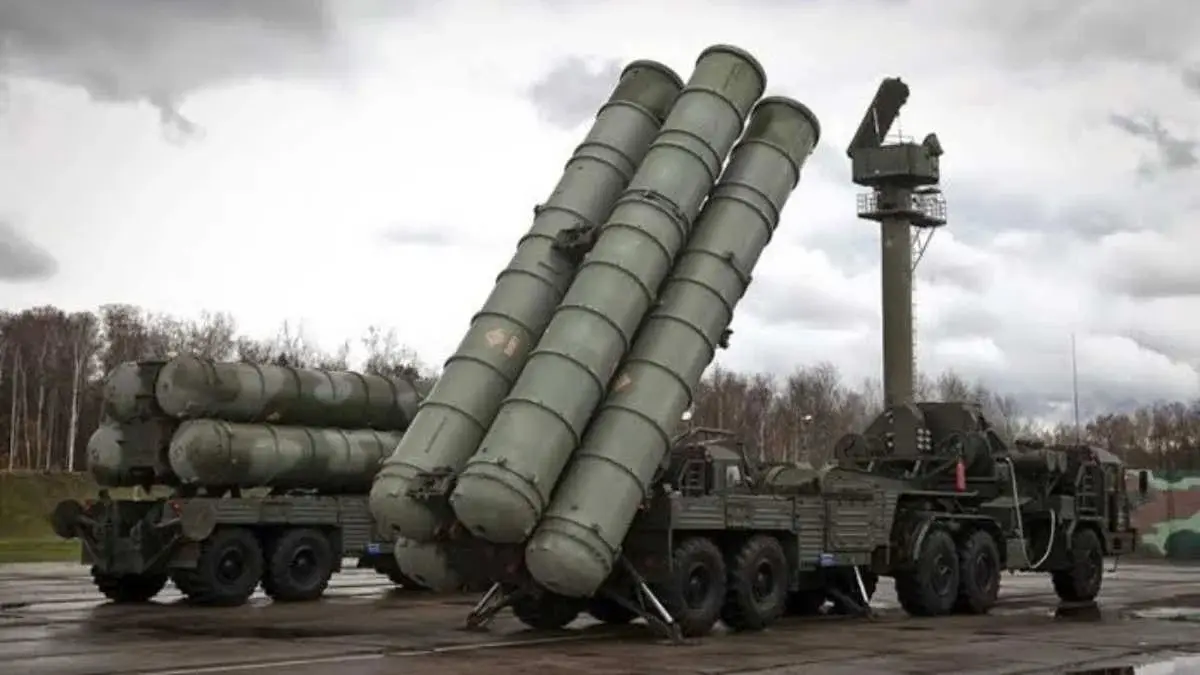
At the heart of the system is the massive 91N6E panoramic detection radar, widely known by its NATO designation ‘Big Bird’. According to Russian military specifications, this powerful sensor continuously scans the skies and simultaneously tracks up to 300 distinct aerial targets.
The Digital Brain
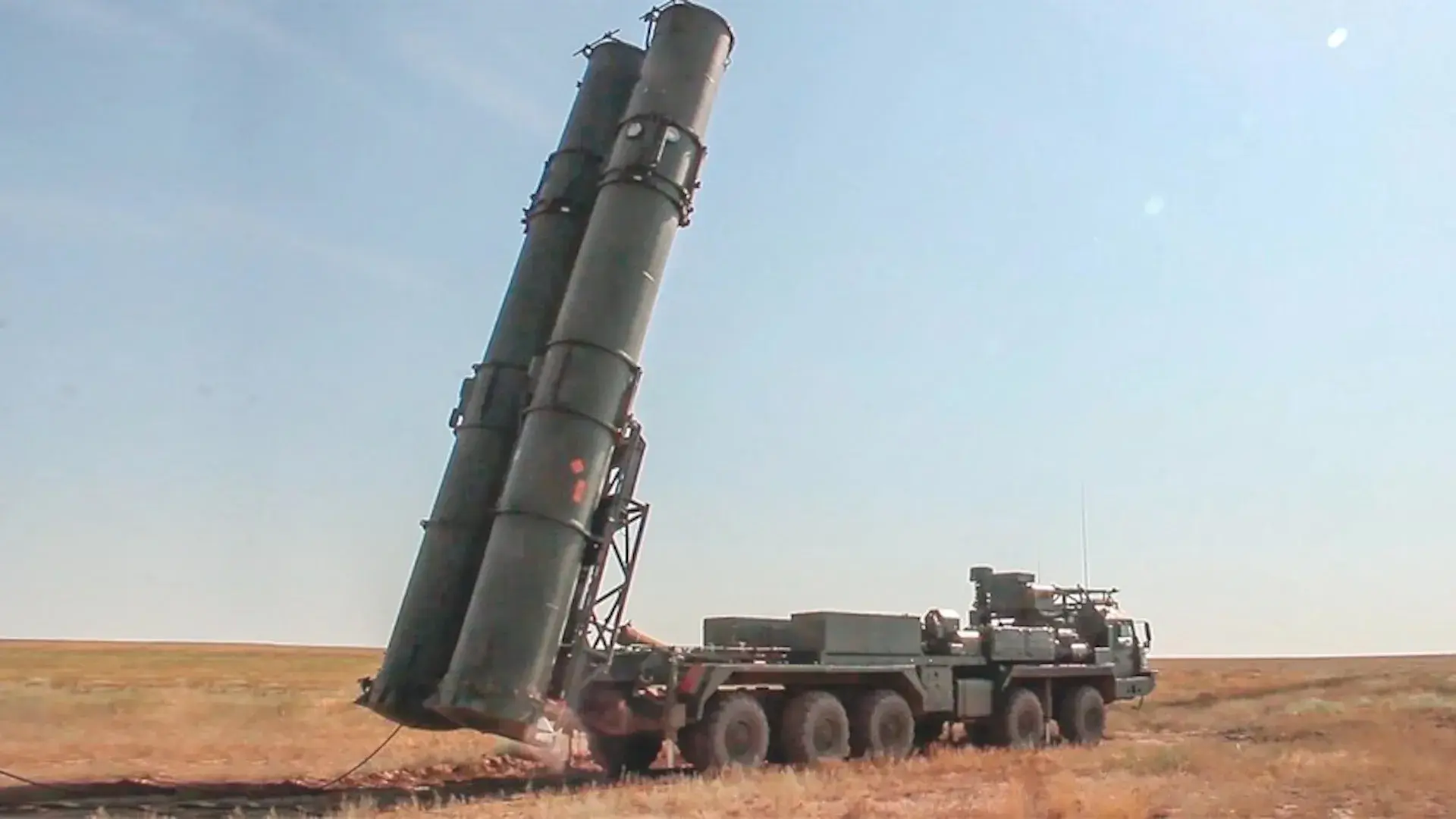
Raw data from the primary radar is instantly transmitted to the highly secure 55K6E mobile command post. Acting as the network's digital brain, it rapidly processes the telemetry, prioritises the most dangerous threats, and assigns them to specific missile batteries.
Hunting Cruise Missiles
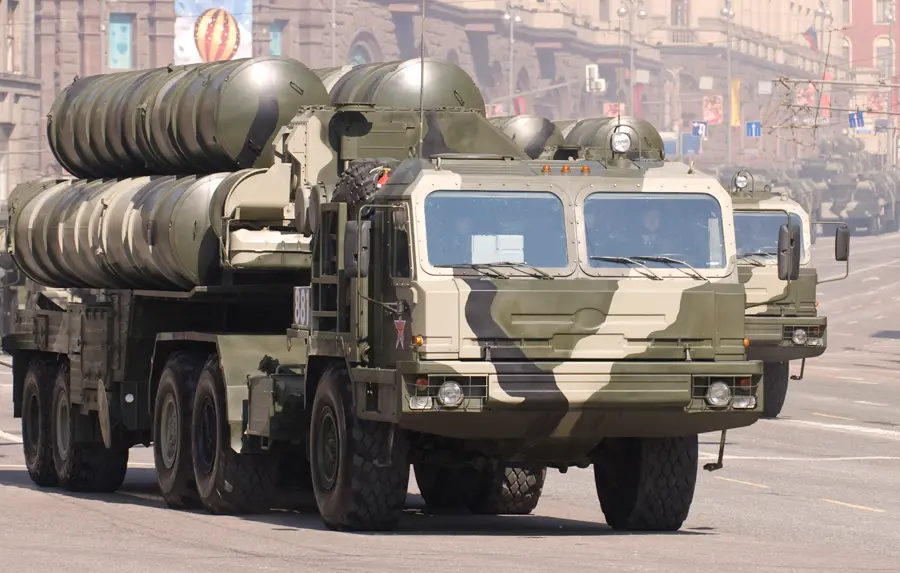
To prevent threats from sneaking underneath the primary surveillance umbrella, the system often deploys the 96L6E all-altitude radar. This specialised sensor is specifically engineered to detect terrain-hugging cruise missiles and low-flying drones up to 300 kilometres away.
Exposing Stealth Fighters
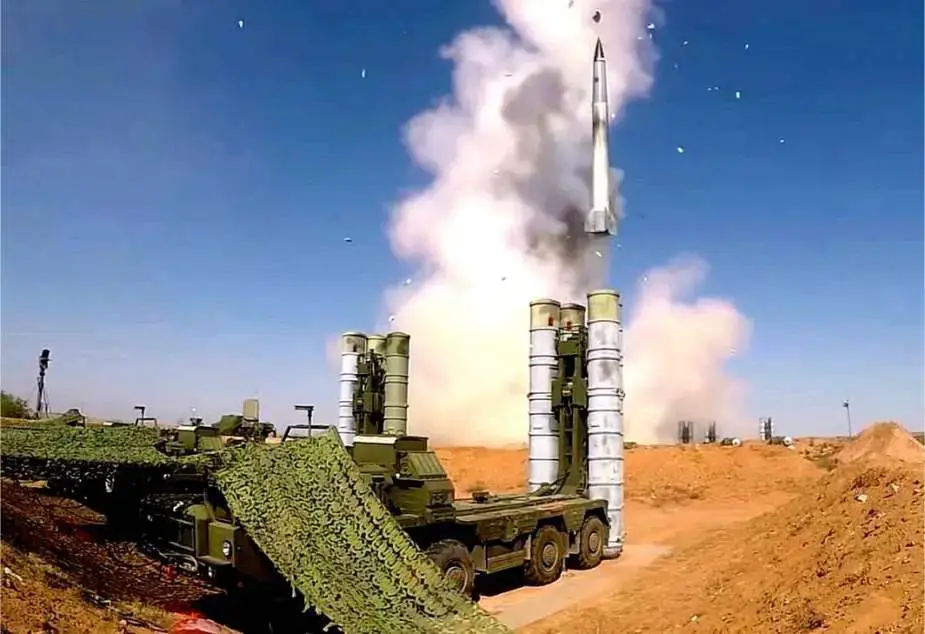
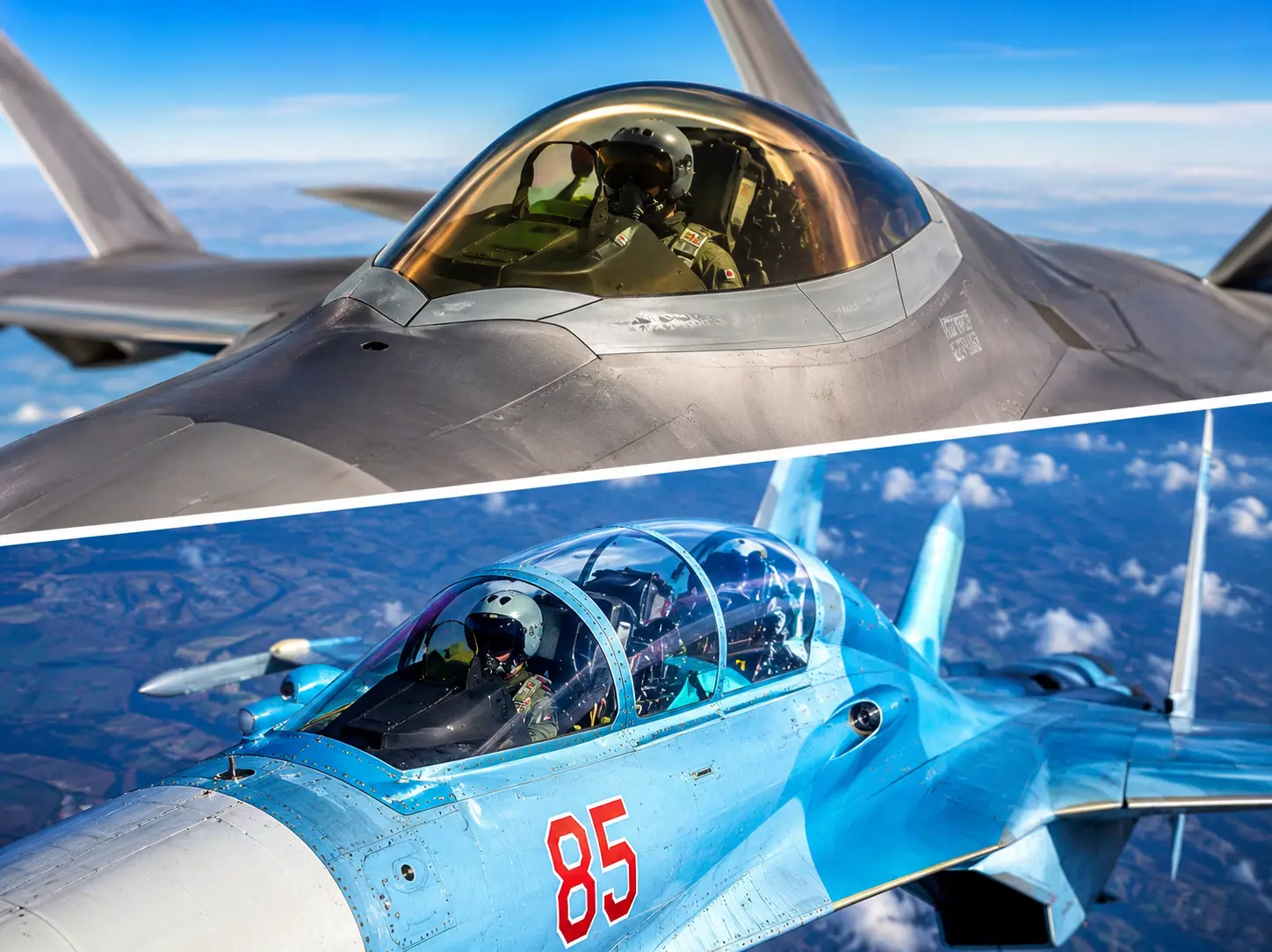
When facing advanced fifth-generation fighters, the S-400 integrates the highly complex Nebo-M multi-band radar network. By simultaneously broadcasting across VHF, L-band, and X-band frequencies, it severely degrades modern radar-absorbent coatings to successfully expose stealth aircraft.
The Grave Stone
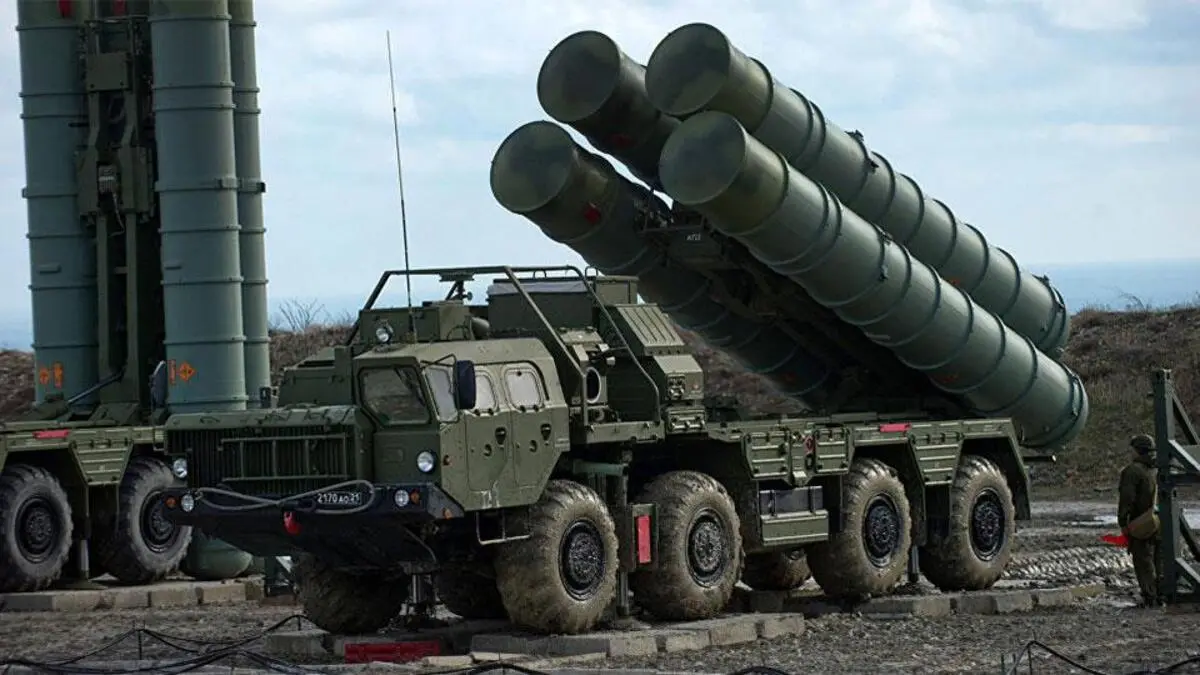
Once a threat is prioritised, the 92N6E ‘Grave Stone’ multi-function engagement radar officially takes over the kill chain. Operating in the high-resolution X-band, it provides the ultra-precise terminal targeting data required to guide interceptor missiles directly into their targets.
Simultaneous Engagements
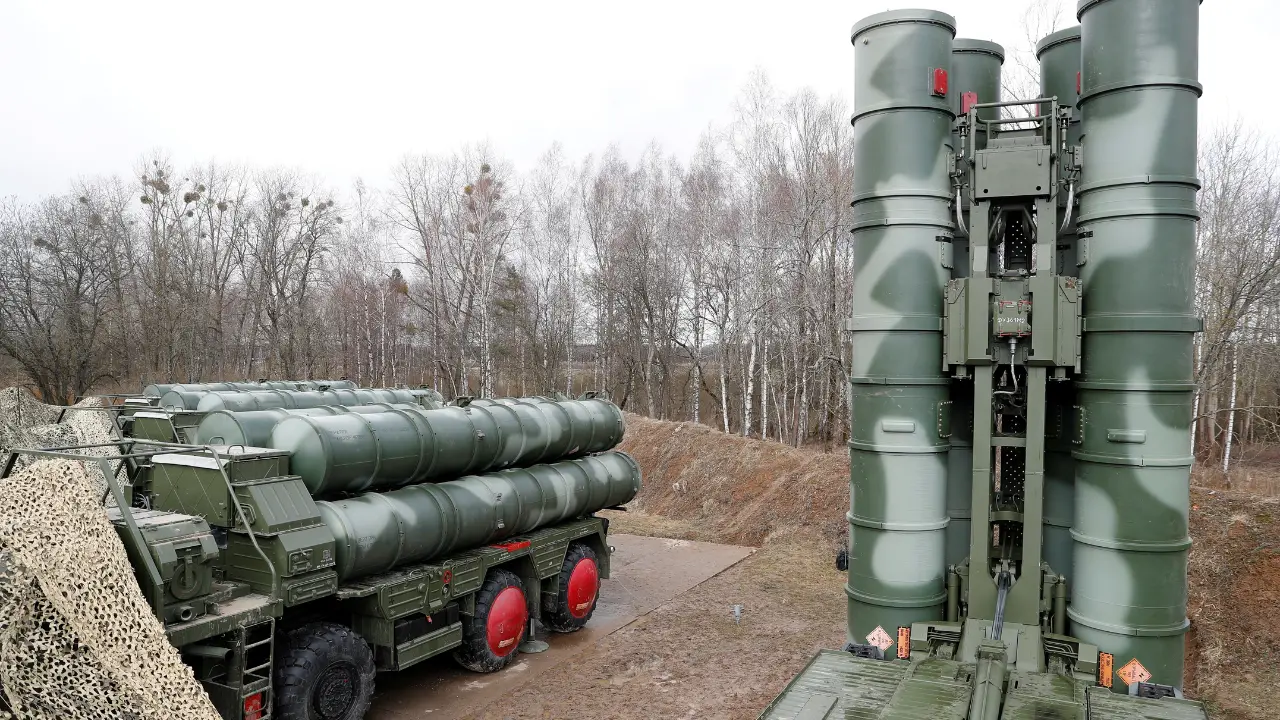
This seamlessly integrated web of sensors allows the S-400 to execute massive, highly coordinated counter-attacks in heavily jammed environments. Working perfectly in unison, the radar network can simultaneously lock onto 36 different targets and precisely guide 72 missiles to intercept them.
)
)
)
)
)