‘US vs Iran’: Why Arab states are terrified and how US strike on Iran could destabilise the Middle East

Arab Gulf states, including Saudi Arabia and Qatar, are actively lobbying the US against attacking Iran, fearing catastrophic economic and security consequences. Gulf nations fear that a war would trigger devastating retaliation against local US bases and disrupt global oil supplies.
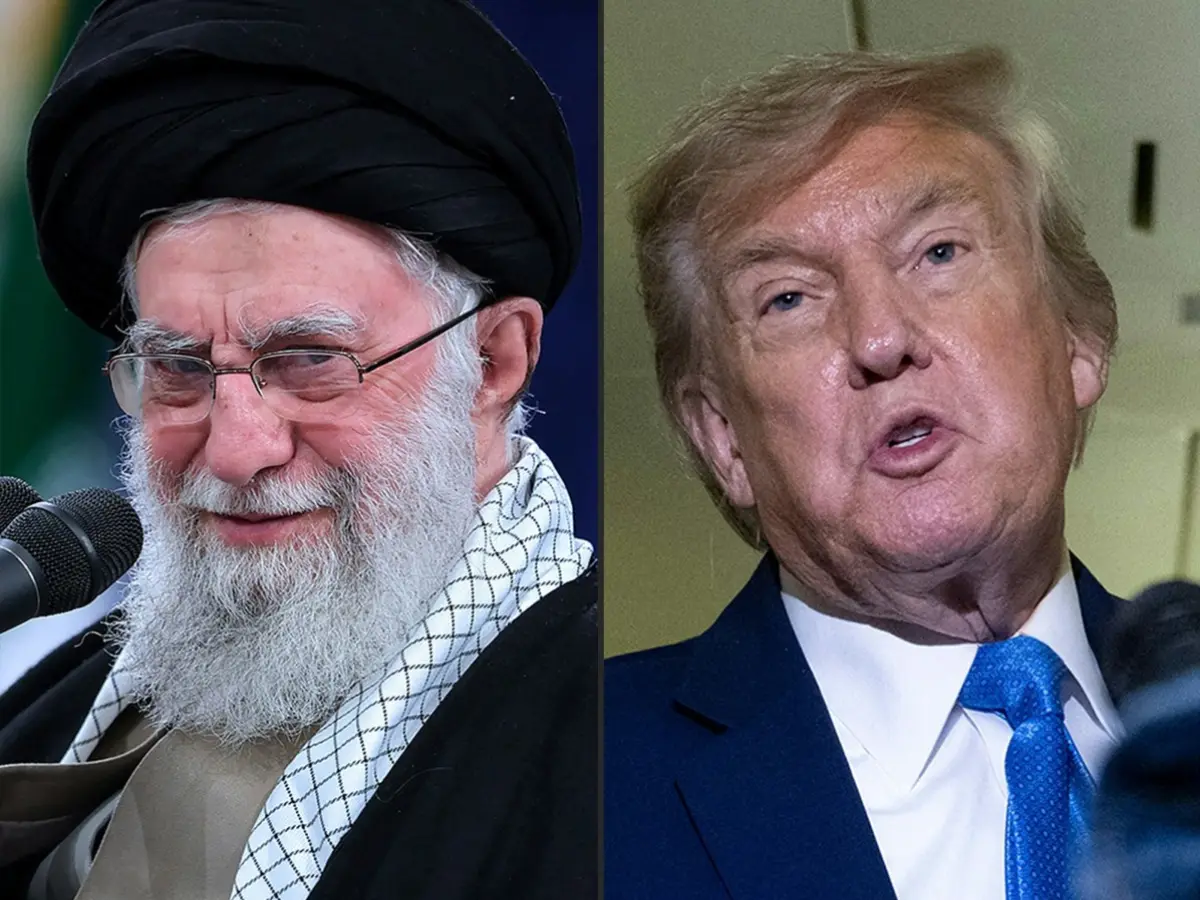
Fear of direct retaliation
If the US strikes, Iran has explicitly warned that it will retaliate against American military bases hosted in the region. Gulf states worry their territories will become the primary battlegrounds in a war they desperately want to avoid.
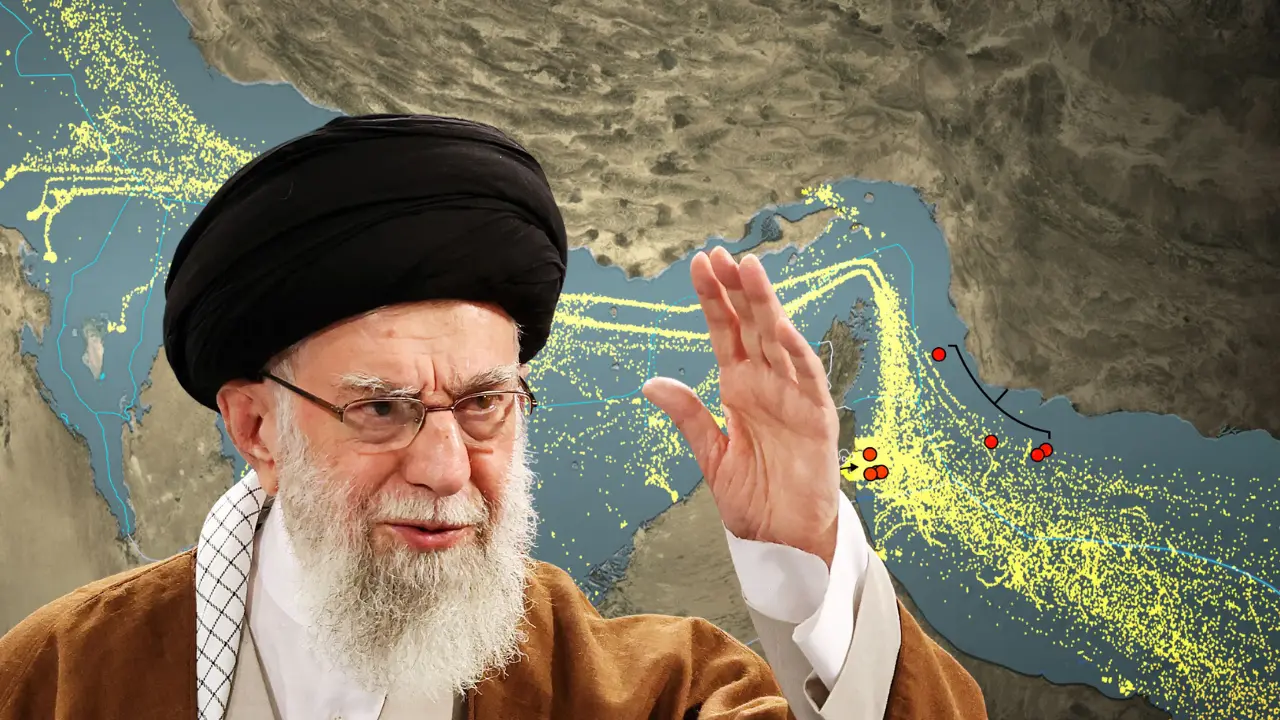
Protecting the global oil supply
Roughly 20 per cent of the world's oil passes through the Strait of Hormuz. Any military confrontation could prompt Tehran to close this vital chokepoint, devastating Gulf economies and sending global energy prices soaring.
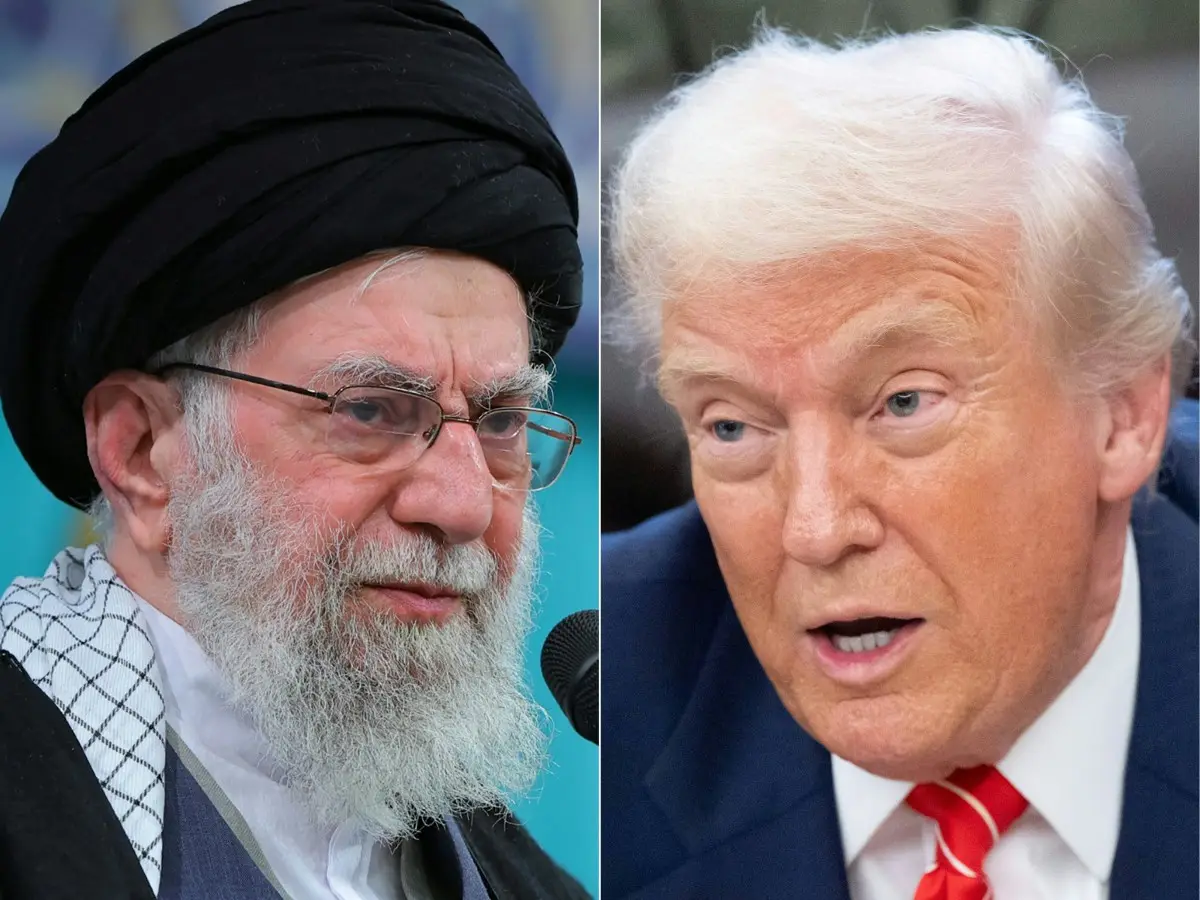
The threat of regional chaos
Arab leaders fear that toppling the Iranian regime would not bring peace, but rather catastrophic instability. A collapsed Iranian state could trigger a massive civil war, breeding radical armed groups and creating a dangerous power vacuum.
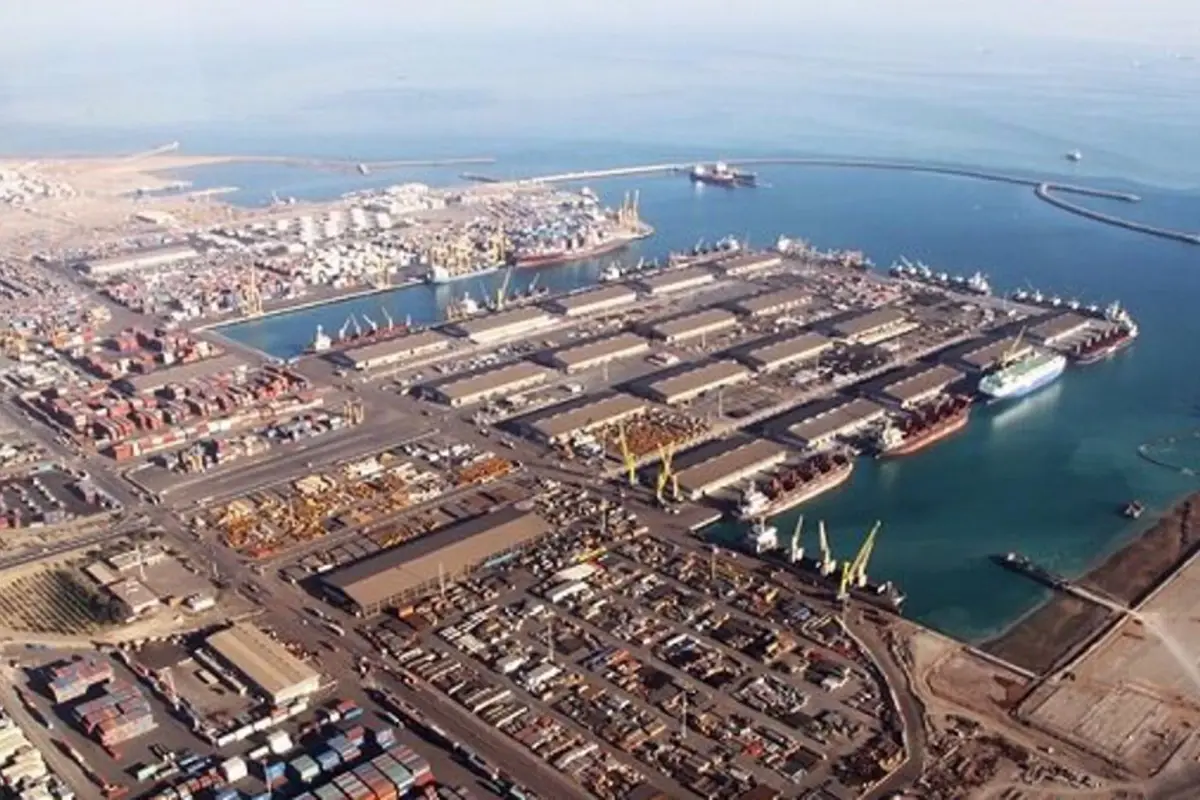
A devastating refugee crisis
The Iranian port of Bandar Abbas is just a short boat ride from Dubai. A devastating war or regime collapse in Tehran could force thousands of displaced refugees to flee across the Persian Gulf into neighbouring Arab nations.
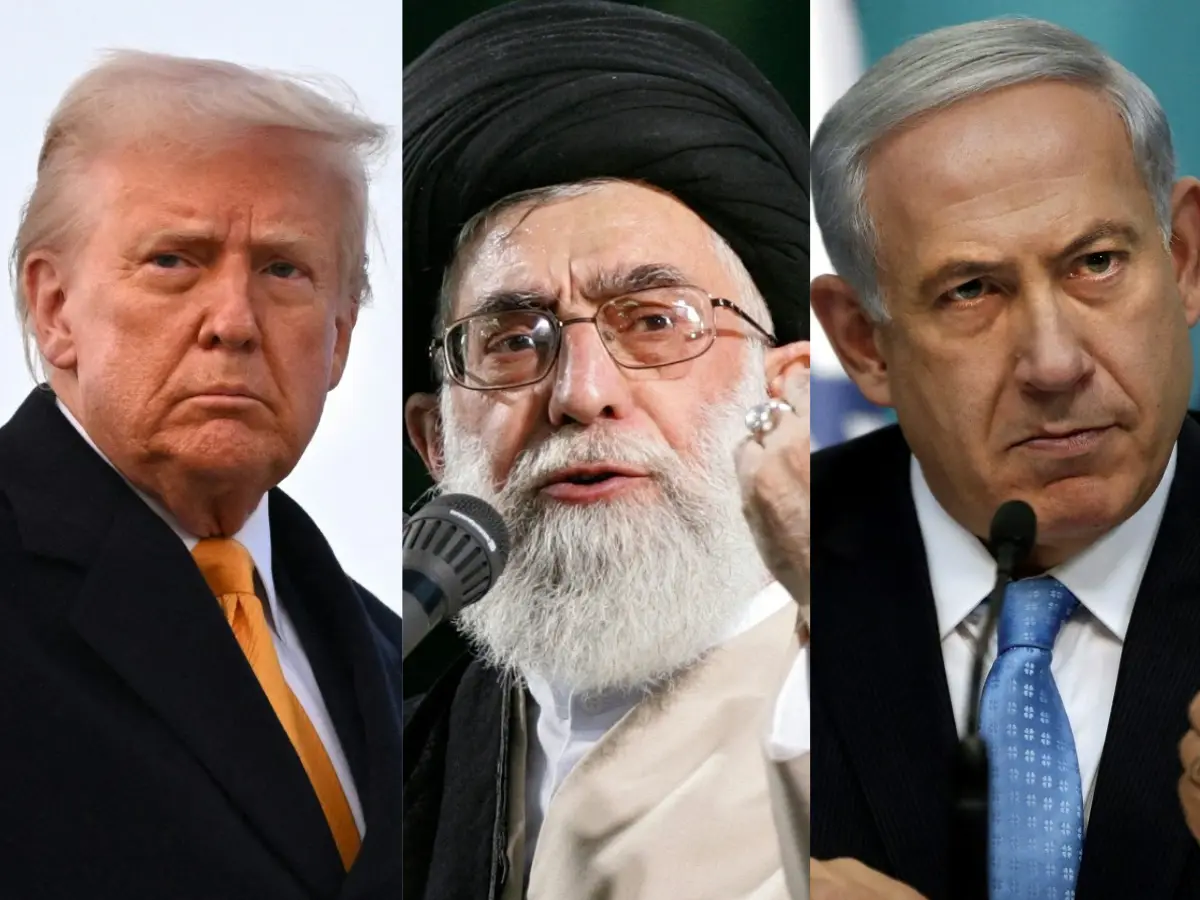
Fear of Israeli expansionism
With Iran severely weakened, Arab states view the geopolitical map differently. Many regional leaders worry that completely removing Iran from the equation would leave Israel with unchecked regional hegemony and no strategic counterbalance.
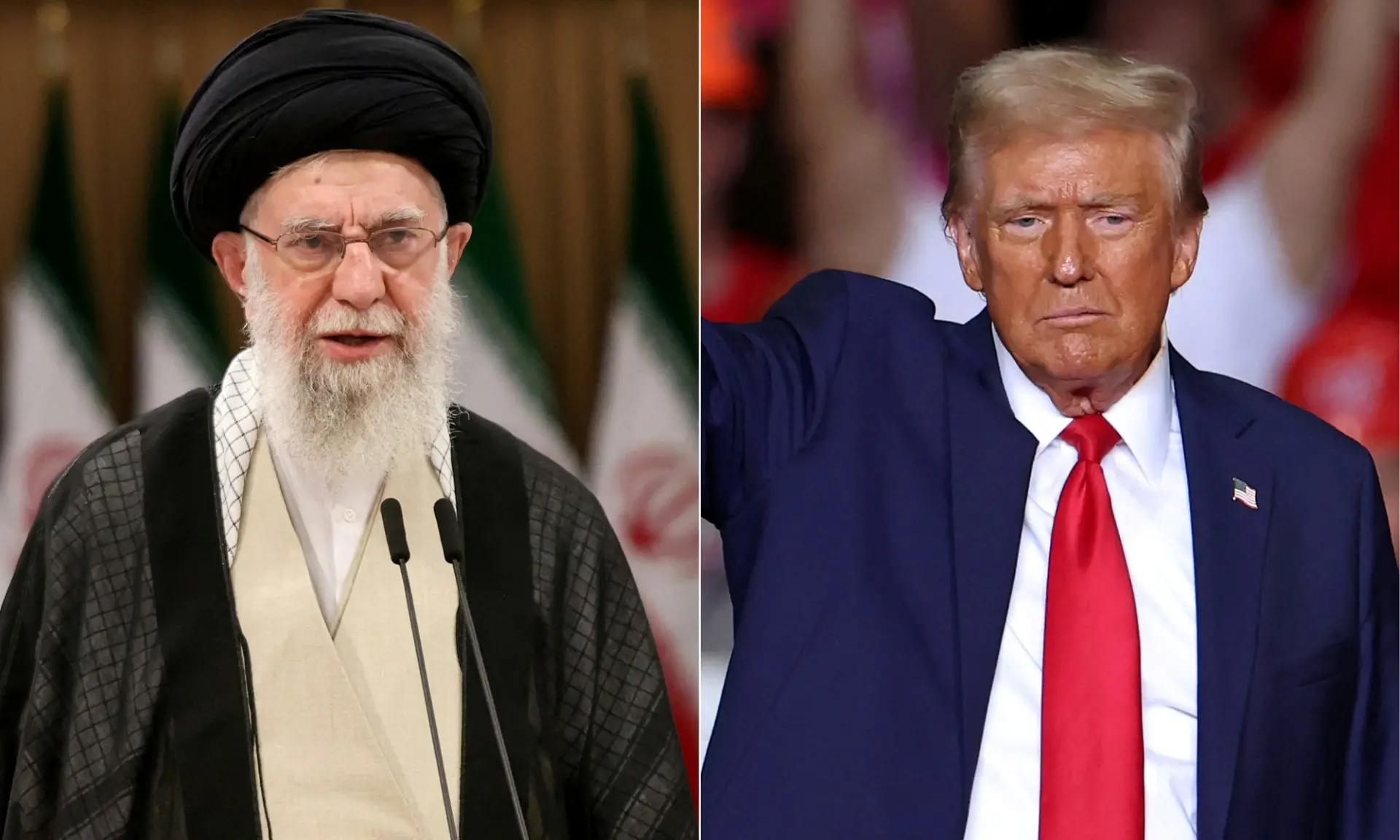
Diplomatic lobbying in Washington
Rather than supporting a US strike, Saudi Arabia, Oman, Qatar, and Egypt have engaged in intense back-channel diplomacy. They are urging the American administration to pursue negotiations and avoid any kinetic military action.
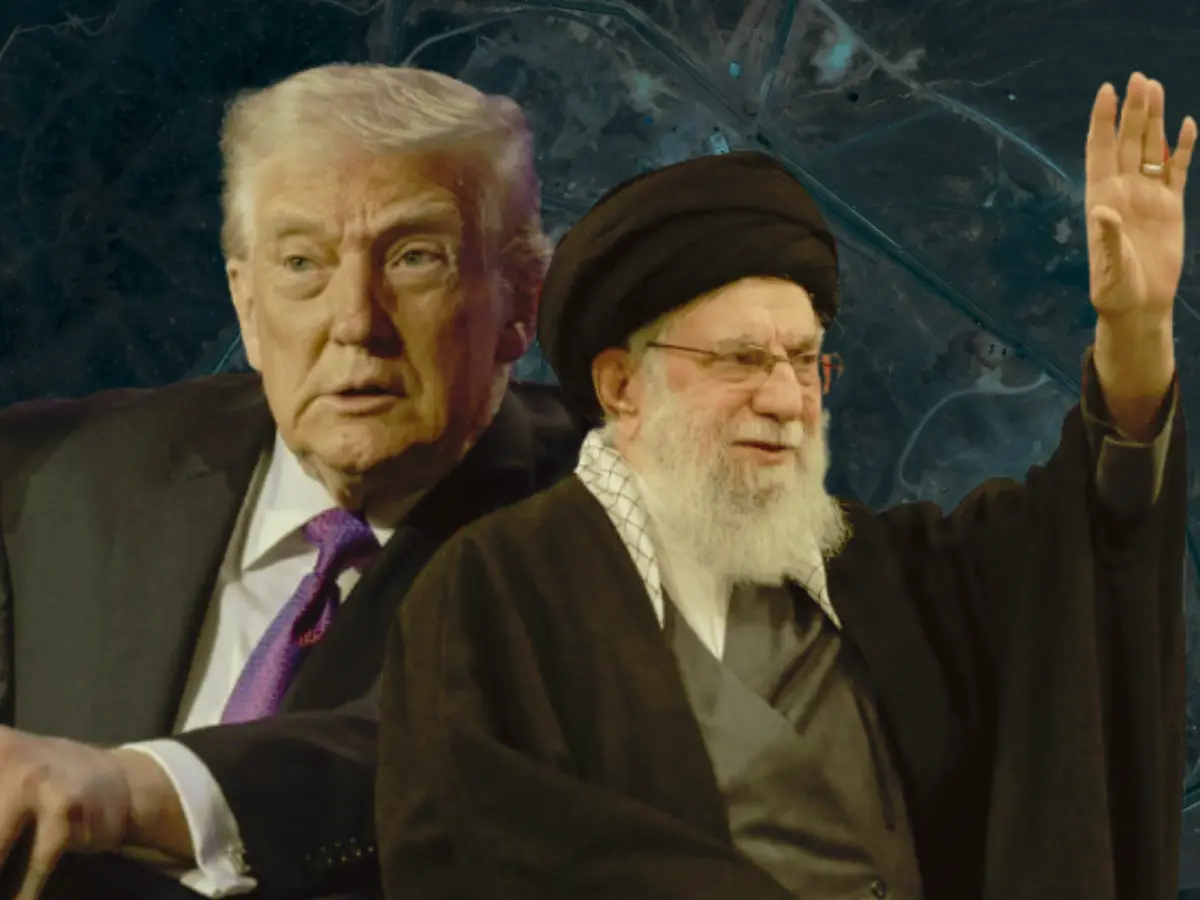
Refusing airspace access
To distance themselves from the conflict, nations like Saudi Arabia and the UAE have reportedly informed Tehran that they will not participate in a US attack. They have explicitly refused to allow any forces to use their airspace.
)
)
)
)
)