Could mosquitoes disappear from parts of America within a decade?

Google-backed Verily plans to release millions of Wolbachia-infected mosquitoes in California and Florida to curb disease spread, raising questions about whether targeted mosquito populations could dramatically decline over the next decade.

Why Google wants to release millions of mosquitoes
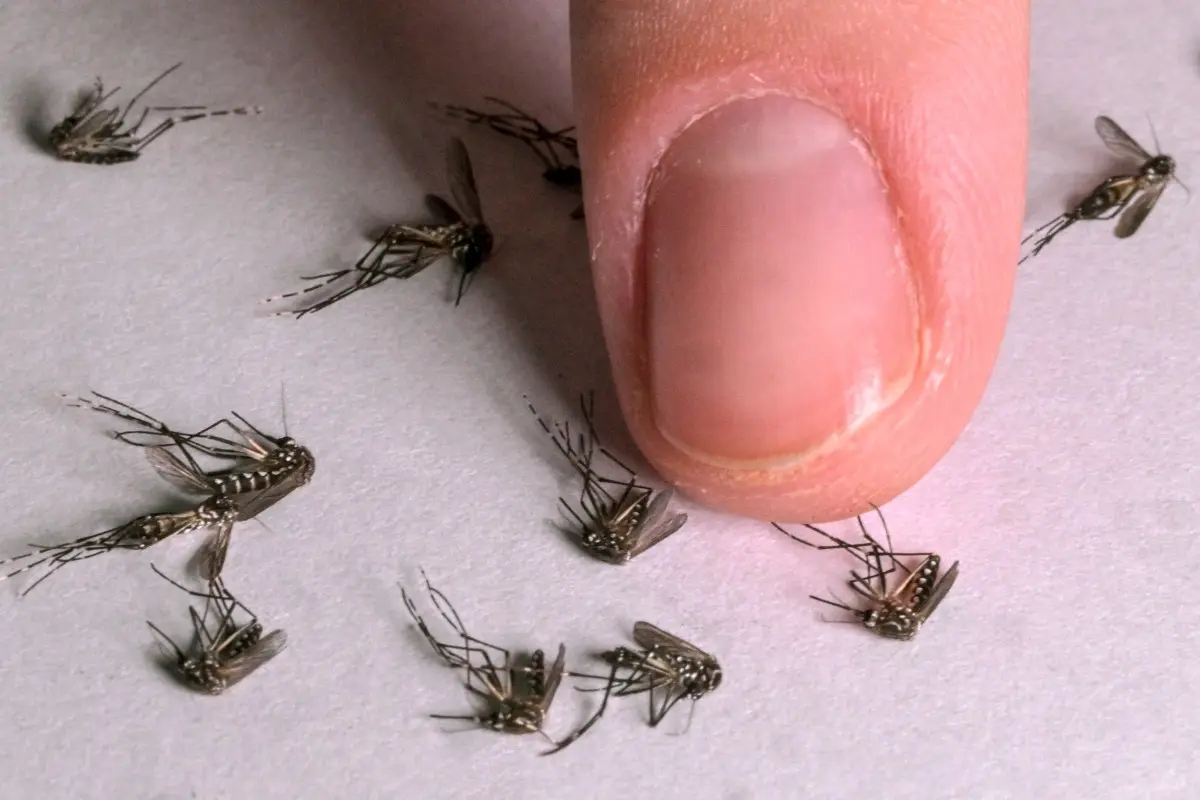
Google-backed biotech company Verily has proposed releasing up to 32 million specially treated male mosquitoes in parts of California and Florida. The goal is not to increase mosquito numbers but to reduce populations that spread diseases such as dengue, Zika and West Nile virus.
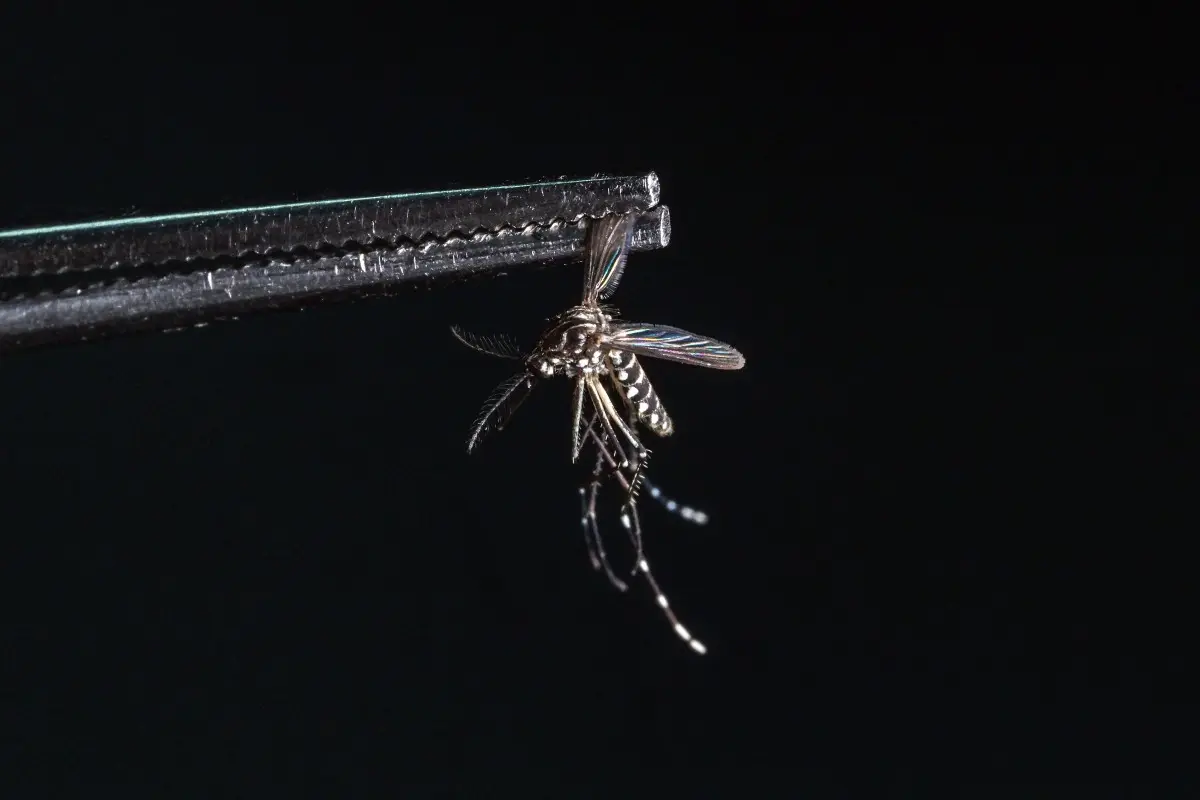
How are the mosquitoes different?
The mosquitoes proposed for release are males infected with Wolbachia bacteria. Male mosquitoes do not bite humans. When they mate with wild females, the resulting eggs fail to develop properly, helping reduce future mosquito populations over time.
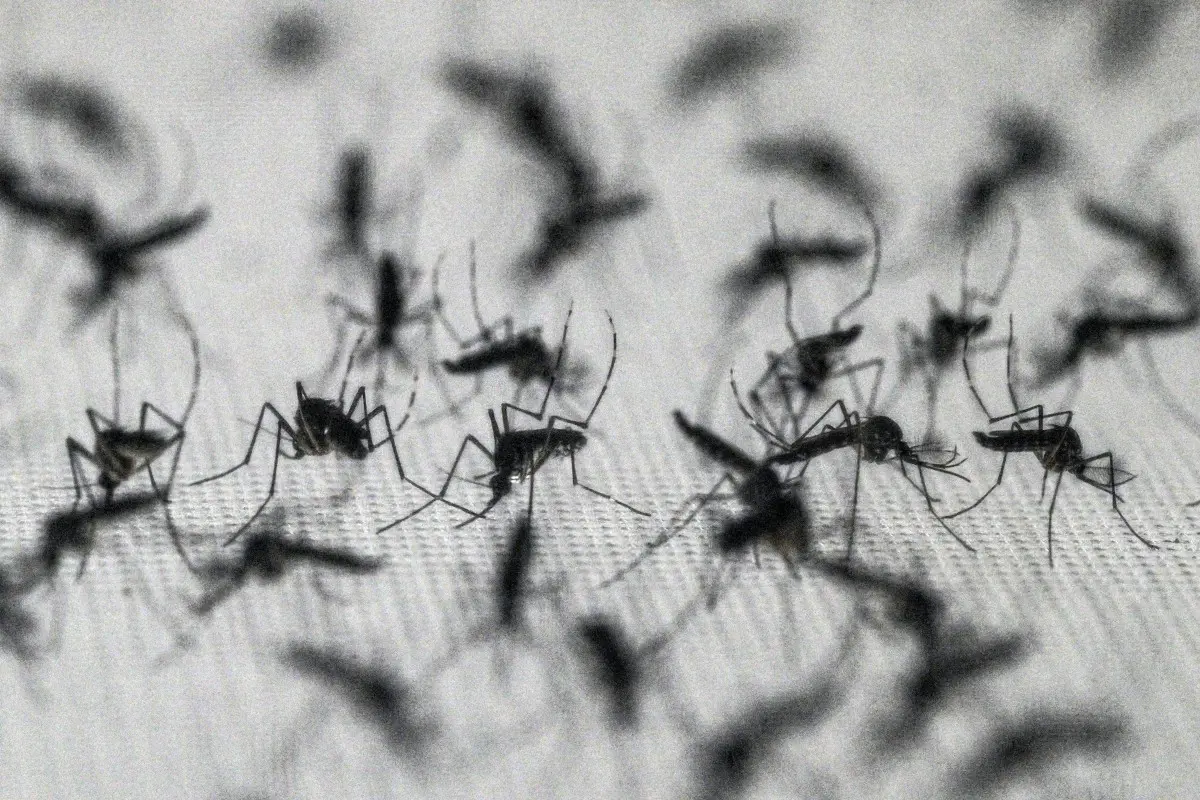
Could mosquitoes disappear completely?
Experts do not expect mosquitoes to vanish entirely from affected regions. The programme targets specific disease-carrying species rather than all mosquitoes. The aim is population suppression, reducing numbers enough to limit disease transmission and public health risks.
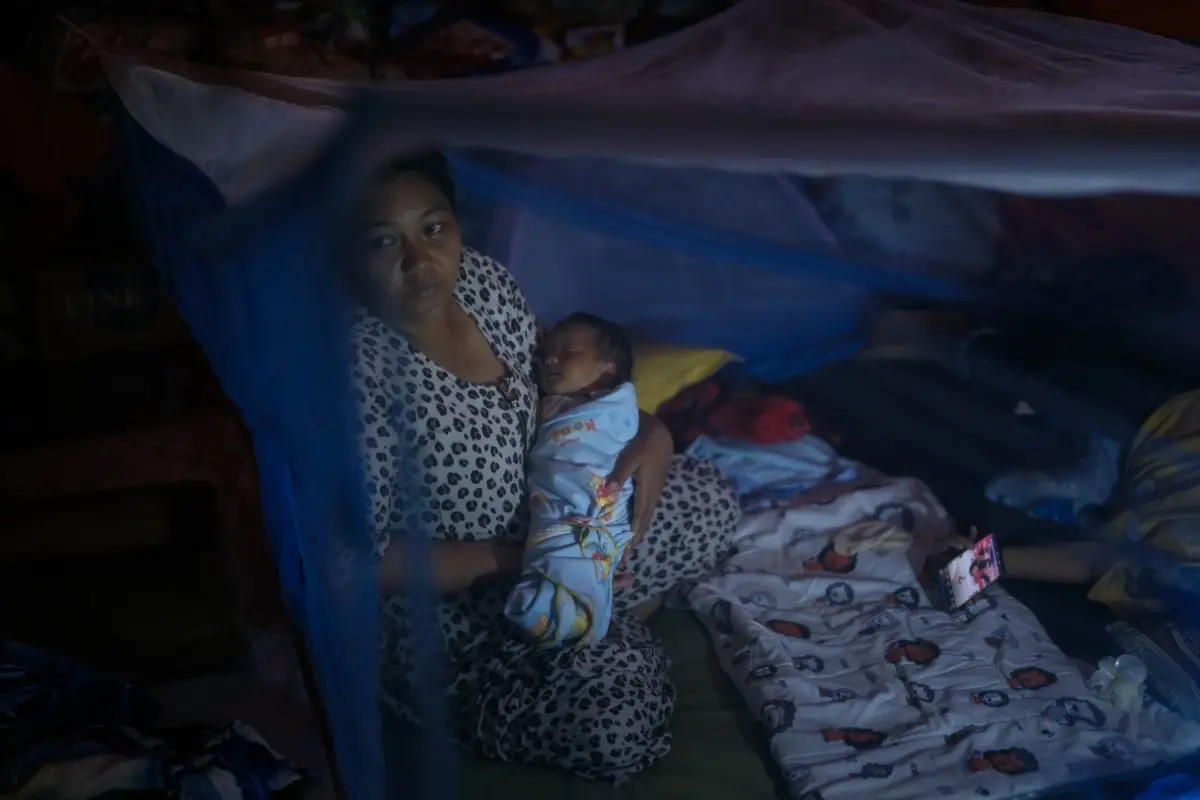
Has this worked anywhere before?
Similar mosquito-control programmes have already been tested in countries including Singapore, Brazil and Australia. Researchers have reported significant reductions in target mosquito populations, helping officials manage outbreaks of mosquito-borne diseases in urban communities.
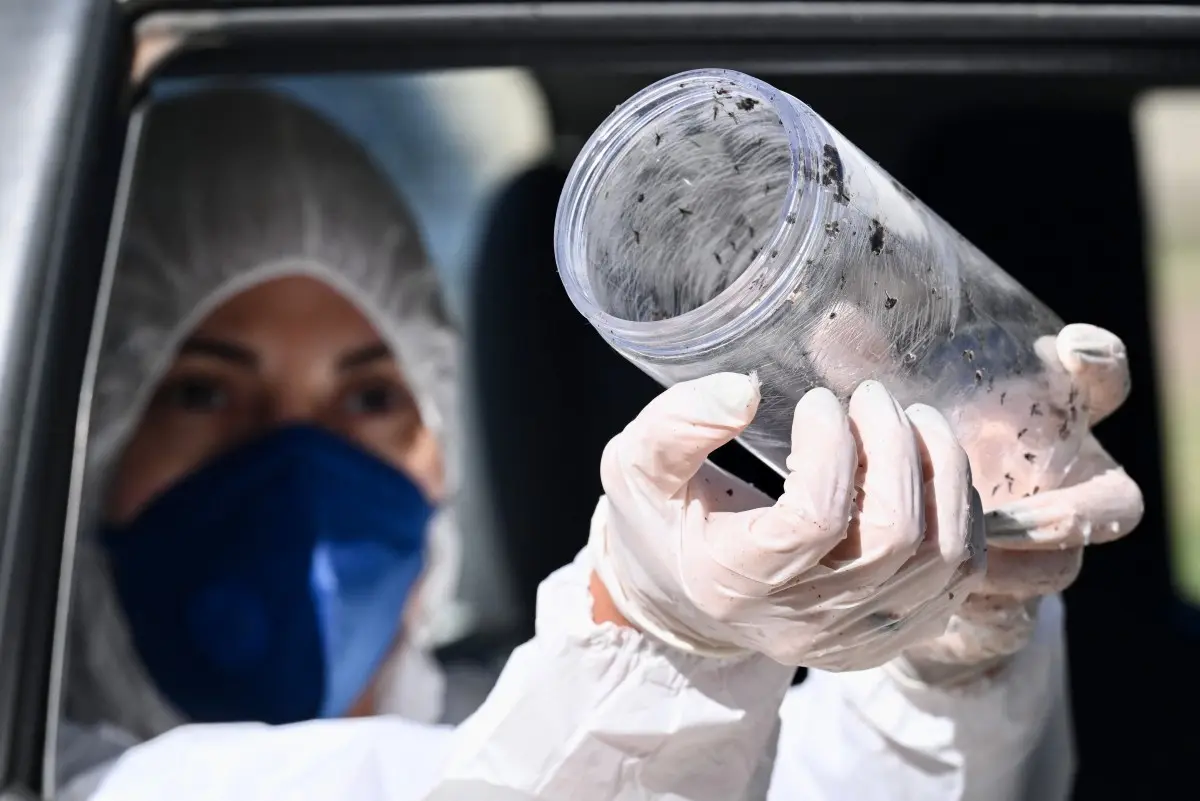
What happens if mosquito numbers crash?
Some scientists argue that reducing one mosquito species is unlikely to cause major ecological disruption because thousands of mosquito species exist worldwide. Others say long-term monitoring remains important to understand any unexpected impacts on local ecosystems.
Why Florida and California?
Both states regularly battle mosquito-borne diseases and have climates suitable for mosquito breeding. Rising temperatures and changing weather patterns have also increased concerns that disease-carrying mosquitoes could expand their range across parts of the United States.

Could America look different in 10 years?
If the programme succeeds, future mosquito control could rely more on biological methods than widespread pesticide spraying. Scientists believe targeted interventions may become a major tool in reducing disease risks while limiting environmental damage from chemicals.
)
)
)
)
)