Google wants to do in Florida what Singapore already did with mosquitoes

Google-backed Verily plans to deploy Singapore’s successful Wolbachia mosquito strategy in Florida, aiming to suppress disease-carrying mosquitoes and potentially reshape how America fights dengue, Zika and other mosquito-borne illnesses.
The mosquito strategy that caught the world's attention
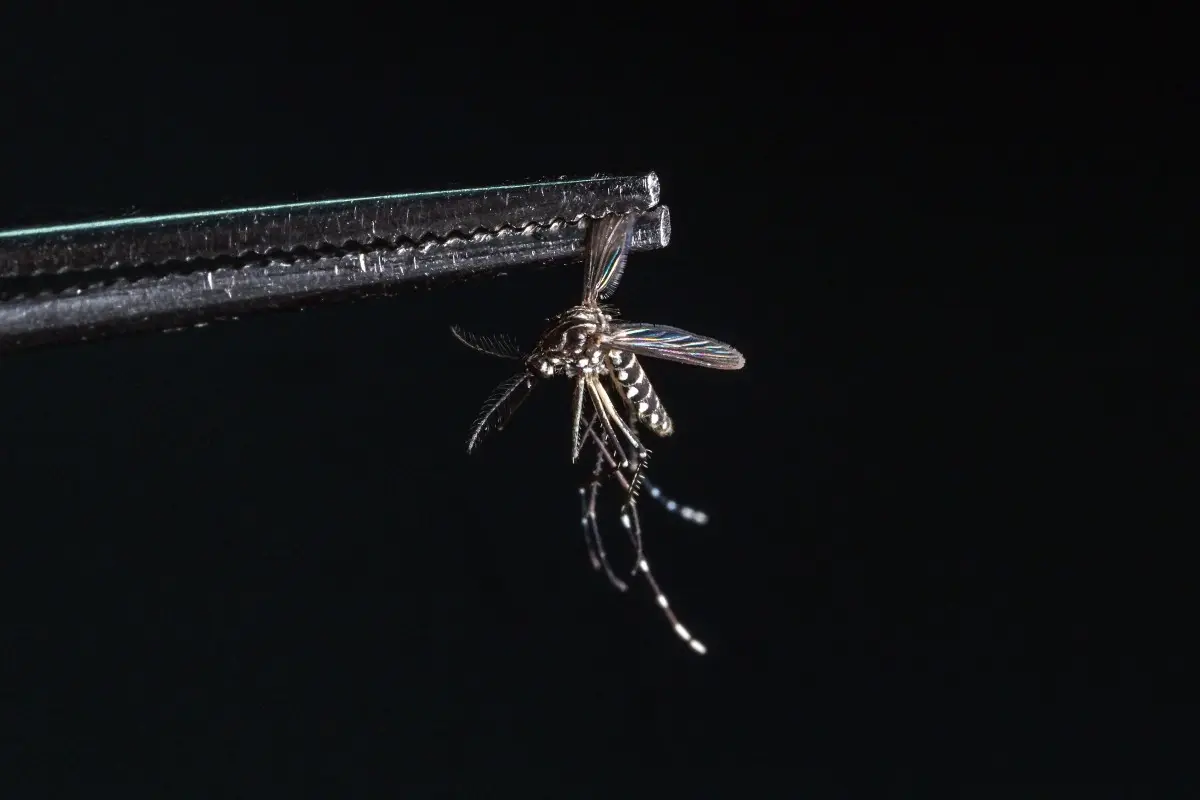
Google-backed Verily wants to release millions of specially treated mosquitoes in Florida. The idea may sound unusual, but the strategy is not new. Singapore has spent years using a similar approach to reduce disease-carrying mosquito populations and combat dengue outbreaks.
Why mosquitoes became a national concern
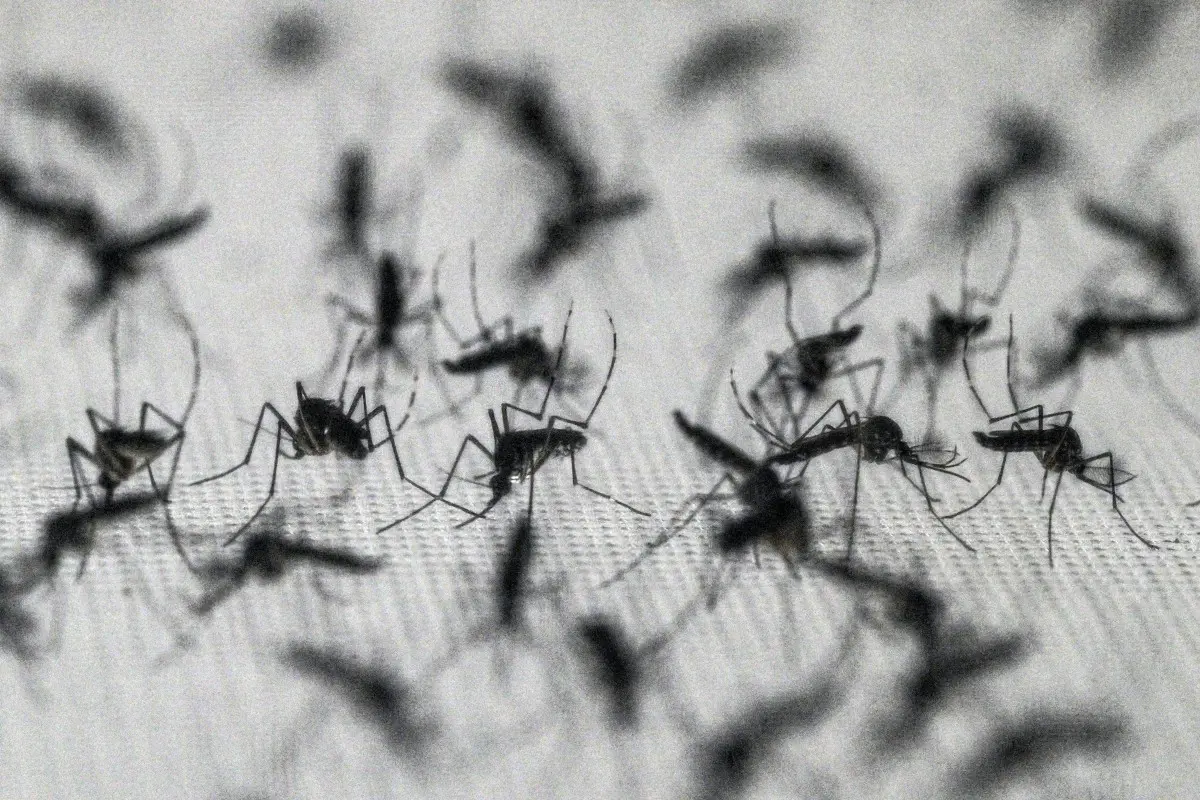
Mosquitoes are responsible for spreading diseases including dengue, Zika and West Nile virus. Health officials worldwide have struggled to control outbreaks. Traditional methods such as insecticides have had mixed results, prompting scientists to explore alternative solutions.

What exactly did Singapore do?
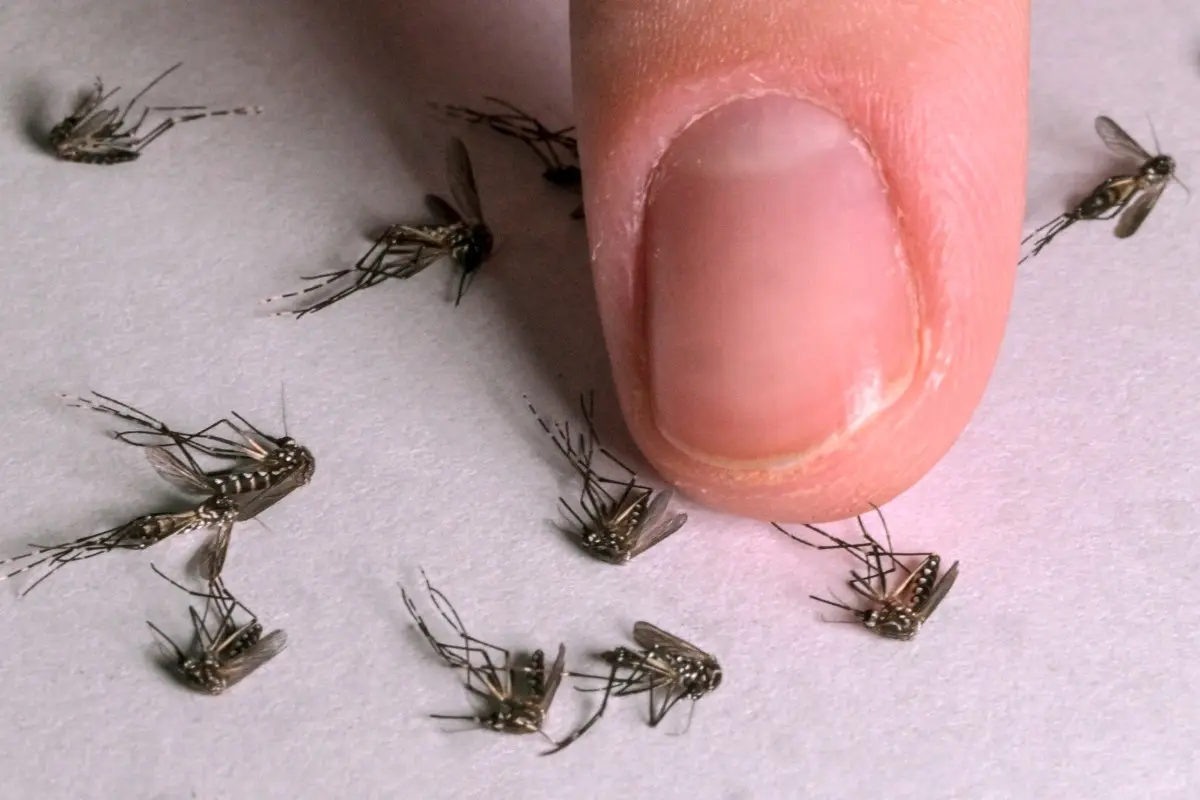
Singapore's programme involved releasing male mosquitoes infected with Wolbachia bacteria. These males do not bite humans. When they mate with wild females, many eggs fail to hatch, causing local mosquito populations to decline significantly over time.
Did Singapore's experiment work?
Singapore reported substantial reductions in the Aedes aegypti mosquito population in several trial areas. Authorities also observed fewer dengue cases in locations where the programme was implemented, encouraging further expansion of the initiative across the city-state.

Why Florida is interested
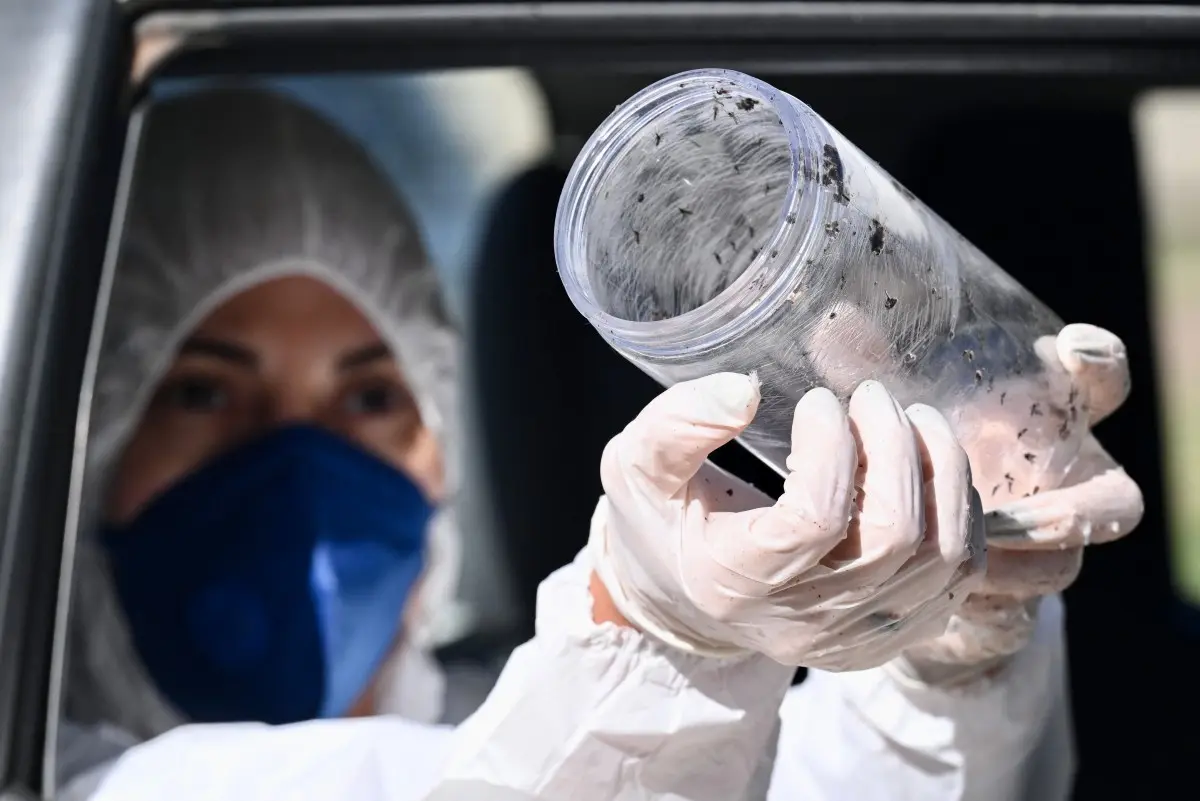
Florida faces recurring challenges from mosquito-borne diseases and has environmental conditions that allow mosquitoes to thrive year-round. Public health officials continue searching for effective ways to manage mosquito populations without relying entirely on chemical spraying.
Could the same strategy succeed in America?
Researchers believe the biological approach has strong potential, but Florida presents different environmental conditions from Singapore. Factors such as climate, geography and mosquito behaviour could influence how effective the programme becomes over the coming years.
)
)
)
)
)