500 days, -52 C, polar bears and total isolation: 12 humans and a dog undertake an arduous North Pole expedition

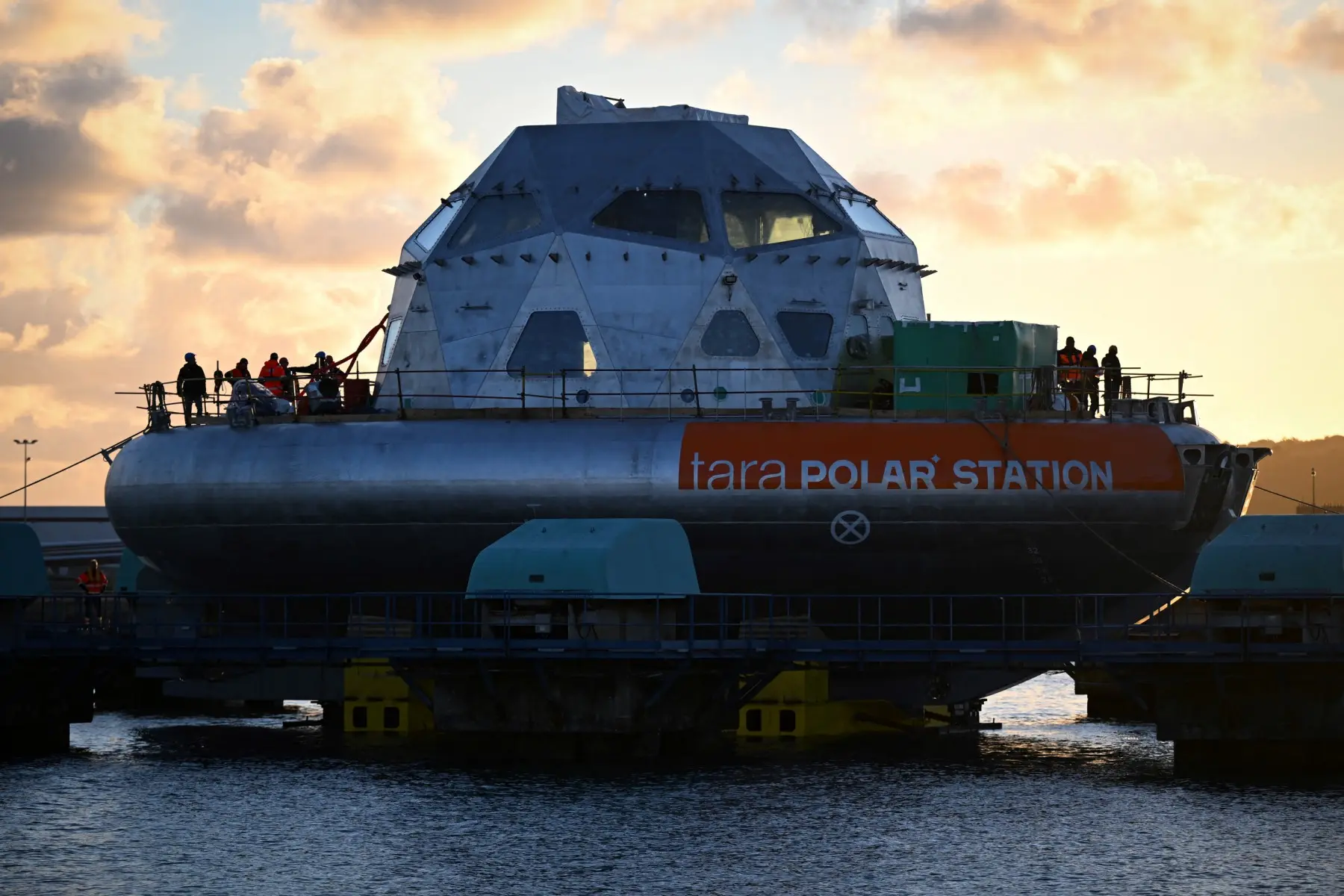
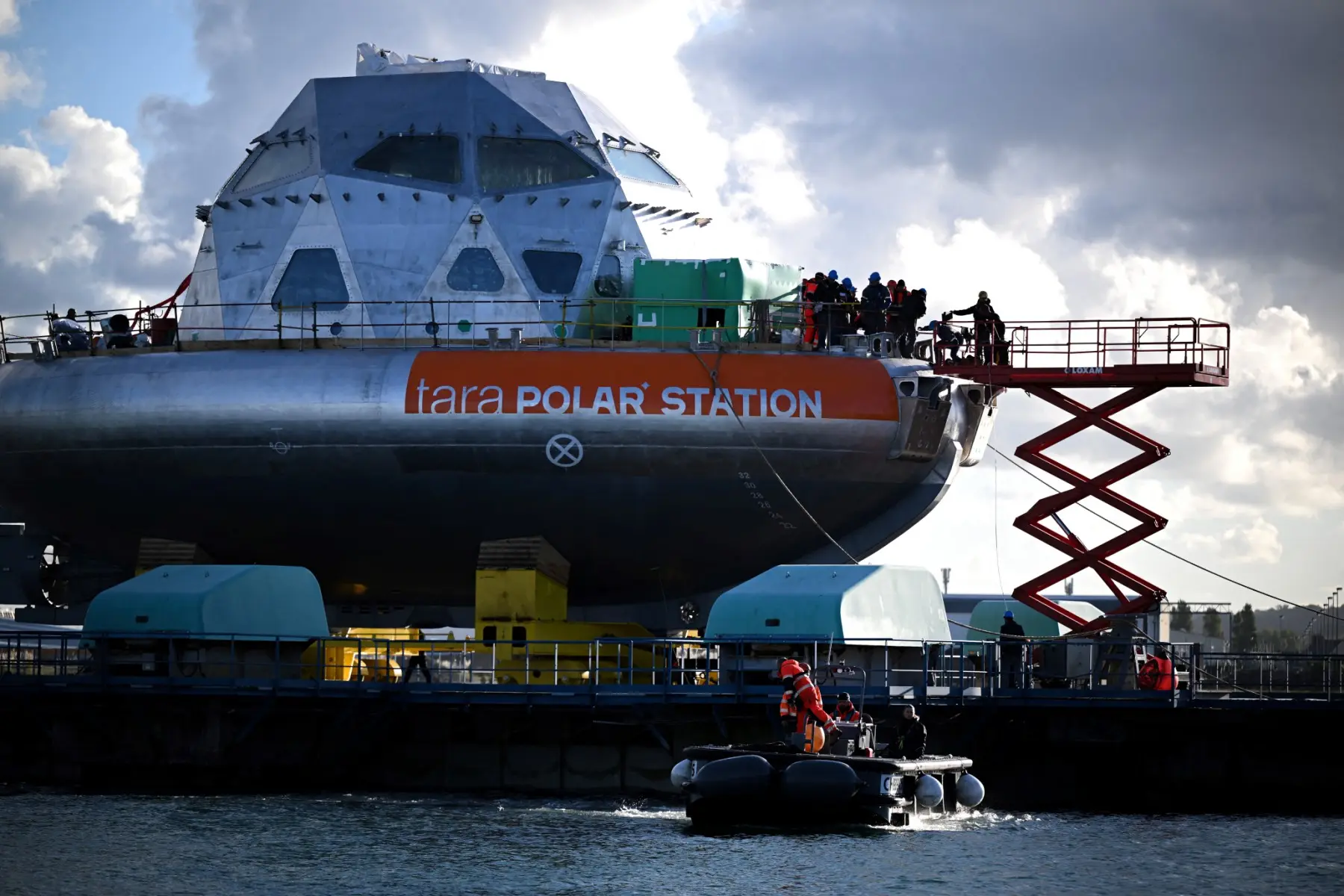
Tara Polar Station is an aluminium igloo travelling to the Arctic with 12 people and a dog on board. It will drift through the North Pole for nearly 500 days and collect samples to study the impact of climate change. It will be a risky affair and is the first of 10 expeditions over 20 years.
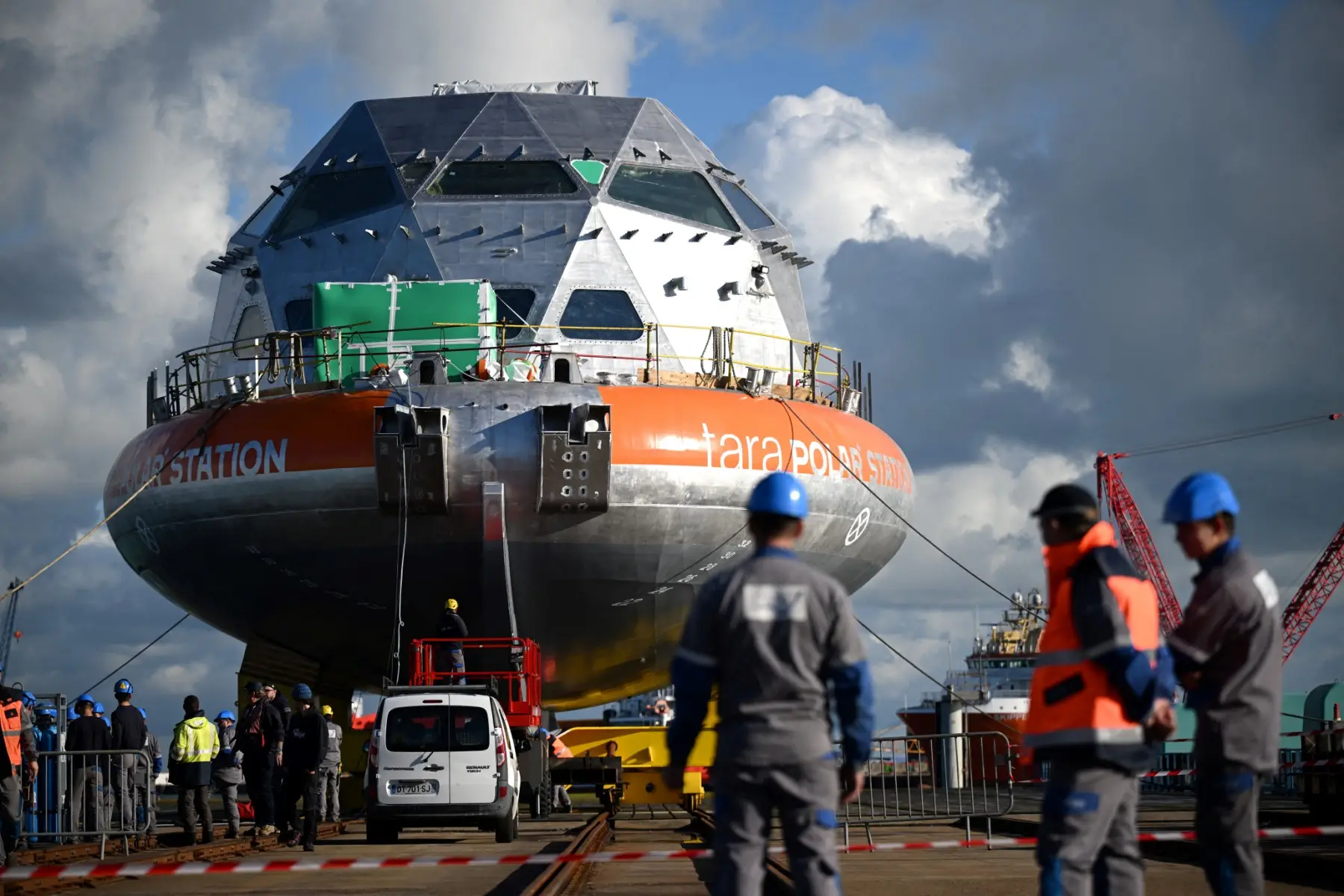
Tara Polar Station leaves for North Pole
The Tara Polar Station set sail from France for the Arctic Ocean to study the impact of climate change on this region, since it is warming three to four times faster than the rest of the planet. The station is the first on a series of ten planned expeditions taking place between 2026 and 2045. It is a twenty-year plan under which scientists on board the vessel will gather samples from the Arctic every two years. "The Arctic is an ocean that has been little studied and is already changing significantly. It is undergoing a major transformation," said Romain Troublé, executive director of the Tara Ocean Foundation.
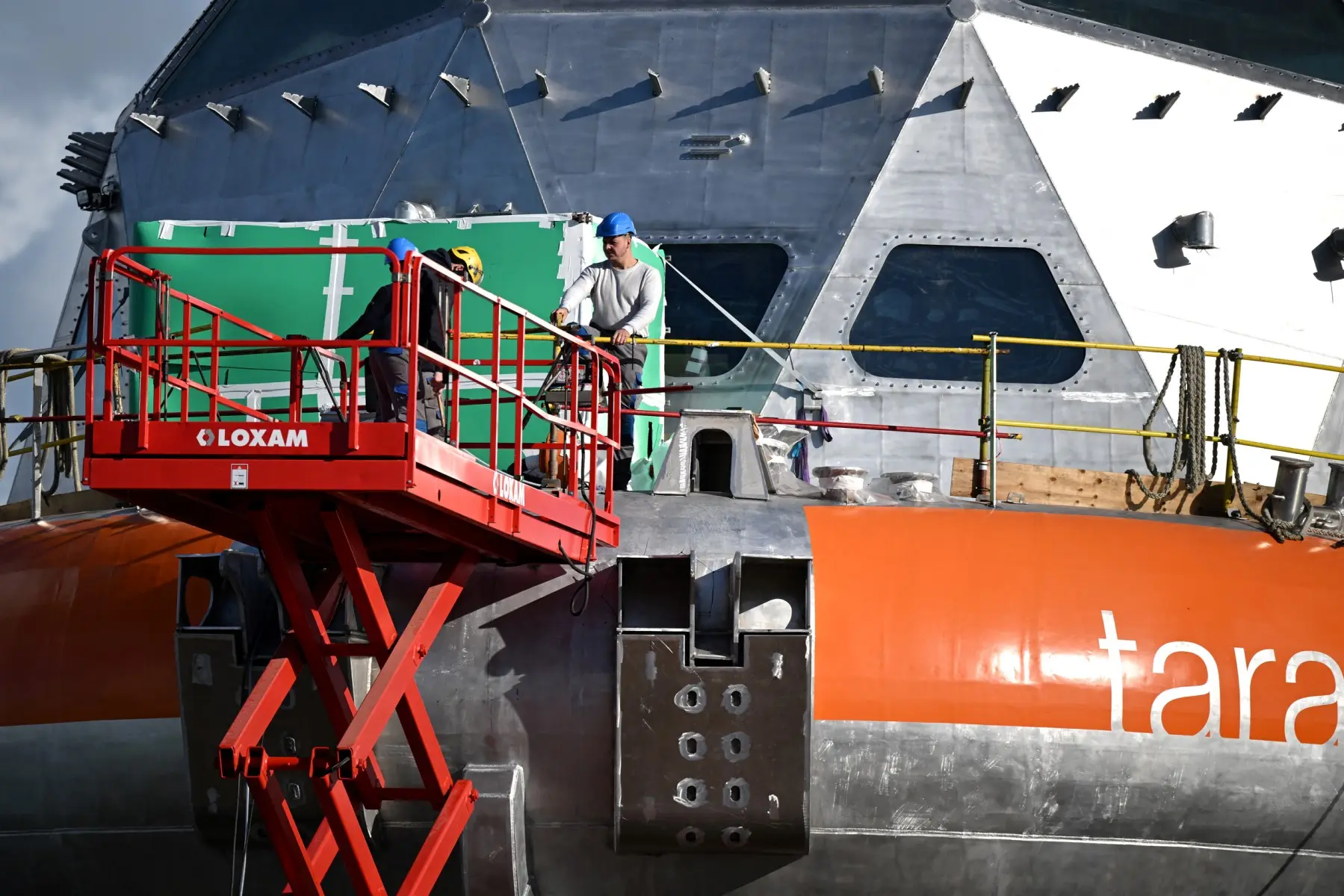
What is the Tara Polar Station?
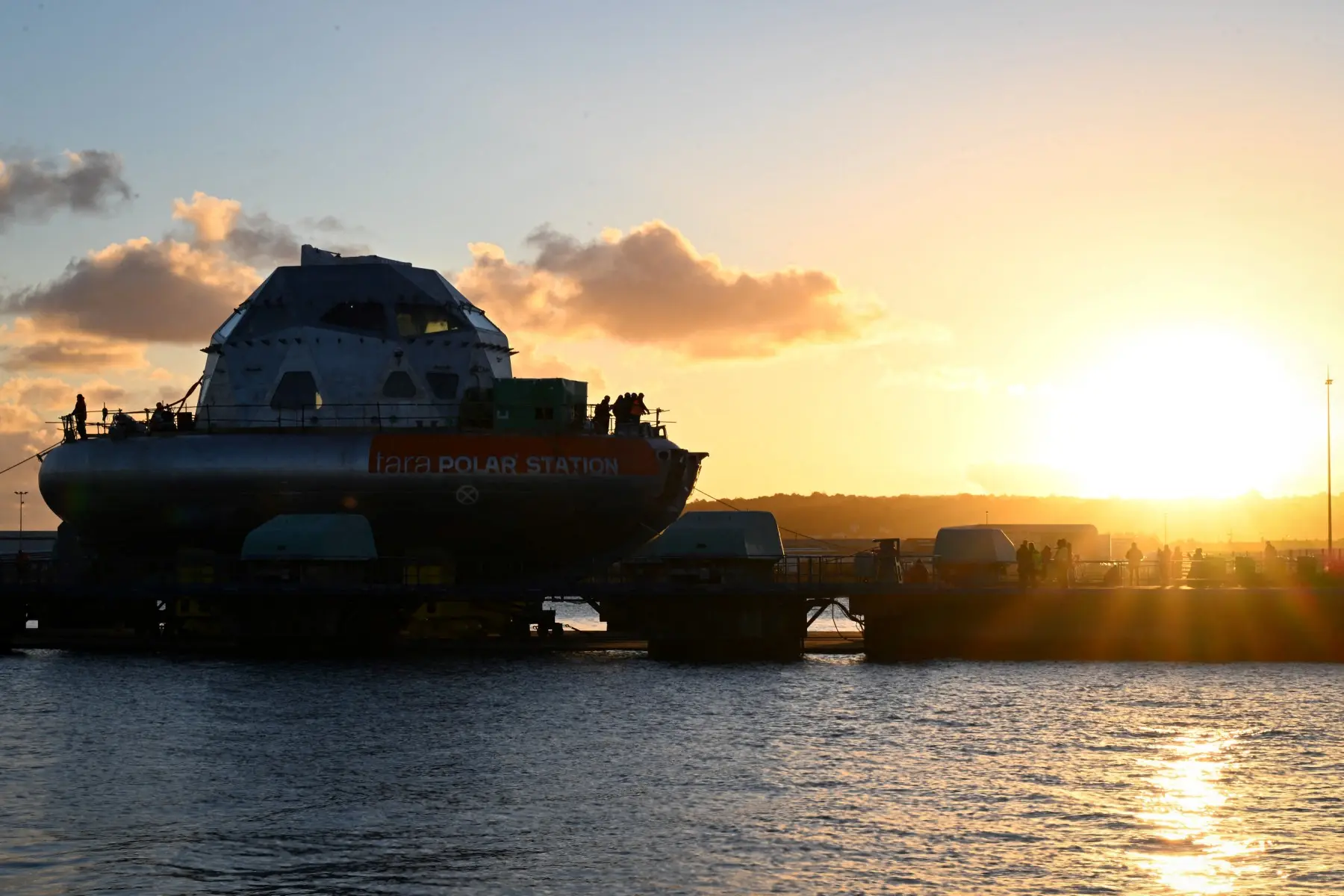
The scientific research laboratory departed from Lorient, France, on July 19. It looks like a giant aluminium igloo resting on a giant buoy that can withstand ice pressure. The plan is to let it drift for months through Arctic ice as scientists gather data on how the region is changing. It can withstand temperatures as low as −52 °C and the immense, crushing physical pressure of expanding Arctic sea ice.
Who all are on board the Tara Polar Station?
There are 12 people on board the vessel, including six scientists, who will experience the harsh winter of the Arctic during the expedition. The number will be switched to 18 in the summer. During this time, they will endure five months of complete polar night, meaning they will not see the Sun at all. Special safety and security arrangements have been made to keep the crew safe from wild animals. A Lapponian herder dog has been tasked with sniffing out approaching polar bears. The residents are also trained to use firearms since they will be stepping out on the ice.
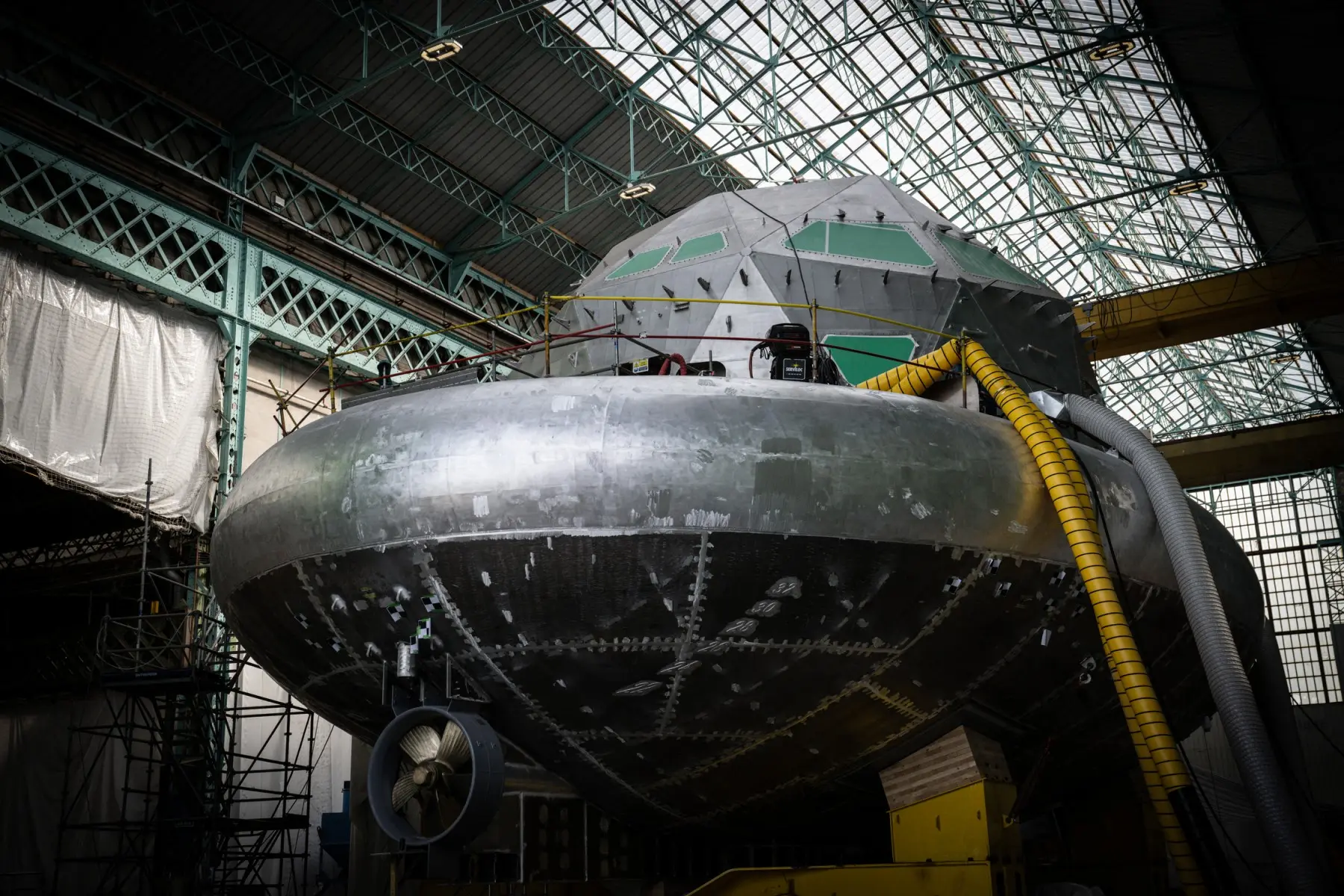
How will it move through Arctic
The igloo will basically drift through the ice in a controlled manner instead of having humans manoeuvre it. It will be escorted by an icebreaker to the Russian/Norwegian side of the Arctic Ocean, after which it will intentionally allow itself to get locked frozen into the pack ice. The vessel will then continue to float for 350 to 500 days across the North Pole towards the Fram Strait, between Greenland and Svalbard. It will move at a speed of about 10 kilometers a day.
Tara Polar Station objectives
The team on board the Tara Polar Station will gather samples directly from the ocean and from the ice. There is a "well" at the very centre of the station's hull, a specialised vertical shaft that opens directly to the ocean below the ice. Scientists will safely lower instruments through this opening into the sea and extract more than 10,000 samples from the atmosphere, the ice cavities, and the water column. The instruments can reach a depth of 6,560 feet even during extreme winter.
Participating nations
The Tara Polaris research consortium brings together 40 scientific partners and some 30 research centres across 12 to 15 participating nations. France is the host nation and provided the core funding, construction, and coordination through the Tara Ocean Foundation and institutions like the National Centre for Scientific Research (CNRS). Germany, Canada, the United States, Japan, Switzerland and Spain have actively contributed to the Arctic expedition. Since the station will be drifting through the Central Arctic Ocean, the consortium is also coordinating with Inuit and Arctic Indigenous communities, predominantly in the regional zones of Canada, Greenland, and Alaska.
)
)
)
)
)