
&imwidth=800&imheight=600&format=webp&quality=medium "Chile witnesses rare 'Blue Moon', smallest full moon of the year")
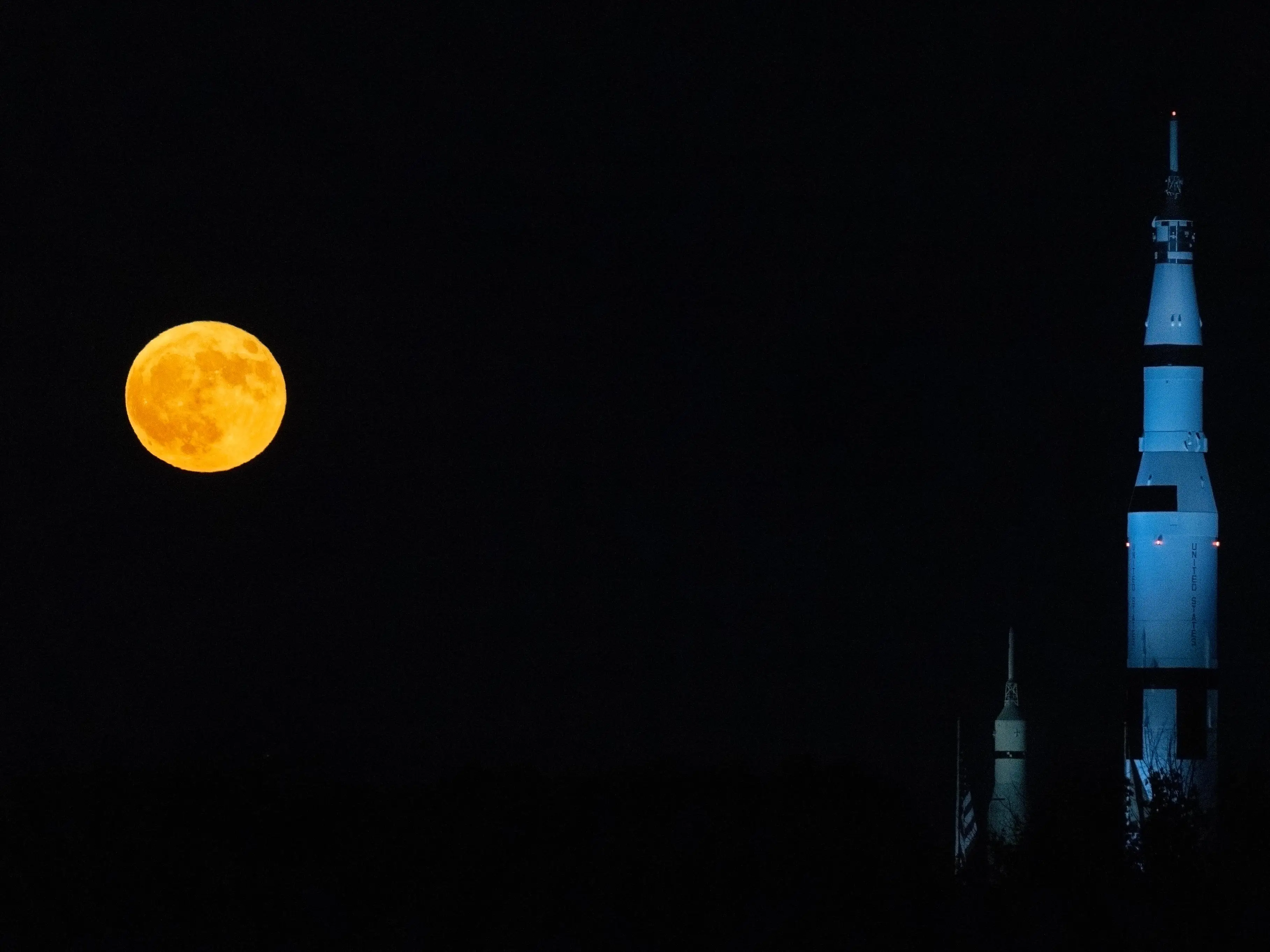
Rare 'Blue Moon' seen from Chile on Saturday night (May 30), where people gathered to view a micromoon with visitors taking part in guided observations and astronomy activities at an observatory in San José de Maipo. It is considered the second full moon of May, which marks the smallest full moon of 2026.
A Blue Moon is a relatively rare lunar event that takes place about once every two to three years when a second full moon appears within a single calendar month. May 1 saw this month's first full moon. Since the first full moon of the month occurred on May 1, this full moon qualifies as a Blue Moon under the monthly definition.
When and where to watch Blue Moon?

Skywatchers can view the event online through a free livestream hosted by astronomer Gianluca Masi and the Virtual Telescope Project based in Manciano, Italy. The broadcast is scheduled to begin at 9:30 p.m. EDT on May 30 (0130 GMT on May 31) and will be available through the project's WebTV and YouTube platforms, weather conditions permitting.
Also read: Astrological significance of Blue Moon 2026: Which zodiac signs and date of births will it affect
What is a Blue Moon?
Trending Stories
)
Xi Jinping's new AI bloc: China launches 'World AI Body' with Pakistan and Russia in, India out
&im=FitAndFill=(700,400))
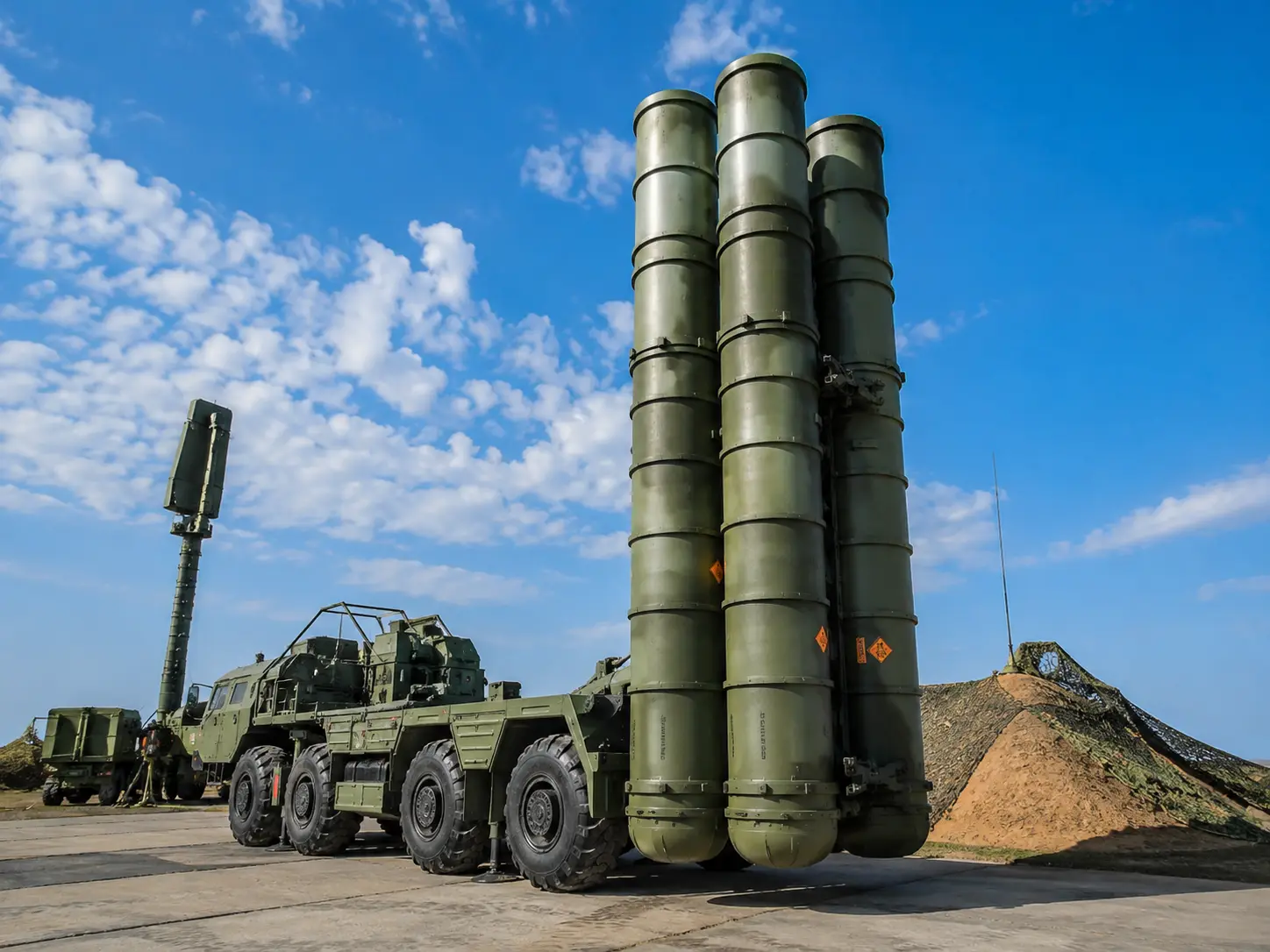
Why the S-400 uses solid rocket fuel instead of liquid fuel
)
Explained: Why Rodri won the FIFA World Cup Golden Ball over Lionel Messi
)
Japan is selling a refrigerator to cool the human body for Rs 9 lakh. It is already a hit in Tokyo
)
Lip reader reveals what Donald Trump told every Spain and Argentina player after FIFA World Cup final during medal ceremony
)
‘Iran can survive sanctions, but can’t truly live’: Dy FM warns of economic cost of war
)
Sonam Wangchuk's connection with George Soros and Ford Foundation explained!
)
'There is no need for...': PM Modi takes a veiled dig at Rahul Gandhi, sends big message amid Parliament March
)
FACT CHECK: Was Abhijit Dipke detained during CJP's Parliament march? Here's what police say
)
‘Netanyahu will not be arrested in any way, shape, or form in US’: Trump’s counter to Mamdani
)
UP BTech gold medalist dies by suicide after failing in nearly 50 govt job attempts, leaves note for father
)
Jail over Khamenei post: J&K youth returns home after 3 months in Saudi custody
)
'Now come to us': CJP resumes protest after Parliament march violence, calls meeting with Nadda 'waste of time'
)
Salman Khan breaks silence on health concerns after viral Mumbai appearance
)
'George Soros playbook': Understanding the foreign funding network around Sonam Wangchuk
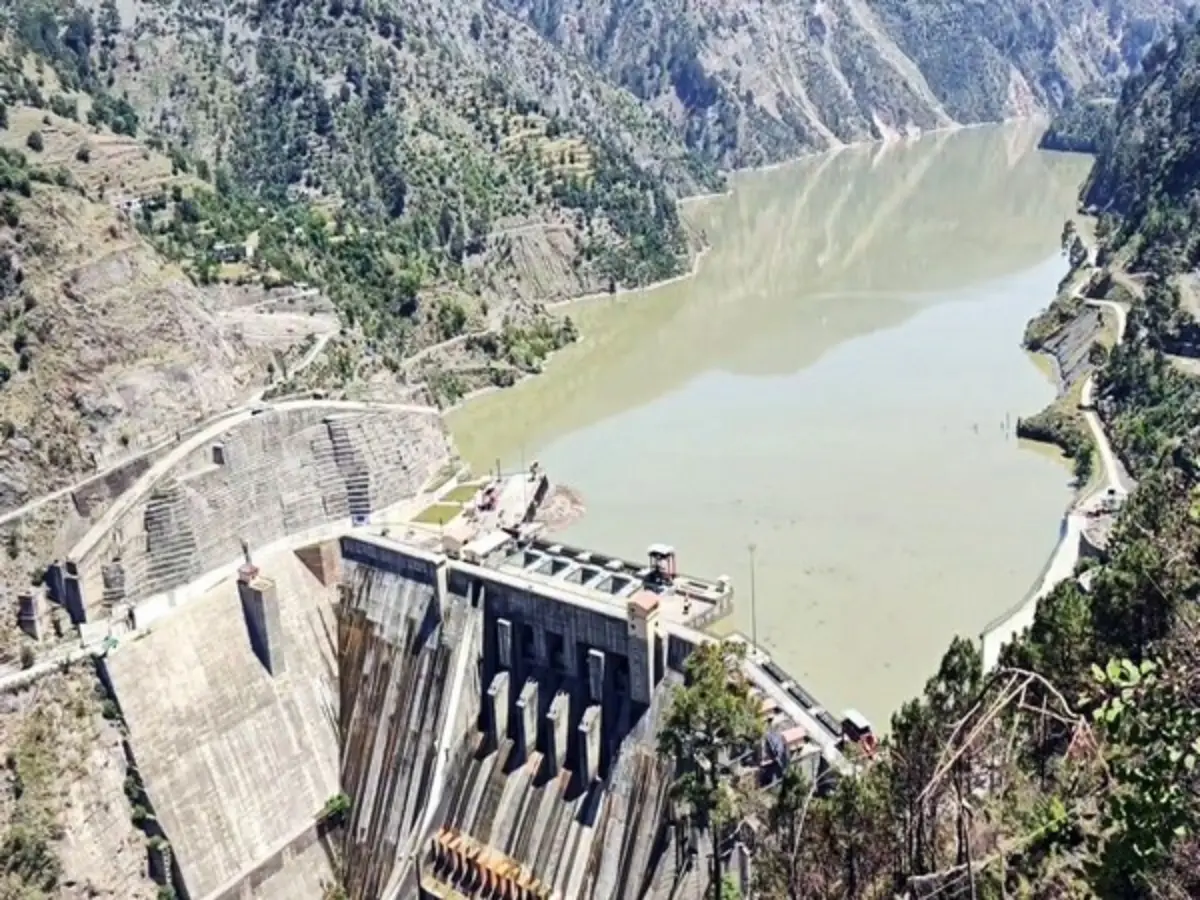)
Indus treaty can no longer function in its current form, says India; plans 5,500 mw of new J&K hydro projects
&im=FitAndFill=(700,400))
New OTT releases this week (July 20-26, 2026): Musafir Cafe, Adarsh Baal Vidyalaya, 72 Hours- 5 new titles coming on Netflix, Prime Video and more
&im=FitAndFill=(700,400))
2026 FIFA World Cup awards: Full list of Golden Boot, Golden Ball, Golden Glove and every major winner
&im=FitAndFill=(700,400))
FIFA World Cup 2026 team of the tournament: The best XI that ruled football’s biggest stage
)
'What is wrong...': Anna Hazare breaks silence on Sonam Wangchuk's protest, makes an appeal to Centre
)
Truck loaded with stones, metro stations closed: What's happening at Jantar Mantar now
&im=FitAndFill=(700,400))
Why US fighter jets use seamless bubble canopies compared to Russian jets
&im=FitAndFill=(700,400))
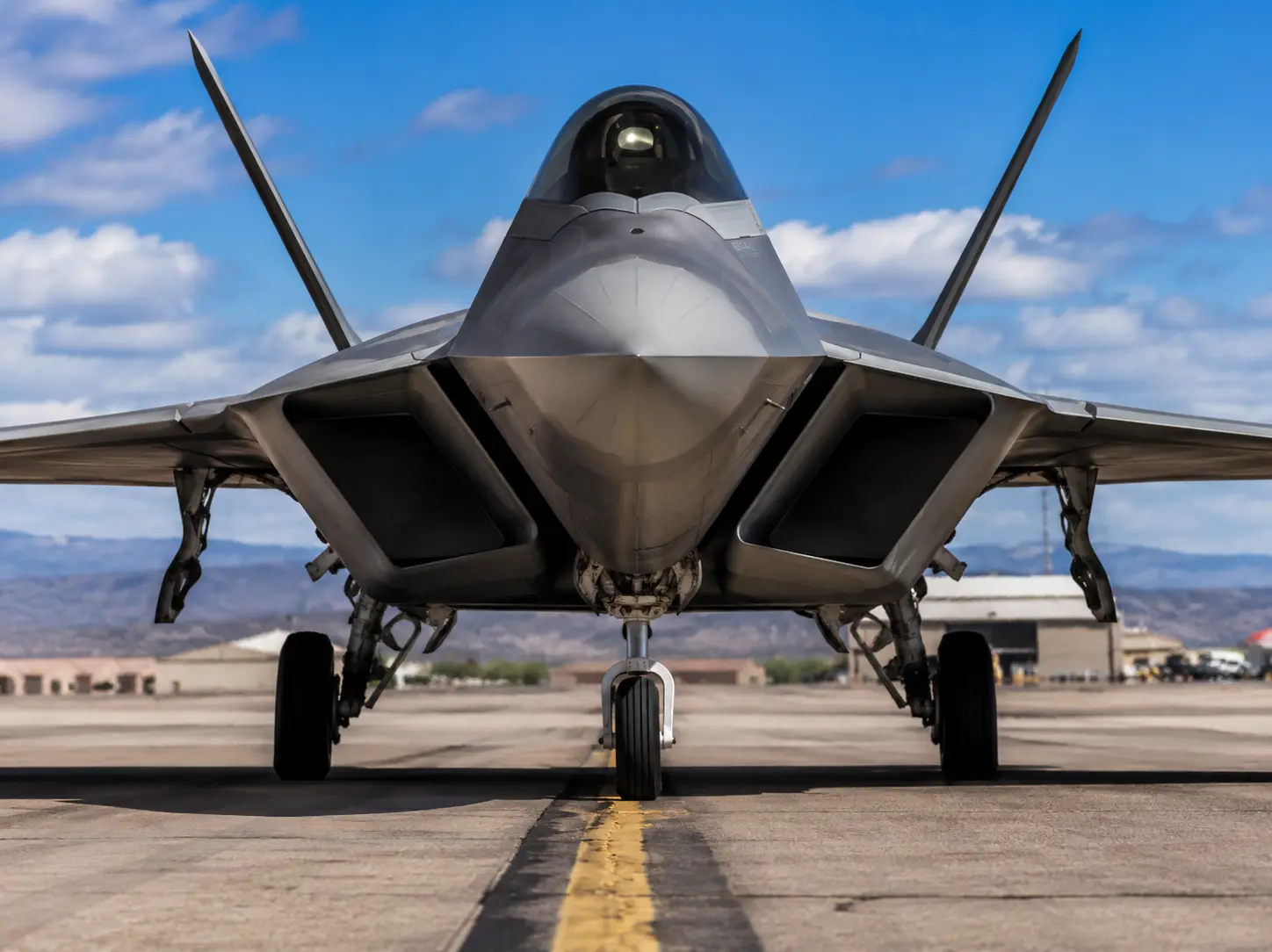
Why the F-22’s cockpit glass is thicker than a standard fighter jet
)
Student union leaders call off hunger strike at Jantar Mantar after civil society appeal, but protest continues
)
'Guru is the...': Indian Education Minister Dharmendra Pradhan shares message on education amid calls for his resignation
)
Tulsi Gabbard's brother Batarti accused of luring children to hotel room in Hawaii
)
'We acted immediately...': Indian PM Modi breaks silence on paper leaks as NEET protest, calls for Education Minister's resignation grows
Despite its name, a Blue Moon does not actually appear blue. The term has two accepted definitions. The original meaning, known as a seasonal Blue Moon, refers to the third full moon in a season that contains four full moons. A later interpretation, which emerged from a misunderstanding of the original definition, describes the second full moon occurring within a single calendar month.
The Blue Moon that took place this weekend falls under the monthly definition. Because the Moon’s cycle lasts about 29.5 days, it does not align perfectly with calendar months, making monthly Blue Moons an uncommon event that typically occurs every two and a half years.
Why is it the smallest full moon of the year?
The full moon in May occurs only about 19 hours before the moon reaches its apogee, the farthest point from Earth in its slightly elliptical orbit. As a result, it will be the most distant full moon of the year, causing it to appear marginally smaller and dimmer in the night sky than usual.
This phenomenon is often called a micromoon, which is the opposite of a supermoon. While a supermoon occurs when a full moon coincides with perigee, the Moon’s closest approach to Earth, a micromoon takes place when the full moon occurs near apogee, making it look smaller in the sky.

