Remembering Ahilyabai Holkar, the queen of Marathas in Indore


Ahilya
Indian history is full of brave men. But inthe patriarchal land full of statesfighting each other, there are stellar names of women who held their own when going got tough. They guarded their kingdoms, spear-headed reforms and defeated enemies on the battlefield.
Perhaps Ahilyabai Holkar is a personality who shines the brightest in this list of women who were ahead of their times. And her birth anniversary (May 31) is a fitting occasion to remember the brave Maratha queen.
Ahilyabai was born on May 31, 1725 in Chaundi (Ahmednagar) in Maharashtra. 18th century was the time when the Maratha military power had rapidly filled the vacuum formed after death of Aurangzeb, often referred toas the last great Mughal Emperor. The Marathas had long crossed their traditional heartland and had north India within their firm grip. In such a situation, though Peshwa, ruling from Pune, was the leader of the empire, powerful Maratha families like Sindhia (Shinde) and Holkar had carved their own realms within the Maratha empire in Gwalior and Indore respectively. Malhar Rao Holkar was a prominent lord in Malwa region.

Ahilyabai's father Mankoji Shinde home-schooled her and taught her to read and write. This was a time when educating women was frowned upon in India.
Ahilya was not born in a royal family, but a chance encounter saw her being daughter-in-law of the Holkars.
While on his way to Pune, Malhar Rao Holkar saw young Ahilya feeding the poor near a temple. So impressed was he with her that he asked her hand for a marriage to his son Khanderao Holkar. As it was customary during the medieval period. Both of them were married at a young age in 1733.
)
Xi Jinping's new AI bloc: China launches 'World AI Body' with Pakistan and Russia in, India out
&im=FitAndFill=(700,400))
Why the S-400 uses solid rocket fuel instead of liquid fuel
)
CORTIS' first-ever concert sparks backlash over repeated songs and short setlist
)
Explained: Why Rodri won the FIFA World Cup Golden Ball over Lionel Messi
)
Japan is selling a refrigerator to cool the human body for Rs 9 lakh. It is already a hit in Tokyo
)
Revealed! The hidden ritual Marc Cucurella performed before Spain won the FIFA World Cup
)
Mumbai court gives life sentences to 44 Somali pirates despite mercy plea
)
US-Iran conflicts: Houthis announce maritime blockade on Saudi Arabia, Iran attacks MQ-9 drone hangar | Gravitas
)
‘Iran can survive sanctions, but can’t truly live’: Dy FM warns of economic cost of war
)
Sonam Wangchuk's connection with George Soros and Ford Foundation explained!
)
‘Netanyahu will not be arrested in any way, shape, or form in US’: Trump’s counter to Mamdani
)
FACT CHECK: Was Abhijit Dipke detained during CJP's Parliament march? Here's what police say
)
'There is no need for...': PM Modi takes a veiled dig at Rahul Gandhi, sends big message amid Parliament March
)
UP BTech gold medalist dies by suicide after failing in nearly 50 govt job attempts, leaves note for father
)
'Could be bombed at any moment': What Iran's Araghchi told Trump envoy Witkoff during negotiations
)
Jail over Khamenei post: J&K youth returns home after 3 months in Saudi custody
)
Salman Khan breaks silence on health concerns after viral Mumbai appearance
)
'George Soros playbook': Understanding the foreign funding network around Sonam Wangchuk
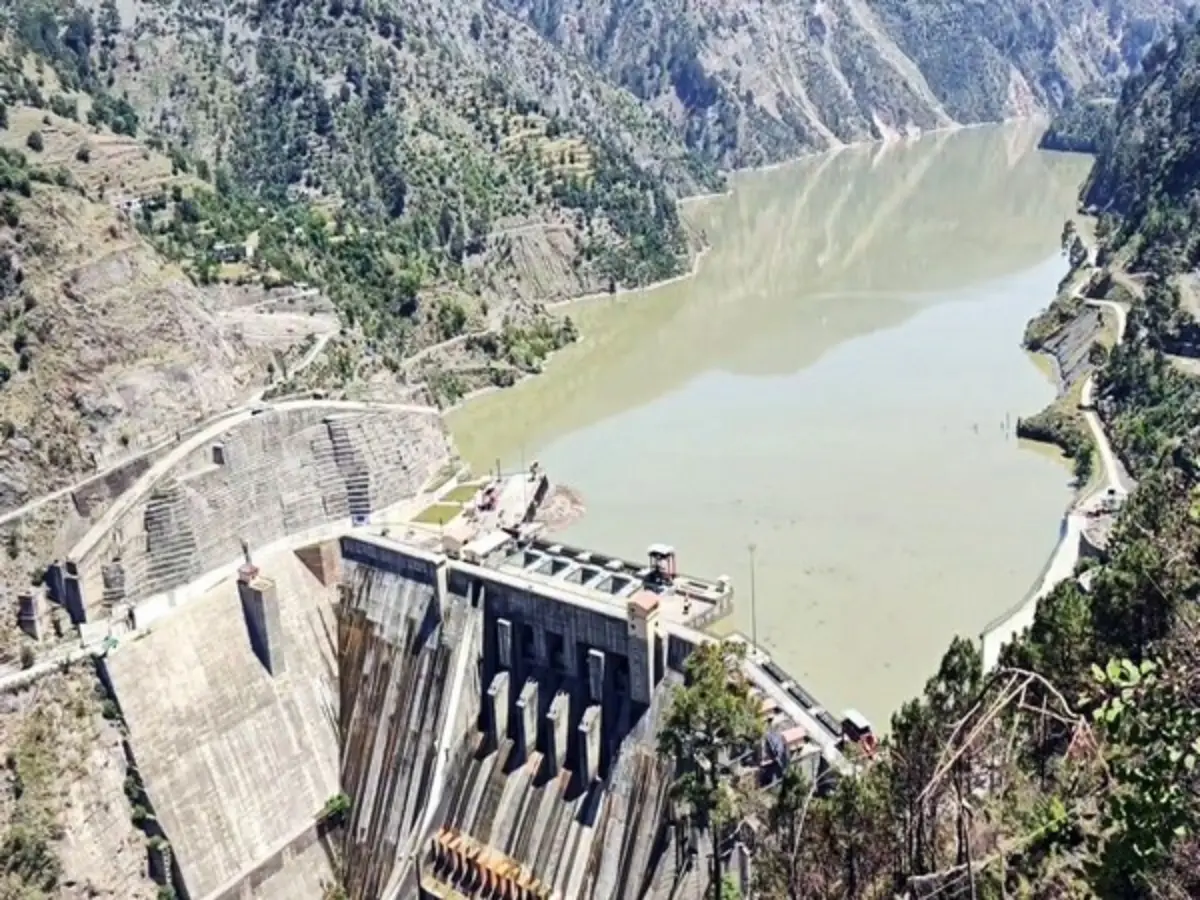)
Indus treaty can no longer function in its current form, says India; plans 5,500 mw of new J&K hydro projects
&im=FitAndFill=(700,400))
2026 FIFA World Cup awards: Full list of Golden Boot, Golden Ball, Golden Glove and every major winner
)
US-Iran war: Report suggests US lost 42 aircraft, including fighter jets, reaper drones
)
JD and Usha Vance welcome fourth child: Who serves as acting US vice president during Vance's paternity leave?
&im=FitAndFill=(700,400))
Spain World Cup victory parade in Madrid: Champions celebrate second FIFA World Cup title with over million fans
)
Heavy sanctions loom over Argentine players after ugly brawl following final whistle in World Cup final
)
As Russia pounds Ukraine, Kyiv grapples with a growing manpower shortage in the military | Gravitas
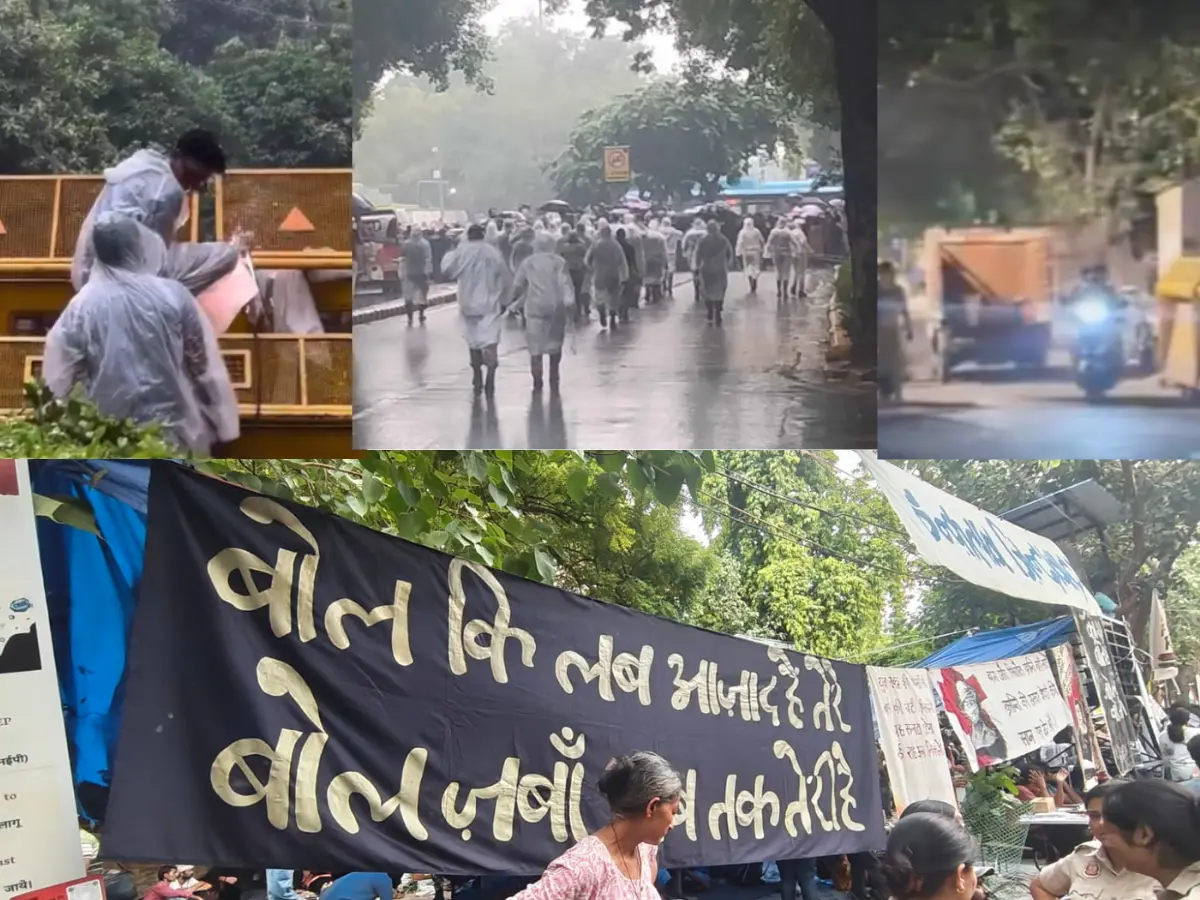)
Truck loaded with stones, metro stations closed: What's happening at Jantar Mantar now
&im=FitAndFill=(700,400))
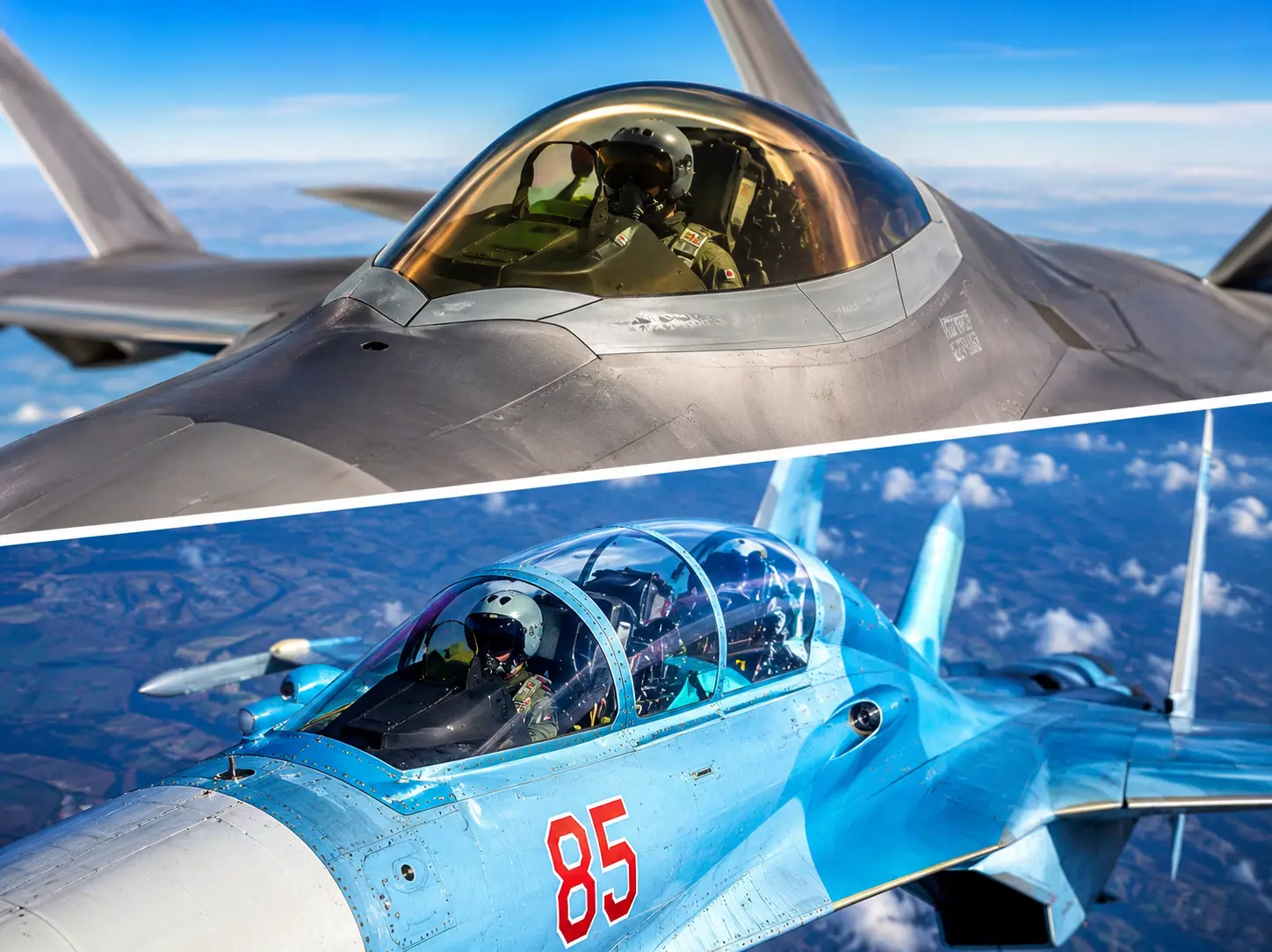
Why US fighter jets use seamless bubble canopies compared to Russian jets
&im=FitAndFill=(700,400))
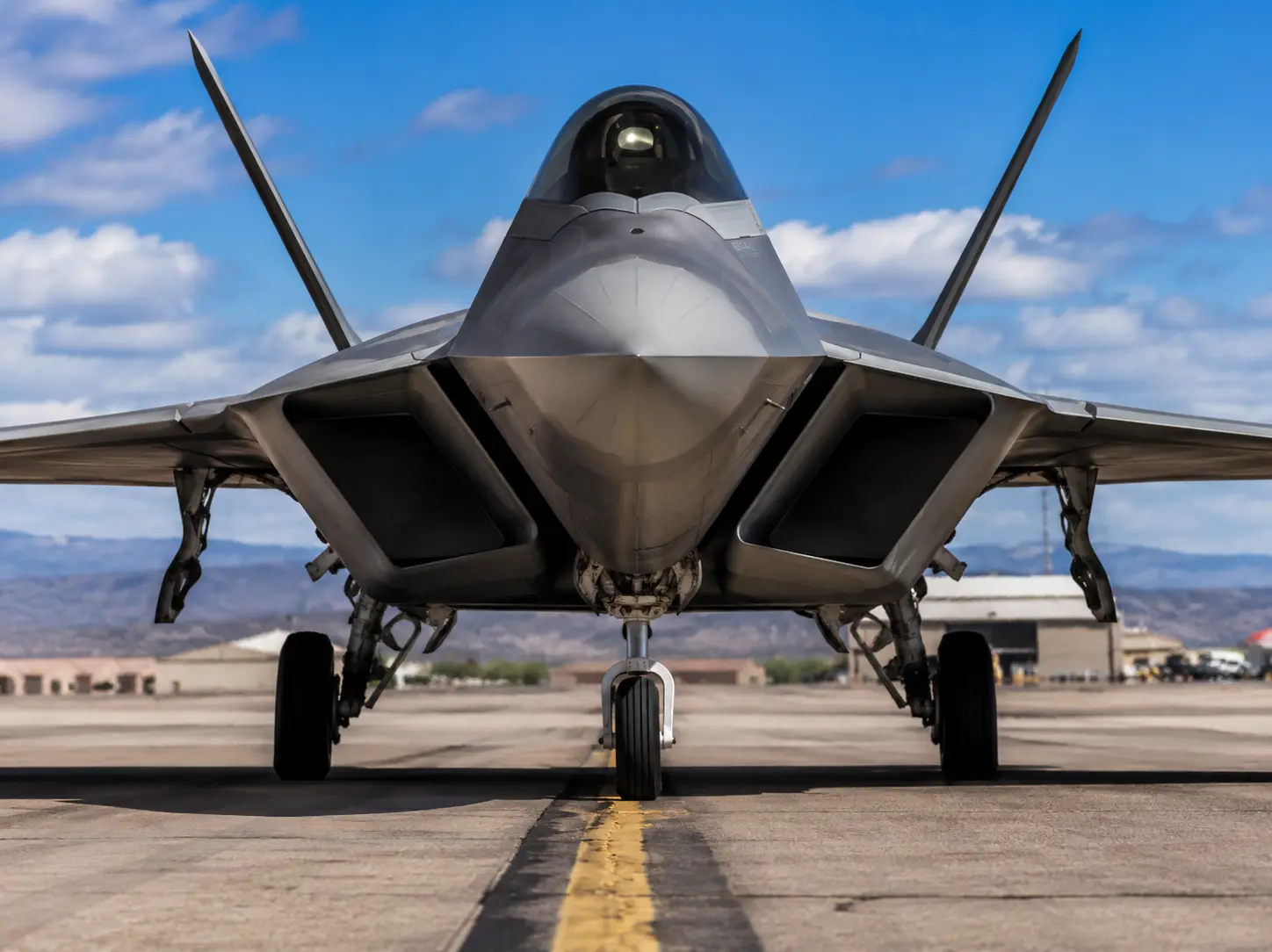
Why the F-22’s cockpit glass is thicker than a standard fighter jet
)
Student union leaders call off hunger strike at Jantar Mantar after civil society appeal, but protest continues
)
Tulsi Gabbard's brother Batarti accused of luring children to hotel room in Hawaii
)
Argentina's racism problem: How football chants reflect a deeper historical legacy
)
US strikes Iran, sirens heard in Kuwait, one American soldier killed in Iraq: What's happening in West Asia
)
'What is wrong...': Anna Hazare breaks silence on Sonam Wangchuk's protest, makes an appeal to Centre
Her husband was killed in a battle at Kumbher in 1754. Malhar Rao Holkar, Ahilyabai's father-in-law, stood firmly by her side and forbade her from performing the sati ritual after her husband's death.
Ahilyabai was ahead of her time and under the tutelage of Malhar Rao, mastered the arts of politics and administration and statecraft.
Her important contribution remains renovation of Kashi Vishwanath temple in present-day Varanasi. She improved conditions in Malwa andhelped restore Hindu places of worship in north India. Ahilyabai ascended to the throne on December 11, 1767.
In addition to being a politician, Ahilyabai was a warrior. A skilled archer, she was a horse rider.
After the death of Malhar Rao Holkar, the great patriarch and powerful lord, powers around Malwa started encircling Holkar domain thinking it was ripe for taking.
But Ahilyabai Holkar's able leadership saw the Holkar army defeat all adversaries.
Ahilyabai's prowess as a ruler and spirituality has impressed British historians and poets alike.
“Ahilyabai Holkar, the 'philosopher-queen' of Malwa, had evidently been an acute observer of the wider political scene.” says British historian John Keyas.
“In latter days from Brahma came, To rule our land, a noble Dame, Kind was her heart, and bright her fame, And Ahlya was her honoured name,” wrote Scottish poetess Joanna Bailie in 1849.
You can now write for wionews.com and be a part of the community. Share your stories and opinions with us here.
WATCH WION LIVE HERE