
&imwidth=800&imheight=600&format=webp&quality=medium "'Broken AI, useless products': Mark Zuckerberg might be steering Meta towards a disaster")
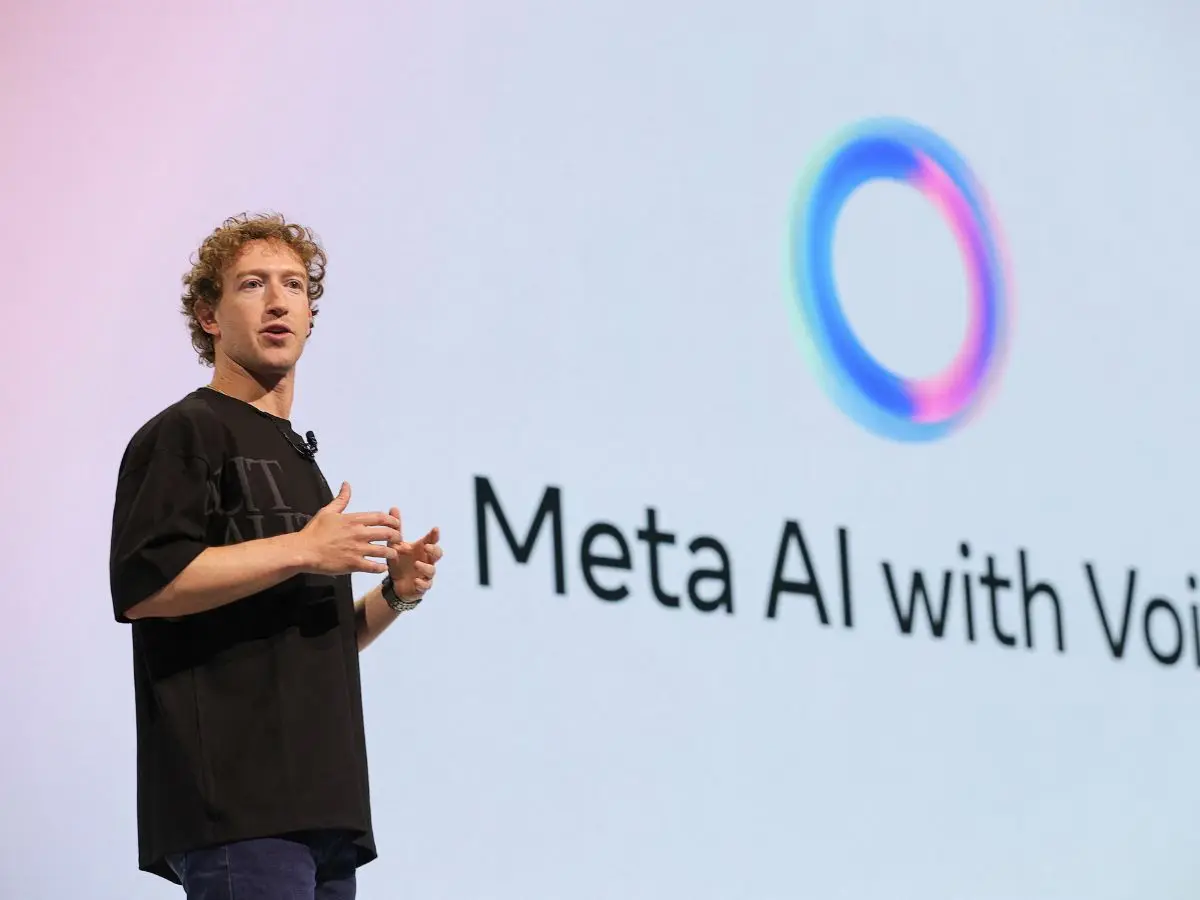
Mark Zuckerberg has bet the future of Meta on artificial intelligence, pouring billions of dollars into infrastructure, pivoting the entire company’s strategic focus, and integrating AI into every facet of his platforms. However, as the cracks in this strategy begin to show, tech analysts and investors are questioning whether Zuckerberg is leading his empire toward an unprecedented disaster. Between flawed moderation algorithms, desperate hardware pivots, and widely mocked consumer products, Meta’s transition is quickly becoming a cautionary tale of a CEO who has completely lost touch with reality.
The most glaring failure of Meta’s AI strategy is currently playing out on Instagram. In a relentless pursuit of corporate cost-cutting, the company replaced thousands of human trust-and-safety moderators with automated algorithms. The result has been catastrophic.
Legitimate small businesses and creators are finding their accounts permanently deleted for supposed "inauthentic behaviour," while coordinated bot farms effortlessly bypass the exact same AI to purchase "Verified" blue checkmarks. When an AI system cannot distinguish between a real human creator and an automated scammer, the technology is fundamentally broken.

But the software failures are only half the story; Zuckerberg's hardware track record is equally abysmal. Before the current AI obsession, he incinerated tens of billions of dollars on the Metaverse, a sterile, virtual reality wasteland that consumers overwhelmingly rejected. Attempting to pivot to augmented reality, Meta pushed the Ray-Ban smart glasses, which were met with tepid reviews, intense privacy concerns, and general consumer apathy.
Now, in a desperate bid to remain relevant in the physical AI hardware race, Zuckerberg is pushing the "Meta Pendant," an AI-powered wearable necklace. The tech world's collective response has been utter bafflement. Who on earth is going to wear an AI pendant around their neck? What does an always-listening AI necklace even accomplish that a smartphone doesn't already do better? It reeks of a CEO throwing buzzwords at the wall, completely divorced from what normal human beings actually want to buy or wear.
Beyond the hardware flops, Meta’s consumer-facing software products are just as baffling. Features like AI-generated stickers, automated chatbot personas modeled after celebrities, and synthetic image generators have been widely dismissed by users as gimmicky and useless. Instead of enhancing the core social experience of connecting with friends and family, these forced integrations contribute to a pervasive feeling of algorithmic decay across Facebook and Instagram.
Trending Stories
)
Xi Jinping's new AI bloc: China launches 'World AI Body' with Pakistan and Russia in, India out
&im=FitAndFill=(700,400))
Why the S-400 uses solid rocket fuel instead of liquid fuel
)
Explained: Why Rodri won the FIFA World Cup Golden Ball over Lionel Messi
)
Japan is selling a refrigerator to cool the human body for Rs 9 lakh. It is already a hit in Tokyo
)
Lip reader reveals what Donald Trump told every Spain and Argentina player after FIFA World Cup final during medal ceremony
)
‘Iran can survive sanctions, but can’t truly live’: Dy FM warns of economic cost of war
)
Sonam Wangchuk's connection with George Soros and Ford Foundation explained!
)
'There is no need for...': PM Modi takes a veiled dig at Rahul Gandhi, sends big message amid Parliament March
)
FACT CHECK: Was Abhijit Dipke detained during CJP's Parliament march? Here's what police say
)
‘Netanyahu will not be arrested in any way, shape, or form in US’: Trump’s counter to Mamdani
)
UP BTech gold medalist dies by suicide after failing in nearly 50 govt job attempts, leaves note for father
)
Jail over Khamenei post: J&K youth returns home after 3 months in Saudi custody
)
'Now come to us': CJP resumes protest after Parliament march violence, calls meeting with Nadda 'waste of time'
)
Salman Khan breaks silence on health concerns after viral Mumbai appearance
)
'George Soros playbook': Understanding the foreign funding network around Sonam Wangchuk
)
Indus treaty can no longer function in its current form, says India; plans 5,500 mw of new J&K hydro projects
&im=FitAndFill=(700,400))
New OTT releases this week (July 20-26, 2026): Musafir Cafe, Adarsh Baal Vidyalaya, 72 Hours- 5 new titles coming on Netflix, Prime Video and more
&im=FitAndFill=(700,400))
2026 FIFA World Cup awards: Full list of Golden Boot, Golden Ball, Golden Glove and every major winner
&im=FitAndFill=(700,400))
FIFA World Cup 2026 team of the tournament: The best XI that ruled football’s biggest stage
)
'What is wrong...': Anna Hazare breaks silence on Sonam Wangchuk's protest, makes an appeal to Centre
)
Truck loaded with stones, metro stations closed: What's happening at Jantar Mantar now
&im=FitAndFill=(700,400))
Why US fighter jets use seamless bubble canopies compared to Russian jets
&im=FitAndFill=(700,400))
Why the F-22’s cockpit glass is thicker than a standard fighter jet
)
Student union leaders call off hunger strike at Jantar Mantar after civil society appeal, but protest continues
)
'Guru is the...': Indian Education Minister Dharmendra Pradhan shares message on education amid calls for his resignation
)
Tulsi Gabbard's brother Batarti accused of luring children to hotel room in Hawaii
)
'We acted immediately...': Indian PM Modi breaks silence on paper leaks as NEET protest, calls for Education Minister's resignation grows
In his frantic rush to outpace rivals like OpenAI and Apple, Zuckerberg seems to have lost his mind—and forgotten the core product that made Meta valuable in the first place: human connection. By saturating his platforms with flawed AI, pushing nonsensical wearable pendants, and driving away the genuine human user base, he isn't securing the future of the company. He is actively engineering its decline. If Meta does not quickly correct course, Zuckerberg's AI gamble may go down as the final, fatal blunder in a long string of Silicon Valley hubris.
