&imwidth=800&imheight=600&format=webp&quality=medium "Who is Erin Brockovich? How she is pushing for Data centre transparency")
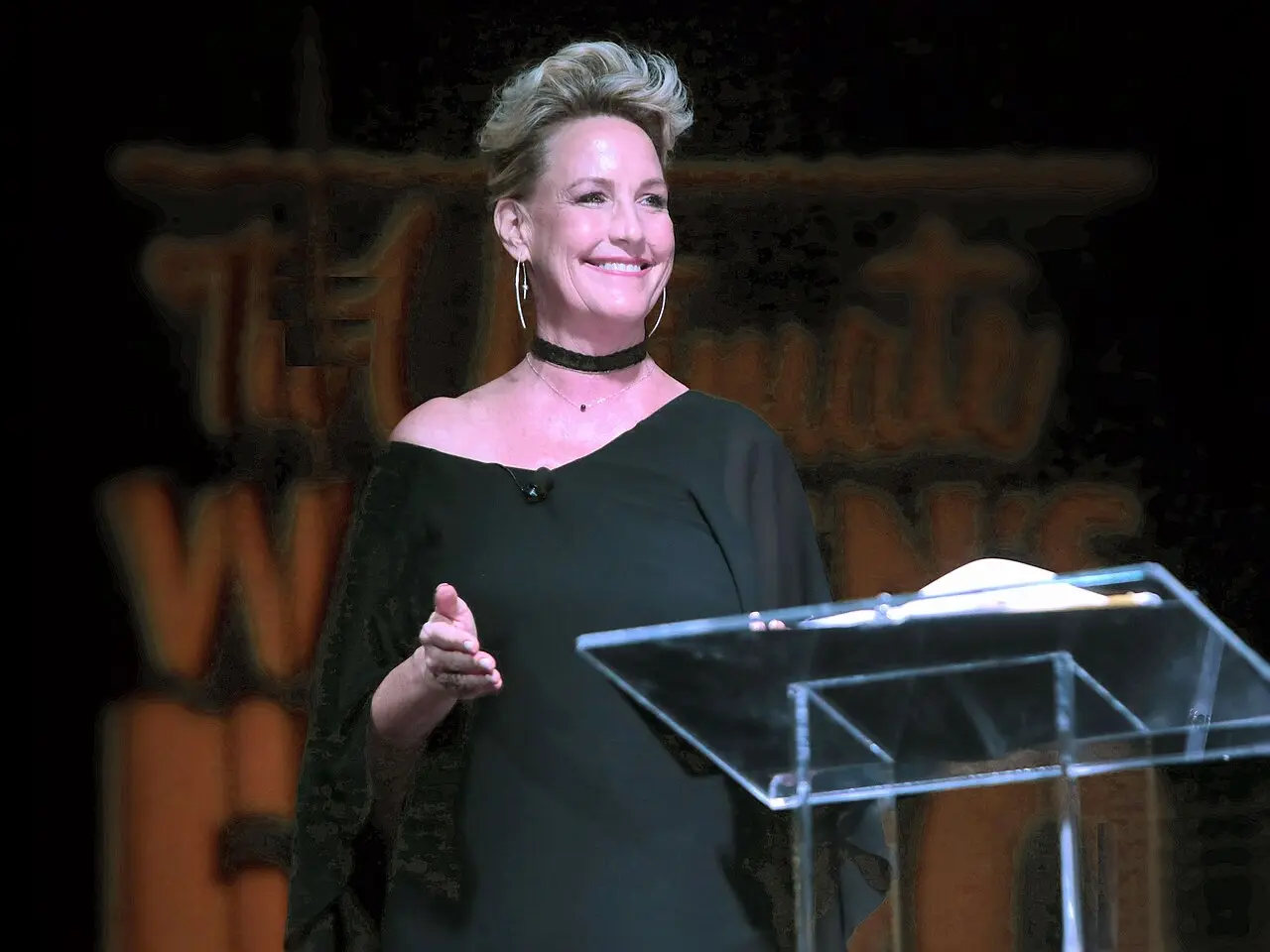
Erin Brockovich, who inspired the Academy Award-winning 2000 film, “Erin Brockovich,” starring Julia Roberts, is pushing for more transparency in the construction of the Data Centres in the United States. Brockovich wrote in a Substack post about the secrecy around the Data Centres and the lack of community input in the buildout. She termed this a “wholesale remaking of the American landscape, town by town, county by county”. This comes as there is massive capital inflow in the AI infrastructure buildout globally, and foundational AI giants like OpenAI, Anthropic and SpaceX push for an IPO. Many around the world, including Klaus Schwab, the founder of the World Economic Forum, and Financial Analysts at McKinsey, are calling this the “fourth industrial revolution”.
Who is Erin Brockovich?
Erin Brockovich is a US-based environmental activist. She started her career as a paralegal, and despite having no legal experience, she uncovered evidence that gross misconduct and toxic hexavalent chromium were leaking into the groundwater of California. She secured for the residents of Hinkley, California, a $333 million settlement against the Pacific Gas & Electric Company in the largest direct-action lawsuit in history in 1996. The story was later popularised by the award-winning biographical film Erin Brockovich in 2000. Since then, she has gone on to write multiple books about environmental policy and fictional thrillers based on her real-life experience. She continues to advocate for the victims of environmental damage across the country.

How is she pushing for Data centre transparency?
Erin Brockovich has started documenting the data centre across the US. Her website, brockovichdatacenter.com, is compiling complaints across the US to create an interactive map of all the data centres proposed, under construction or operational. “The single most common concern—more than noise, more than water usage, more than rising utility bills—is the one word that keeps appearing in submission after submission: transparency,” wrote Erin Brockovich in her Substack post. She has received nearly 4000 reports across the 50 states about data centre development in their communities.
Trending Stories
&im=FitAndFill=(700,400))
FIFA World Cup 2026 awards race: Who are Golden Boot, Golden Ball and Golden Glove contenders ahead of the final
)
Did Iran secretly ship 70 million barrels of oil to China? Report claims $6 billion crude exported before blockade restored
)
'George Soros playbook': Understanding the foreign funding network around Sonam Wangchuk
)
'Could be bombed at any moment': What Iran's Araghchi told Trump envoy Witkoff during negotiations
&im=FitAndFill=(700,400))
Why the F-22’s tail fins are canted to minimize its radar footprint
)
Sonam Wangchuk's connection with George Soros and Ford Foundation explained!
&im=FitAndFill=(700,400))
FIFA World Cup 2026: 5 football stars who went viral on social media during the tournament
)
'Chalo Sansad' march today: Section 163 in force, Delhi Police remove barricades; unfazed Dharmendra Pradhan meets NEET topper
)
'What is wrong...': Anna Hazare breaks silence on Sonam Wangchuk's protest, makes an appeal to Centre
&im=FitAndFill=(700,400))
IN PICS | Top 10 unforgettable moments from FIFA World Cup 2026
)
FIFA 2026: BTS lights up World Cup final halftime show with 'Dynamite' performance
)
Truck loaded with stones, metro stations closed: What's happening at Jantar Mantar now
)
UK court denies bail to Indian merchant navy captain held in Russian oil tanker case
&im=FitAndFill=(700,400))
Global air power ranking 2026: India surpasses China
&im=FitAndFill=(700,400))
Why the F-22’s cockpit glass is thicker than a standard fighter jet
)
Argentina's racism problem: How football chants reflect a deeper historical legacy
&im=FitAndFill=(700,400))
2026 FIFA World Cup awards: Full list of Golden Boot, Golden Ball, Golden Glove and every major winner
)
Karoline Leavitt to be US Vice President when Usha Vance gives birth? JD Vance says...
)
JD and Usha Vance welcome fourth child: Who serves as acting US vice president during Vance's paternity leave?
)
Xi Jinping's new AI bloc: China launches 'World AI Body' with Pakistan and Russia in, India out
)
Student union leaders call off hunger strike at Jantar Mantar after civil society appeal, but protest continues
)
Imran Khan's sister links India-Pakistan 2025 conflict to Israel recognition plans
)
Homer's Iliad written before The Odyssey found inside an Egyptian mummy
)
Older than Himalayas: 85mn-year-old Kewra plant reached India 24mn years ago, fossil discovery in Assam shows
)
US strikes Iran, sirens heard in Kuwait, one American soldier killed in Iraq: What's happening in West Asia
)
BTS at FIFA 2026: Check the halftime show timings for India and across the world
)
'There is no need for...': PM Modi takes a veiled dig at Rahul Gandhi, sends big message amid Parliament March
Brockovich argues that while many communities have welcomed data centres, others do not have information about these secret projects. She argues that if AI data centres are such a tremendous benefit to communities, why are so many of them being built without meaningful community input? “What is not acceptable is the pattern our map documents: projects announced after permits are already secured, developers who don’t return calls, local officials who signed NDAs before their neighbours knew a project was being considered.” Her website cites a number of examples, one of them being Meta’s planned $27 billion Hyperion data centre that is set to take up 4,000 acres near LA, which had not been notified to the communities. Erin claims that such cases are more frequent.
Studies by Carnegie Mellon University show that Data centres could raise the average US household electricity bill by 8 per cent by 2030. “Transparency means notifying residents before decisions are made, not after. It means public hearings with real, complete information about energy consumption, water use, noise levels, and effects on local infrastructure.”