
&imwidth=800&imheight=600&format=webp&quality=medium "Iran claims to down US MQ-1 drone that 'entered Iranian territory': What are its features and how powerful is it | WION Decodes")
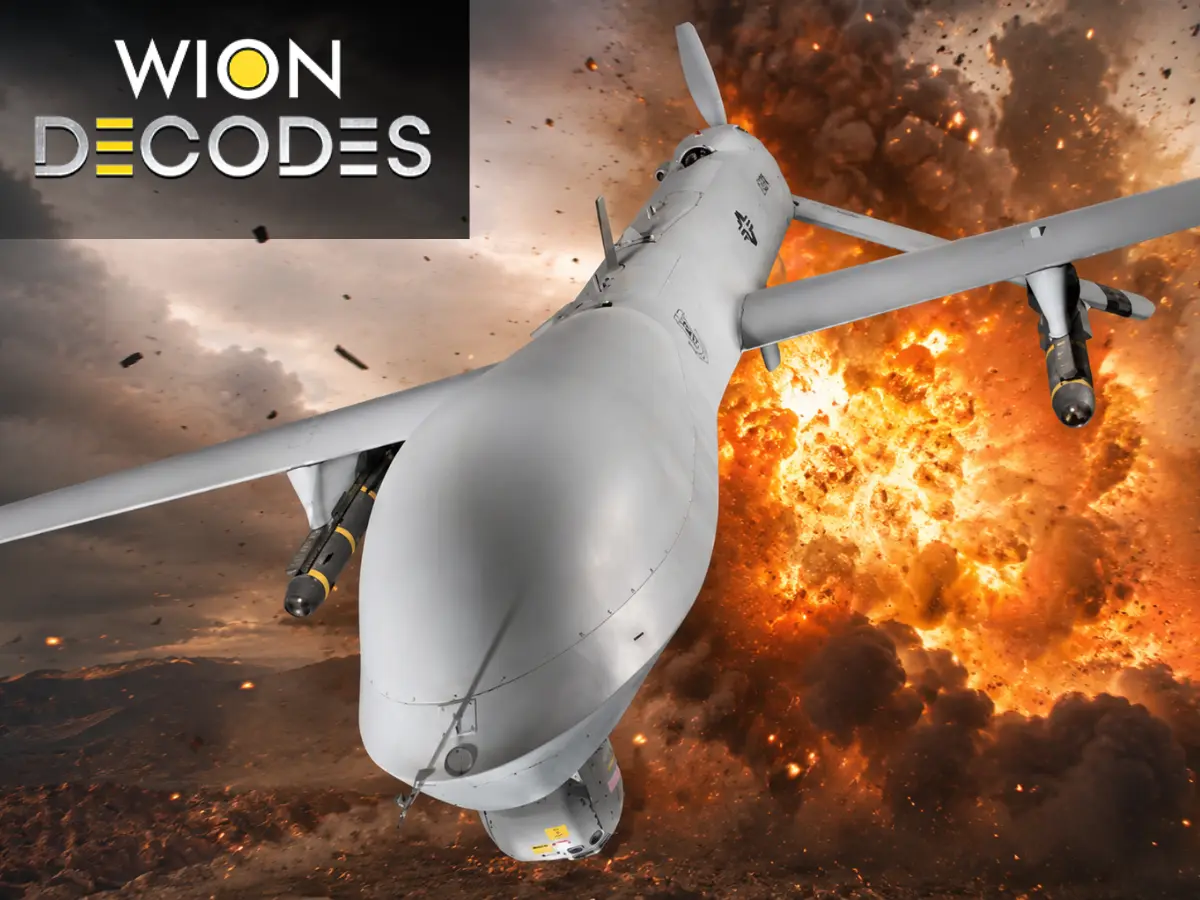
Iran on Sunday (May 31) claimed to have shot down a US drone that entered Iran’s territorial waters. Iran’s IRIB broadcaster, carried a statement from the Islamic Revolutionary Guard Corps (IRGC) in which it said that the MQ1 drone “attempted to carry out a hostile operation but was immediately detected and targeted.” The statement added that the drone was shot down by “Revolutionary Guard’s modern defense missiles.” IRGC also issued additional warning saying that “any aggression will be dealt with decisively.” Earlier, the IRGC declared that it retained the "legitimate and definite" right to respond to any violation of the ceasefire by the United States. This comes after US forces conducted self-defence strikes in southern Iran to protect our troops from threats posed by Iranian forces. Till now, Iran and the US has not been able to strike a deal to end the war.
What is MQ1 drone?

The US MQ-1 Predator is an unmanned aerial vehicle (UAV) developed by General Atomics Aeronautical Systems. It is one of the world's first widely recognised military drones capable of both long-endurance surveillance and precision strikes. It is capable of airborne for more than 24 hours and was adapted to carry two AGM-114 Hellfire missiles. It requires a ground crew for takeoff and landing via a line-of-sight signal. Once airborne, control is handed over to a remote pilot and two sensor operators in a stateside ground control station via satellite data links.
Also Read: How Iran-linked network allegedly tricked American companies into supplying military tech
Introduced in the mid-1990s, the Predator transitioned the role of drones from mere observation to active engagement. It saw extensive combat in Afghanistan, Iraq, Pakistan, and Yemen, allowing the US to track and engage time-sensitive targets without risking a pilot's life. While the US Air Force officially retired the MQ-1 Predator in favor of the heavier, faster, and more heavily armed MQ-9 Reaper in 2018, the aircraft remains in limited international service.
Trending Stories
)
Xi Jinping's new AI bloc: China launches 'World AI Body' with Pakistan and Russia in, India out
&im=FitAndFill=(700,400))
Why the S-400 uses solid rocket fuel instead of liquid fuel
)
Explained: Why Rodri won the FIFA World Cup Golden Ball over Lionel Messi
)
Japan is selling a refrigerator to cool the human body for Rs 9 lakh. It is already a hit in Tokyo
)
Lip reader reveals what Donald Trump told every Spain and Argentina player after FIFA World Cup final during medal ceremony
)
‘Iran can survive sanctions, but can’t truly live’: Dy FM warns of economic cost of war
)
Sonam Wangchuk's connection with George Soros and Ford Foundation explained!
)
'There is no need for...': PM Modi takes a veiled dig at Rahul Gandhi, sends big message amid Parliament March
)
FACT CHECK: Was Abhijit Dipke detained during CJP's Parliament march? Here's what police say
)
‘Netanyahu will not be arrested in any way, shape, or form in US’: Trump’s counter to Mamdani
)
UP BTech gold medalist dies by suicide after failing in nearly 50 govt job attempts, leaves note for father
)
Jail over Khamenei post: J&K youth returns home after 3 months in Saudi custody
)
'Now come to us': CJP resumes protest after Parliament march violence, calls meeting with Nadda 'waste of time'
)
Salman Khan breaks silence on health concerns after viral Mumbai appearance
)
'George Soros playbook': Understanding the foreign funding network around Sonam Wangchuk
)
Indus treaty can no longer function in its current form, says India; plans 5,500 mw of new J&K hydro projects
&im=FitAndFill=(700,400))
New OTT releases this week (July 20-26, 2026): Musafir Cafe, Adarsh Baal Vidyalaya, 72 Hours- 5 new titles coming on Netflix, Prime Video and more
&im=FitAndFill=(700,400))
2026 FIFA World Cup awards: Full list of Golden Boot, Golden Ball, Golden Glove and every major winner
&im=FitAndFill=(700,400))
FIFA World Cup 2026 team of the tournament: The best XI that ruled football’s biggest stage
)
'What is wrong...': Anna Hazare breaks silence on Sonam Wangchuk's protest, makes an appeal to Centre
)
Truck loaded with stones, metro stations closed: What's happening at Jantar Mantar now
&im=FitAndFill=(700,400))
Why US fighter jets use seamless bubble canopies compared to Russian jets
&im=FitAndFill=(700,400))
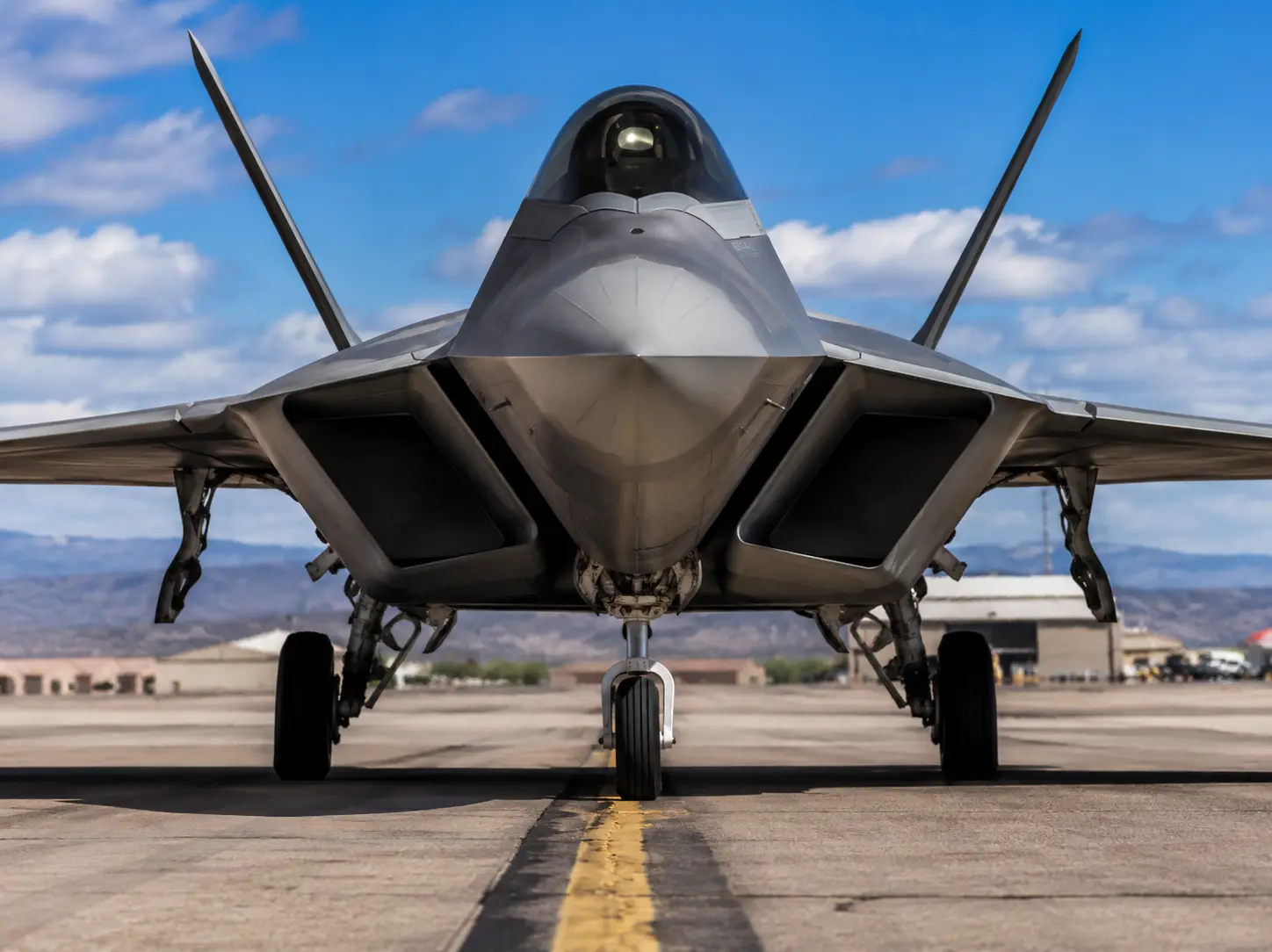
Why the F-22’s cockpit glass is thicker than a standard fighter jet
)
Student union leaders call off hunger strike at Jantar Mantar after civil society appeal, but protest continues
)
'Guru is the...': Indian Education Minister Dharmendra Pradhan shares message on education amid calls for his resignation
)
Tulsi Gabbard's brother Batarti accused of luring children to hotel room in Hawaii
)
'We acted immediately...': Indian PM Modi breaks silence on paper leaks as NEET protest, calls for Education Minister's resignation grows

