Iran nuclear deal: What are major issues bedevilling talks on its revival?


Ebrahim Raisi
While months of negotiations have entered a crucial stage, Iran and the United States are struggling to overcome divisions on three major issues in indirect talks on the revival of a 2015 nuclear deal.
Calling on the United States to show flexibility to resolve three remaining issues, Iranian Foreign Minister Hossein Amirabdollahian responded to the European Union's "final" draft text to save the deal.
Revolutionary Guards Corps (IRGC):

Washington's refusal to remove its elite Revolutionary Guards Corps (IRGC) from the US Foreign Terrorist Organisation (FTO) list broke down talks in which a broad outline of the revived deal was essentially agreed upon in March.
Reporting directly to Iran’s Supreme leader Ayatollah Ali Khamenei, IRGC is Iran's most powerful military force with political clout and an industrial empire.
)
Student union leaders call off hunger strike at Jantar Mantar after civil society appeal, but protest continues
&im=FitAndFill=(700,400))
Meet top 5 batters with most runs in India vs Zimbabwe T20Is
)
Kaylee Hottle was unconscious: Shocking details from first responders revealed after teen star's death
)
'Not permitted ...': IIT Roorkee issues gag order as students' protest intensifies
&im=FitAndFill=(700,400))
World's top 7 most liveable cities in 2026 — Check where India and Pakistan stand
)
Trump announces 200% tariff on generic drugs: Here's what it means for 'Pharmacy of the World' India
)
'Criticising him after two or three matches isn't justified': Sikandar Raza backs Vaibhav Sooryavanshi
)
3.5-million-year-old mystery creature found in Japan is a 'giant' never seen before
&im=FitAndFill=(700,400))
New OTT releases this week (July 20-26, 2026): Musafir Cafe, Adarsh Baal Vidyalaya, 72 Hours- 5 new titles coming on Netflix, Prime Video and more
)
'George Soros playbook': Understanding the foreign funding network around Sonam Wangchuk
)
'What is wrong...': Anna Hazare breaks silence on Sonam Wangchuk's protest, makes an appeal to Centre
)
'Is that a back-up Trump?' Mysterious look-alike standing behind Donald Trump baffles netizens
)
JP Nadda, Jitendra Singh meet Sonam Wangchuk at Medanta Hospital: Report
)
Is Pentagon hiding missile shortage from Trump? US officials raise alarm over Iran war readiness
&im=FitAndFill=(700,400))
FIFA World Cup 2026 team of the tournament: The best XI that ruled football’s biggest stage
)
'We acted immediately...': Indian PM Modi breaks silence on paper leaks as NEET protest, calls for Education Minister's resignation grows
)
‘He's the architect of the genocide against Palestinians’: Mamdani repeats Netanyahu will be arrested if he visits US
&im=FitAndFill=(700,400))
Why US fighter jets use seamless bubble canopies compared to Russian jets
)
Sonam Wangchuk's connection with George Soros and Ford Foundation explained!
)
‘Centre had no interest in having a debate’: LoP Rahul Gandhi demands resignation of Dharmendra Pradhan, Amit Shah
)
Donald Trump heading for a tough midterm elections as approval ratings fall
)
Salman Khan breaks silence on health concerns after viral Mumbai appearance
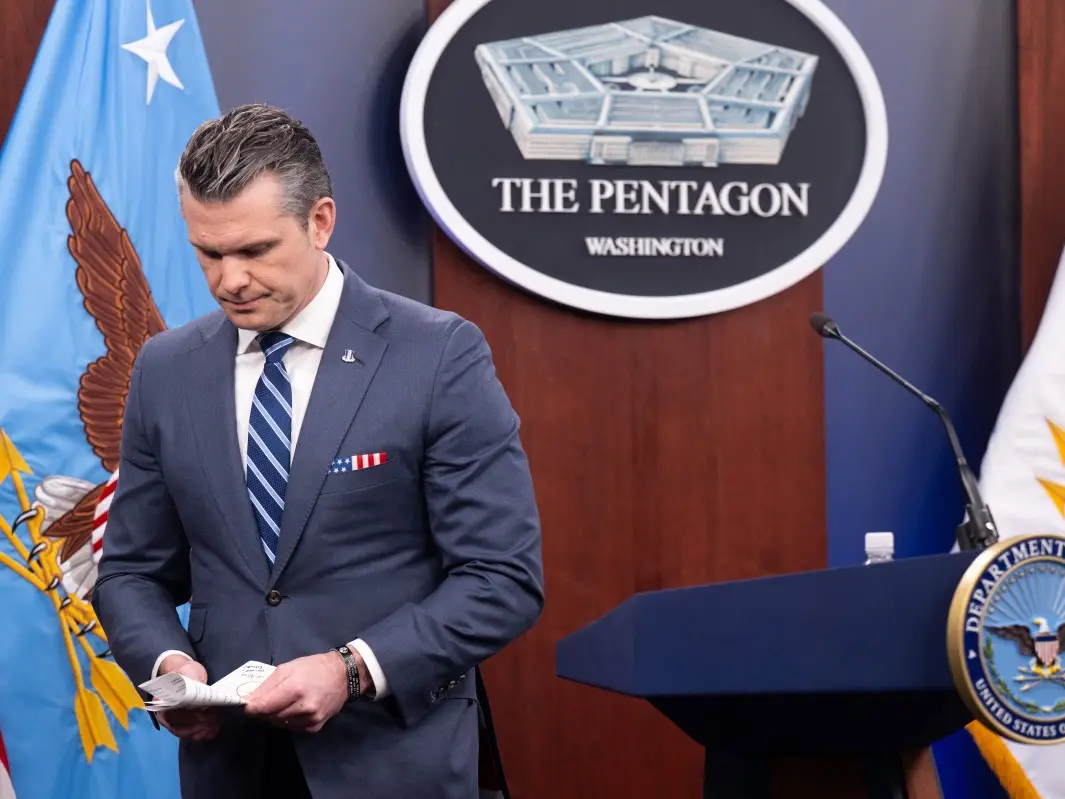)
US-Iran war cost hits $37.5 billion as Hegseth seeks $67 billion more for Pentagon
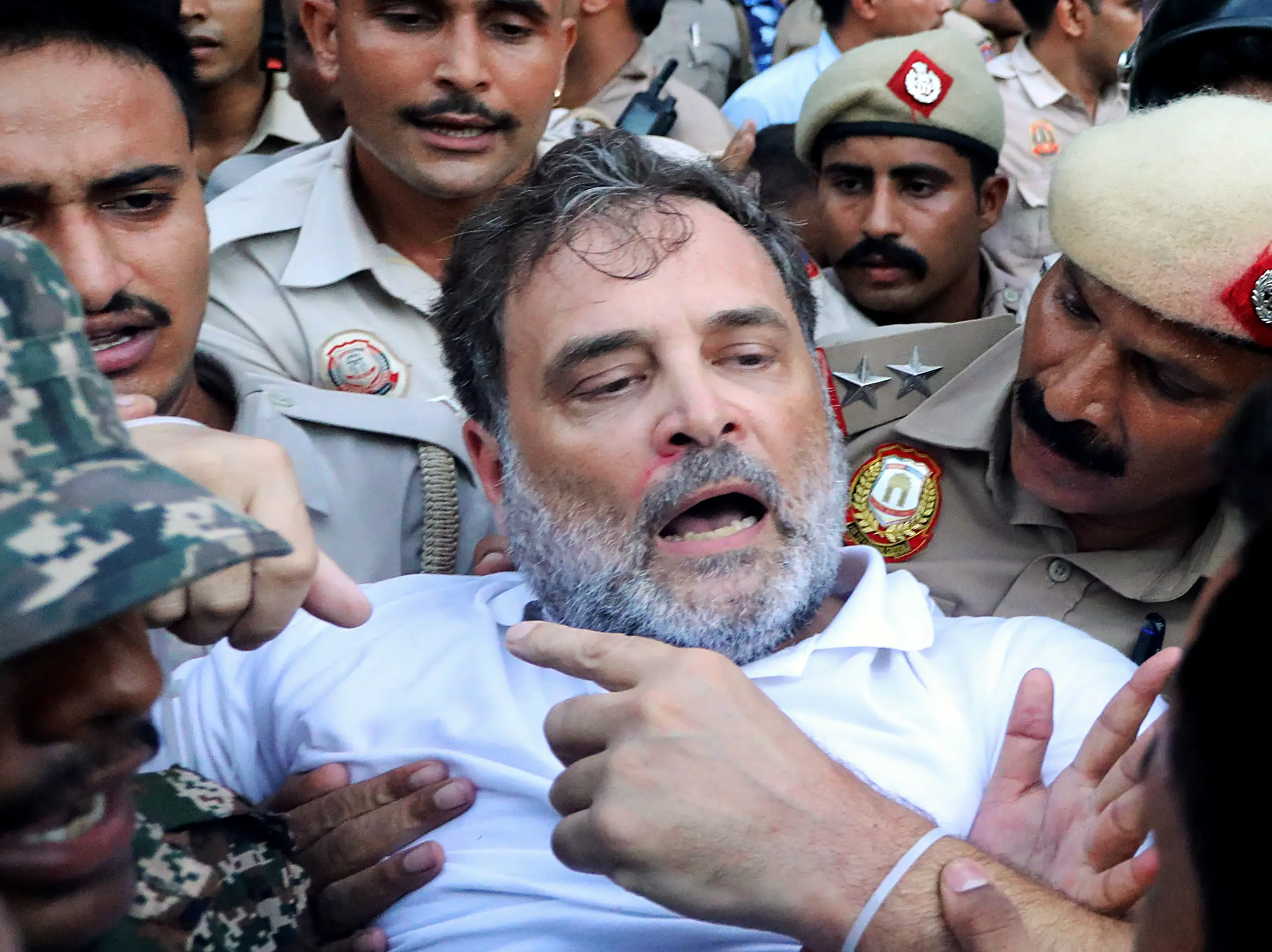)
'This should not happen in a democracy': Shashi Tharoor slams detention of Rahul Gandhi, Priyanka Gandhi after protest outside PM Modi's residence
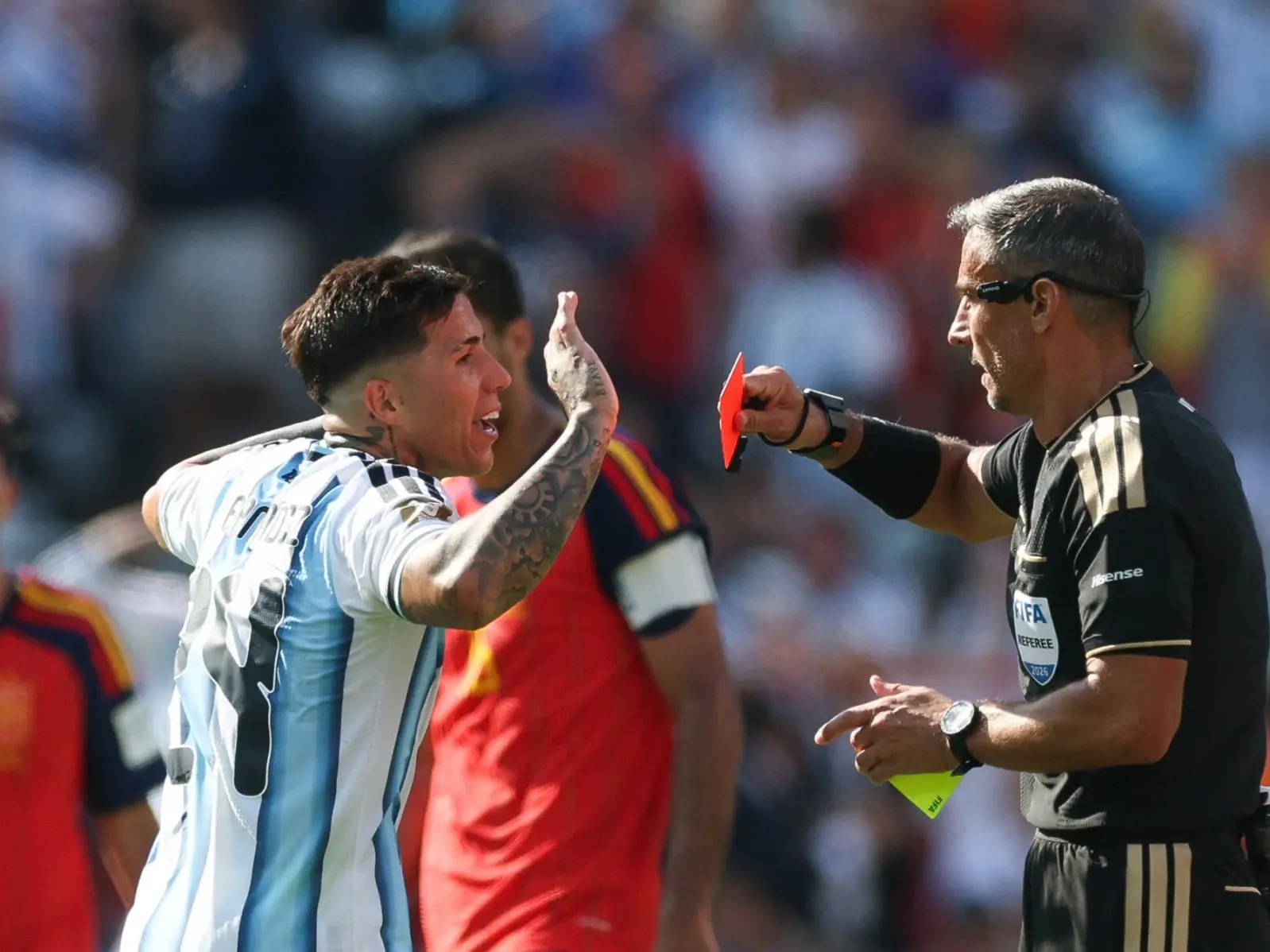)
FIFA 2026 | 'I am truly sorry': Argentina's Enzo Fernandez, who get red card in final, reacts to loss
&im=FitAndFill=(700,400))
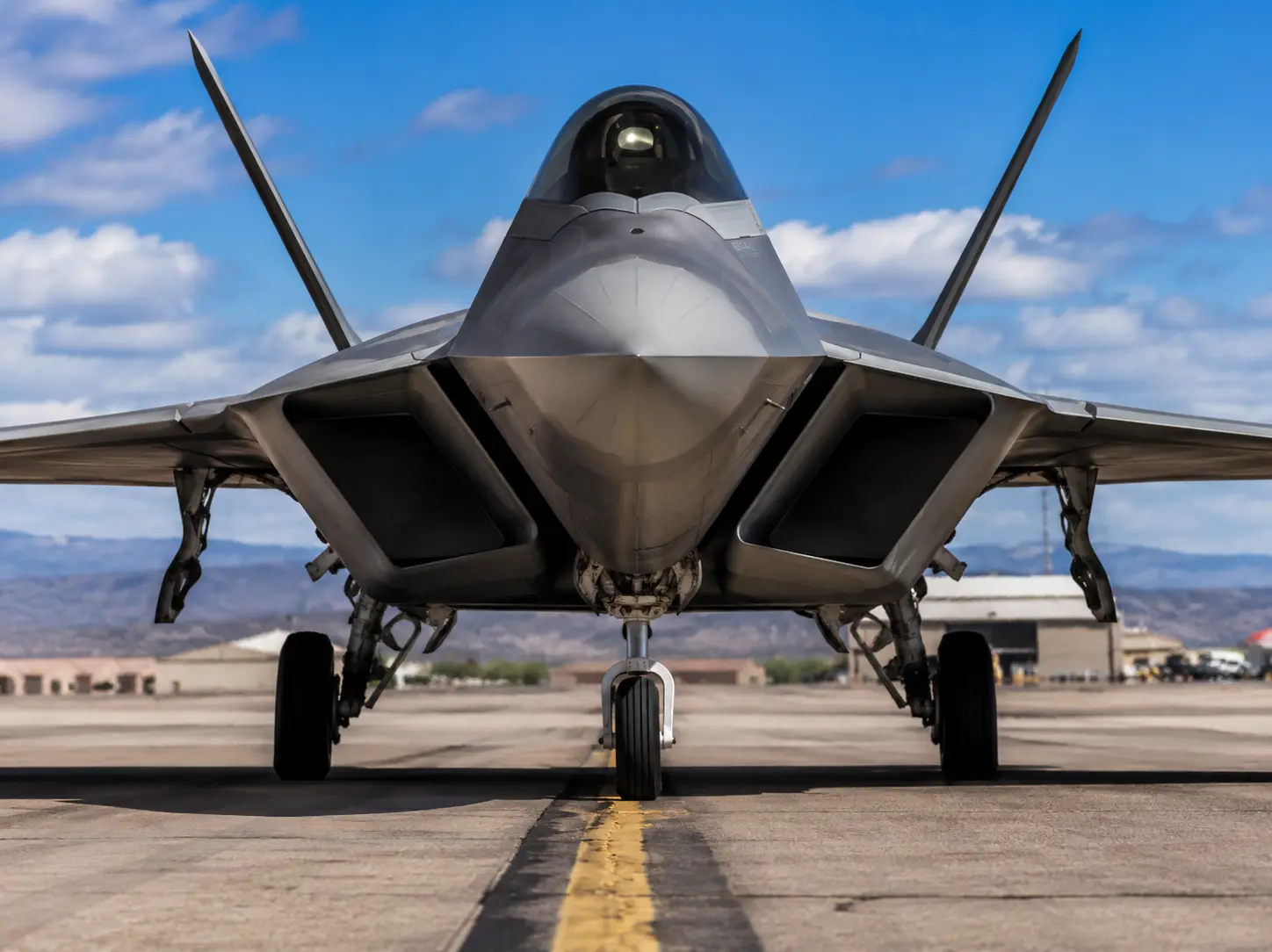
Why the F-22’s cockpit glass is thicker than a standard fighter jet
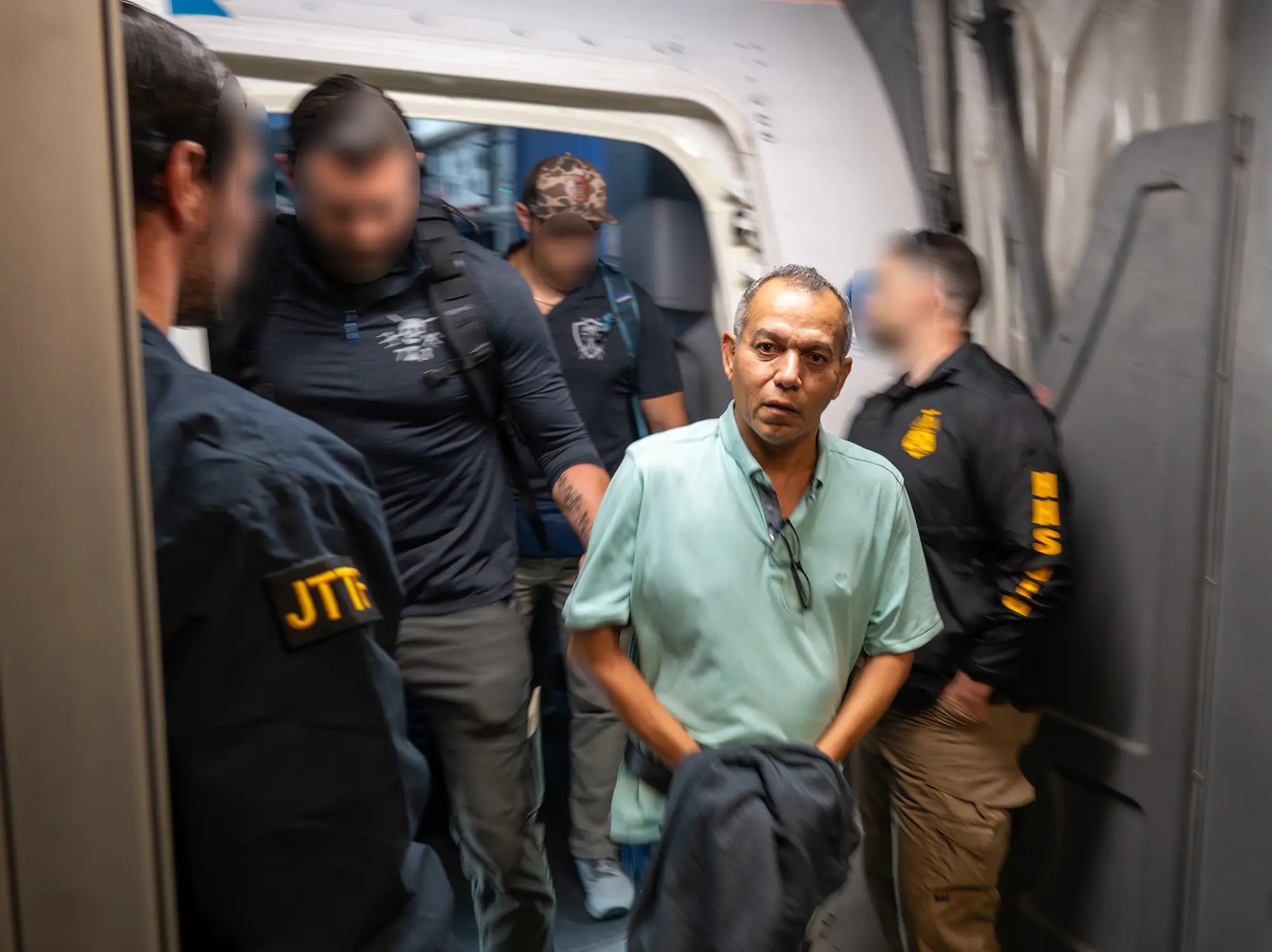)
FBI arrests alleged $547mn medicare fraud fugitive after 3-year global manhunt
&im=FitAndFill=(700,400))
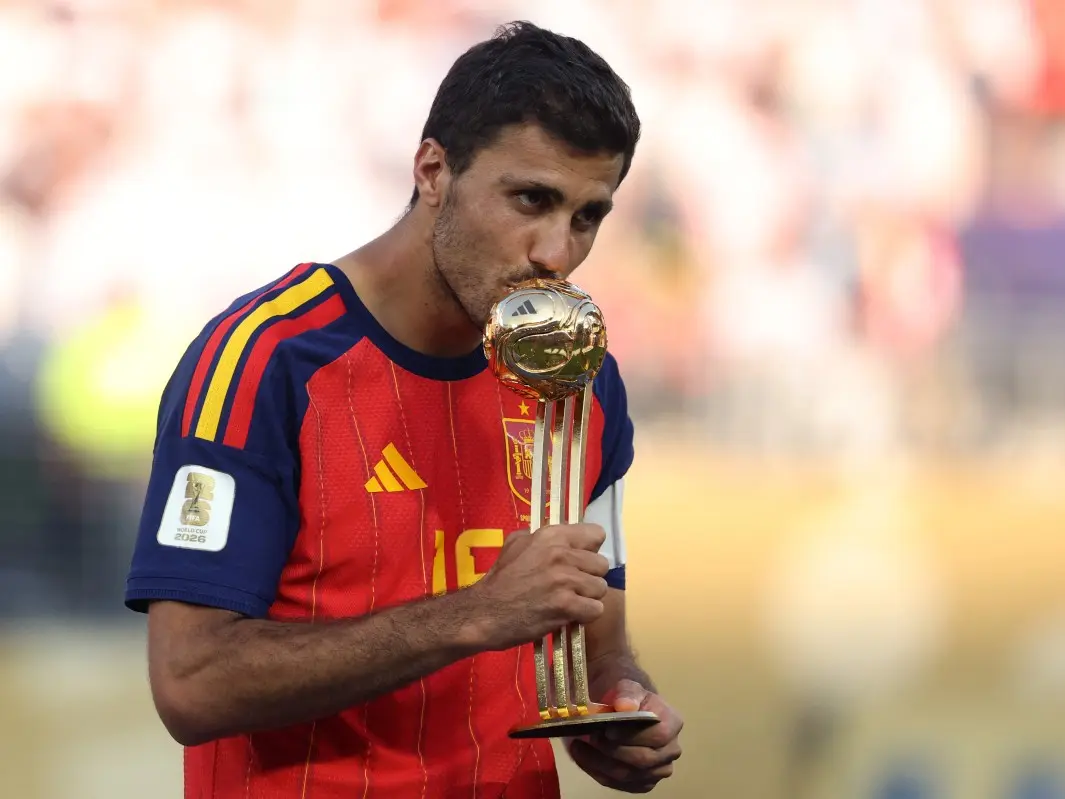
2026 FIFA World Cup awards: Full list of Golden Boot, Golden Ball, Golden Glove and every major winner
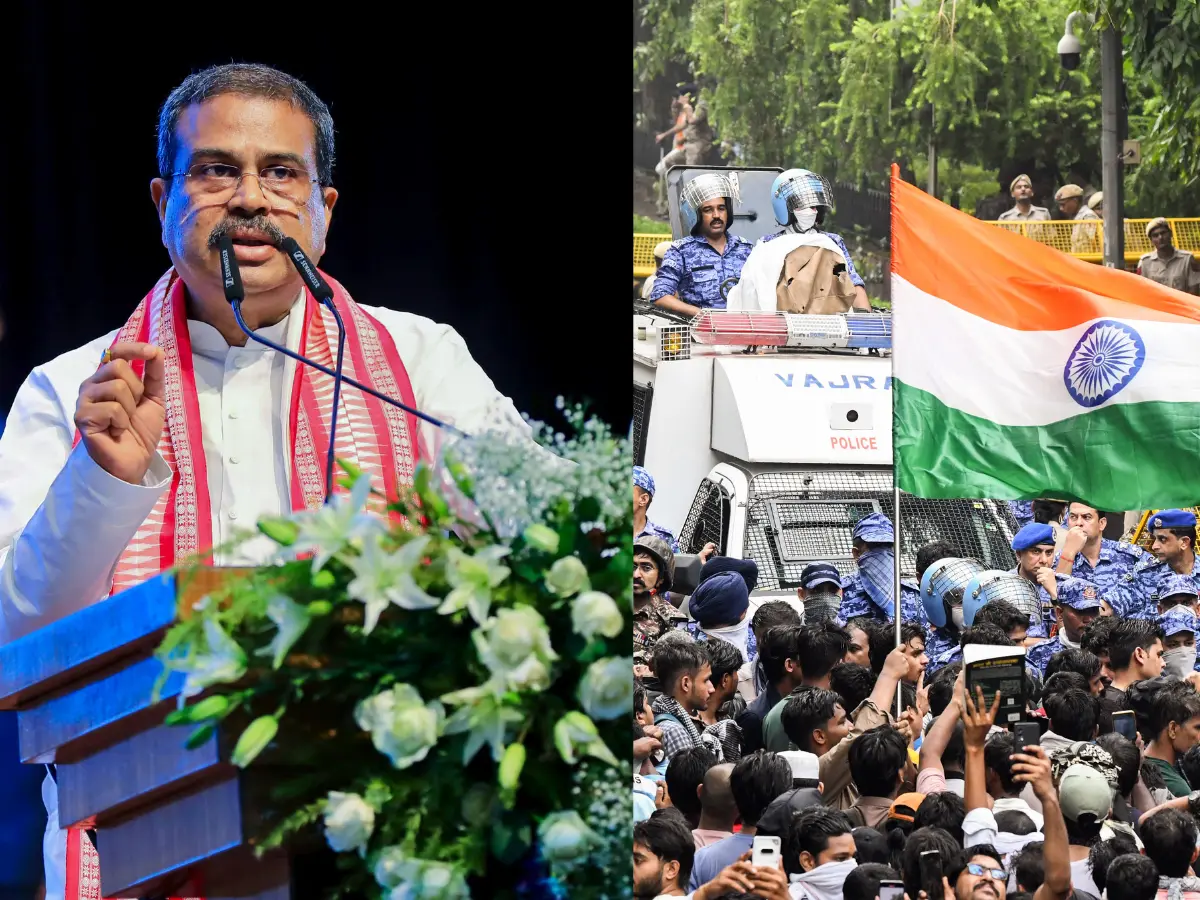)
'Guru is the...': Indian Education Minister Dharmendra Pradhan shares message on education amid calls for his resignation
)
UP BTech gold medalist dies by suicide after failing in nearly 50 govt job attempts, leaves note for father
In order to give diplomacy a chance, the demand had been taken off the table in June and Iran agreed to discuss the matter once the 2015 pact is revived.
When Iran demanded the removal of sanctions on some economic units of the Guards in return, the US said that Tehran was making “unacceptable demands” going beyond the text of the 2015 nuclear deal.
Binding guarantees:
Although Iran is seeking guarantees that "no US administration" will renege on a revived pact, President Joe Biden cannot promise this because the nuclear deal is a non-binding political understanding.
In 2018, then-President Donald Trump withdrew Washington from the deal and reimposed sanctions on Iran.
In return for relief from sanctions by the US, European Union and United Nations, Iran agreed to curb its nuclear programme in 2015.
Due to opposition from Republican senators, US President Barrack Obama could not make the pact a treaty.
If Washington ditches the deal again, financial penalties should be levied on Western companies, according to Tehran's proposed solutions.
Uranium traces:
Washington and other Western powers view Tehran's demand of the International Atomic Energy Agency (IAEA) drop its claims about Tehran's nuclear work as outside the scope of reviving the deal.
Failing Iran for failing to explain uranium traces found at three undeclared sites, the West imposed further sanctions on the country.
After removing essentially all the IAEA's monitoring equipment installed under the 2015 deal, Iran reacted by further expanding its underground uranium enrichment by installing cascades of more efficient advanced centrifuges.
Calling the move a potentially a "fatal blow" to the revival of the agreement, IAEA chief Rafael Grossi said that as part of the core monitoring in Iran that predates the 2015 deal, more than 40 cameras would keep operating.
(With inputs from agencies)
Watch WION's live TV here