
&imwidth=800&imheight=600&format=webp&quality=medium "‘Satanism’ or music? Iran shuts down popular cafe in Tehran for THIS reason")
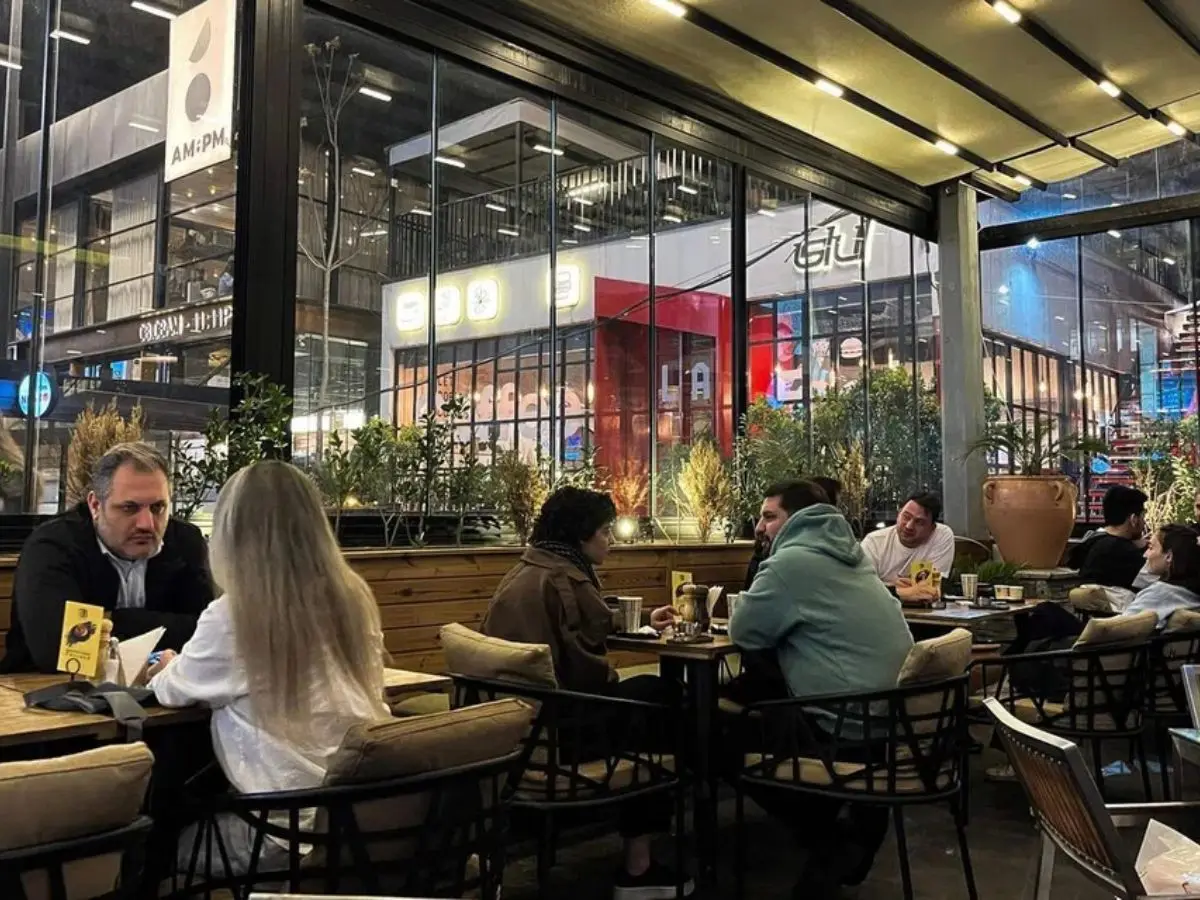
Iranian authorities have shut down a cafe in central Tehran, accusing it of promoting “satanic” activities, local media reported on Sunday (May 31). The cafe, located on the popular Valiasr Street, had reportedly hosted events featuring Western-style music.
According to a Fars news agency, the cafe “provided a setting for abnormal behaviours”. Meanwhile, Mehr News Agency reported that police alleged some visitors were participating in “satanic movements.”
In a 14-second video released by Tasnim News Agency, a crowded venue was shown where musicians played guitars while audience members were seen moving to the rhythm. The clip did not contain any audio.

Iran has a long history of conducting raids and arrests against individuals and groups accused of promoting what they describe as “satanic” ideologies. Over the years, several events linked to alternative youth cultures have come under scrutiny, with some rock and heavy metal concerts being labelled by officials as events associated with satanism.
The Islamic Republic has a longstanding record of cracking down on activities it views as incompatible with Islamic values or excessively influenced by Western culture. From music events and social gatherings to fashion trends and cultural movements, authorities have often taken action against expressions they believe challenge the country’s religious and cultural norms.
Earlier in late March, Iranian authorities shut down all Tehran branches of the popular Lamiz cafe chain over takeaway cup designs they claimed referred to the killing of former supreme leader Ali Khamenei in US-Israeli strikes.
Trending Stories
)
Xi Jinping's new AI bloc: China launches 'World AI Body' with Pakistan and Russia in, India out
&im=FitAndFill=(700,400))
Why the S-400 uses solid rocket fuel instead of liquid fuel
)
Explained: Why Rodri won the FIFA World Cup Golden Ball over Lionel Messi
)
Japan is selling a refrigerator to cool the human body for Rs 9 lakh. It is already a hit in Tokyo
)
Lip reader reveals what Donald Trump told every Spain and Argentina player after FIFA World Cup final during medal ceremony
)
‘Iran can survive sanctions, but can’t truly live’: Dy FM warns of economic cost of war
)
Sonam Wangchuk's connection with George Soros and Ford Foundation explained!
)
'There is no need for...': PM Modi takes a veiled dig at Rahul Gandhi, sends big message amid Parliament March
)
FACT CHECK: Was Abhijit Dipke detained during CJP's Parliament march? Here's what police say
)
‘Netanyahu will not be arrested in any way, shape, or form in US’: Trump’s counter to Mamdani
)
UP BTech gold medalist dies by suicide after failing in nearly 50 govt job attempts, leaves note for father
)
Jail over Khamenei post: J&K youth returns home after 3 months in Saudi custody
)
'Now come to us': CJP resumes protest after Parliament march violence, calls meeting with Nadda 'waste of time'
)
Salman Khan breaks silence on health concerns after viral Mumbai appearance
)
'George Soros playbook': Understanding the foreign funding network around Sonam Wangchuk
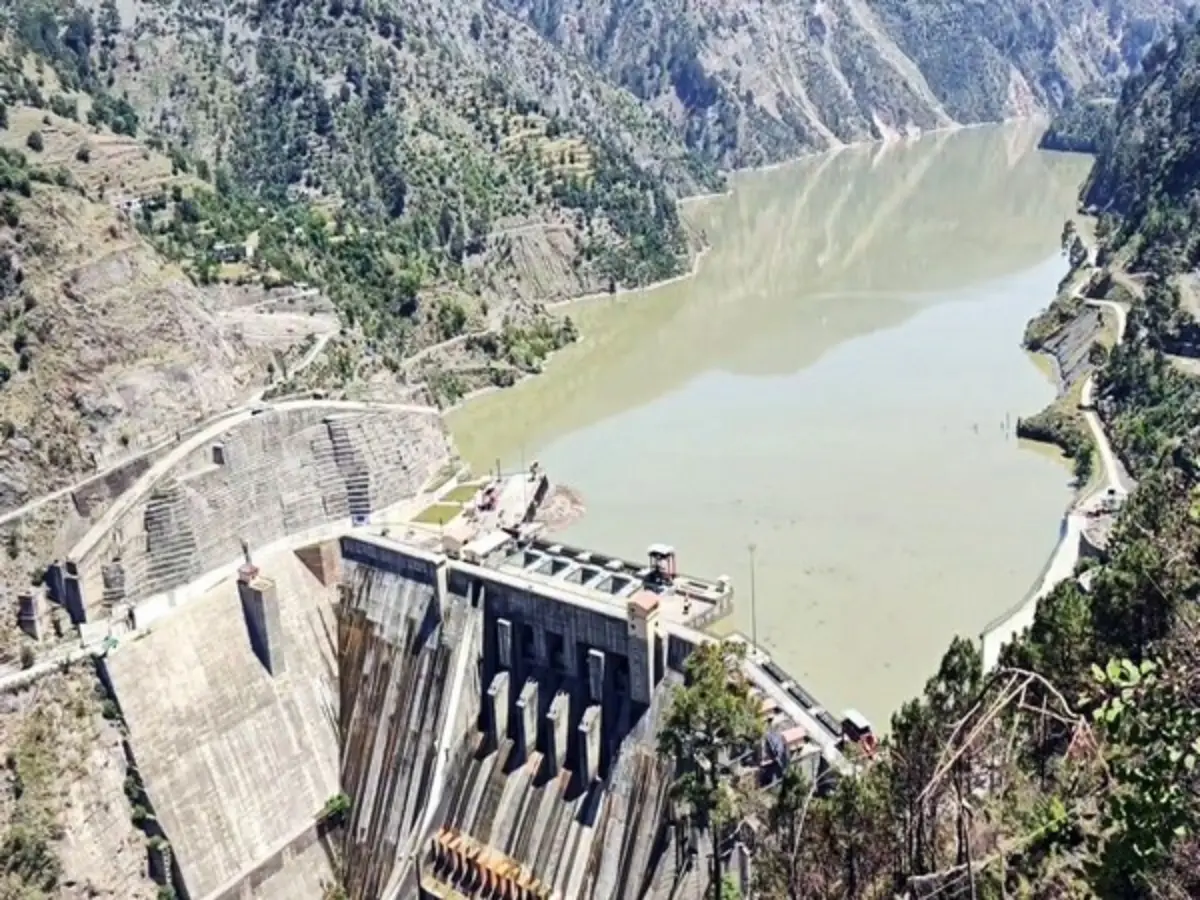)
Indus treaty can no longer function in its current form, says India; plans 5,500 mw of new J&K hydro projects
&im=FitAndFill=(700,400))
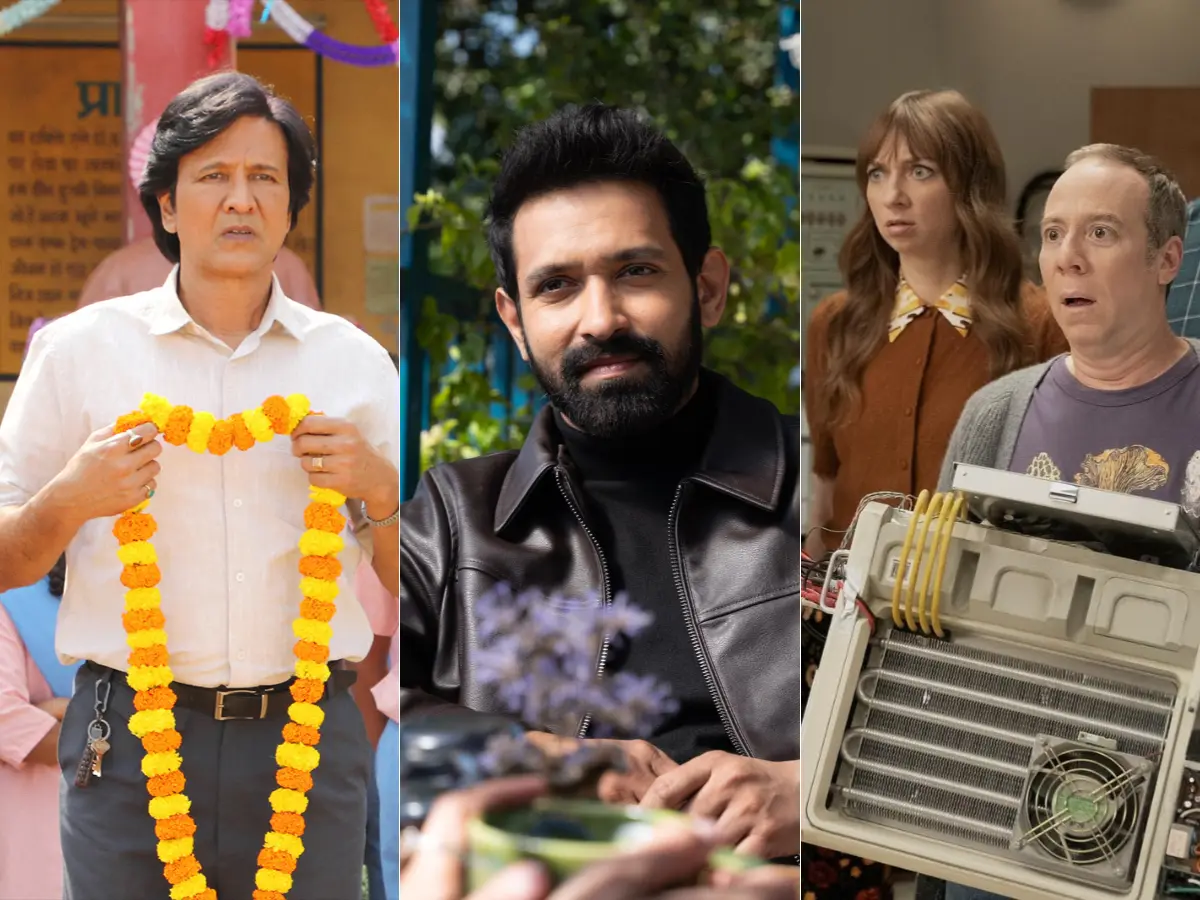
New OTT releases this week (July 20-26, 2026): Musafir Cafe, Adarsh Baal Vidyalaya, 72 Hours- 5 new titles coming on Netflix, Prime Video and more
&im=FitAndFill=(700,400))
2026 FIFA World Cup awards: Full list of Golden Boot, Golden Ball, Golden Glove and every major winner
&im=FitAndFill=(700,400))
FIFA World Cup 2026 team of the tournament: The best XI that ruled football’s biggest stage
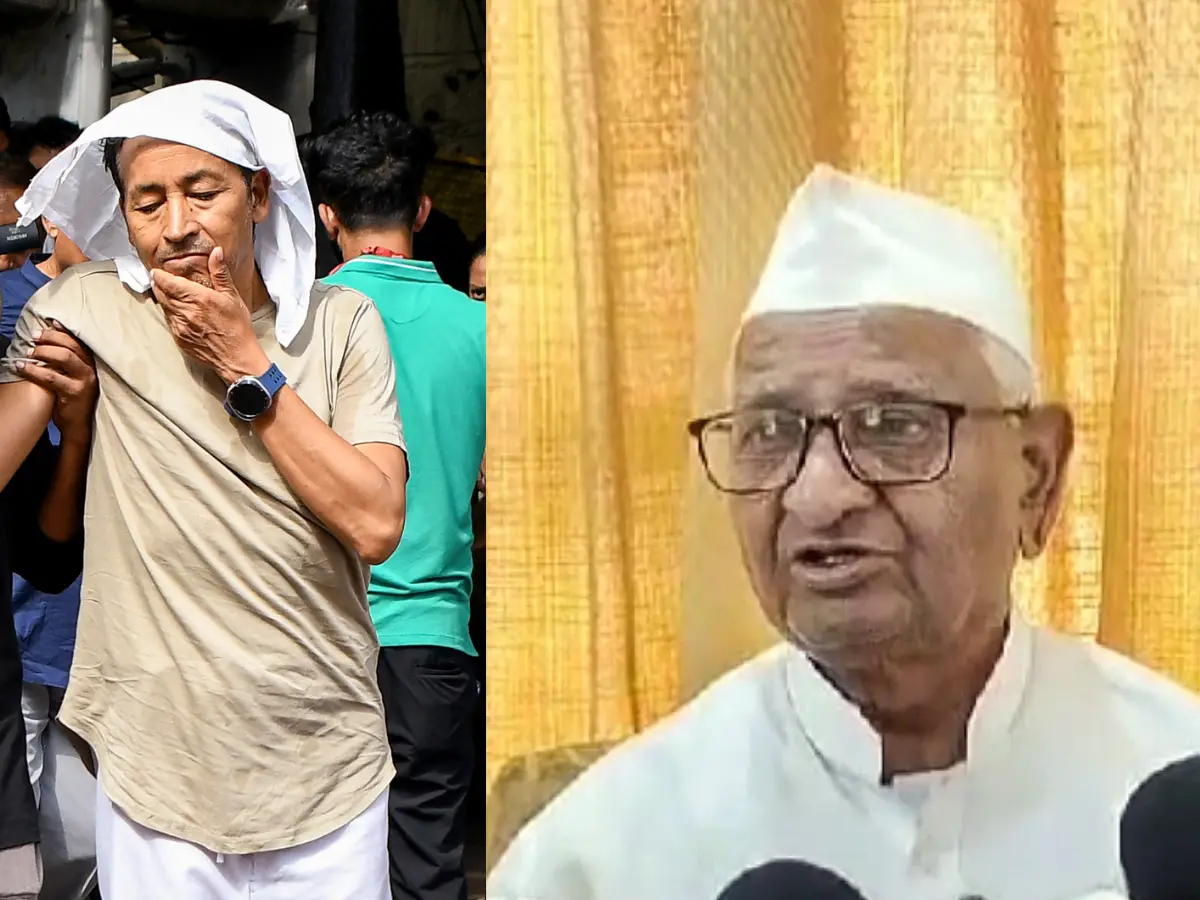)
'What is wrong...': Anna Hazare breaks silence on Sonam Wangchuk's protest, makes an appeal to Centre
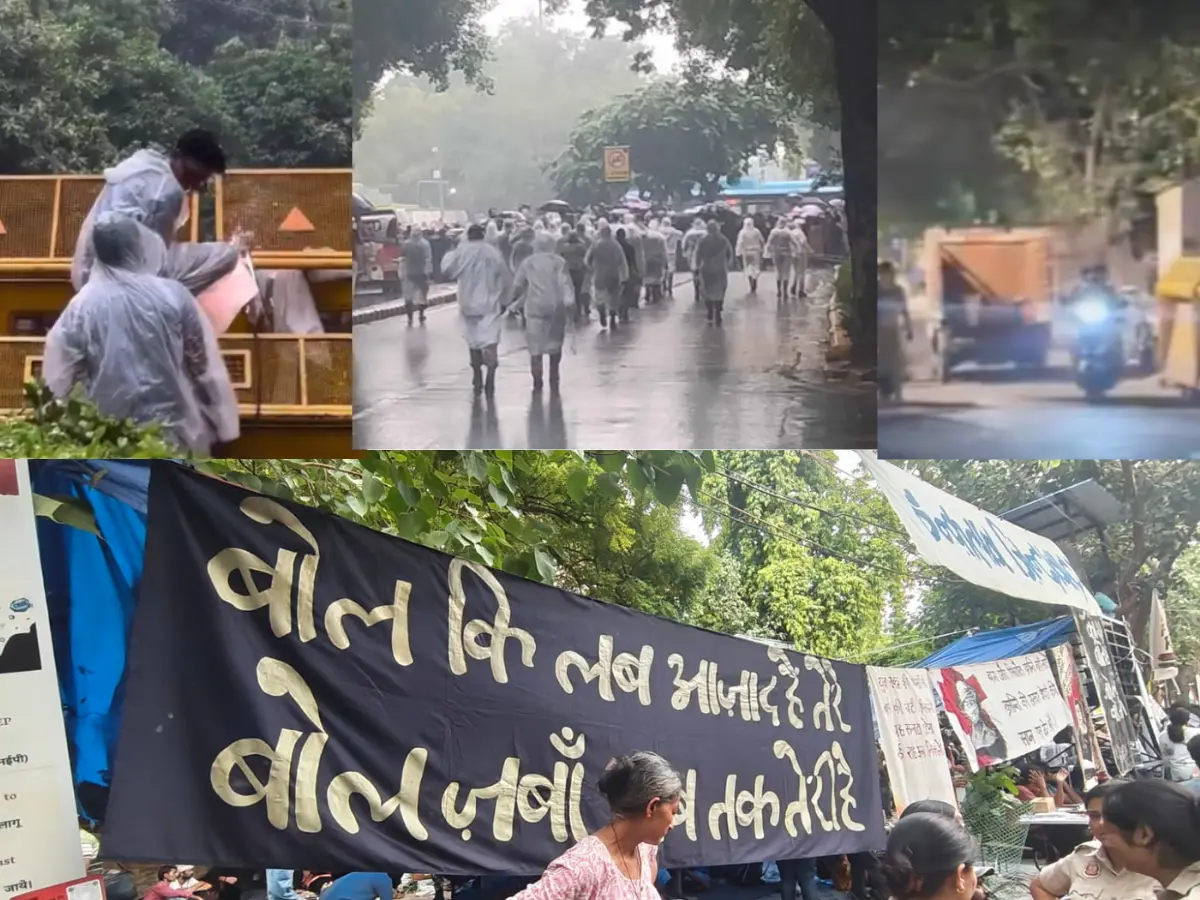)
Truck loaded with stones, metro stations closed: What's happening at Jantar Mantar now
&im=FitAndFill=(700,400))
Why US fighter jets use seamless bubble canopies compared to Russian jets
&im=FitAndFill=(700,400))
Why the F-22’s cockpit glass is thicker than a standard fighter jet
)
Student union leaders call off hunger strike at Jantar Mantar after civil society appeal, but protest continues
)
'Guru is the...': Indian Education Minister Dharmendra Pradhan shares message on education amid calls for his resignation
)
Tulsi Gabbard's brother Batarti accused of luring children to hotel room in Hawaii
)
'We acted immediately...': Indian PM Modi breaks silence on paper leaks as NEET protest, calls for Education Minister's resignation grows
State-linked media reported that the judiciary ordered the closures after accusing the company of using “suspicious” designs. Persian-language outlets outside Iran said the artwork featured an empty chair, which authorities interpreted as a reference to Khamenei’s death and the absence of his son and successor, Mojtaba Khamenei, from public view.
In a statement, the cafe denied the allegations, saying the cups were created months earlier for Nowruz, the Persian New Year, and had no connection to recent events. The company stressed that production and distribution were completed before the conflict.
The incidents reflect Iran’s continued scrutiny of cultural spaces and businesses over perceived political or social dissent.

