
&imwidth=800&imheight=600&format=webp&quality=medium "US plans fresh tariffs amid trade talks in New Delhi: What this means and how it impacts India? WION Decodes")
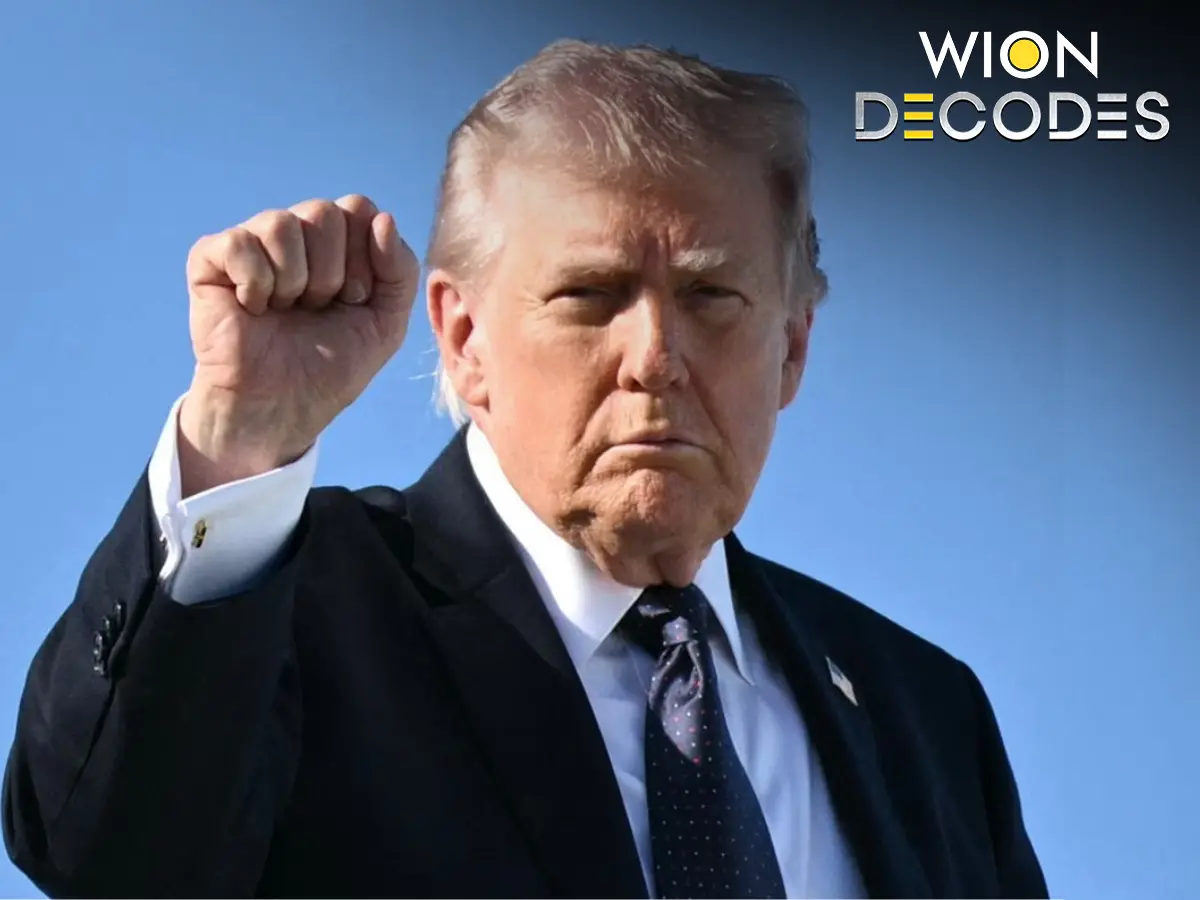
The US Trade Representative on Tuesday (June 2) proposed fresh tariffs targeting 60 world economies, including India and China. The US explains that the fresh tariffs have been planned for alleged failures to act against forced labour. The proposal dropped at a time when senior US trade officials are in New Delhi for a three-day round of talks in New Delhi to finalise the Bilateral Trade Agreement (BTA). The proposed tariffs range from 10 percent to 12.5 percent, according to a government filing,. But the final decision would be made after the public comment period that ends on July 6. The proposed tariffs also exempts items such as beef, coffee and certain fruits and nuts and goods from Canada and Mexico that comply with a North American free trade pact will also be exempt. The US has been investigating the forced labour angle for a while now.
Also Read: Trump reiterates solving '8 wars in 10 months', makes big claim about success of his tariff regime
What this means?

The proposal is under Section 301 is a US law that lets US impose tariffs on countries it believes are hurting American trade interests through unfair practices. The probes looked into whether trading partners including India, China, the European Union and Japan, took action against the import of goods made with forced labour, and if this impacted US commerce. On Tuesday, the USTR said that 54 of the economies “failed to impose and effectively enforce a forced labor import prohibition.” This group includes China, Vietnam, Taiwan and the United Kingdom. Six other economies -- Canada, Ecuador, the EU, Indonesia, Mexico and Pakistan -- were deemed not to have effectively enforced such prohibitions. "The failure of our most important trading partners to address the importation of goods made with forced labor is unacceptable," USTR Jamieson Greer said in a statement. "This creates a dynamic where American workers are forced to compete globally on an unlevel playing field," he added. This is seen as Trump and his administration's attempt to start a new tariff war after the US Supreme Court struck down a swath of Trump's tariffs in February.
How it impacts India?
Trending Stories
&im=FitAndFill=(700,400))
FIFA World Cup 2026 awards race: Who are Golden Boot, Golden Ball and Golden Glove contenders ahead of the final
)
Did Iran secretly ship 70 million barrels of oil to China? Report claims $6 billion crude exported before blockade restored
)
'George Soros playbook': Understanding the foreign funding network around Sonam Wangchuk
)
'Could be bombed at any moment': What Iran's Araghchi told Trump envoy Witkoff during negotiations
&im=FitAndFill=(700,400))
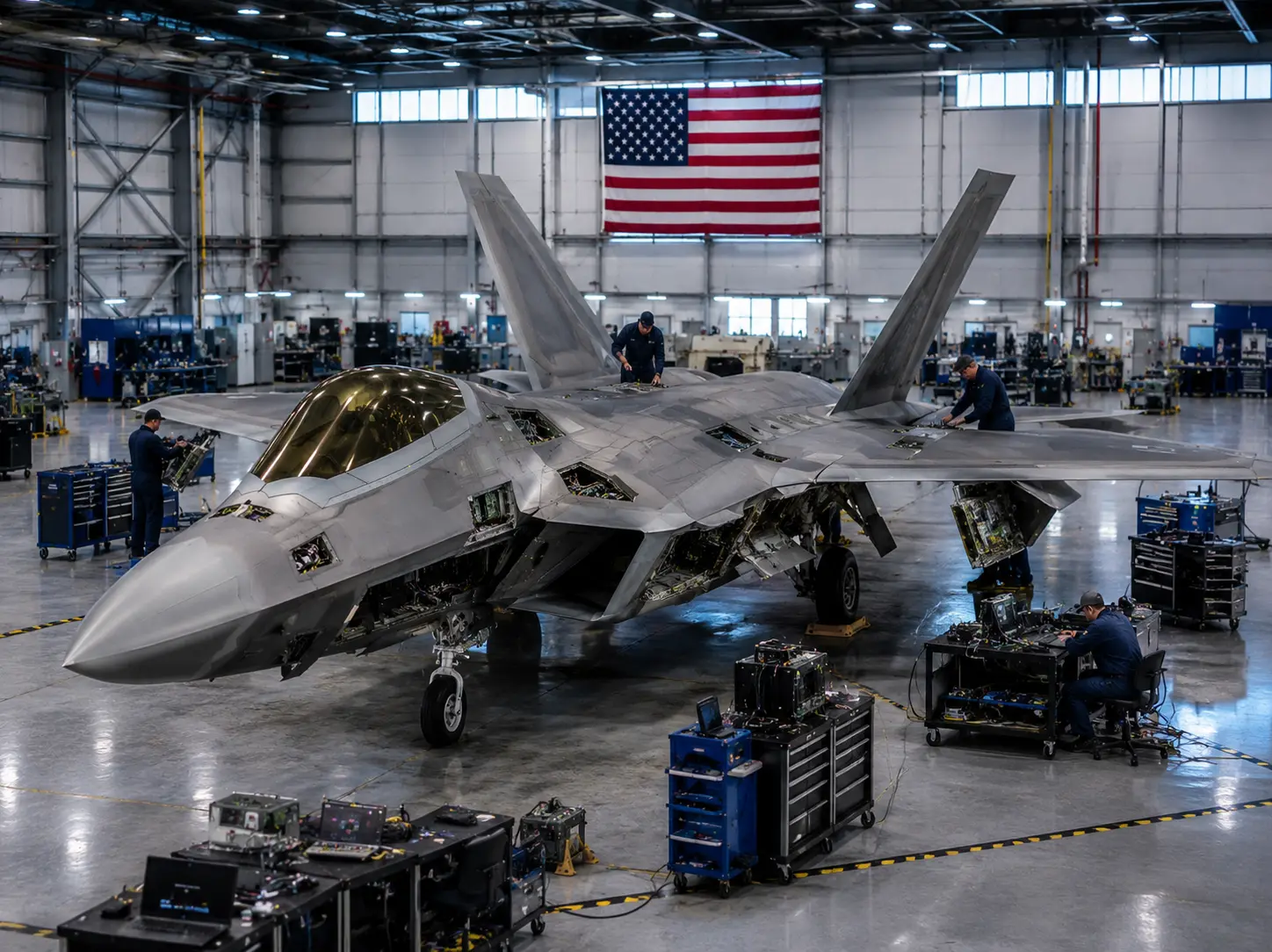
Why the F-22’s tail fins are canted to minimize its radar footprint
)
Sonam Wangchuk's connection with George Soros and Ford Foundation explained!
&im=FitAndFill=(700,400))
FIFA World Cup 2026: 5 football stars who went viral on social media during the tournament
)
'Chalo Sansad' march today: Section 163 in force, Delhi Police remove barricades; unfazed Dharmendra Pradhan meets NEET topper
)
'What is wrong...': Anna Hazare breaks silence on Sonam Wangchuk's protest, makes an appeal to Centre
&im=FitAndFill=(700,400))
IN PICS | Top 10 unforgettable moments from FIFA World Cup 2026
)
FIFA 2026: BTS lights up World Cup final halftime show with 'Dynamite' performance
)
Truck loaded with stones, metro stations closed: What's happening at Jantar Mantar now
)
UK court denies bail to Indian merchant navy captain held in Russian oil tanker case
&im=FitAndFill=(700,400))
Global air power ranking 2026: India surpasses China
&im=FitAndFill=(700,400))
Why the F-22’s cockpit glass is thicker than a standard fighter jet
)
Argentina's racism problem: How football chants reflect a deeper historical legacy
&im=FitAndFill=(700,400))
2026 FIFA World Cup awards: Full list of Golden Boot, Golden Ball, Golden Glove and every major winner
)
Karoline Leavitt to be US Vice President when Usha Vance gives birth? JD Vance says...
)
JD and Usha Vance welcome fourth child: Who serves as acting US vice president during Vance's paternity leave?
)
Xi Jinping's new AI bloc: China launches 'World AI Body' with Pakistan and Russia in, India out
)
Student union leaders call off hunger strike at Jantar Mantar after civil society appeal, but protest continues
)
Imran Khan's sister links India-Pakistan 2025 conflict to Israel recognition plans
)
Homer's Iliad written before The Odyssey found inside an Egyptian mummy
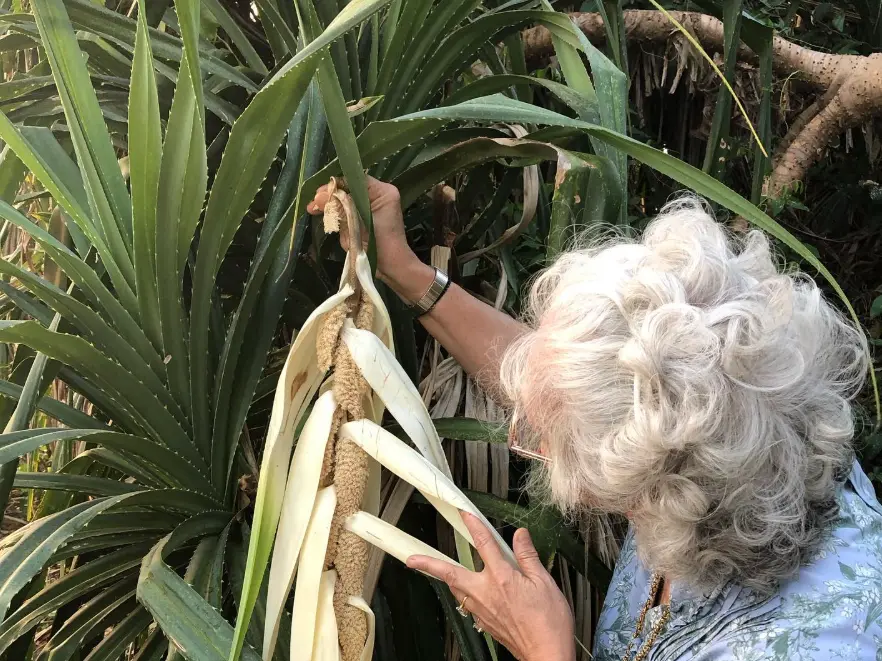)
Older than Himalayas: 85mn-year-old Kewra plant reached India 24mn years ago, fossil discovery in Assam shows
)
US strikes Iran, sirens heard in Kuwait, one American soldier killed in Iraq: What's happening in West Asia
)
BTS at FIFA 2026: Check the halftime show timings for India and across the world
)
'There is no need for...': PM Modi takes a veiled dig at Rahul Gandhi, sends big message amid Parliament March
If implemented, the proposed tariffs of up to 12.5% could make Indian products less competitive in the US market, particularly labour-intensive sectors such as textiles, garments, yarn, home furnishings, gems and jewellery. Reports also suggest that additional duties would raise the landed cost of Indian goods in the US.
The proposal comes while US and Indian officials are negotiating a Bilateral Trade Agreement (BTA). Therefore, Indian negotiators may now have to focus on securing exemptions, relief measures or a lower tariff classification rather than pursuing broader market-access gains.
The US investigation focuses on goods linked to forced labour through global supply chains. Indian exporters that rely on imported raw materials or intermediate products from countries such as China could face greater customs checks and compliance requirements. Even though India prohibits forced labour under domestic law, exporters may be required to provide additional documentation proving that their products and supply chains are free from forced-labour links, increasing operational costs. Industries that source inputs such as cotton, yarn, chemicals, solar components or critical minerals from international suppliers could face additional regulatory hurdles if those supply chains come under US scrutiny.

