
&imwidth=800&imheight=600&format=webp&quality=medium "Why reports suggest Google is set to release millions of mosquitoes into California, Florida")
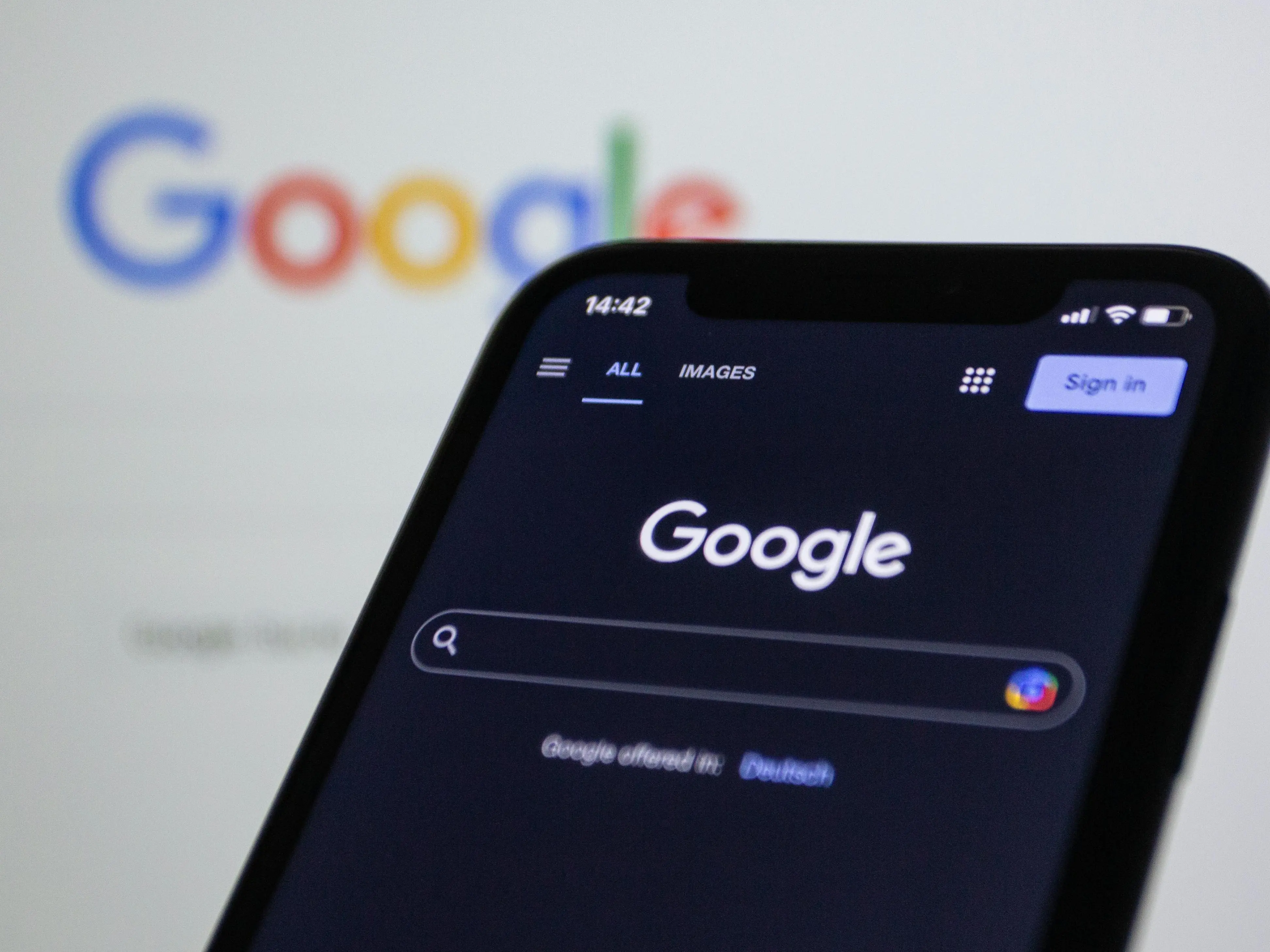
Reports suggesting that Google could release millions of mosquitoes in parts of California and Florida have sparked widespread attention, but the proposed initiative is aimed at reducing, rather than increasing, the threat posed by disease-carrying insects.
According to a Yahoo report, Google has sought permission from US federal regulators to release up to 32 million specially engineered mosquitoes in selected areas of California and Florida. The programme is designed to target mosquito populations responsible for spreading diseases and would focus on locations that have recorded higher rates of disease transmission.
The proposed release would not take place all at once. Instead, the mosquitoes would be introduced gradually over a two-year period, allowing researchers to monitor the results and adjust their strategy based on observed outcomes.

How the plan would work
According to the report, the mosquitoes would be engineered so that they are unable to carry diseases effectively, helping to reduce transmission rates and disrupt breeding cycles. The long-term objective is to shrink populations of mosquitoes that spread harmful pathogens.
Trending Stories
)
Xi Jinping's new AI bloc: China launches 'World AI Body' with Pakistan and Russia in, India out
&im=FitAndFill=(700,400))
Why the S-400 uses solid rocket fuel instead of liquid fuel
)
Explained: Why Rodri won the FIFA World Cup Golden Ball over Lionel Messi
)
Japan is selling a refrigerator to cool the human body for Rs 9 lakh. It is already a hit in Tokyo
)
Lip reader reveals what Donald Trump told every Spain and Argentina player after FIFA World Cup final during medal ceremony
)
‘Iran can survive sanctions, but can’t truly live’: Dy FM warns of economic cost of war
)
Sonam Wangchuk's connection with George Soros and Ford Foundation explained!
)
'There is no need for...': PM Modi takes a veiled dig at Rahul Gandhi, sends big message amid Parliament March
)
FACT CHECK: Was Abhijit Dipke detained during CJP's Parliament march? Here's what police say
)
‘Netanyahu will not be arrested in any way, shape, or form in US’: Trump’s counter to Mamdani
)
UP BTech gold medalist dies by suicide after failing in nearly 50 govt job attempts, leaves note for father
)
Jail over Khamenei post: J&K youth returns home after 3 months in Saudi custody
)
'Now come to us': CJP resumes protest after Parliament march violence, calls meeting with Nadda 'waste of time'
)
Salman Khan breaks silence on health concerns after viral Mumbai appearance
)
'George Soros playbook': Understanding the foreign funding network around Sonam Wangchuk
)
Indus treaty can no longer function in its current form, says India; plans 5,500 mw of new J&K hydro projects
&im=FitAndFill=(700,400))
New OTT releases this week (July 20-26, 2026): Musafir Cafe, Adarsh Baal Vidyalaya, 72 Hours- 5 new titles coming on Netflix, Prime Video and more
&im=FitAndFill=(700,400))
2026 FIFA World Cup awards: Full list of Golden Boot, Golden Ball, Golden Glove and every major winner
&im=FitAndFill=(700,400))
FIFA World Cup 2026 team of the tournament: The best XI that ruled football’s biggest stage
)
'What is wrong...': Anna Hazare breaks silence on Sonam Wangchuk's protest, makes an appeal to Centre
)
Truck loaded with stones, metro stations closed: What's happening at Jantar Mantar now
&im=FitAndFill=(700,400))
Why US fighter jets use seamless bubble canopies compared to Russian jets
&im=FitAndFill=(700,400))
Why the F-22’s cockpit glass is thicker than a standard fighter jet
)
Student union leaders call off hunger strike at Jantar Mantar after civil society appeal, but protest continues
)
'Guru is the...': Indian Education Minister Dharmendra Pradhan shares message on education amid calls for his resignation
)
Tulsi Gabbard's brother Batarti accused of luring children to hotel room in Hawaii
)
'We acted immediately...': Indian PM Modi breaks silence on paper leaks as NEET protest, calls for Education Minister's resignation grows
California and Florida have been identified as the target states because both have a history of significant mosquito activity and outbreaks linked to mosquito-borne diseases.
Regulatory approval still required
The project cannot proceed without approval from federal authorities. Regulators are expected to examine safety records, environmental impact assessments and monitoring protocols before deciding whether the potential public health benefits outweigh any ecological risks.
Officials will assess whether the programme can safely reduce disease transmission without causing unintended consequences for local ecosystems.
If approval is granted, Google would release the mosquitoes and gather data over the following two years to evaluate the effectiveness of the initiative.
Research highlights mosquito adaptability
The proposal comes as researchers continue to study mosquito behaviour and disease control methods. A recent experimental study published in the Journal of Experimental Biology found that mosquitoes can learn to associate the smell of a commonly used insect repellent with a food source.
Researchers observed that after repeated exposure, some mosquitoes appeared to become accustomed to the repellent’s scent and, in certain cases, even showed a preference for biting individuals who had been sprayed with it.
Lead study author Claudio Lazzari told AFP that the findings suggest mosquitoes are not repelled because the chemical itself is inherently toxic. Instead, he said, their response depends on how they interpret the chemical signals in their environment.
The study underscores the challenges scientists face in controlling mosquito populations and highlights why new approaches, including genetically engineered mosquitoes, are being explored as potential tools in the fight against mosquito-borne diseases.