US court overturns $223.8 million verdict against J&J in talc cancer case


Johnson & Johnson
In a significant legal development, a New Jersey appeals court has invalidated a $223.8 million verdict against Johnson & Johnson (J&J) that had been given to four plaintiffs alleging cancer due to asbestos exposure in the company's talc powder products.
The Superior Court of New Jersey, Appellate Division determined that the lower court judge had made a mistake in permitting certain scientific expert testimony presented by the plaintiffs during the trial.
According to a Reuters report, Erik Haas, J&J Worldwide Vice President of Litigation, welcomed the decision and criticised the scientific evidence presented by the plaintiffs' experts, stating, "The decision resoundingly rejects ... the 'junk science' advanced by purported 'experts' paid by the mass tort asbestos bar." He reiterated the company's stance that their talc products are safe and asbestos-free.

The initial jury verdict had mandated J&J to pay $37.2 million in compensatory damages and a staggering $750 million in punitive damages. However, this sum was automatically reduced to $186.5 million in accordance with state law.
In overturning the verdict and ordering a new trial, a three-judge panel from the appeals court noted that the trial court had not adequately fulfilled its "gatekeeping role" in evaluating whether the plaintiffs' experts grounded their testimony in solid scientific principles. The panel found that three of the experts had failed to sufficiently explain the basis of their opinions linking cancer to asbestos exposure in talc products.
Of note, J&J is involved in a separate lawsuit against one of these experts, Jacqueline Moline, regarding a 2019 study she co-authored. However, this particular study was not a focal point of the recent court decision.
)
Xi Jinping's new AI bloc: China launches 'World AI Body' with Pakistan and Russia in, India out
)
3.5-million-year-old mystery creature found in Japan is a 'giant' never seen before
&im=FitAndFill=(700,400))
Meet top 5 batters with most runs in India vs Zimbabwe T20Is
)
Japan is selling a refrigerator to cool the human body for Rs 9 lakh. It is already a hit in Tokyo
)
Sonam Wangchuk's connection with George Soros and Ford Foundation explained!
)
'There is no need for...': PM Modi takes a veiled dig at Rahul Gandhi, sends big message amid Parliament March
)
Iran strikes Amazon data infrastructure in Bahrain, power, water desalination plants in Kuwait
)
FACT CHECK: Was Abhijit Dipke detained during CJP's Parliament march? Here's what police say
)
UP BTech gold medalist dies by suicide after failing in nearly 50 govt job attempts, leaves note for father
)
Jail over Khamenei post: J&K youth returns home after 3 months in Saudi custody
)
'Now come to us': CJP resumes protest after Parliament march violence, calls meeting with Nadda 'waste of time'
)
Salman Khan breaks silence on health concerns after viral Mumbai appearance
)
'George Soros playbook': Understanding the foreign funding network around Sonam Wangchuk
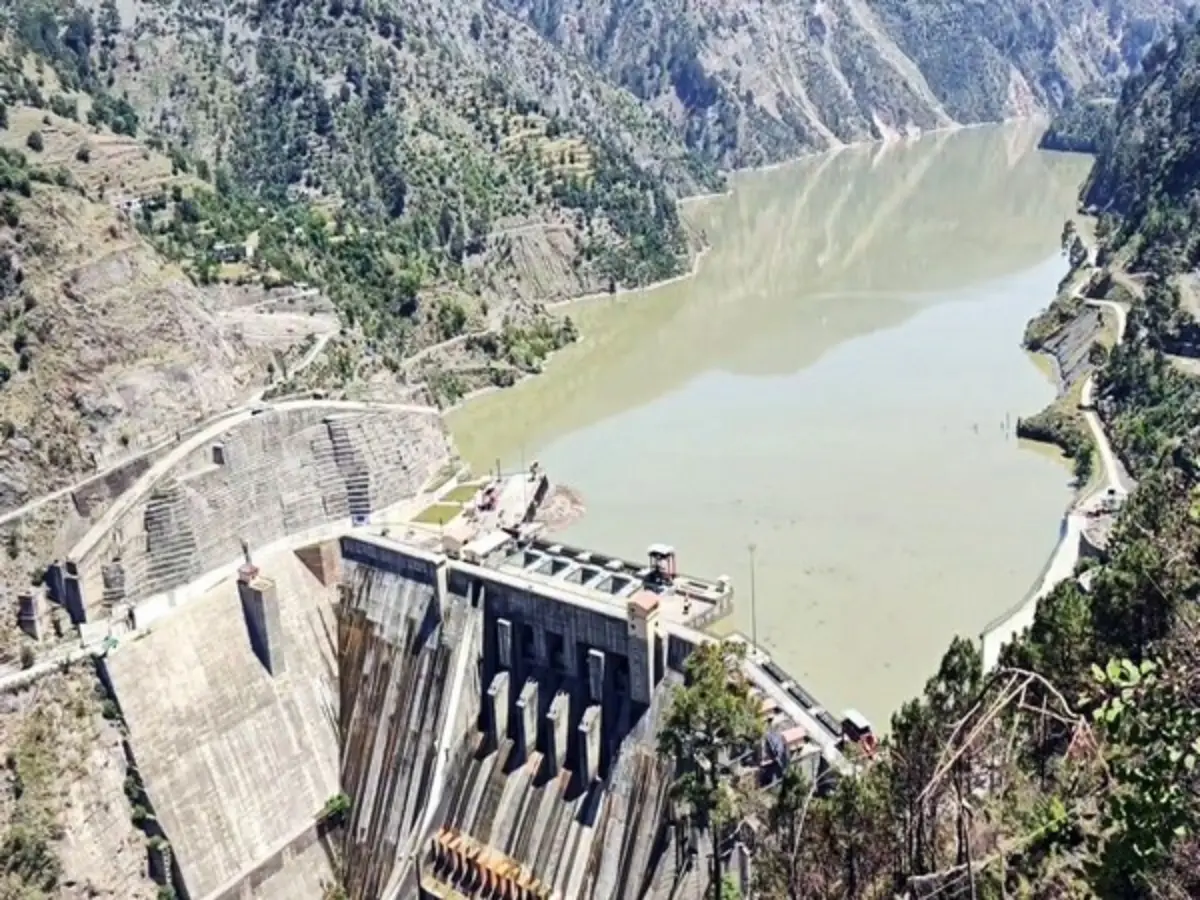)
Indus treaty can no longer function in its current form, says India; plans 5,500 mw of new J&K hydro projects
&im=FitAndFill=(700,400))
New OTT releases this week (July 20-26, 2026): Musafir Cafe, Adarsh Baal Vidyalaya, 72 Hours- 5 new titles coming on Netflix, Prime Video and more
&im=FitAndFill=(700,400))
2026 FIFA World Cup awards: Full list of Golden Boot, Golden Ball, Golden Glove and every major winner
&im=FitAndFill=(700,400))
FIFA World Cup 2026 team of the tournament: The best XI that ruled football’s biggest stage
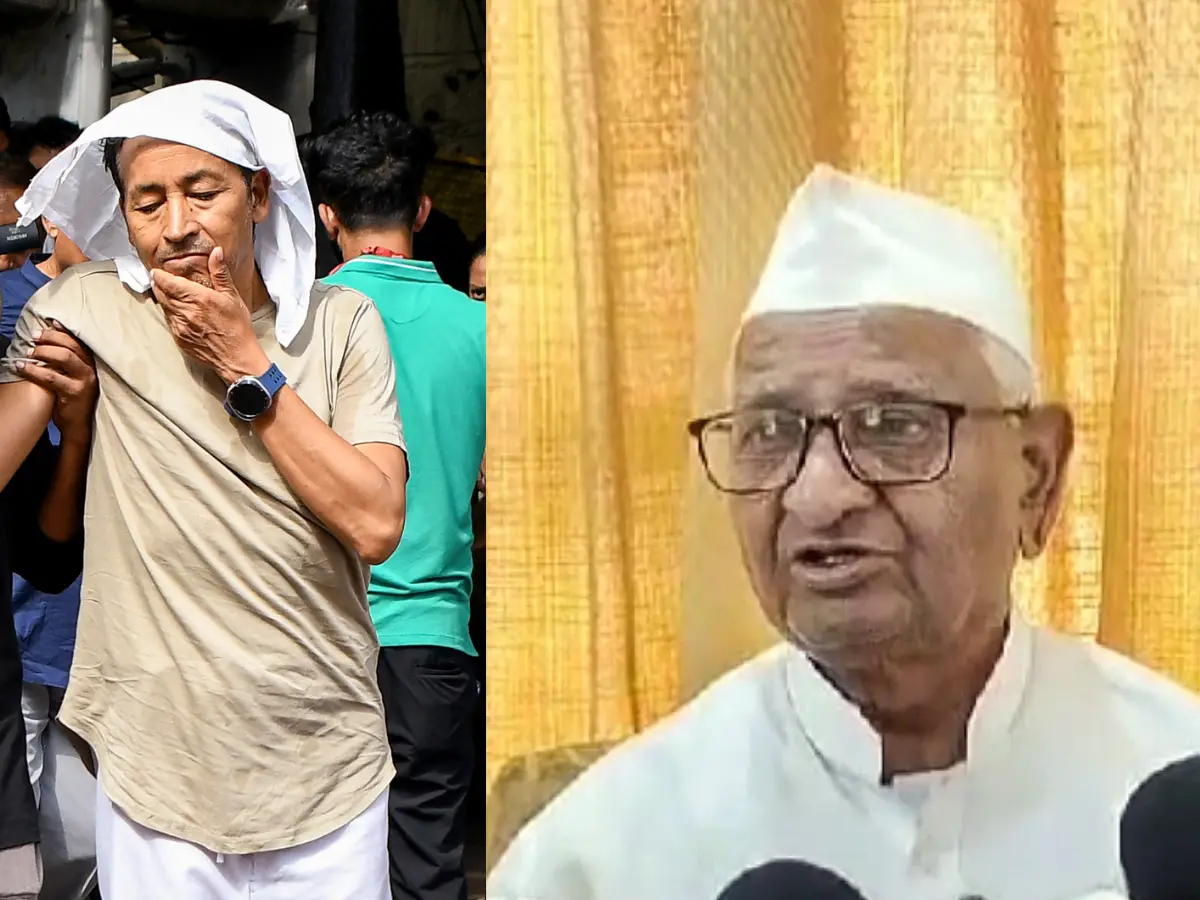)
'What is wrong...': Anna Hazare breaks silence on Sonam Wangchuk's protest, makes an appeal to Centre
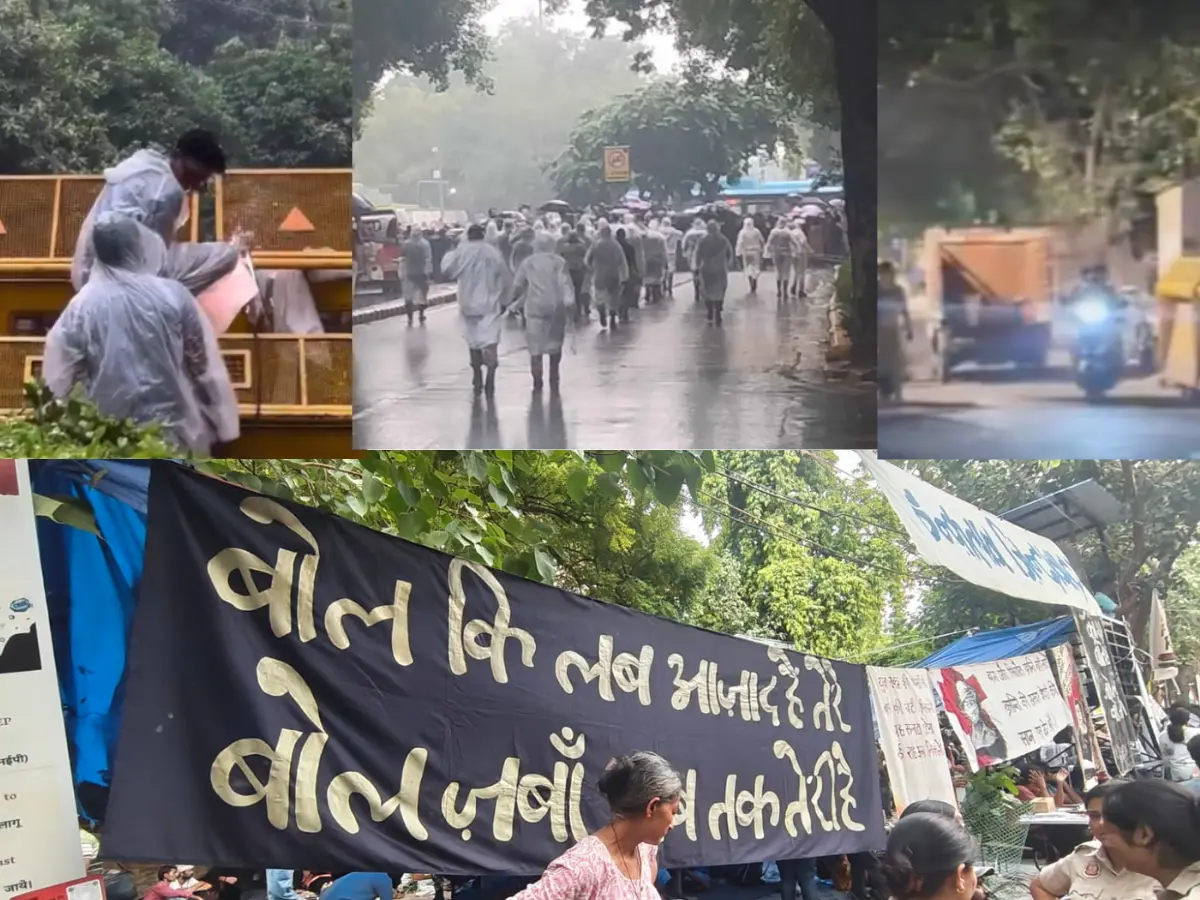)
Truck loaded with stones, metro stations closed: What's happening at Jantar Mantar now
&im=FitAndFill=(700,400))
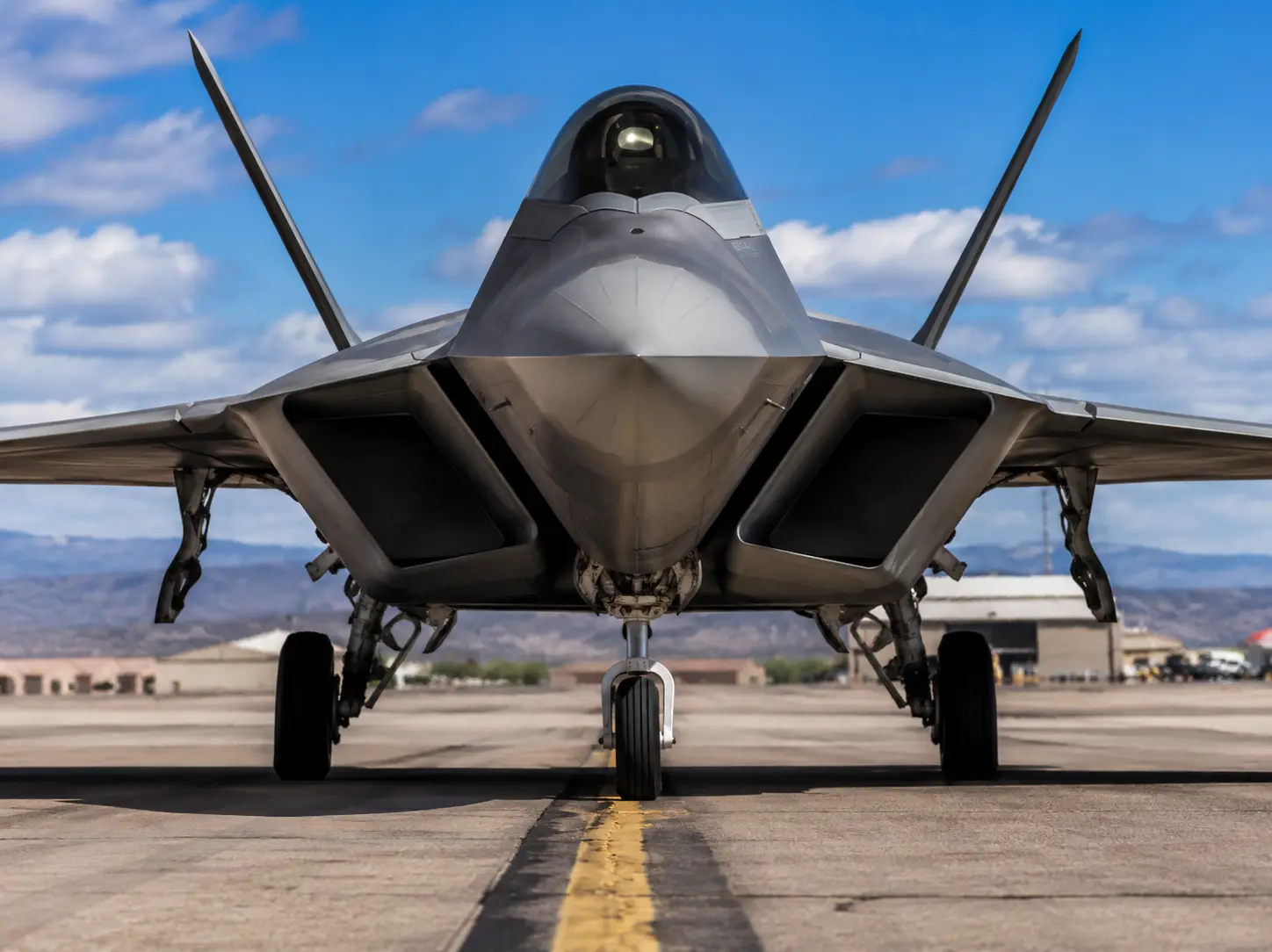
Why US fighter jets use seamless bubble canopies compared to Russian jets
&im=FitAndFill=(700,400))
Why the F-22’s cockpit glass is thicker than a standard fighter jet
)
Student union leaders call off hunger strike at Jantar Mantar after civil society appeal, but protest continues
)
'Guru is the...': Indian Education Minister Dharmendra Pradhan shares message on education amid calls for his resignation
)
'We acted immediately...': Indian PM Modi breaks silence on paper leaks as NEET protest, calls for Education Minister's resignation grows
Reuters cited Jacqueline Moline, who testified in favour of plaintiffs in over 200 talc cancer cases, has argued that the lawsuit against her is an attempt to intimidate scientific experts and discourage them from testifying against J&J.
Johnson & Johnson faces a staggering number of lawsuits, with over 38,000 claims alleging that their talc products, including Johnson's baby powder, may contain asbestos and have led to various cancers, including ovarian cancer and mesothelioma, a cancer type linked to asbestos exposure. The outcomes of these lawsuits have varied, with some major victories for plaintiffs, including a $2.1 billion judgment awarded to 22 women with ovarian cancer.
While J&J has experienced reversals in some cases, such as a $117 million verdict in the same New Jersey appeals court and a $120 million verdict in New York, their most recent legal win may have significant implications as they continue to face talc-related litigation.
This development follows J&J's unsuccessful attempts to move tens of thousands of talc-related claims into bankruptcy court, where they sought to resolve them through an $8.9 billion proposed settlement. The company is currently appealing the ruling that denied this move.
The resumption of trials after a pause during the bankruptcy petition is expected to impact the trajectory of talc-related litigation. J&J has disclosed that the cost of talc-related verdicts, settlements, and legal fees has reached approximately $4.5 billion. Due to mounting lawsuits and concerns, the company made the decision to cease the sale of talc-based baby powder in favour of cornstarch-based alternatives.
(With inputs from Reuters)