Breastfeeding Awareness Month 2023: Benefits of breastfeeding for both mother and child


Breastfeeding Awareness Month 2023
Breastfeeding has many advantages for both mother and child. Breastfeeding plays a crucial role in the healthy development of infants as well as the health of mothers by offering vital nutrition and immune protection as well as fostering emotional bonding and lowering the risk of chronic diseases.
World Health Organization (WHO) and the American Academy of Paediatricsendorse breastfeeding as the best way to feed infants for the first six months of their lives. The choice of feeding method may be influenced by specific factors, so it's important to keep in mind that every mother's situation is different.
Breastfeeding has several additional physical, psychological, and cognitive advantages in addition to its nutritional advantages that enhance the general health and well-being of both mother and child.

Benefits for infants
1. Provides ideal nutrition: Breast milk offers ideal nutrition for infants, expertly tailored to meet their specific developmental needs. Its composition boasts a perfect balance of proteins, fats, carbohydrates, vitamins, and minerals, providing optimal nourishment for growing babies. Moreover, breast milk enhances the baby's immune system through the presence of vital antibodies and immune factors, actively safeguarding them against infections and illnesses, and promoting overall health and well-being.
2. Lowers the risk of chronic illness: Babies who are breastfed have a lower risk of growing up with chronic illnesses like obesity, type 1 diabetes, asthma, and some childhood cancers.
)
Xi Jinping's new AI bloc: China launches 'World AI Body' with Pakistan and Russia in, India out
)
3.5-million-year-old mystery creature found in Japan is a 'giant' never seen before
&im=FitAndFill=(700,400))
Meet top 5 batters with most runs in India vs Zimbabwe T20Is
)
Japan is selling a refrigerator to cool the human body for Rs 9 lakh. It is already a hit in Tokyo
)
Sonam Wangchuk's connection with George Soros and Ford Foundation explained!
)
'There is no need for...': PM Modi takes a veiled dig at Rahul Gandhi, sends big message amid Parliament March
)
Iran strikes Amazon data infrastructure in Bahrain, power, water desalination plants in Kuwait
)
FACT CHECK: Was Abhijit Dipke detained during CJP's Parliament march? Here's what police say
)
UP BTech gold medalist dies by suicide after failing in nearly 50 govt job attempts, leaves note for father
)
Jail over Khamenei post: J&K youth returns home after 3 months in Saudi custody
)
'Now come to us': CJP resumes protest after Parliament march violence, calls meeting with Nadda 'waste of time'
)
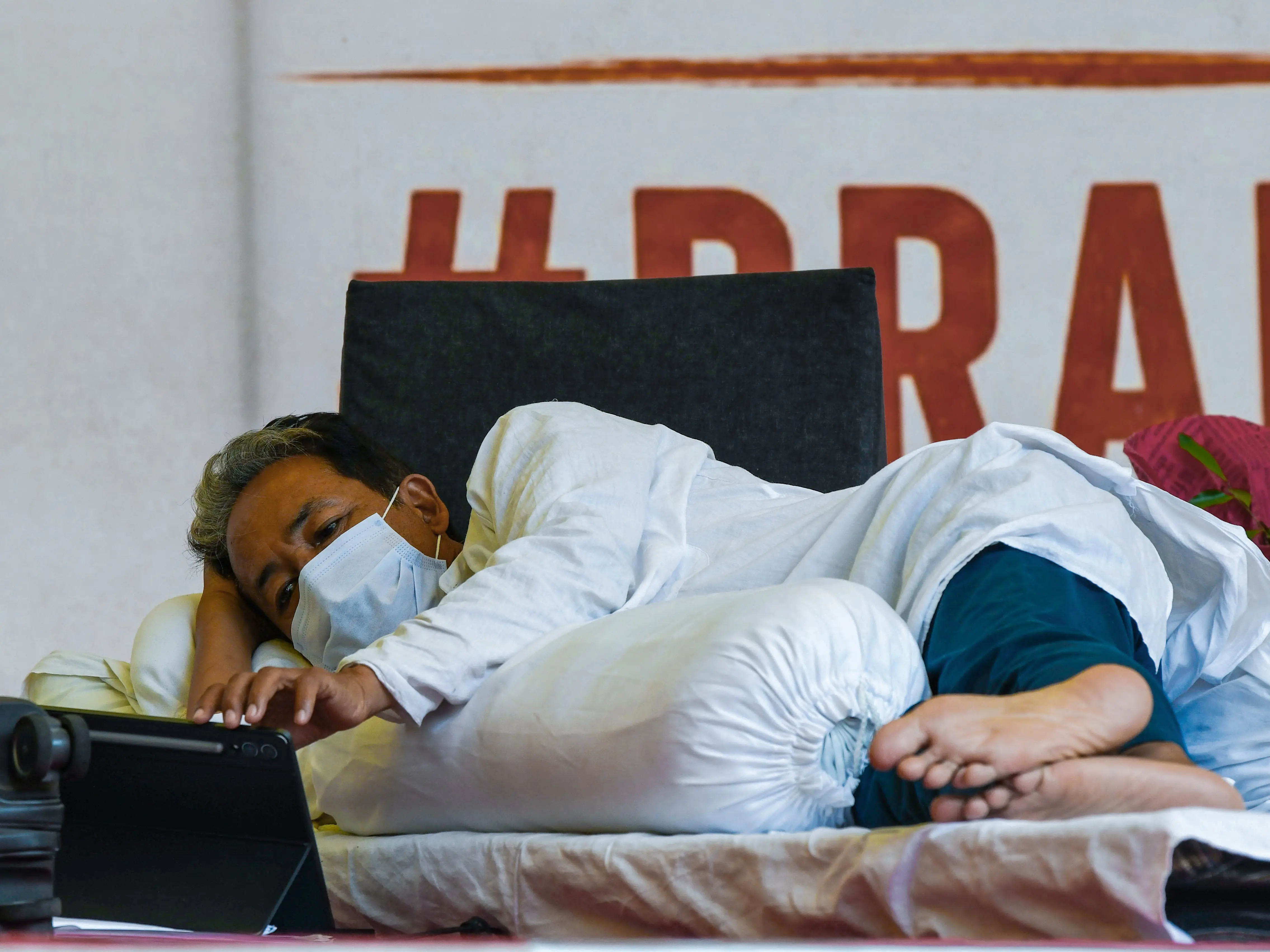
Salman Khan breaks silence on health concerns after viral Mumbai appearance
)
'George Soros playbook': Understanding the foreign funding network around Sonam Wangchuk
)
Indus treaty can no longer function in its current form, says India; plans 5,500 mw of new J&K hydro projects
&im=FitAndFill=(700,400))
New OTT releases this week (July 20-26, 2026): Musafir Cafe, Adarsh Baal Vidyalaya, 72 Hours- 5 new titles coming on Netflix, Prime Video and more
&im=FitAndFill=(700,400))
2026 FIFA World Cup awards: Full list of Golden Boot, Golden Ball, Golden Glove and every major winner
&im=FitAndFill=(700,400))
FIFA World Cup 2026 team of the tournament: The best XI that ruled football’s biggest stage
)
'What is wrong...': Anna Hazare breaks silence on Sonam Wangchuk's protest, makes an appeal to Centre
)
Truck loaded with stones, metro stations closed: What's happening at Jantar Mantar now
&im=FitAndFill=(700,400))
Why US fighter jets use seamless bubble canopies compared to Russian jets
&im=FitAndFill=(700,400))
Why the F-22’s cockpit glass is thicker than a standard fighter jet
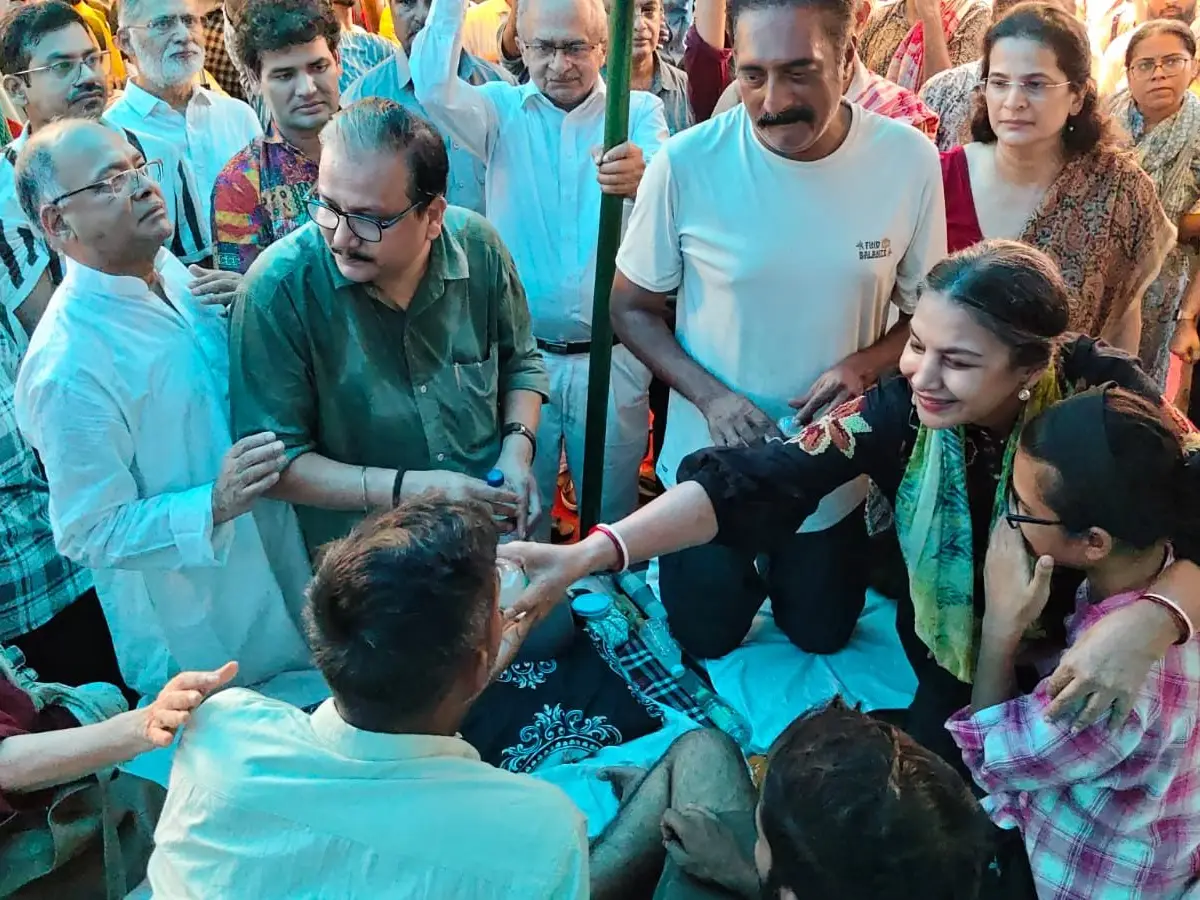)
Student union leaders call off hunger strike at Jantar Mantar after civil society appeal, but protest continues
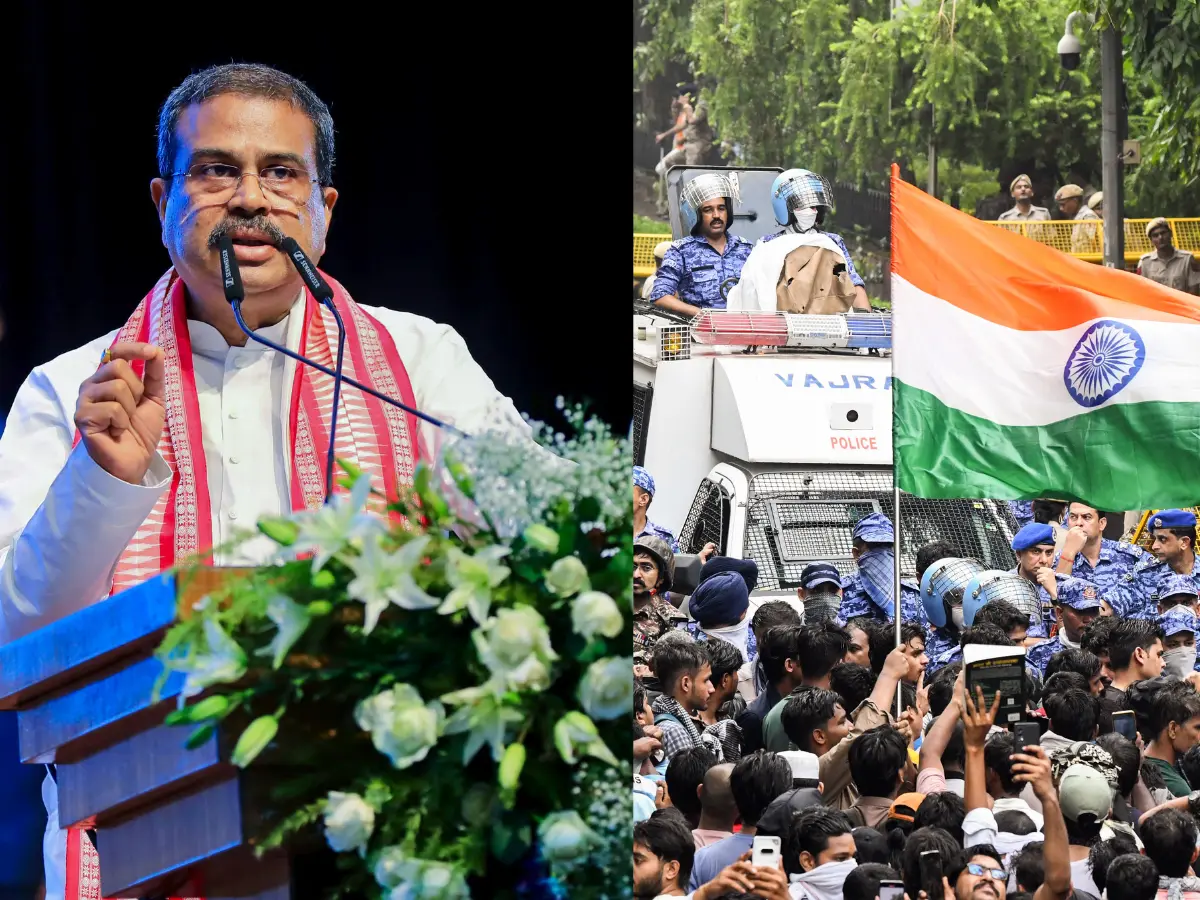)
'Guru is the...': Indian Education Minister Dharmendra Pradhan shares message on education amid calls for his resignation
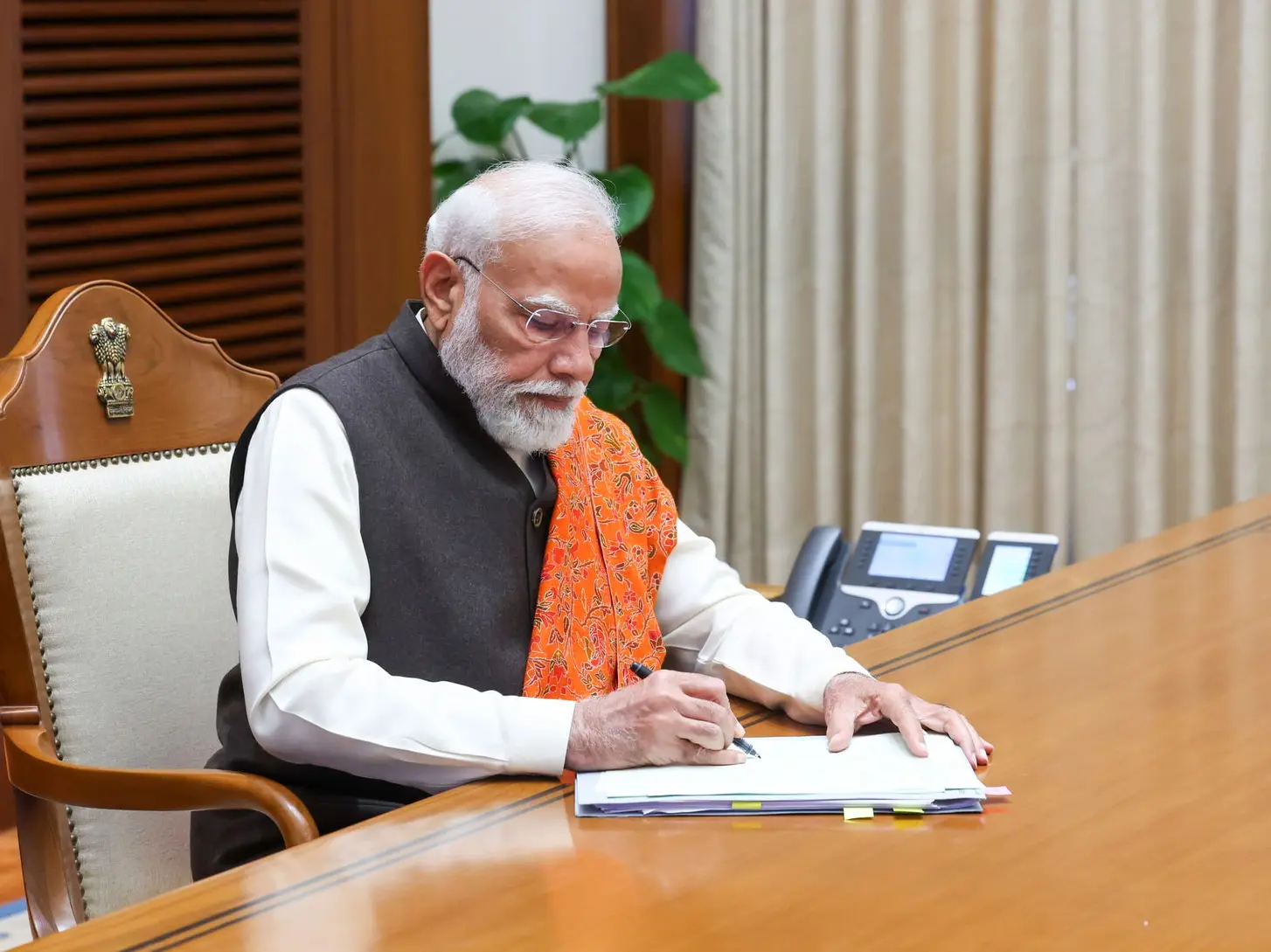)
'We acted immediately...': Indian PM Modi breaks silence on paper leaks as NEET protest, calls for Education Minister's resignation grows
3. Protection from Sudden Infant Death Syndrome (SIDS): Breastfeeding adds another layer of defence for the infant by being associated with a lower risk of SIDS.
4. Development and growth of the child: Breastfeeding has been linked to better outcomes for growth and development, including improved brain and cognitive function.
Benefits for mothers
1. Helps in postpartum recovery: Breastfeeding promotes faster uterine contractions after delivery, which lessens postpartum bleeding and speeds up the mother's recovery. This process is aided by the hormone oxytocin, which rises during pregnancy. The "love hormone", oxytocin, which is released during breastfeeding encourages feelings of relaxation and bonding between the mother and child.
2. Lowers chance of postpartum depression: Postpartum depression (PPD) is a common concern that may arise shortly after childbirth in mothers. However, breastfeeding has been found helpful in coping with postpartum depression. Breastfeeding aids in the regulation of hormonal fluctuations and fosters a stronger bond between the mother and her baby. It enhances mental well-being and holds the potential to reduce the risk of postpartum depression.
3. Protection from diseases: Breastfeeding women are less likely to develop high blood pressure, arthritis, high blood fat, heart disease, and type 2 diabetes.
4. Helps as contraception: Breastfeeding can act as a contraceptive method, called the lactational amenorrhea method (LAM). Exclusive breastfeeding, with no supplementary feedings and frequent nursing, can temporarily suppress ovulation and delay the return of menstrual cycles. However, its effectiveness depends on factors like breastfeeding frequency, the baby's age, and the mother's menstrual cycle patterns.
5. Emotional fulfilment and bonding: Breastfeeding is a deeply intimate experience that goes beyond the mere act of nourishment. It establishes a profound emotional connection between the mother and her child, creating a unique and special bond.
(Inputs byDr Naveen Prakash Gupta,Neonatologist, Madhukar Rainbow Children's Hospital)
WATCH WION LIVE HERE
You can now write for wionews.com and be a part of the community. Share your stories and opinions with us here.