In a first, an African wins 'Nobel of architecture'. click to know his name

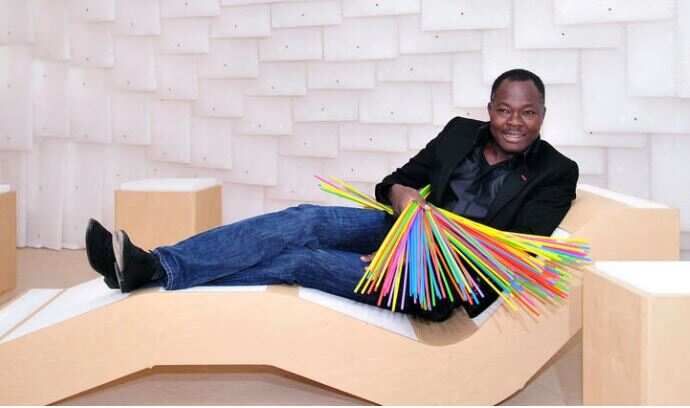
Diebedo Francis Kere
Diébédo Francis Kéré, a Burkina Faso-born architect, has become the first African to win the coveted Pritzker Prize, also known as the Nobel Prize of architecture.
His renowned work, which includes both permanent and temporary structures, has been erected not only in his native nation, but also in Africa, Europe, and the United States.
Mr Kéré, 56, described himself as the "happiest guy on the planet" after receiving what is considered architecture's most prestigious accolade.

But, with limited prospects in his village, his decades-long path to the top of his field was far from easy.
"I grew up in a community where there was no kindergarten, but where the community was your family. I remember the room where my grandmother would sit and tell stories with a little light, while we would huddle close to each other and her voice inside the room enclosed us, summoning us to come closer and form a safe place. This was my first sense of architecture, "Kéré said, per the Pritzker Prize biography.
Pritzker Prize committee chair Tom Pritzker said in a statement that Kéré's buildings "demonstrate beauty, modesty, boldness, and invention."
)
Xi Jinping's new AI bloc: China launches 'World AI Body' with Pakistan and Russia in, India out
)
3.5-million-year-old mystery creature found in Japan is a 'giant' never seen before
&im=FitAndFill=(700,400))
Meet top 5 batters with most runs in India vs Zimbabwe T20Is
)
Japan is selling a refrigerator to cool the human body for Rs 9 lakh. It is already a hit in Tokyo
)
Sonam Wangchuk's connection with George Soros and Ford Foundation explained!
)
'There is no need for...': PM Modi takes a veiled dig at Rahul Gandhi, sends big message amid Parliament March
)
Iran strikes Amazon data infrastructure in Bahrain, power, water desalination plants in Kuwait
)
FACT CHECK: Was Abhijit Dipke detained during CJP's Parliament march? Here's what police say
)
UP BTech gold medalist dies by suicide after failing in nearly 50 govt job attempts, leaves note for father
)
Jail over Khamenei post: J&K youth returns home after 3 months in Saudi custody
)
'Now come to us': CJP resumes protest after Parliament march violence, calls meeting with Nadda 'waste of time'
)
Salman Khan breaks silence on health concerns after viral Mumbai appearance
)
'George Soros playbook': Understanding the foreign funding network around Sonam Wangchuk
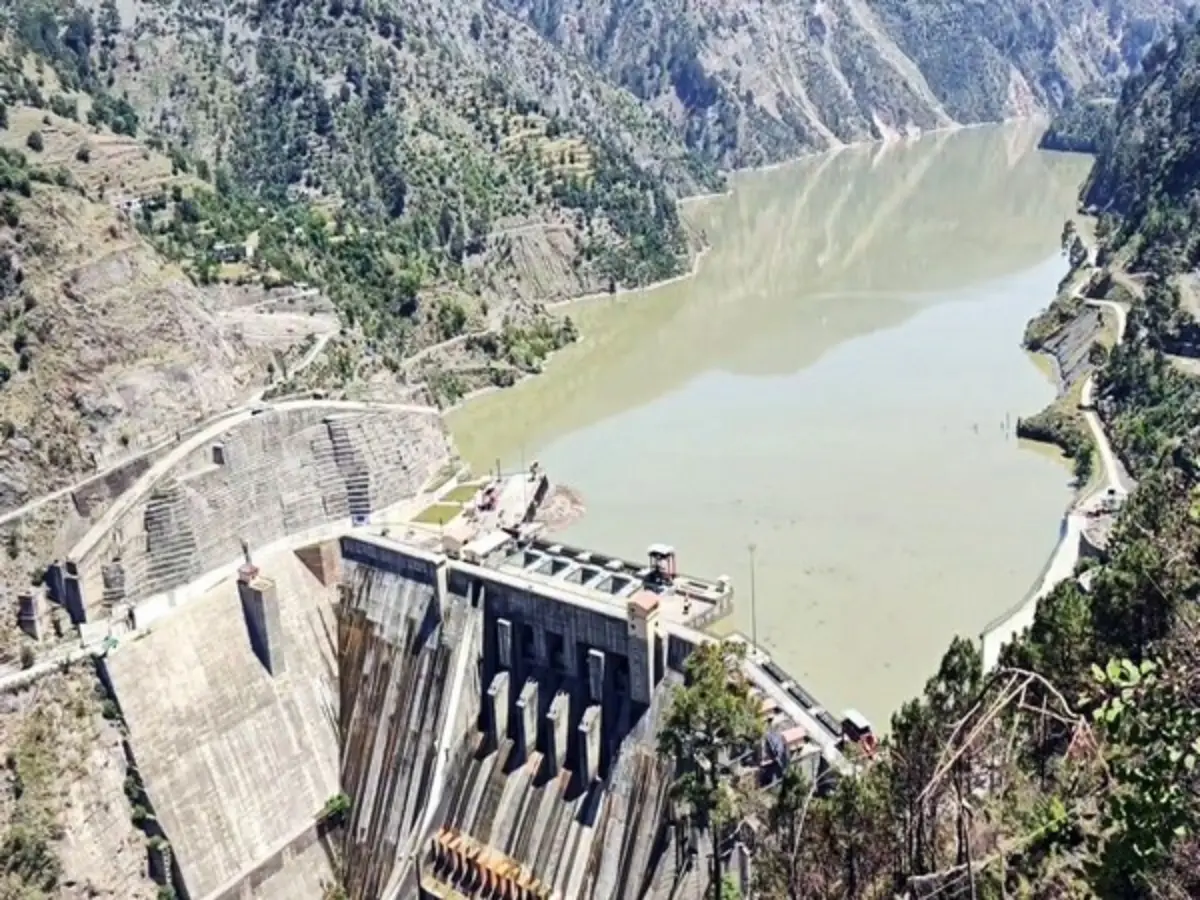)
Indus treaty can no longer function in its current form, says India; plans 5,500 mw of new J&K hydro projects
&im=FitAndFill=(700,400))
New OTT releases this week (July 20-26, 2026): Musafir Cafe, Adarsh Baal Vidyalaya, 72 Hours- 5 new titles coming on Netflix, Prime Video and more
&im=FitAndFill=(700,400))
2026 FIFA World Cup awards: Full list of Golden Boot, Golden Ball, Golden Glove and every major winner
&im=FitAndFill=(700,400))
FIFA World Cup 2026 team of the tournament: The best XI that ruled football’s biggest stage
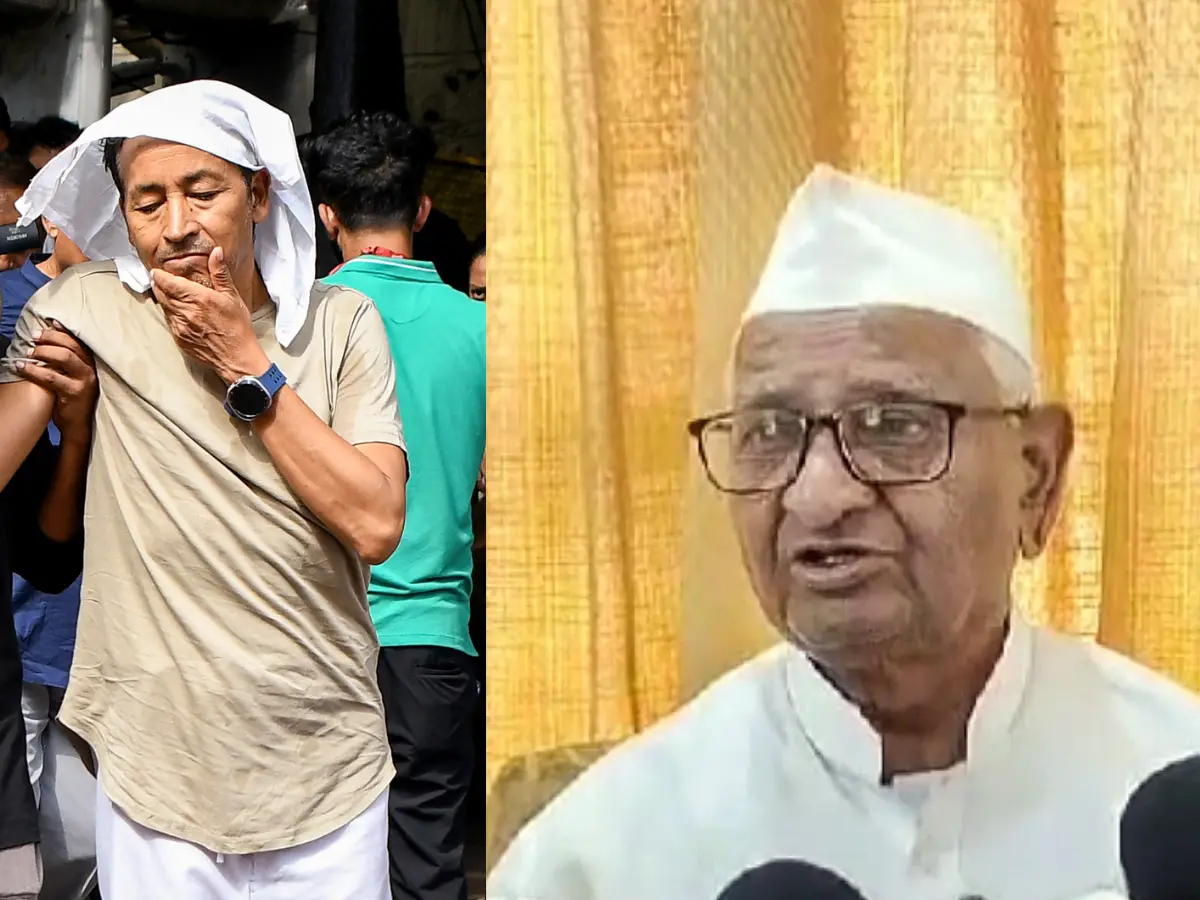)
'What is wrong...': Anna Hazare breaks silence on Sonam Wangchuk's protest, makes an appeal to Centre
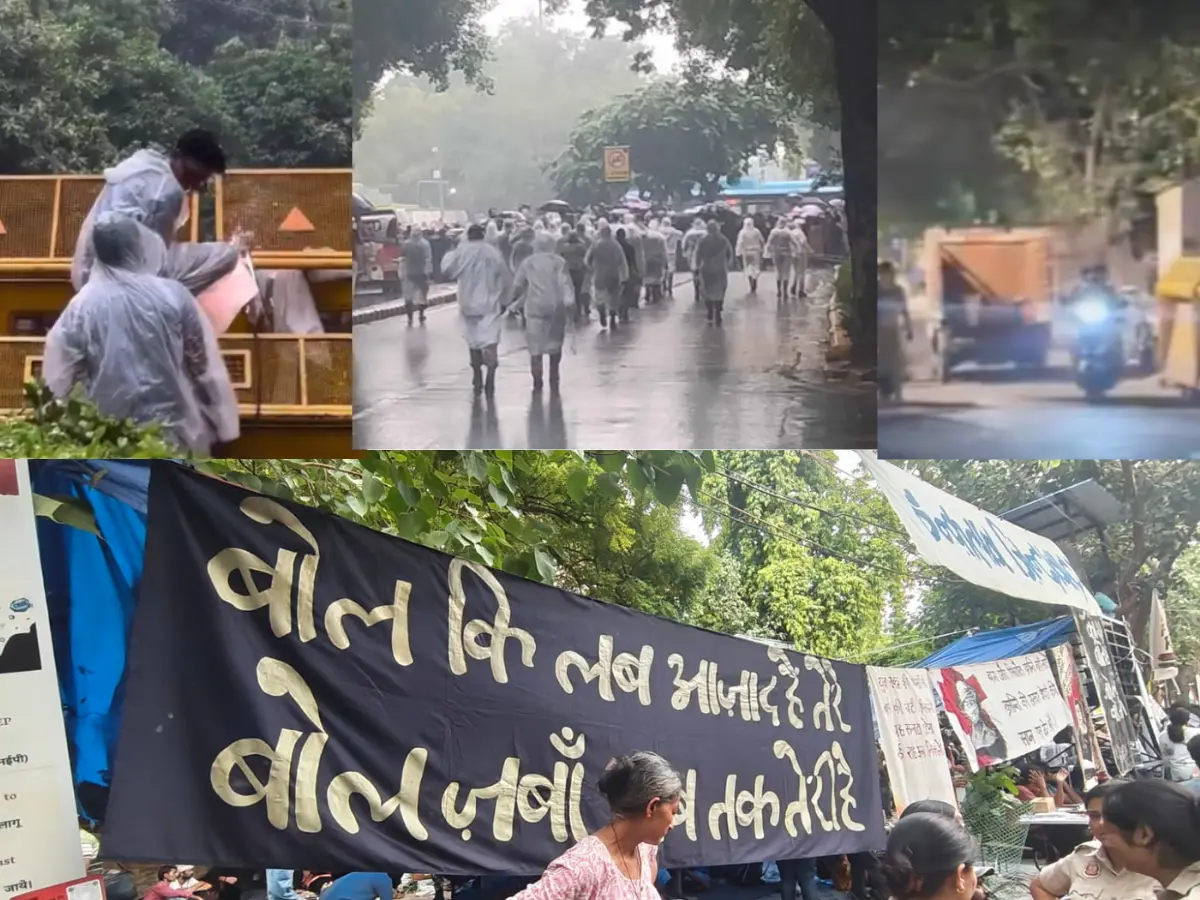)
Truck loaded with stones, metro stations closed: What's happening at Jantar Mantar now
&im=FitAndFill=(700,400))
Why US fighter jets use seamless bubble canopies compared to Russian jets
&im=FitAndFill=(700,400))
Why the F-22’s cockpit glass is thicker than a standard fighter jet
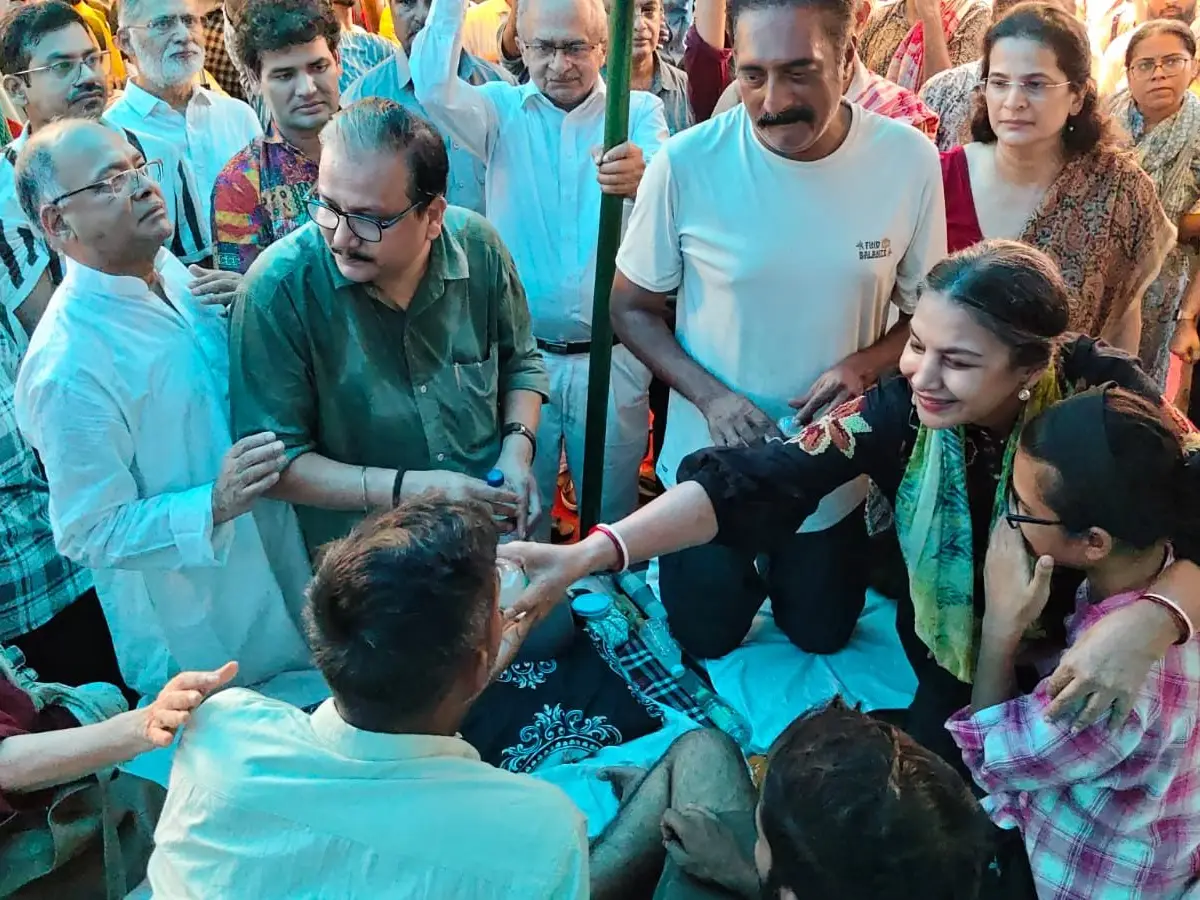)
Student union leaders call off hunger strike at Jantar Mantar after civil society appeal, but protest continues
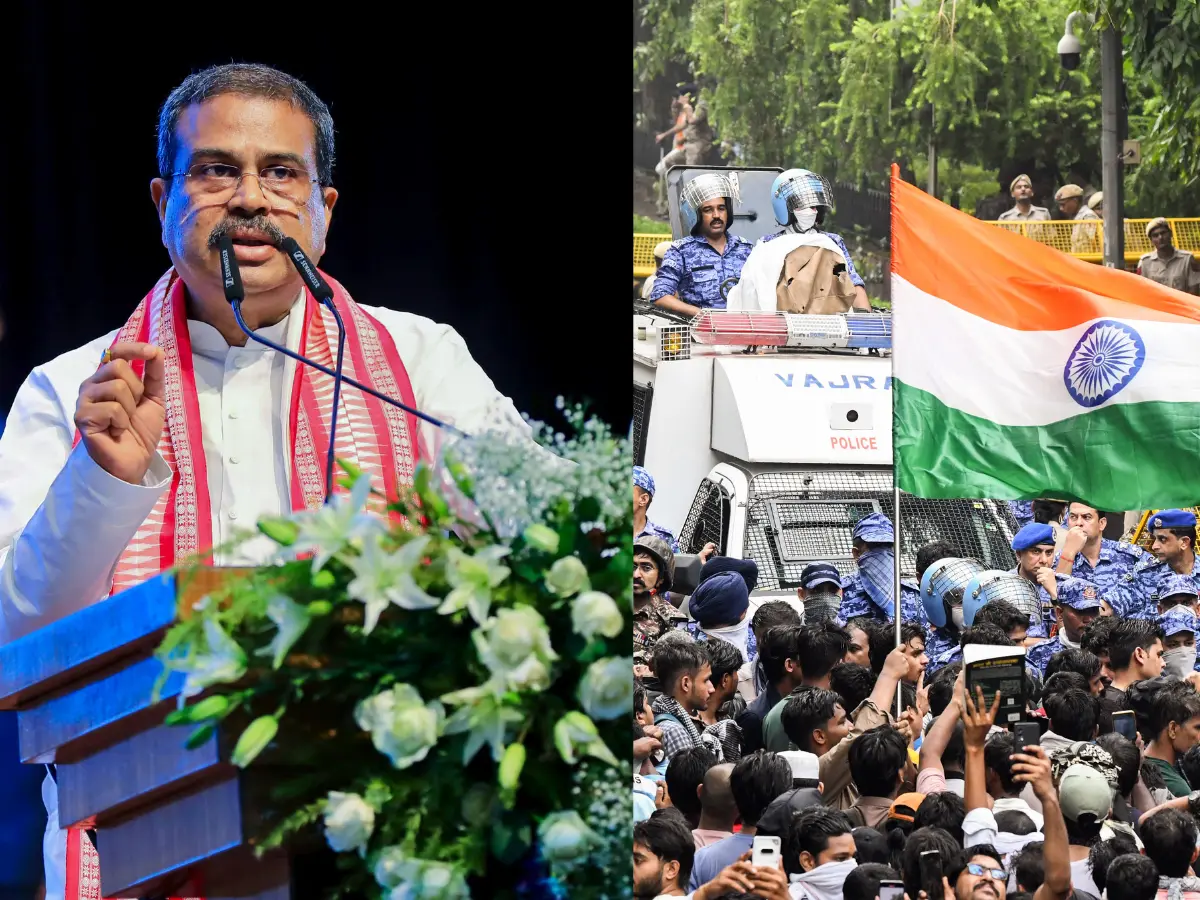)
'Guru is the...': Indian Education Minister Dharmendra Pradhan shares message on education amid calls for his resignation
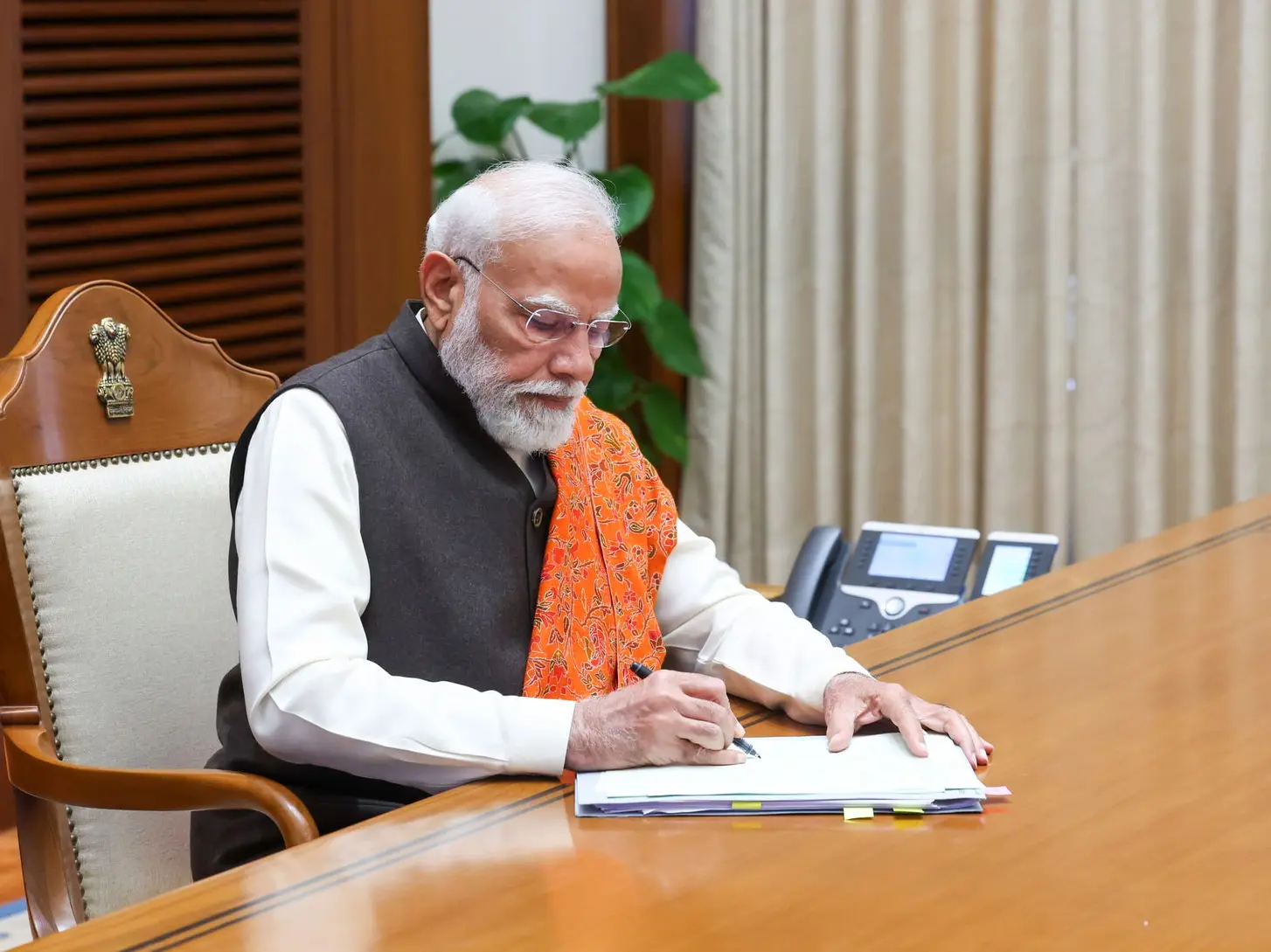)
'We acted immediately...': Indian PM Modi breaks silence on paper leaks as NEET protest, calls for Education Minister's resignation grows
Mr Kéré was jammed into a sweltering classroom with more than 100 other kids when he was seven years old.
As the first child in his town to attend school, his early memories of terrible building conditions inspired him to use architecture to enhance the educational lives of Burkina Faso's youngsters.
In 2004, the first structure he created, a primary school in his hometown, received the prestigious Aga Kahn Award for Architecture.
His ground-breaking approach was to return to old procedures.
Instead of using concrete, a common yet expensive building material in Burkina Faso, Kere used local resources to construct classrooms out of clay.
(With inputs from agencies)