Italian artist Antonio Canova's lost masterpiece 'Maddalena Giacente' rediscovered

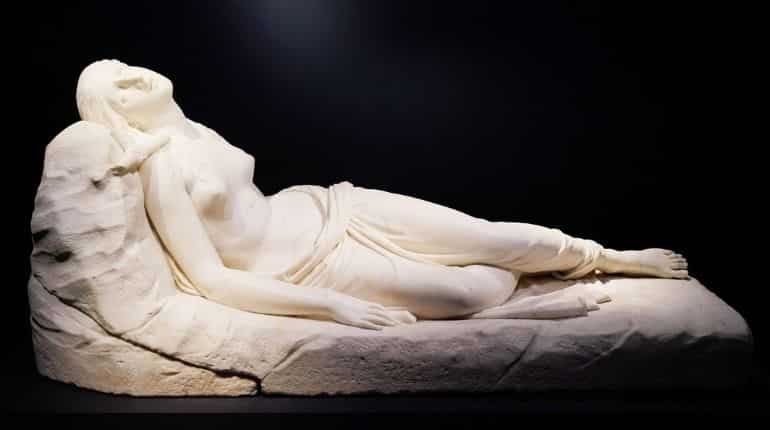
Maddalena Giacente
A long-lost sculpture of Mary Magdalene, one of the last completed by the great Italian artist Antonio Canova before his death in 1822, has been rediscovered. It can fetch up to $10 million when it heads to auction in July.
Described by auction house Christies' as the Italian neoclassical sculptor's "lost masterpiece," "Maddalena Giacente" (Recumbent Magdalene) was commissioned by the Earl of Liverpool, then British prime minister, and took three years to carve.
Depicting Mary Magdalene in a state of religious ecstasy, the sculpture was completed just before Canova's death in 1822.

“It is a miracle that Antonio Canova’s exceptional, long-lost masterpiece has been found, 200 years after its completion,” said Dr Mario Guderzo, a leading Canova scholar and former director of the Museo Gypsotheca Antonio Canova.
“This work has been searched for by scholars for decades, so the discovery is of fundamental importance for the history of collecting and the history of art.”
)
Xi Jinping's new AI bloc: China launches 'World AI Body' with Pakistan and Russia in, India out
)
3.5-million-year-old mystery creature found in Japan is a 'giant' never seen before
&im=FitAndFill=(700,400))
Meet top 5 batters with most runs in India vs Zimbabwe T20Is
)
Japan is selling a refrigerator to cool the human body for Rs 9 lakh. It is already a hit in Tokyo
)
Sonam Wangchuk's connection with George Soros and Ford Foundation explained!
)
'There is no need for...': PM Modi takes a veiled dig at Rahul Gandhi, sends big message amid Parliament March
)
Iran strikes Amazon data infrastructure in Bahrain, power, water desalination plants in Kuwait
)
FACT CHECK: Was Abhijit Dipke detained during CJP's Parliament march? Here's what police say
)
UP BTech gold medalist dies by suicide after failing in nearly 50 govt job attempts, leaves note for father
)
Jail over Khamenei post: J&K youth returns home after 3 months in Saudi custody
)
'Now come to us': CJP resumes protest after Parliament march violence, calls meeting with Nadda 'waste of time'
)
Salman Khan breaks silence on health concerns after viral Mumbai appearance
)
'George Soros playbook': Understanding the foreign funding network around Sonam Wangchuk
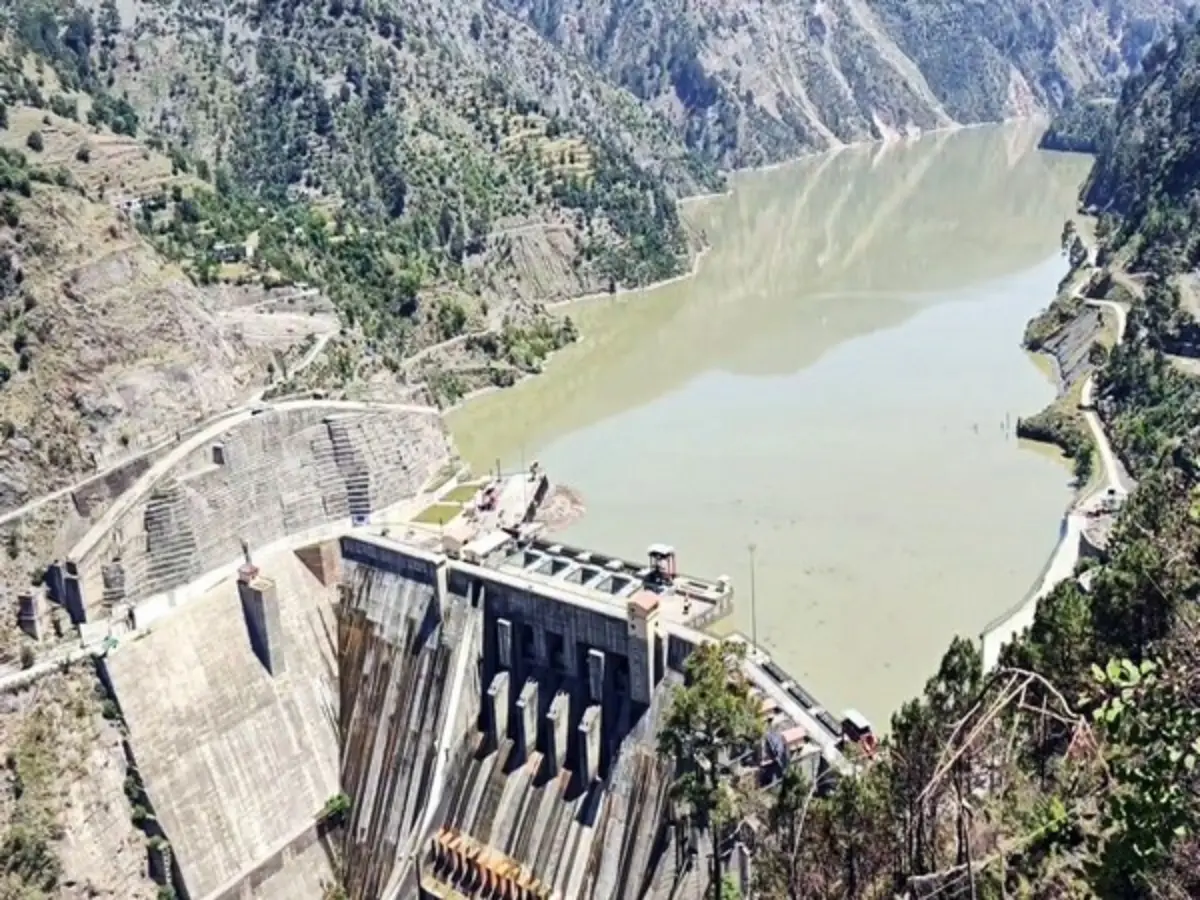)
Indus treaty can no longer function in its current form, says India; plans 5,500 mw of new J&K hydro projects
&im=FitAndFill=(700,400))
New OTT releases this week (July 20-26, 2026): Musafir Cafe, Adarsh Baal Vidyalaya, 72 Hours- 5 new titles coming on Netflix, Prime Video and more
&im=FitAndFill=(700,400))
2026 FIFA World Cup awards: Full list of Golden Boot, Golden Ball, Golden Glove and every major winner
&im=FitAndFill=(700,400))
FIFA World Cup 2026 team of the tournament: The best XI that ruled football’s biggest stage
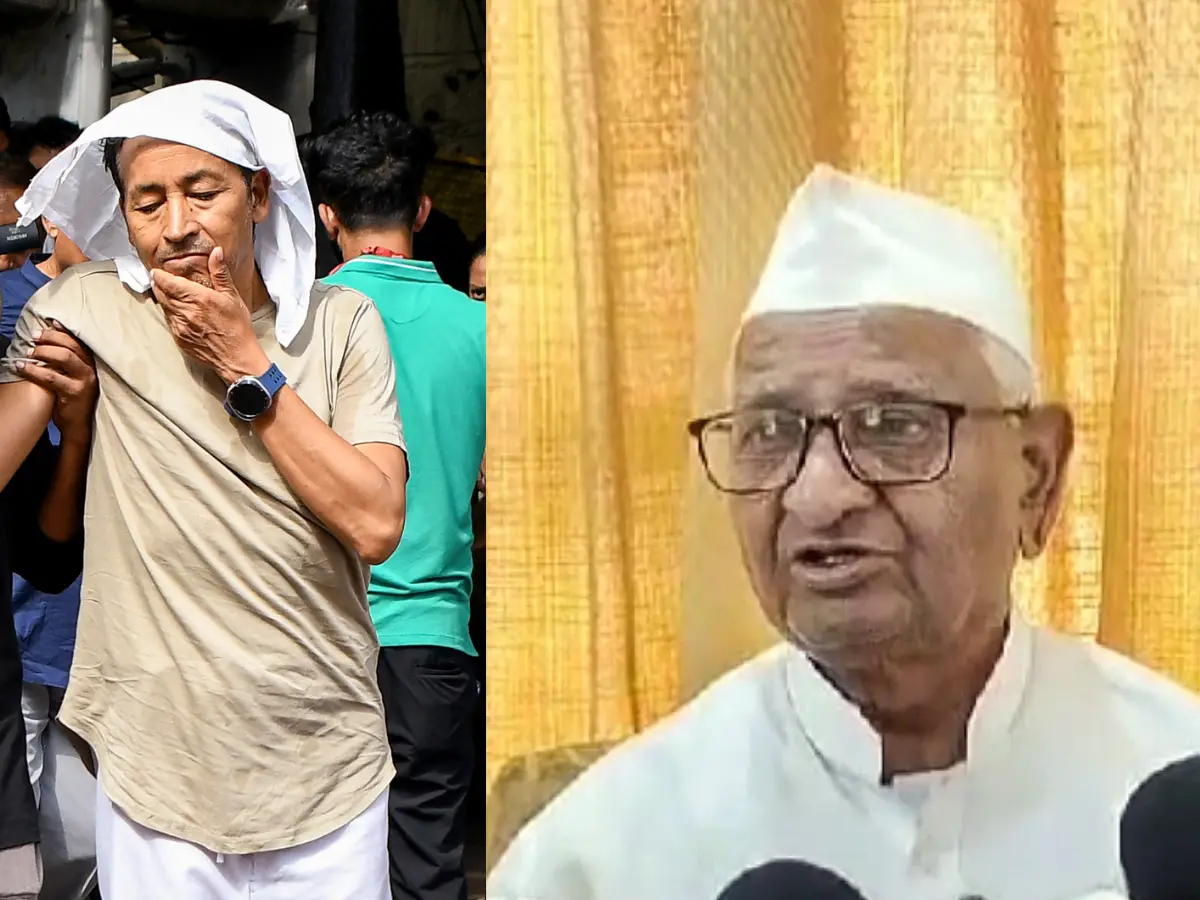)
'What is wrong...': Anna Hazare breaks silence on Sonam Wangchuk's protest, makes an appeal to Centre
)
Truck loaded with stones, metro stations closed: What's happening at Jantar Mantar now
&im=FitAndFill=(700,400))
Why US fighter jets use seamless bubble canopies compared to Russian jets
&im=FitAndFill=(700,400))
Why the F-22’s cockpit glass is thicker than a standard fighter jet
)
Student union leaders call off hunger strike at Jantar Mantar after civil society appeal, but protest continues
)
'Guru is the...': Indian Education Minister Dharmendra Pradhan shares message on education amid calls for his resignation
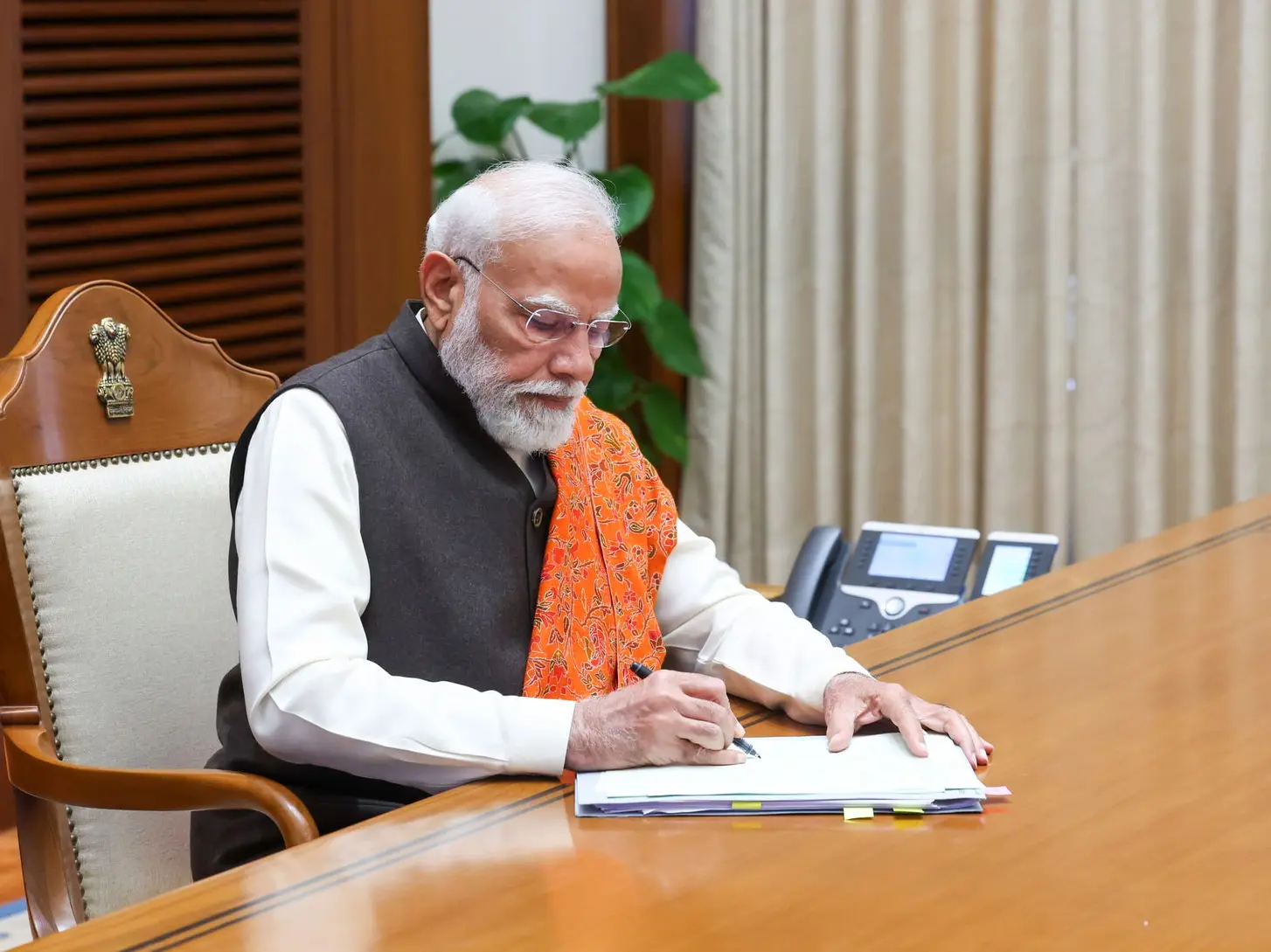)
'We acted immediately...': Indian PM Modi breaks silence on paper leaks as NEET protest, calls for Education Minister's resignation grows
Writing about the Recumbent Magdalene in 1819, Canova said: “I exhibited another model of a second Magdalene lying on the ground, and almost fainting from the excessive pain of her penitence, a subject that I like very much, and that has earned me a lot of indulgence, and very flattering praise.”
Also see |True colours of ancient Greek and Roman statues
The sculpture, currently on show at Christies' London, will go on tour to New York and Hong Kong.
Donald Johnson, Christie’s international head of sculpture, said the rediscovery was “a highlight within my 30-plus-year career in the field”.
He said: “This sculpture represents an extensively documented commission from a major figure in British history, the prime minister Lord Liverpool, whose purchase of the Magdalene is a testament to the love that British collectors had always show for the work of the great neo-classical sculptor Antonio Canova.”
"It was one of the highlights of the Art Treasures exhibition in Manchester in 1857...it was sold with the contents of a house to a gentleman...there was a fire at the house. He had an auction of the contents, and by the time that auction happened in 1938, the identity was lost and she was just referred to as a classical figure."
(With inputs from agencies)