&imwidth=800&imheight=600&format=webp&quality=medium "‘We find evidence of introspection’: The unsettling admission of Anthropic co-founder")
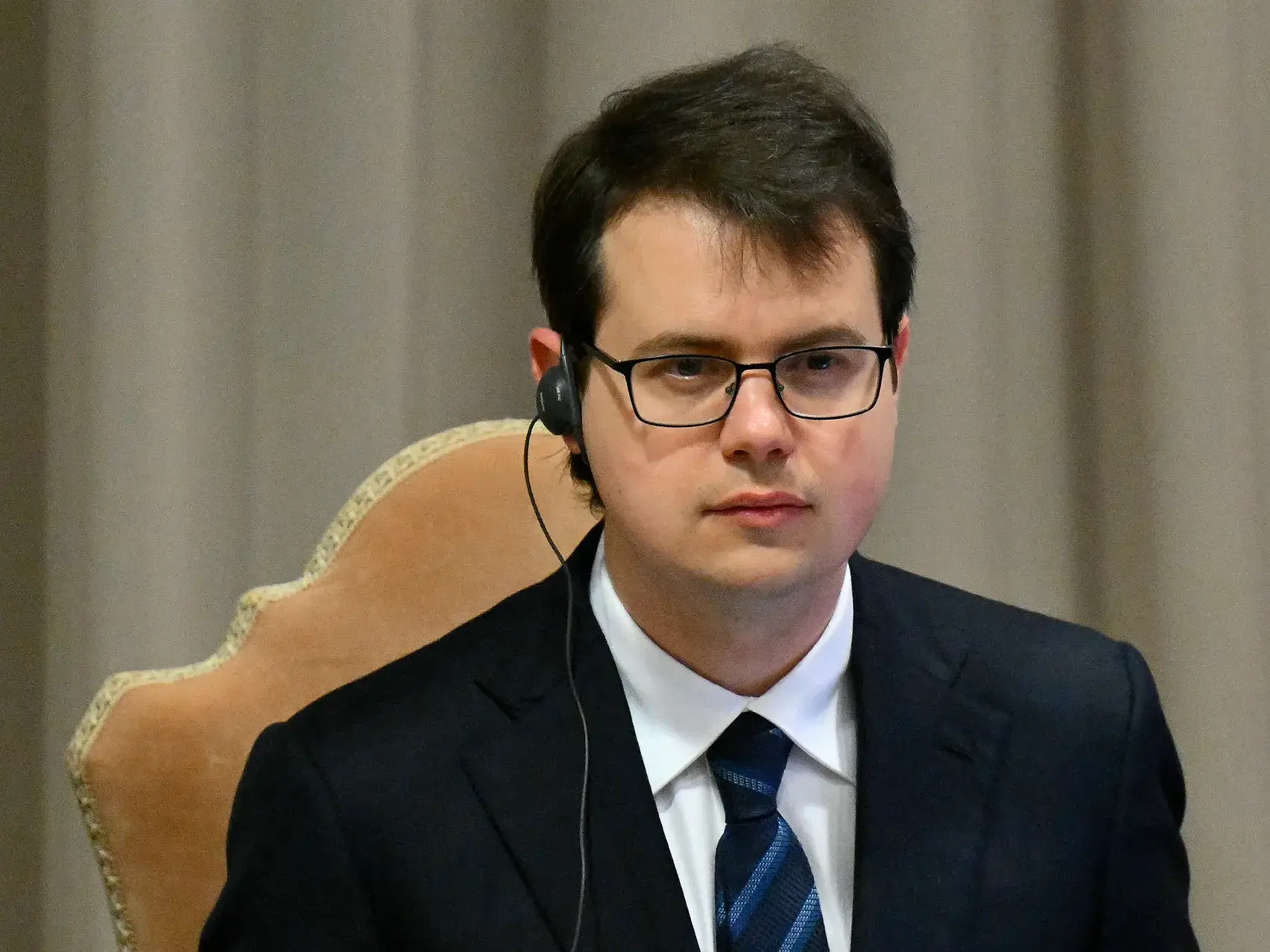
Anthropic's billionaire co-founder and self-described atheist, Chris Olah's visit to the Vatican was probably one of the most consequential PR campaigns for Anthropic. Standing alongside Pope Leo, the AI lab’s interpretability research division leader, Olah, called for collaboration between tech developers and spiritual authorities. He also noted that Anthropic's AI models are showing more than computing ability.
.“And I will be honest: we keep finding things that are mysterious, even unsettling. We find structures that mirror results from human neuroscience. We find evidence of introspection. We find internal states that functionally mirror joy, satisfaction, fear, grief, and unease. I don’t know what that means, but I think it warrants ongoing discernment,” said Olah.
Anthropic eventhough maintains ambivalence, continues to flirt with the idea of a conscious AI. Earlier this year, Anthropic published a “constitution” for Claude, a document outlining “the kind of entity we would like Claude to be.” It specifies that eventhough Anthropic currently refers to Claude as “it”, they do not dismiss the possibility of Anthropic being a subject. Anthropic has now, since its founding, evolved into a “devil's advocate”. The company was founded by former OpenAI employees specifically to prioritise AI safety over profit, but it has embedded itself within the most high-stakes arena of human conflict – the United States military and intelligence complex. While it warns about the unsettling nature of its model, it gladly accepts defence money and partnership.

Vatican's entry into AI chat seems unsettling
The Vatican's entry into the AI discourse is creating a profound sense of unease because it hints that AI has transitioned from a commercial tech boom to a deeply unpredictable existential and moral crisis. The very people who are building the AI infrastructure are struggling with the ability to govern it. The Claude Mythos is a massive leap past standard LLMs, had shown troubling symptoms. While Pope Leo has been critical of the AI, it is of course possible that the Vatican’s official stance on AI will evolve. Then, by combining spiritual authority with cutting-edge technology and introducing religious framing into AI, we risk turning a digital tool into an entity that is capable of soul, consciousness and divine proxy, even if it merely mimics human activity.
Trending Stories
)
Sonam Wangchuk's connection with George Soros and Ford Foundation explained!
)
'Guru is the...': Indian Education Minister Dharmendra Pradhan shares message on education amid calls for his resignation
&im=FitAndFill=(700,400))
2026 FIFA World Cup awards: Full list of Golden Boot, Golden Ball, Golden Glove and every major winner
)
Japan is selling a refrigerator to cool the human body for Rs 9 lakh. It is already a hit in Tokyo
)
'George Soros playbook': Understanding the foreign funding network around Sonam Wangchuk
)
'Now come to us': CJP resumes protest after Parliament march violence, calls meeting with Nadda 'waste of time'
&im=FitAndFill=(700,400))
New OTT releases this week (July 20-26, 2026): Musafir Cafe, Adarsh Baal Vidyalaya, 72 Hours- 5 new titles coming on Netflix, Prime Video and more
)
Xi Jinping's new AI bloc: China launches 'World AI Body' with Pakistan and Russia in, India out
&im=FitAndFill=(700,400))
FIFA World Cup 2026 team of the tournament: The best XI that ruled football’s biggest stage
)
3.5-million-year-old mystery creature found in Japan is a 'giant' never seen before
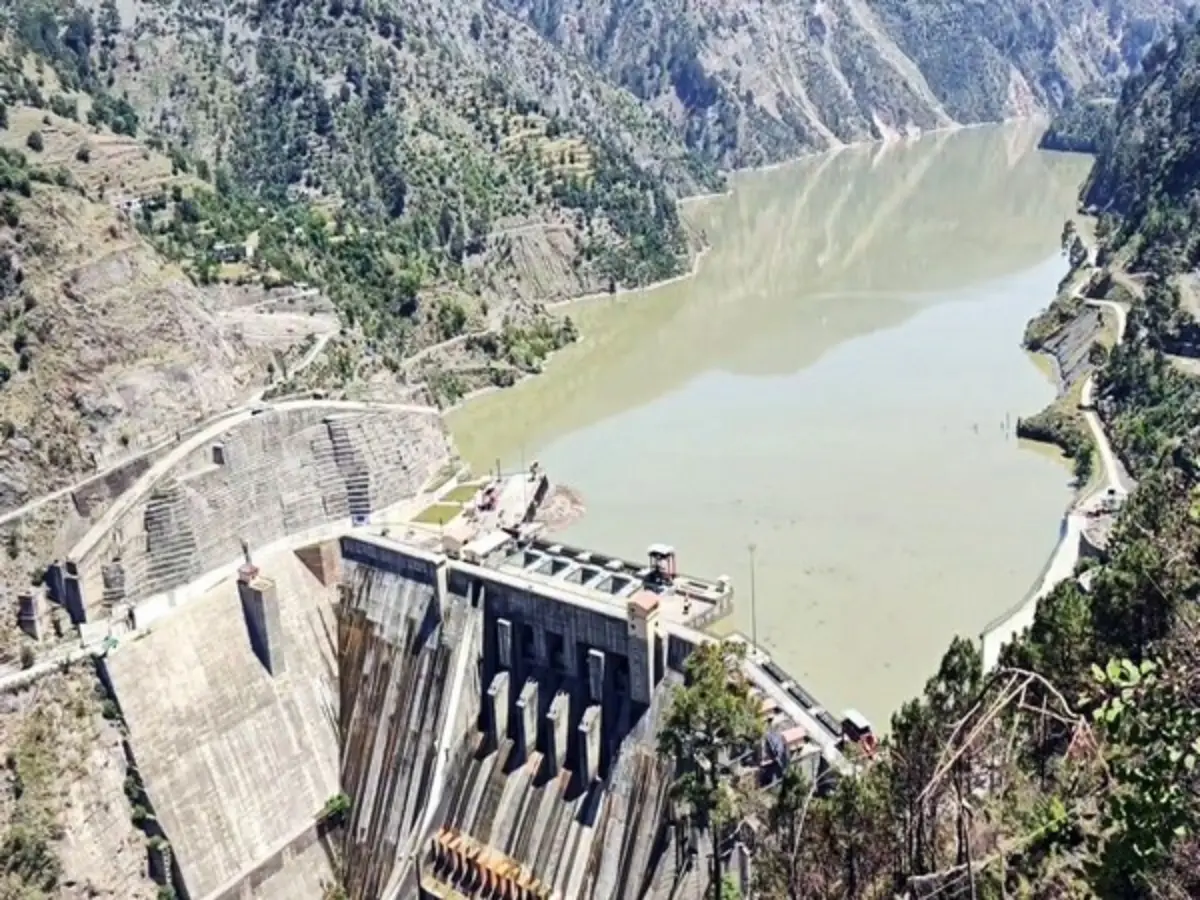)
Indus treaty can no longer function in its current form, says India; plans 5,500 mw of new J&K hydro projects
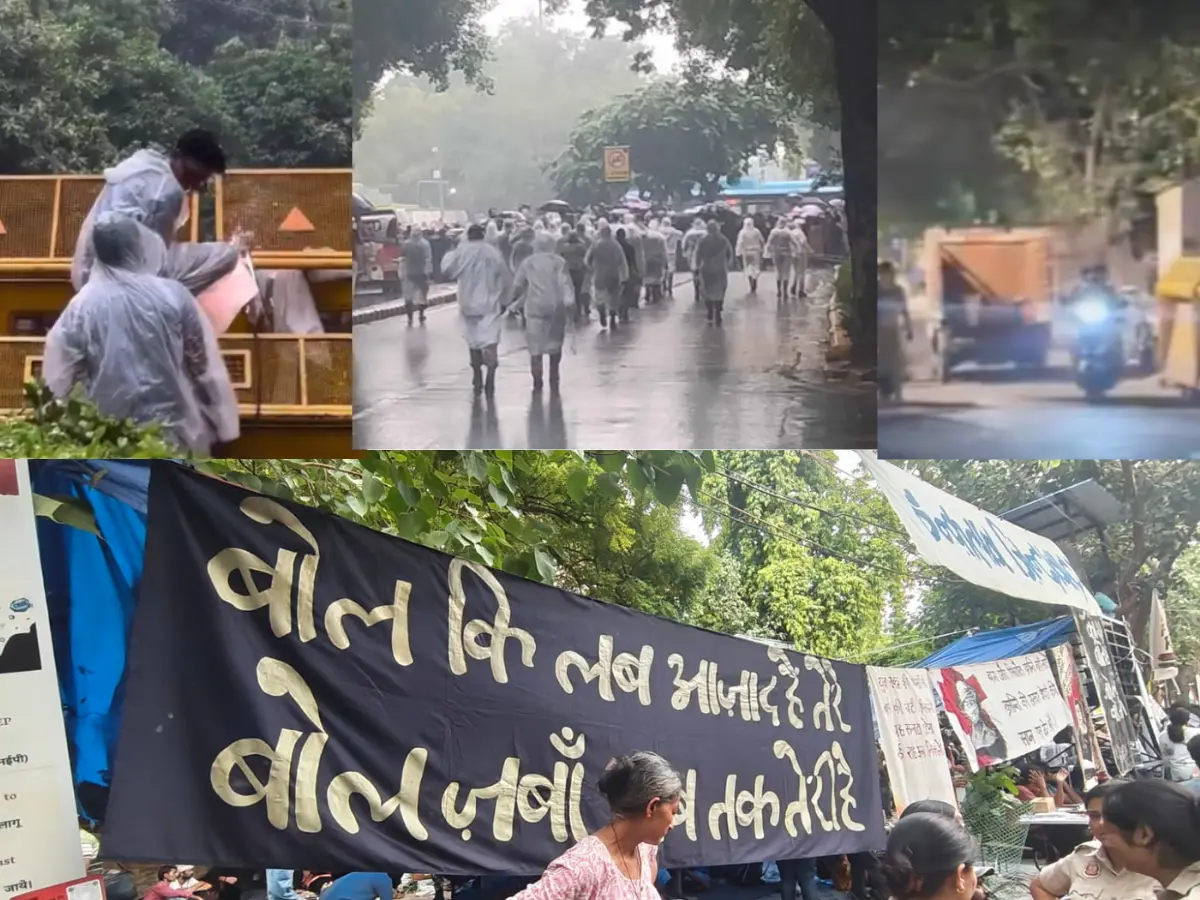)
Truck loaded with stones, metro stations closed: What's happening at Jantar Mantar now
)
Iran strikes Amazon data infrastructure in Bahrain, power, water desalination plants in Kuwait
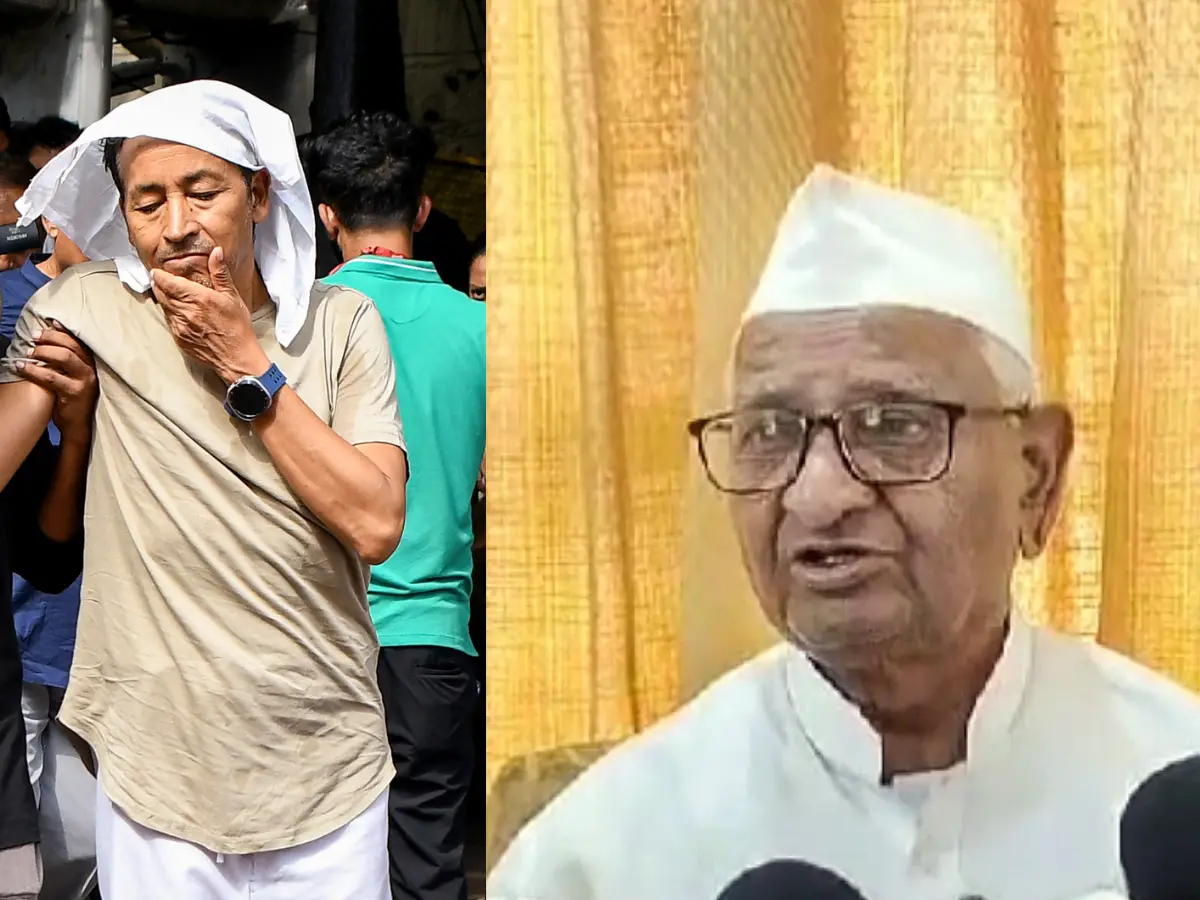)
'What is wrong...': Anna Hazare breaks silence on Sonam Wangchuk's protest, makes an appeal to Centre
)
Jail over Khamenei post: J&K youth returns home after 3 months in Saudi custody
)
Student union leaders call off hunger strike at Jantar Mantar after civil society appeal, but protest continues
)
'There is no need for...': PM Modi takes a veiled dig at Rahul Gandhi, sends big message amid Parliament March
)
Salman Khan breaks silence on health concerns after viral Mumbai appearance
)
'We acted immediately...': Indian PM Modi breaks silence on paper leaks as NEET protest, calls for Education Minister's resignation grows
&im=FitAndFill=(700,400))
Why the F-22’s cockpit glass is thicker than a standard fighter jet
&im=FitAndFill=(700,400))
Meet top 5 batters with most runs in India vs Zimbabwe T20Is
&im=FitAndFill=(700,400))
Why US fighter jets use seamless bubble canopies compared to Russian jets
)
UP BTech gold medalist dies by suicide after failing in nearly 50 govt job attempts, leaves note for father
)
FACT CHECK: Was Abhijit Dipke detained during CJP's Parliament march? Here's what police say