EU agrees to ban 'more than two thirds' of Russian oil import

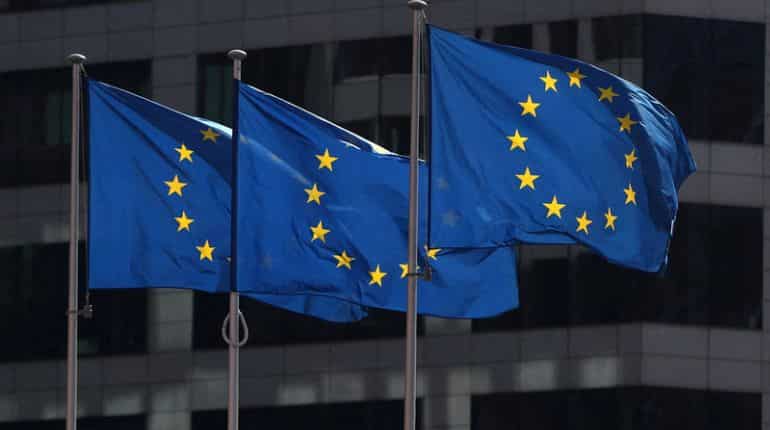
The European Union flag
The European Union (EU) on Monday (May 30) agreed to ban most Russian oil imports, but not before some heavy haggling to strie compromise deal with Hungary which opposed the ban. Negotiations over banning Russian oil imports have been going on for weeks.
A total embargo was fiercely opposed by Hungary PM Viktor Orban.
EU leaders meeting in Brussels hatched a compromise deal to exempt deliveries by pipeline from the ban, after Budapest warned halting supplies would wreck its economy.

Watch | Ukrainian president Zelensky visits frontline soldiers in Kharkiv region
"Agreement to ban export of Russian oil to the EU. This immediately covers more than two thirds of oil imports from Russia, cutting a huge source of financing for its war machine," European Council chief Charles Michel tweeted during the summit.
)
Xi Jinping's new AI bloc: China launches 'World AI Body' with Pakistan and Russia in, India out
)
3.5-million-year-old mystery creature found in Japan is a 'giant' never seen before
&im=FitAndFill=(700,400))
Meet top 5 batters with most runs in India vs Zimbabwe T20Is
)
Japan is selling a refrigerator to cool the human body for Rs 9 lakh. It is already a hit in Tokyo
)
Sonam Wangchuk's connection with George Soros and Ford Foundation explained!
)
'There is no need for...': PM Modi takes a veiled dig at Rahul Gandhi, sends big message amid Parliament March
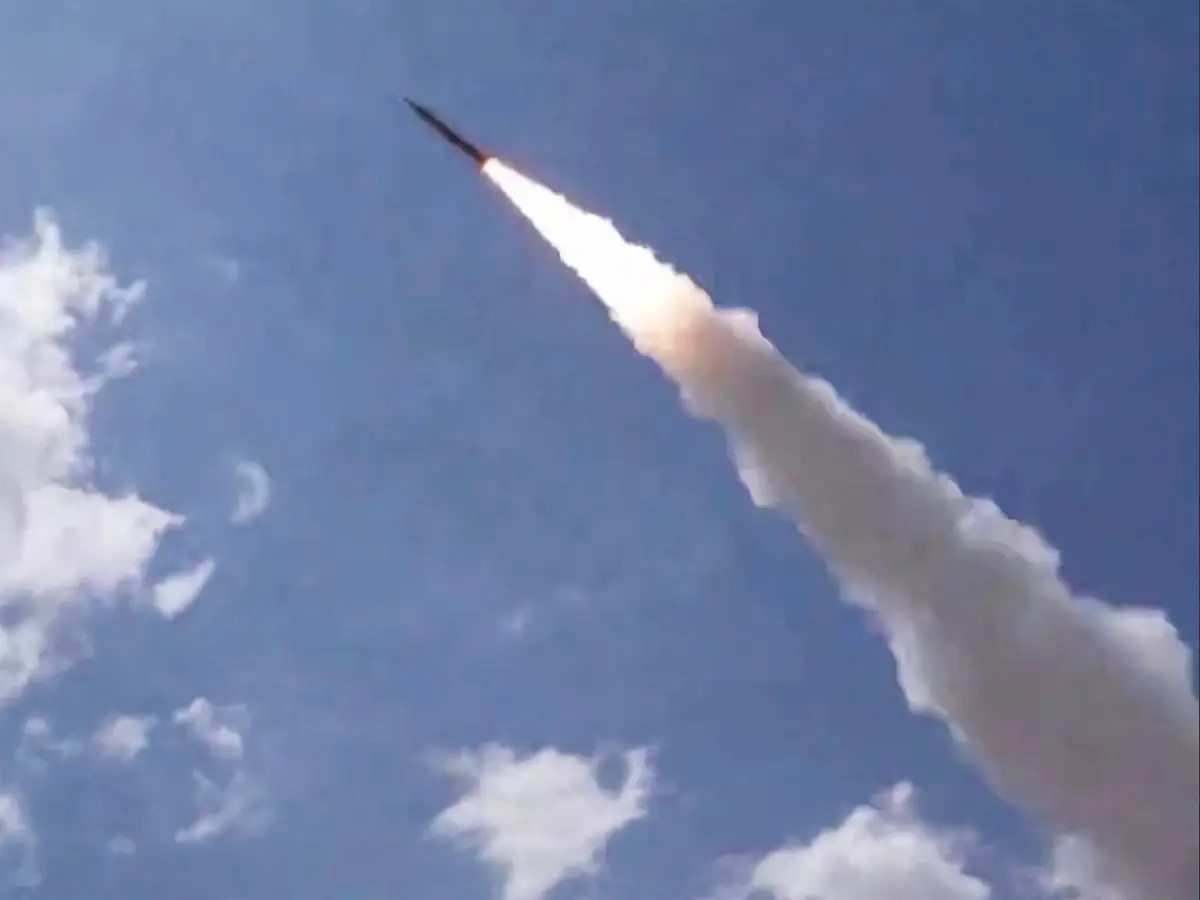)
Iran strikes Amazon data infrastructure in Bahrain, power, water desalination plants in Kuwait
)
FACT CHECK: Was Abhijit Dipke detained during CJP's Parliament march? Here's what police say
)
UP BTech gold medalist dies by suicide after failing in nearly 50 govt job attempts, leaves note for father
)
Jail over Khamenei post: J&K youth returns home after 3 months in Saudi custody
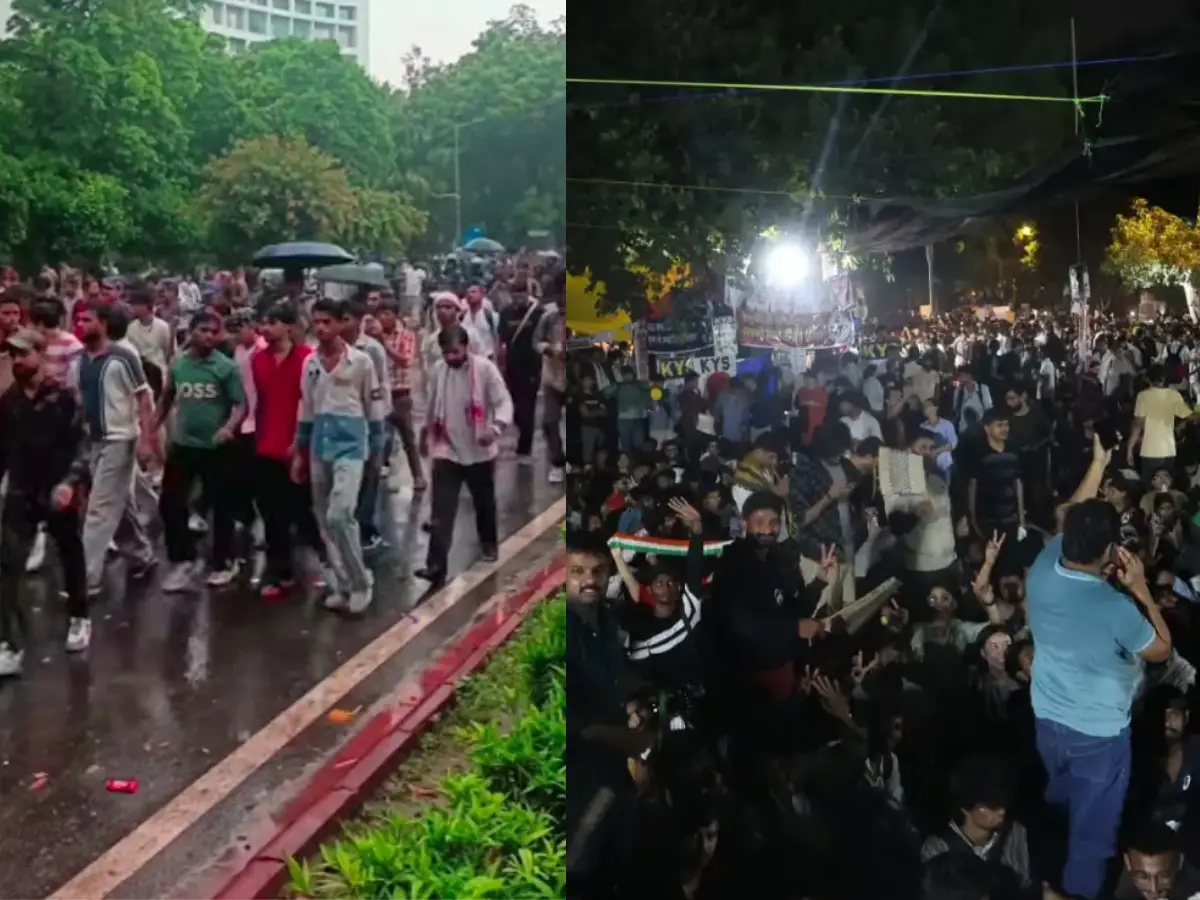)
'Now come to us': CJP resumes protest after Parliament march violence, calls meeting with Nadda 'waste of time'
)
Salman Khan breaks silence on health concerns after viral Mumbai appearance
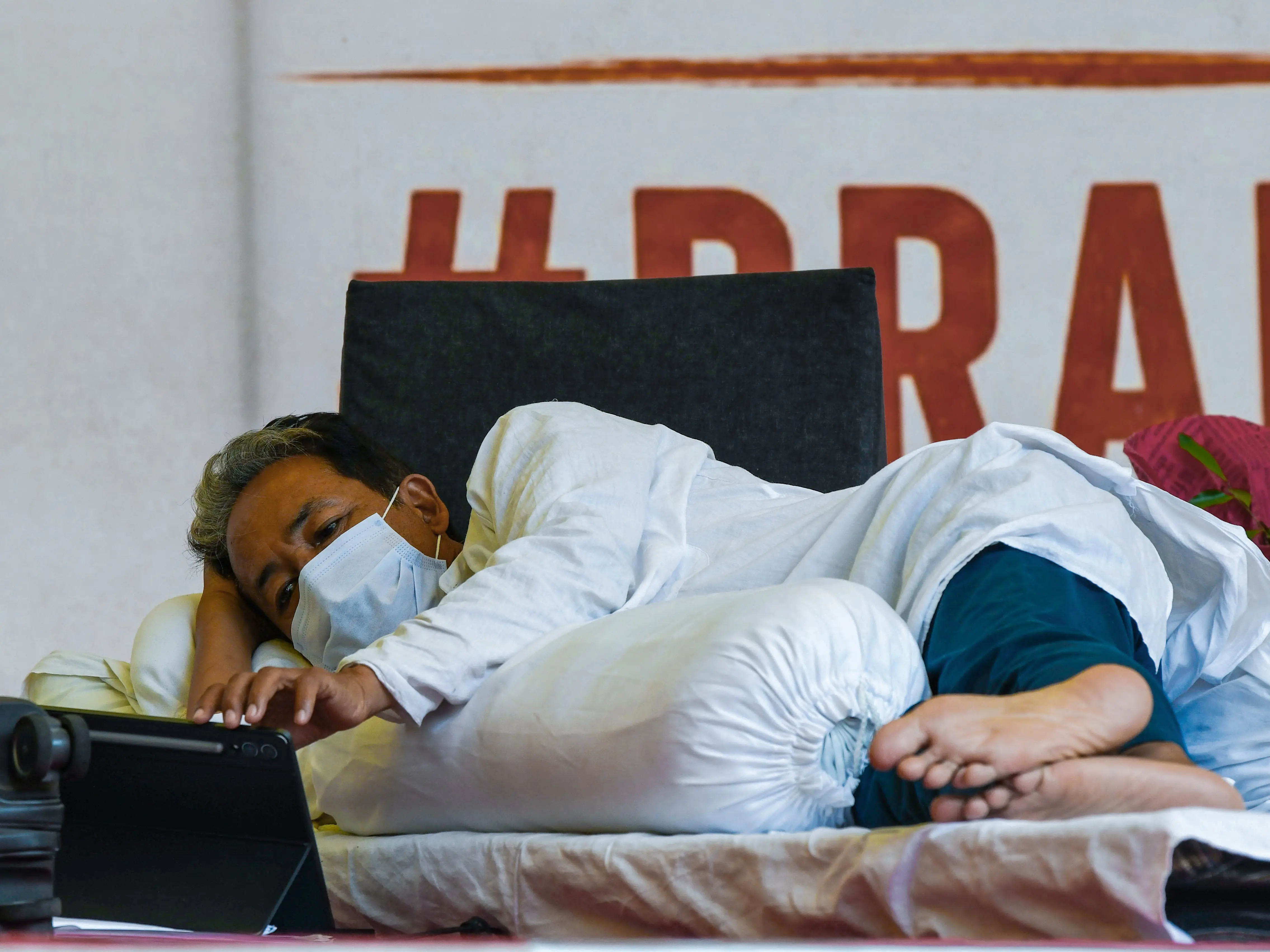)
'George Soros playbook': Understanding the foreign funding network around Sonam Wangchuk
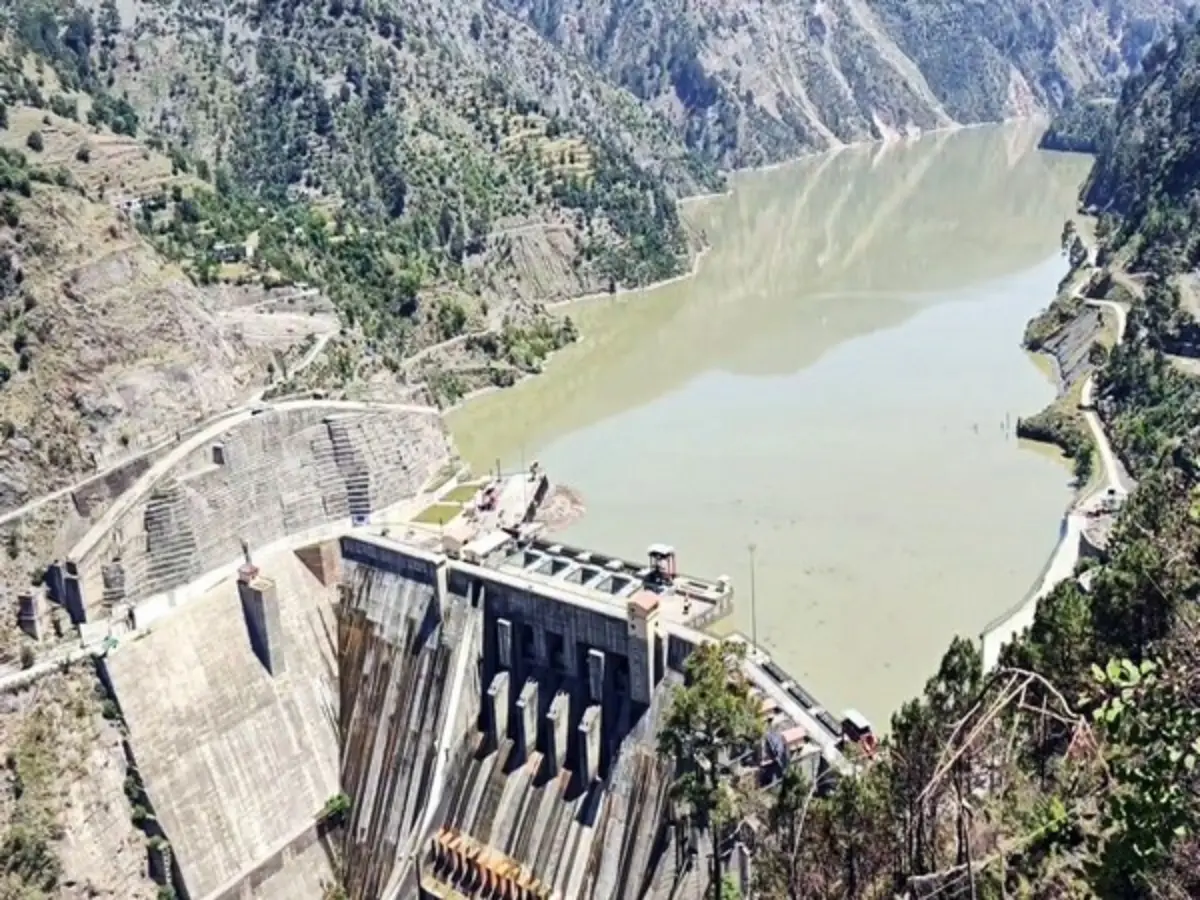)
Indus treaty can no longer function in its current form, says India; plans 5,500 mw of new J&K hydro projects
&im=FitAndFill=(700,400))
New OTT releases this week (July 20-26, 2026): Musafir Cafe, Adarsh Baal Vidyalaya, 72 Hours- 5 new titles coming on Netflix, Prime Video and more
&im=FitAndFill=(700,400))
2026 FIFA World Cup awards: Full list of Golden Boot, Golden Ball, Golden Glove and every major winner
&im=FitAndFill=(700,400))
FIFA World Cup 2026 team of the tournament: The best XI that ruled football’s biggest stage
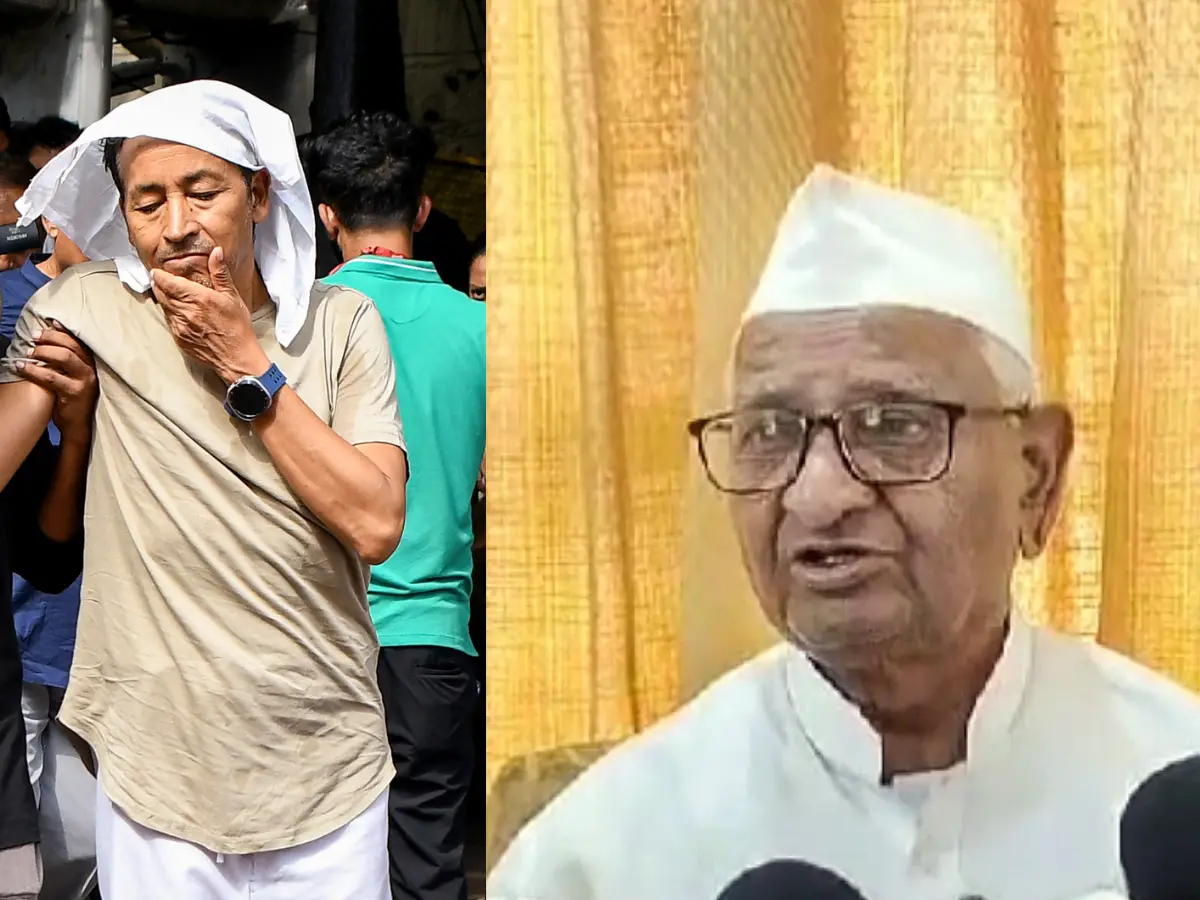)
'What is wrong...': Anna Hazare breaks silence on Sonam Wangchuk's protest, makes an appeal to Centre
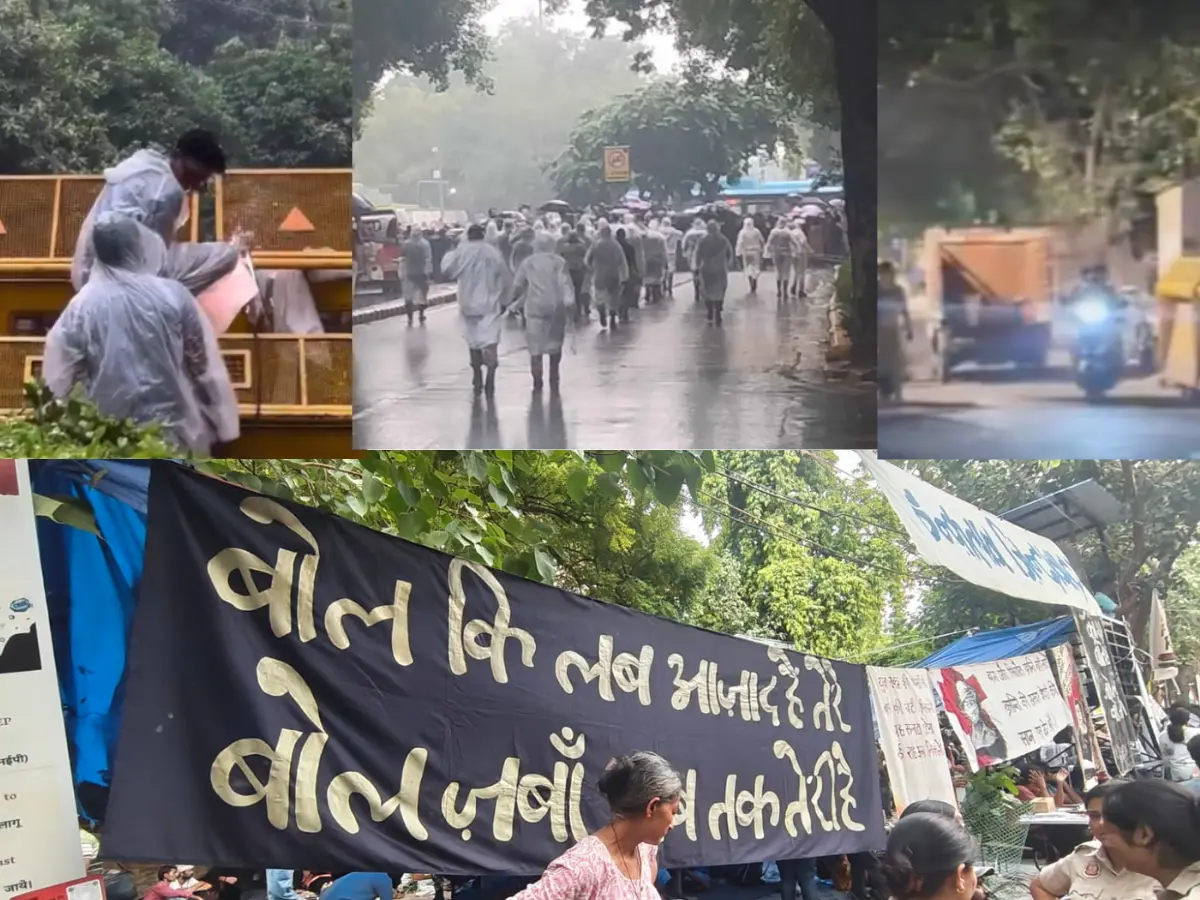)
Truck loaded with stones, metro stations closed: What's happening at Jantar Mantar now
&im=FitAndFill=(700,400))
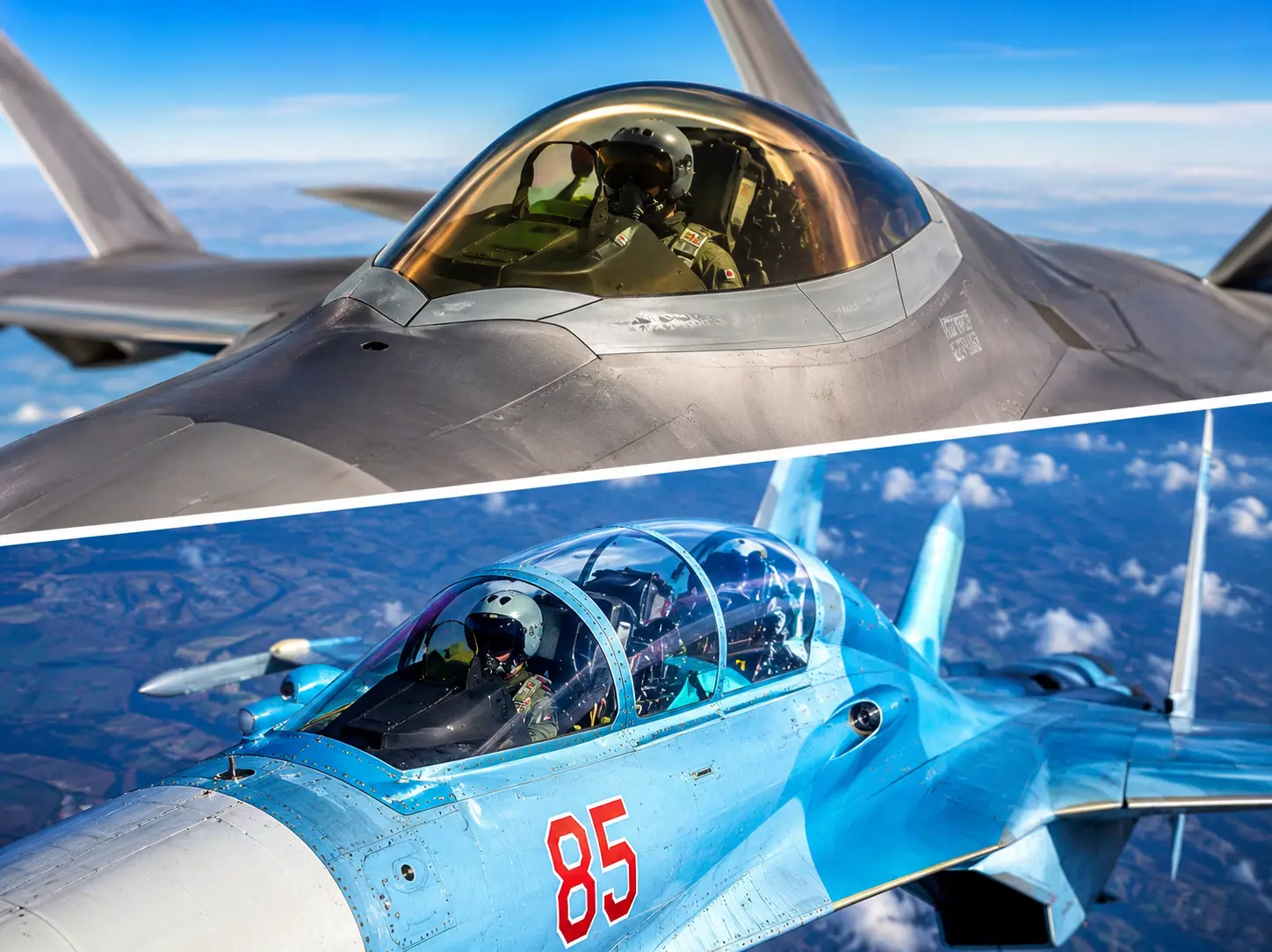
Why US fighter jets use seamless bubble canopies compared to Russian jets
&im=FitAndFill=(700,400))
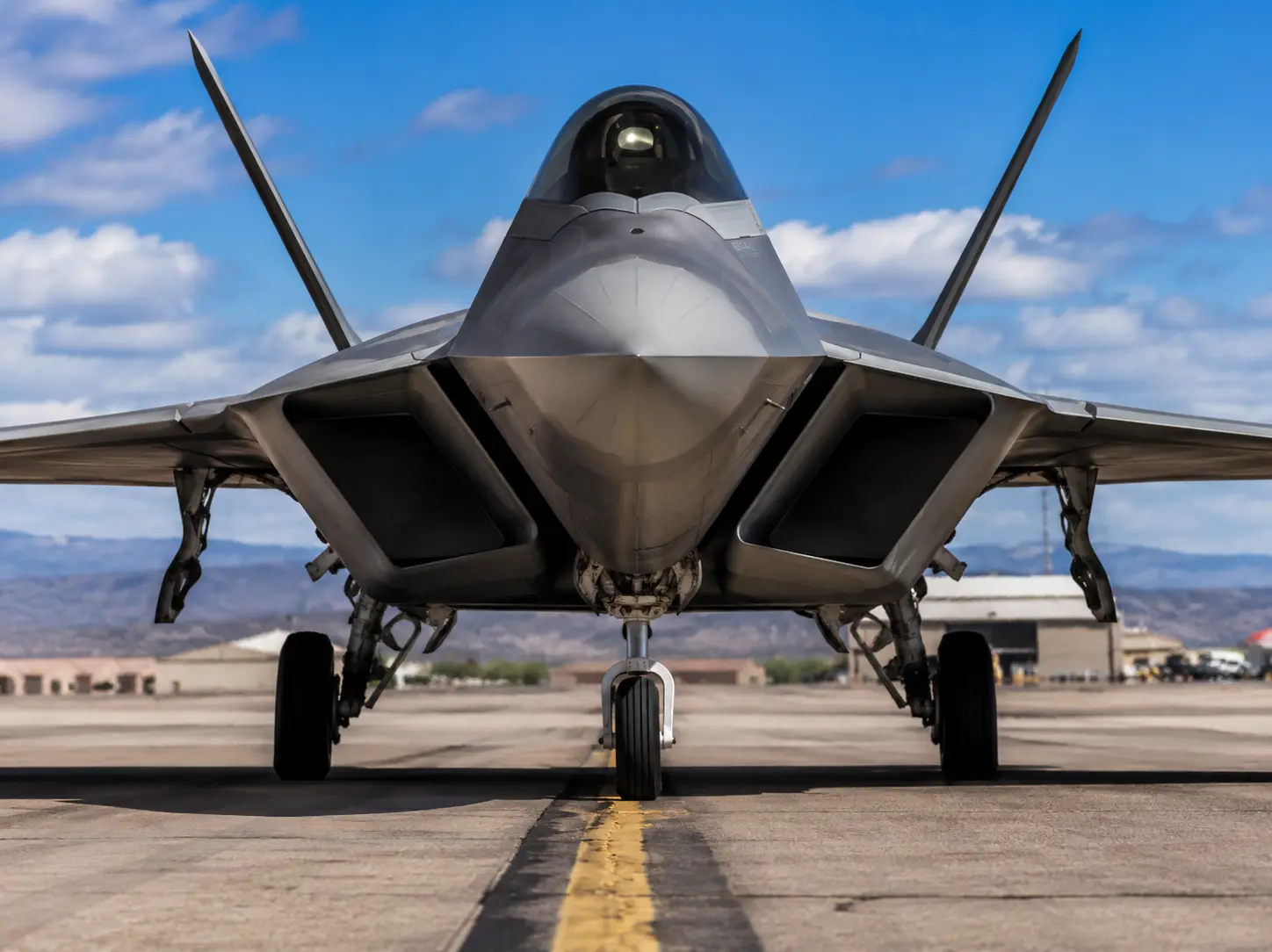
Why the F-22’s cockpit glass is thicker than a standard fighter jet
)
Student union leaders call off hunger strike at Jantar Mantar after civil society appeal, but protest continues
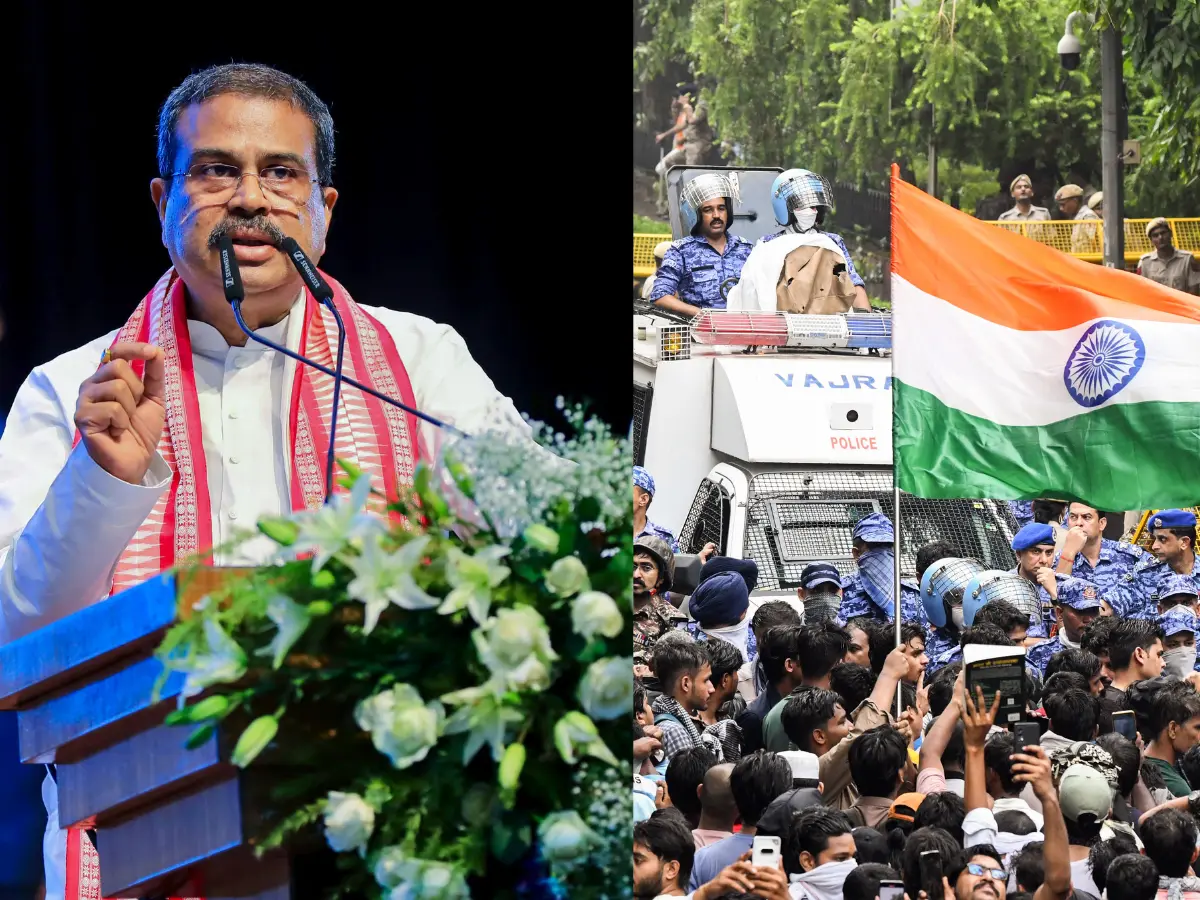)
'Guru is the...': Indian Education Minister Dharmendra Pradhan shares message on education amid calls for his resignation
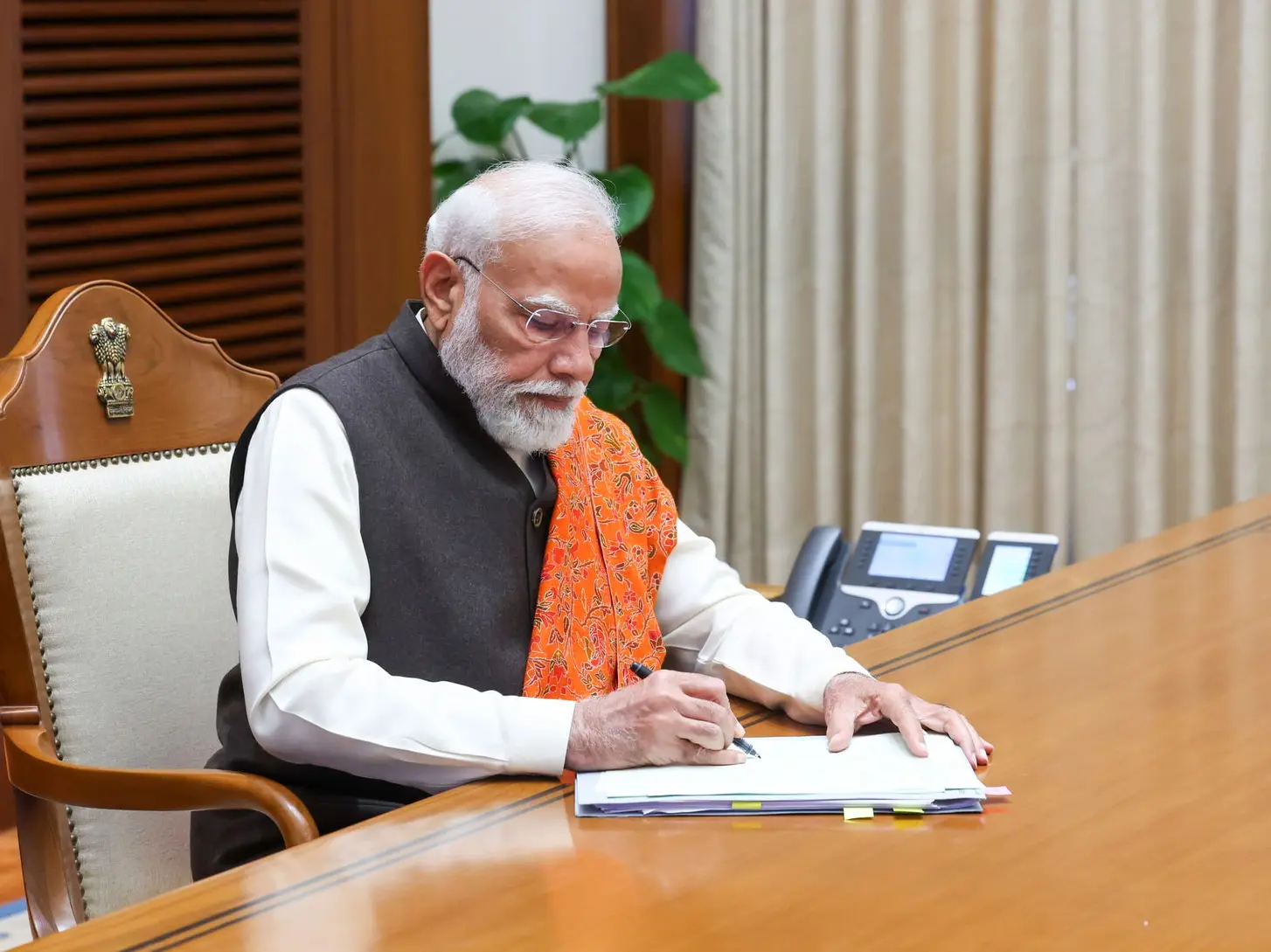)
'We acted immediately...': Indian PM Modi breaks silence on paper leaks as NEET protest, calls for Education Minister's resignation grows
"Maximum pressure on Russia to end the war."
EU chief Ursula von der Leyen said that the decision taken by the bloc "will effectively cut around 90 percent of oil imports from Russia to the EU by the end of the year" as Germany and Poland had committed to renounce deliveries via a pipeline to their territory.
Also Read | Joe Biden says US will not send Ukraine rocket systems that can reach Russia
There have been five waves of unprecedented economic sanctions on Russia. Prolonged negotiations over sixth package of sanctions has rocked European unity.
Despite the gap in the embargo left by Hungary's opposition, the latest round of sanctions represents some of the most damaging measures taken by the EU so far.
(With inputs from agencies)
You can now write for wionews.com and be a part of the community. Share your stories and opinions with us here.
WATCH WION LIVE HERE