
&imwidth=800&imheight=600&format=webp&quality=medium "Israel destroys two Hezbollah tunnel network by using 450 tonnes of explosives in southern Lebanon")
The Israel Defense Forces announced on Tuesday (April 28) that it had uncovered and destroyed a major tunnel network built by Hezbollah, while also issuing new evacuation orders across southern Lebanon. Since early March, Israeli forces have been engaged in ongoing clashes with Hezbollah in southern Lebanon, despite a fragile ceasefire reached on April 17. In the town of Qantara, Israeli troops discovered ‘two Hezbollah terror tunnels, constructed over approximately a decade’ stretching about two kilometres (1.2 miles). The military said it used over 450 tonnes of explosives to destroy them.
Lebanese state media reported that the blast created a large crater in Qantara, following what had earlier been described as a major demolition operation in the area.
Images from the scene showed towering columns of smoke visible from miles away after the detonation. An Israeli military official described the network as a massive underground military installation that included an 800-metre tunnel and another extending 1.2 kilometres. The site reportedly served as "an assembly area" for Hezbollah’s elite Radwan forces. According to the official, the tunnels ran beneath civilian structures, including a school and a mosque, and featured living quarters such as sleeping areas, showers, toilets, kitchenettes, and multiple assembly halls. He added that the facility was "designed, sponsored, and paid for by Iran". "Today we blew up a huge Hezbollah terror tunnel," said Benjamin Netanyahu, pledging continued operations against the group’s infrastructure.

Watch the video here
'No territorial ambitions'
Despite the ceasefire, both Israel and Hezbollah have accused each other of repeated violations, with sporadic violence continuing. Later in the day, Lebanon’s health ministry reported that one person was killed and 15 others injured, including five children and five women, in an Israeli strike on Jwaya, located about 20 kilometres to the west. The strike followed new evacuation orders issued by Israel, targeting residents of more than a dozen towns and villages and urging them to move north.
Even so, Israeli Foreign Minister Gideon Saar stated that Israel had "no territorial ambitions in Lebanon" and would withdraw once "Hezbollah and other terror organisations... are dismantled". The evacuation notice instructed residents to leave "immediately" and head "towards the Sidon District," according to military spokesman Avichay Adraee. Soon after, Lebanese state media reported additional Israeli airstrikes across the south, targeting multiple locations, many near or outside the so-called "yellow line".
Throughout Tuesday, the Israeli military reported three separate attempts to intercept "a suspicious aerial target" in areas where troops were operating, though details were not provided. It also said Hezbollah launched several explosive drones that detonated near Israeli soldiers, without causing injuries. A similar drone incident a day earlier left one soldier seriously wounded and another with minor injuries. The conflict intensified after Hezbollah began launching rockets into Israel on March 2, linking its actions to regional tensions involving Ali Khamenei.
Disclaimer: WION takes utmost care to accurately and responsibly report ongoing conflicts in West Asia involving Israel, Iran, the US, Gulf nations, and non-state actors like Hezbollah, Hamas, Houthis, Islamic State, and others. Claims and counterclaims, disinformation and misinformation are being made online and offline. Given this context, WION cannot independently verify the authenticity of all statements, social media posts, photos, and videos.
Trending Stories
)
Xi Jinping's new AI bloc: China launches 'World AI Body' with Pakistan and Russia in, India out
)
3.5-million-year-old mystery creature found in Japan is a 'giant' never seen before
&im=FitAndFill=(700,400))
Meet top 5 batters with most runs in India vs Zimbabwe T20Is
)
Japan is selling a refrigerator to cool the human body for Rs 9 lakh. It is already a hit in Tokyo
)
Sonam Wangchuk's connection with George Soros and Ford Foundation explained!
)
'There is no need for...': PM Modi takes a veiled dig at Rahul Gandhi, sends big message amid Parliament March
)
Iran strikes Amazon data infrastructure in Bahrain, power, water desalination plants in Kuwait
)
FACT CHECK: Was Abhijit Dipke detained during CJP's Parliament march? Here's what police say
)
UP BTech gold medalist dies by suicide after failing in nearly 50 govt job attempts, leaves note for father
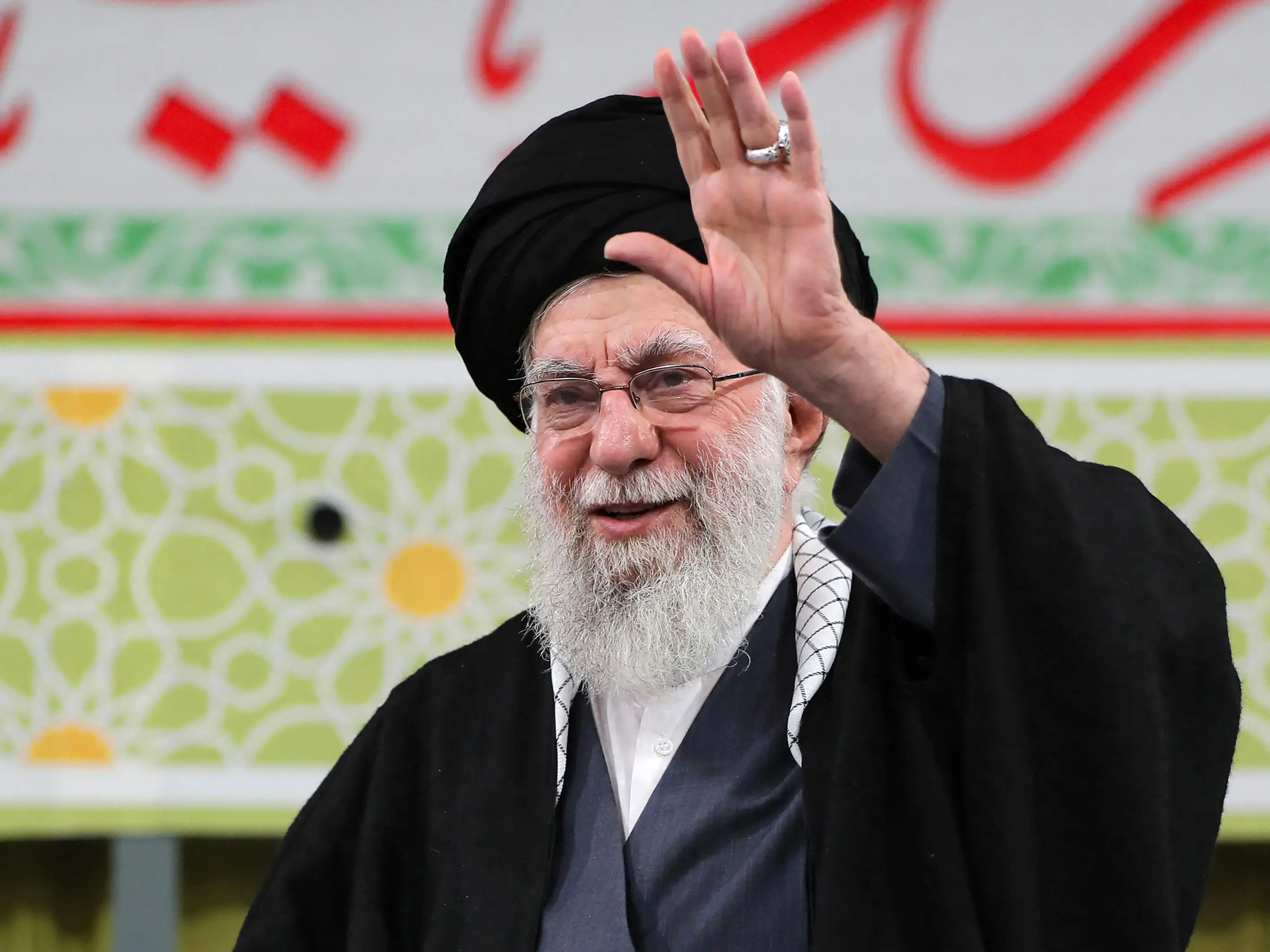)
Jail over Khamenei post: J&K youth returns home after 3 months in Saudi custody
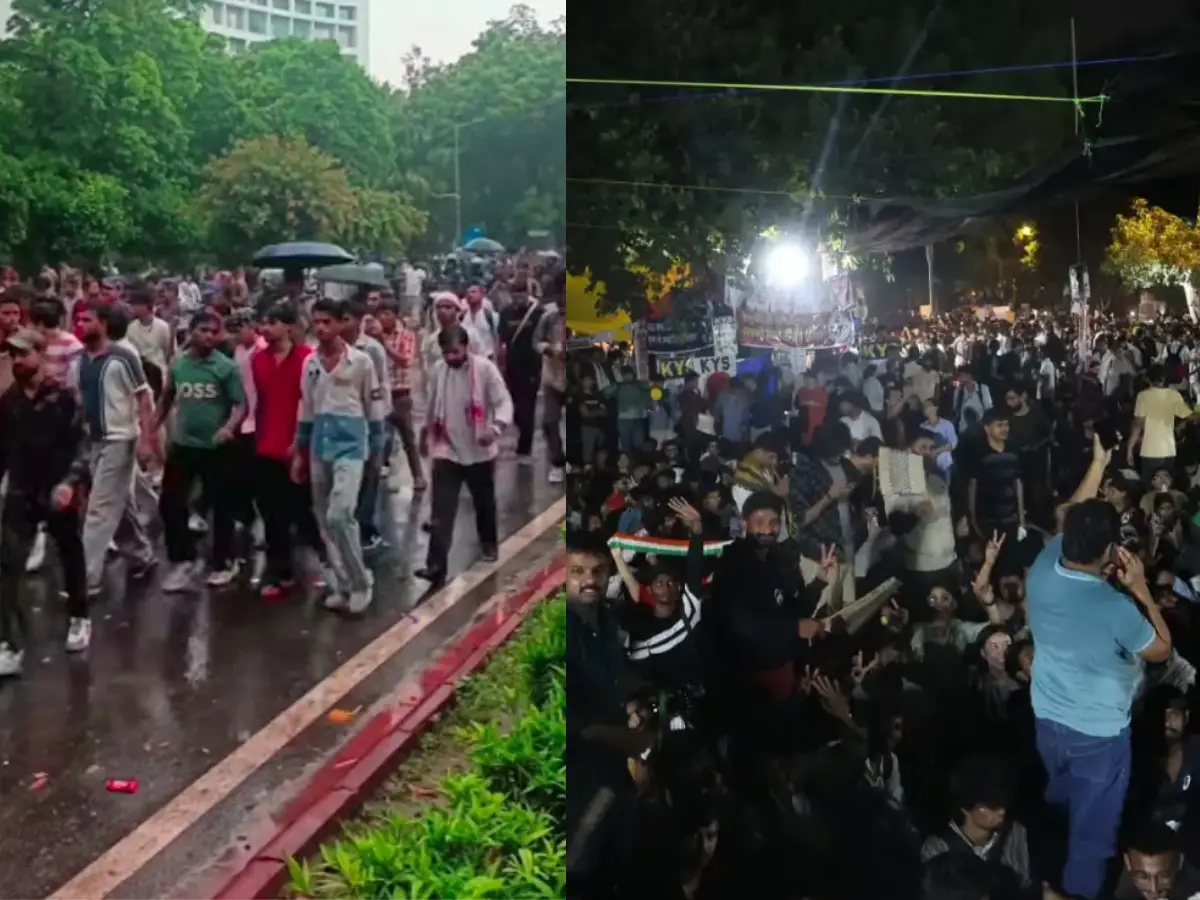)
'Now come to us': CJP resumes protest after Parliament march violence, calls meeting with Nadda 'waste of time'
)
Salman Khan breaks silence on health concerns after viral Mumbai appearance
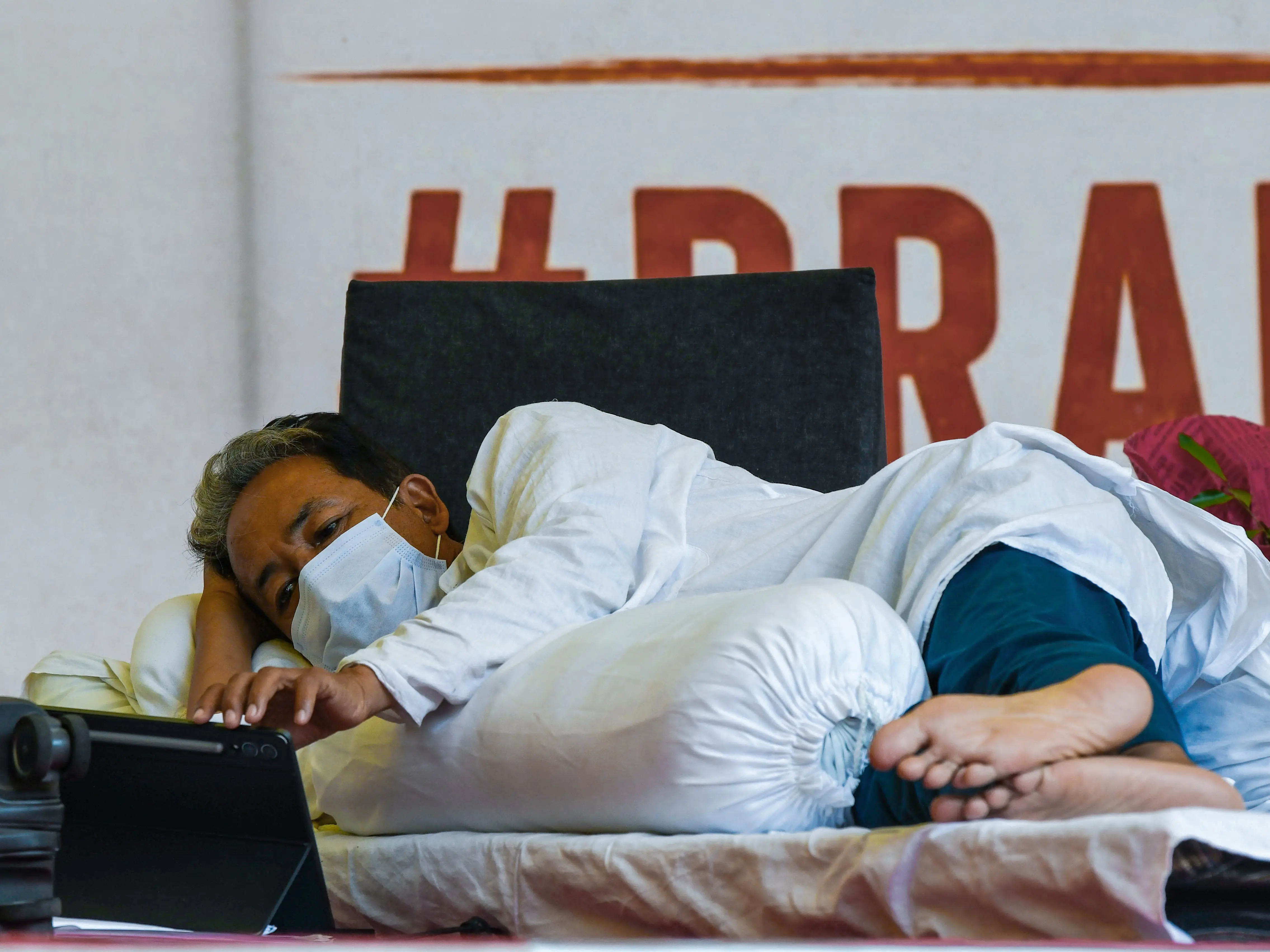)
'George Soros playbook': Understanding the foreign funding network around Sonam Wangchuk
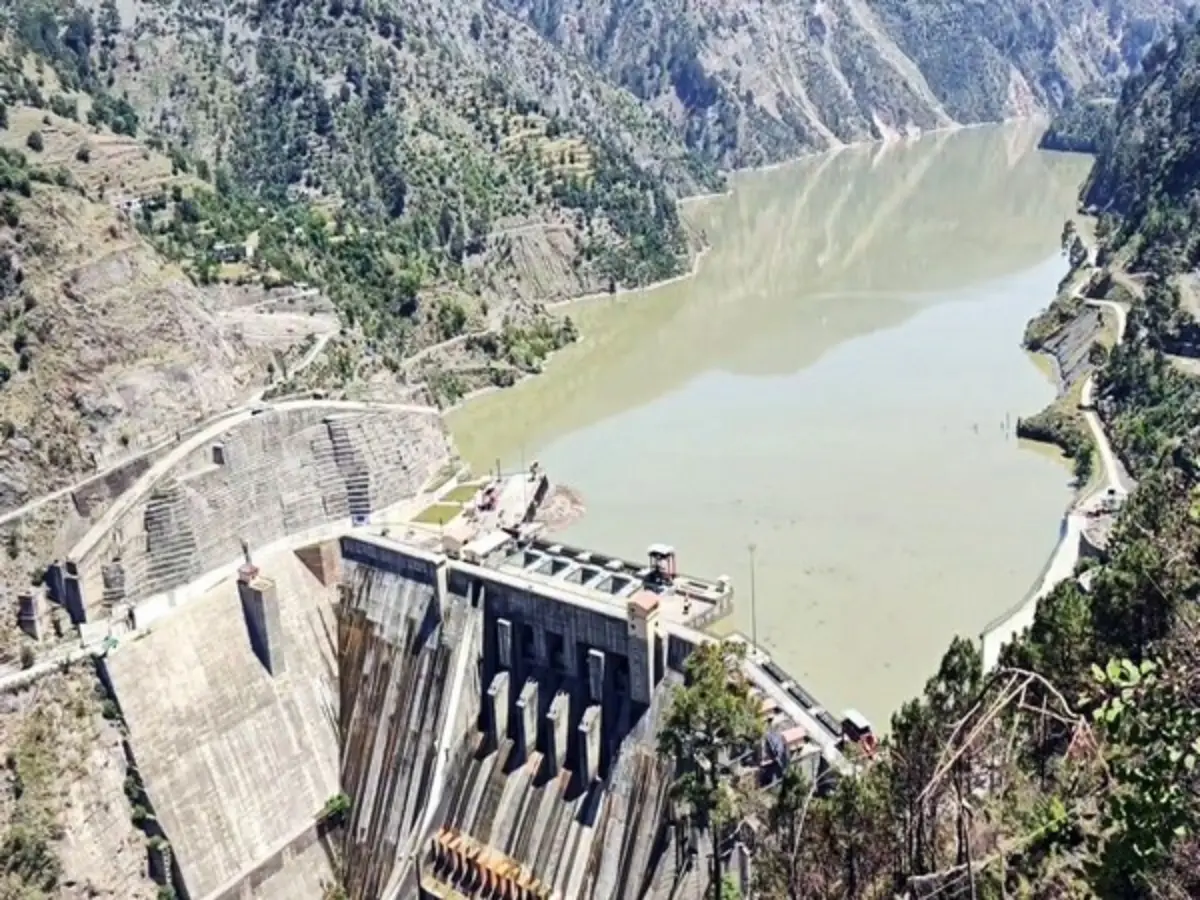)
Indus treaty can no longer function in its current form, says India; plans 5,500 mw of new J&K hydro projects
&im=FitAndFill=(700,400))
New OTT releases this week (July 20-26, 2026): Musafir Cafe, Adarsh Baal Vidyalaya, 72 Hours- 5 new titles coming on Netflix, Prime Video and more
&im=FitAndFill=(700,400))
2026 FIFA World Cup awards: Full list of Golden Boot, Golden Ball, Golden Glove and every major winner
&im=FitAndFill=(700,400))
FIFA World Cup 2026 team of the tournament: The best XI that ruled football’s biggest stage
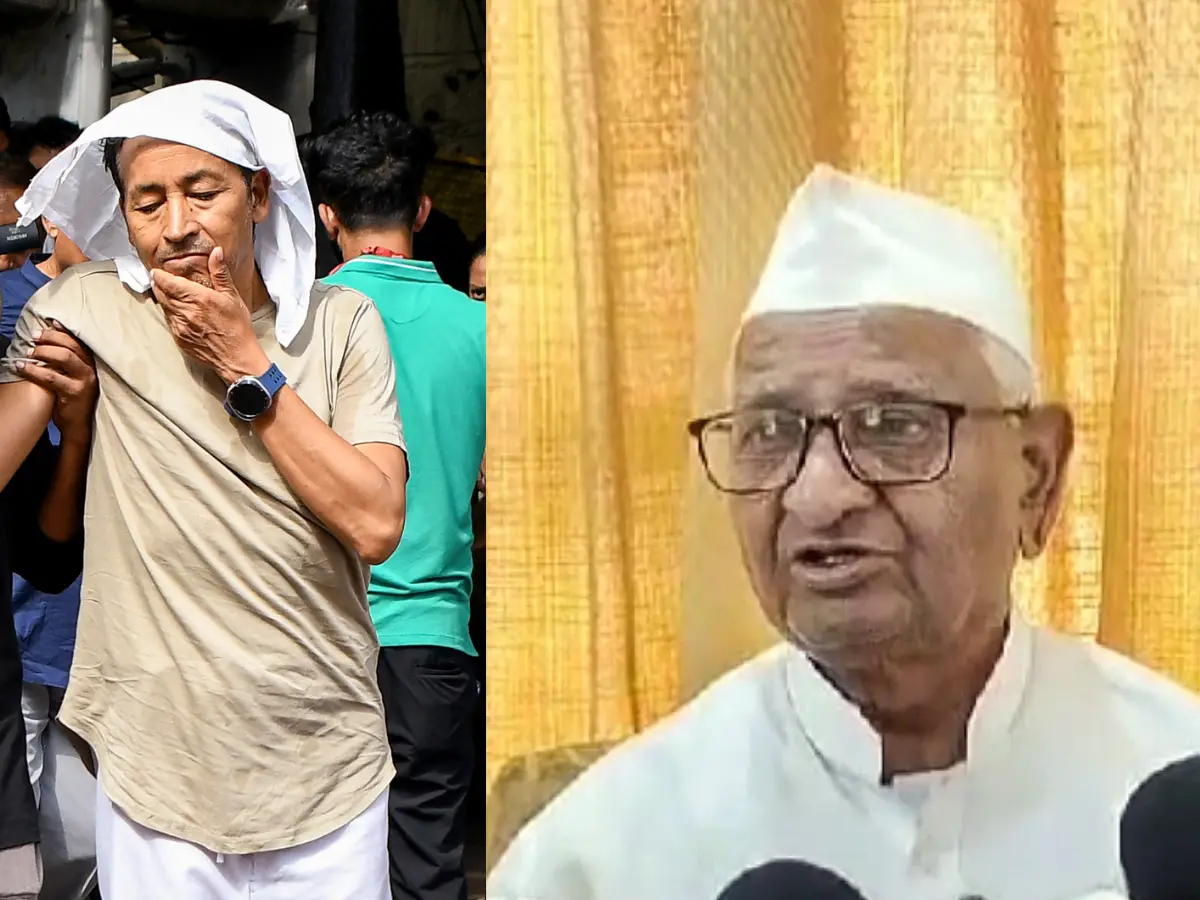)
'What is wrong...': Anna Hazare breaks silence on Sonam Wangchuk's protest, makes an appeal to Centre
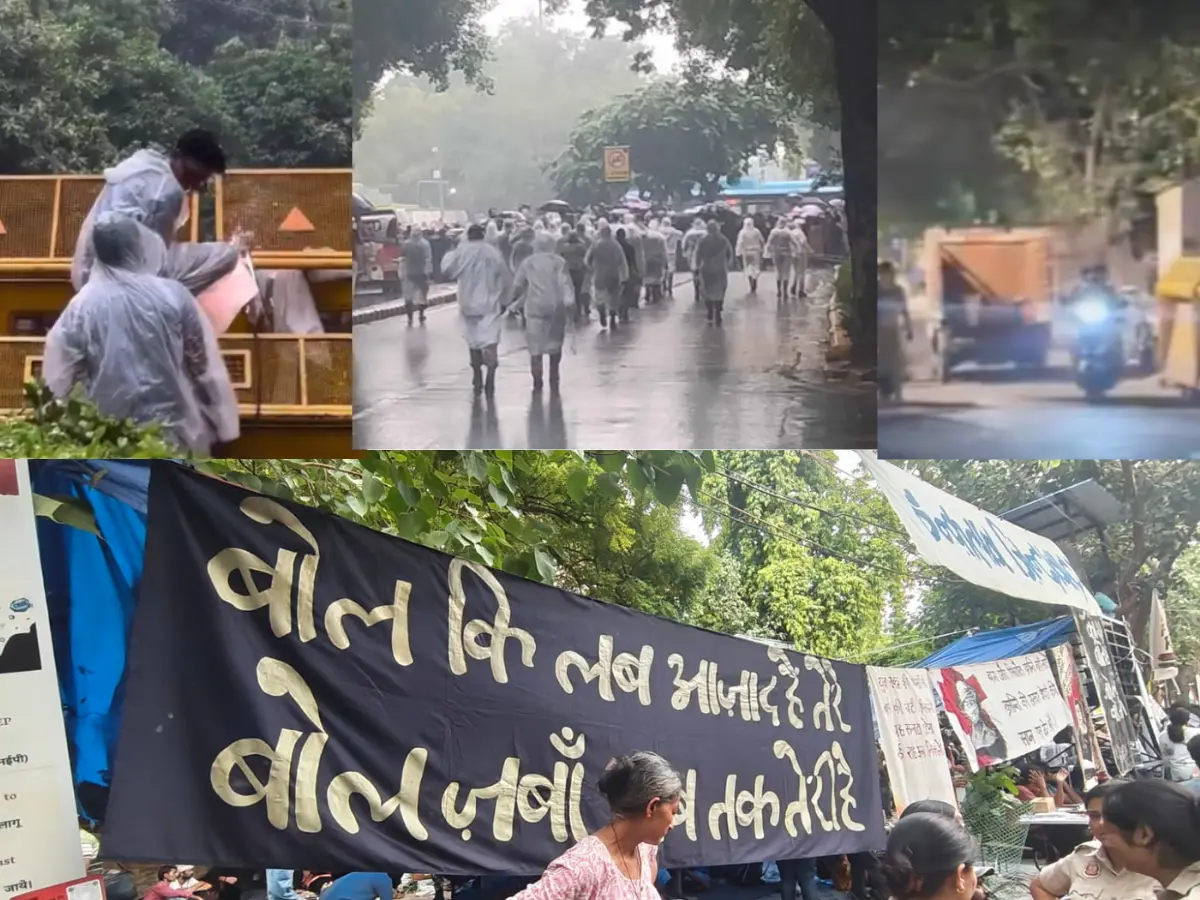)
Truck loaded with stones, metro stations closed: What's happening at Jantar Mantar now
&im=FitAndFill=(700,400))
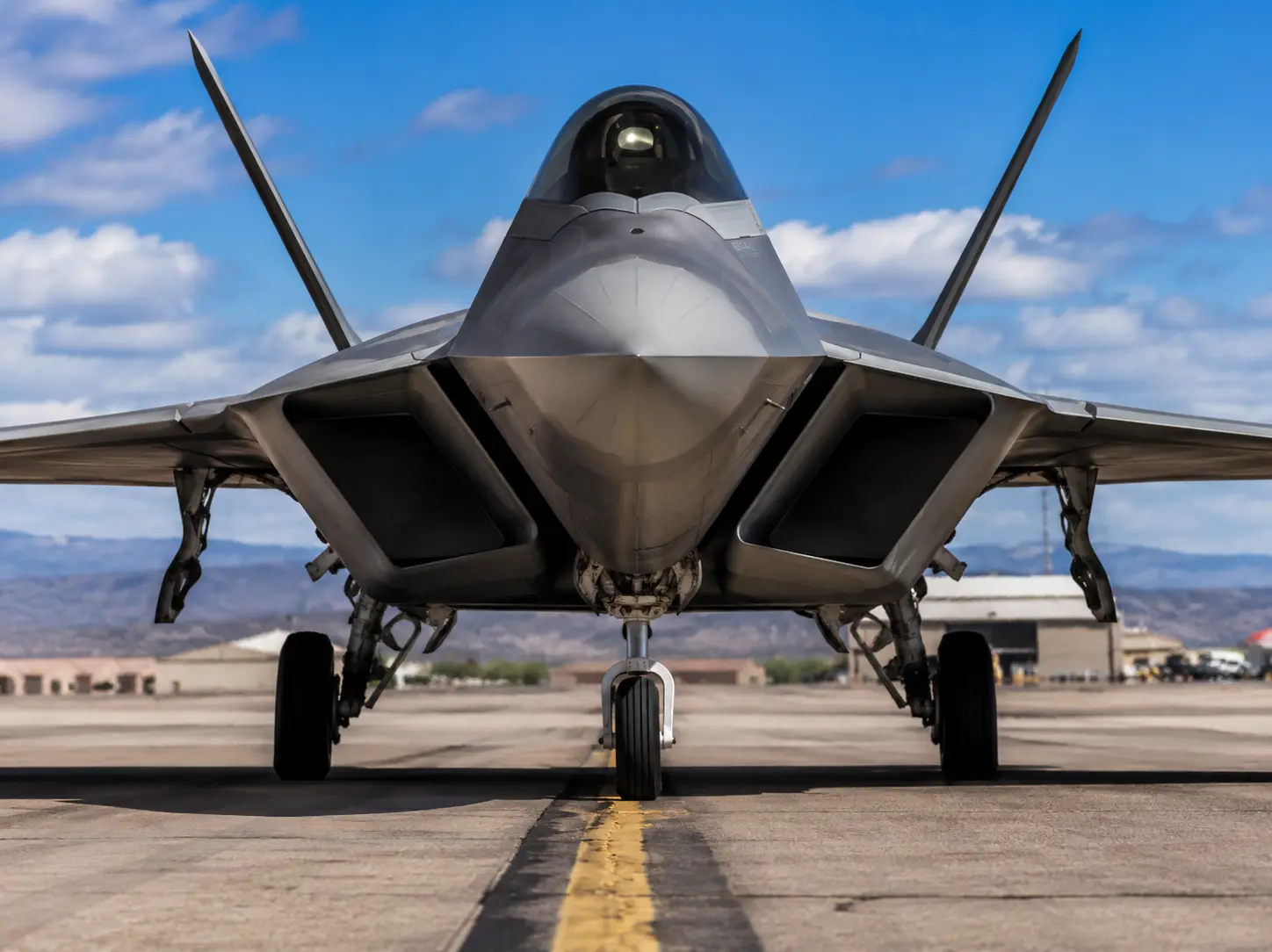
Why US fighter jets use seamless bubble canopies compared to Russian jets
&im=FitAndFill=(700,400))
Why the F-22’s cockpit glass is thicker than a standard fighter jet
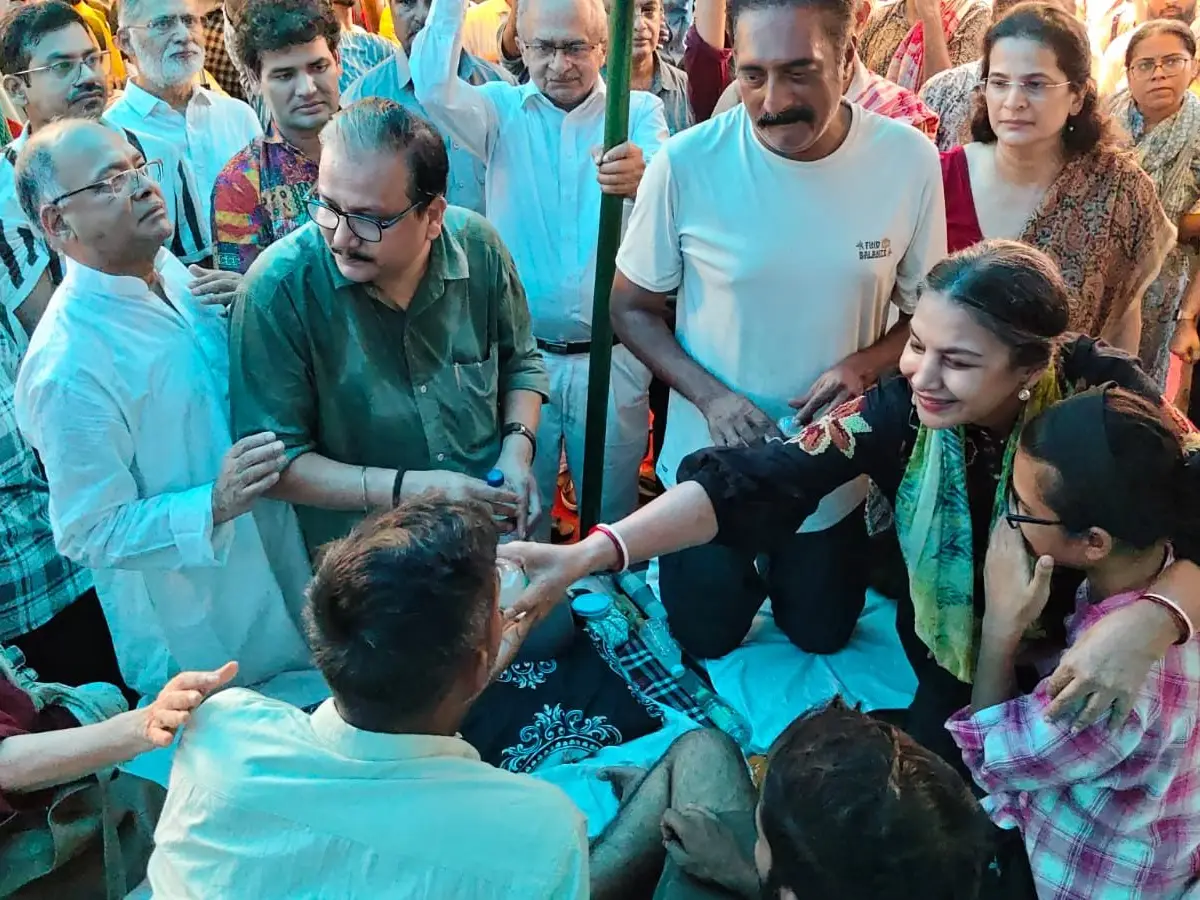)
Student union leaders call off hunger strike at Jantar Mantar after civil society appeal, but protest continues
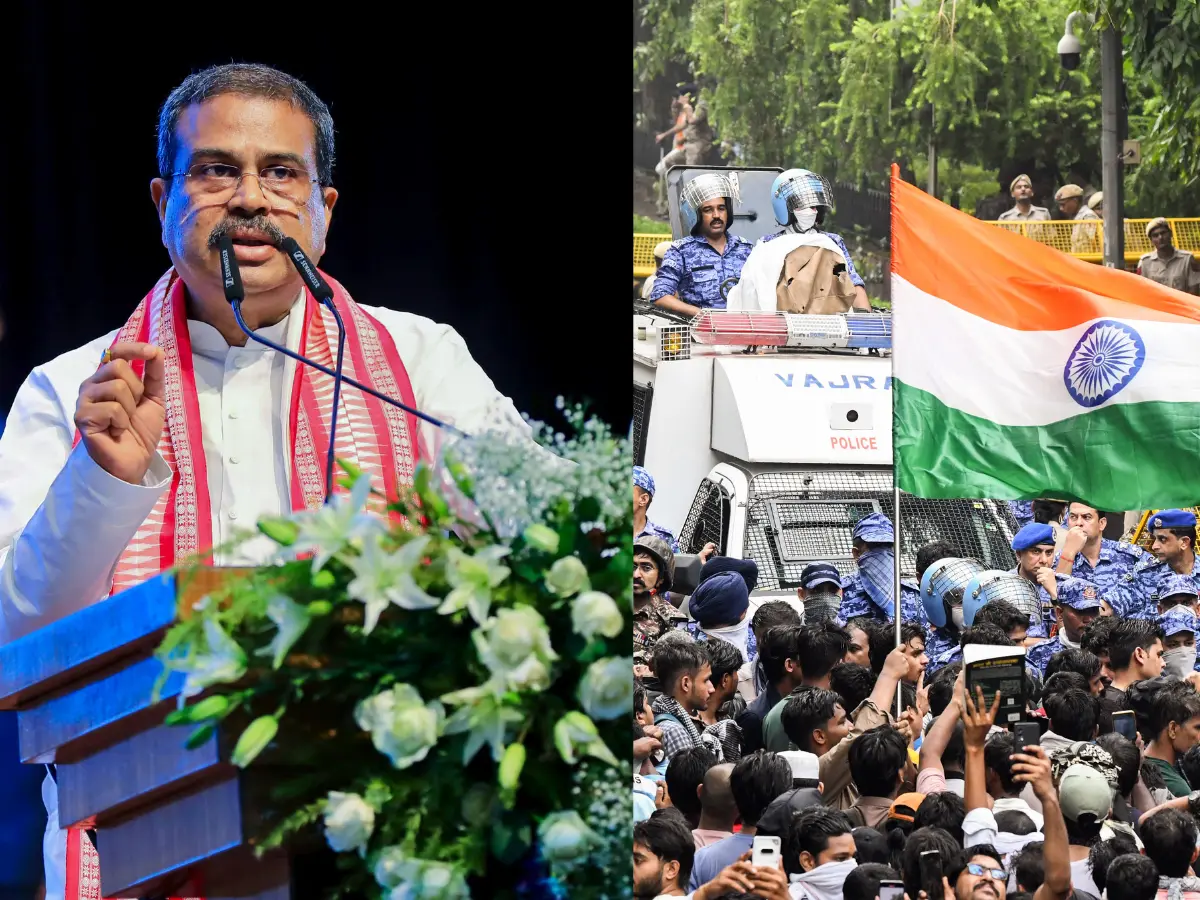)
'Guru is the...': Indian Education Minister Dharmendra Pradhan shares message on education amid calls for his resignation
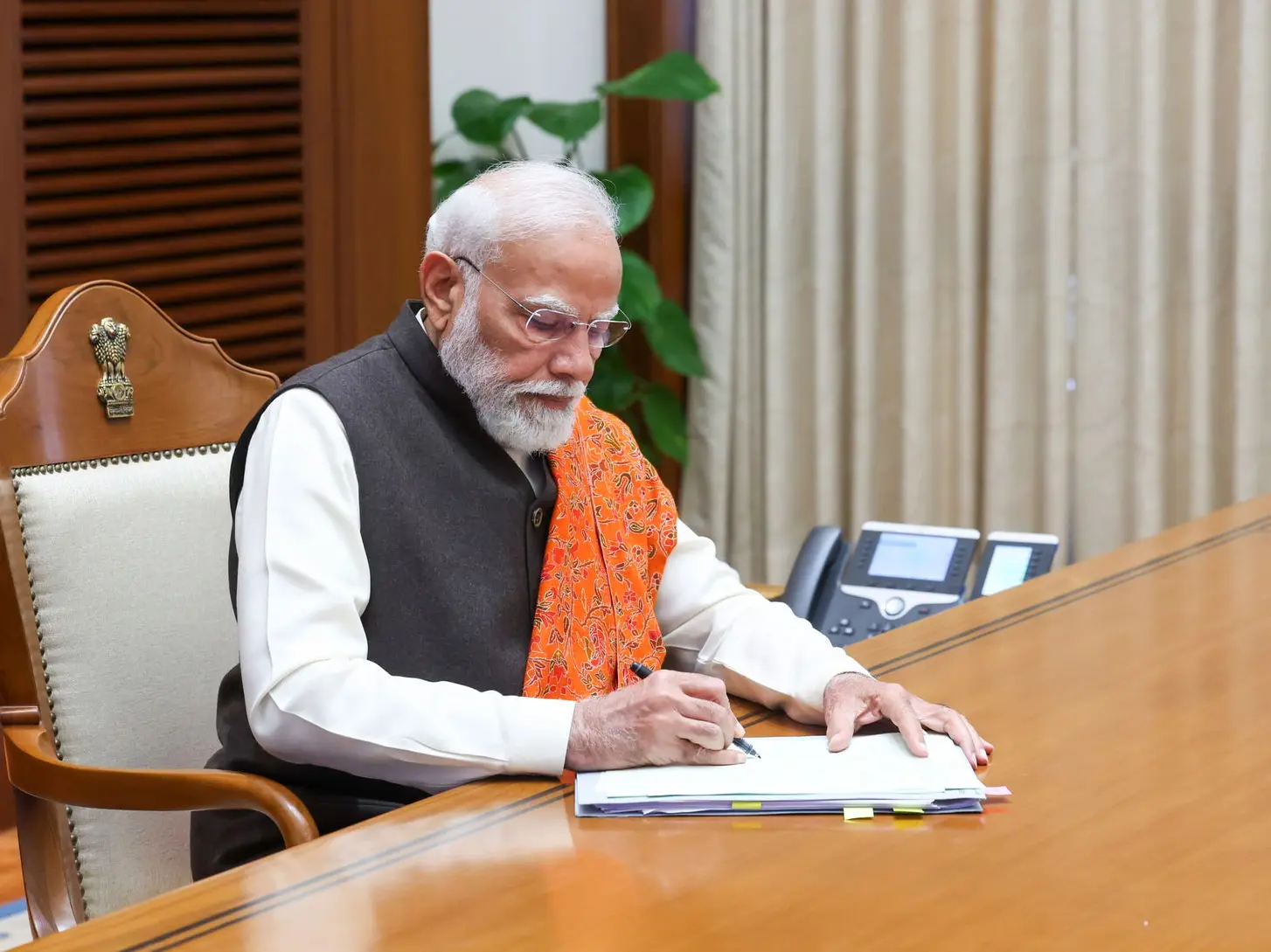)
'We acted immediately...': Indian PM Modi breaks silence on paper leaks as NEET protest, calls for Education Minister's resignation grows

