
&imwidth=800&imheight=600&format=webp&quality=medium "JD Vance says US and Iran have 'made a lot of progress' on ceasefire negotiations")
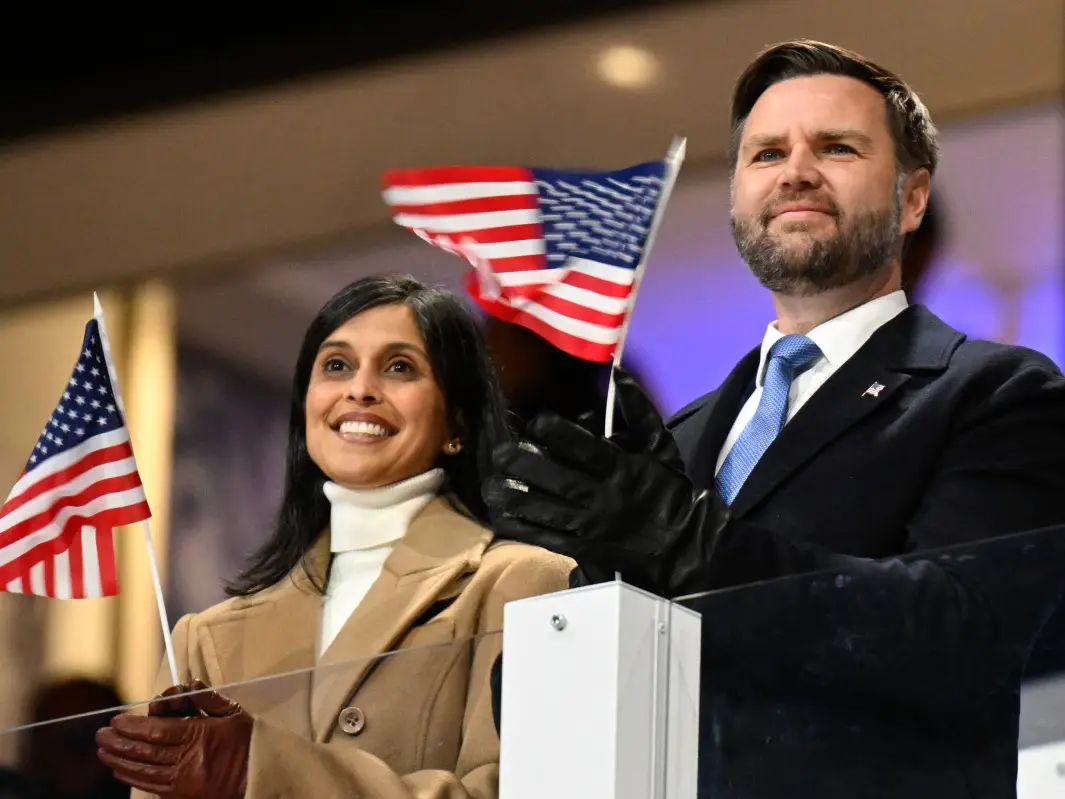
The United States and Iran have made significant progress toward extending their ceasefire agreement, but President Donald Trump has not yet decided whether to approve the deal, US Vice President JD Vance said on Thursday (May 28). “We're going back and forth on a couple of language points. We've made a lot of progress here,” Vance told reporters, just hours after US officials indicated that Washington and Tehran had reached an agreement in principle.
The vice president said discussions were continuing and suggested that a final endorsement from Trump could come if remaining concerns are resolved. “Hopefully, we'll continue to make progress, and the president will be in a position where he can endorse the agreement, but obviously that's still TBD (to be determined),” he added. Vance said that while negotiations between the United States and Iran have made significant progress, key disagreements remain over Tehran’s nuclear programme and stockpile of highly enriched uranium.

While emphasising that talks were moving forward, Vance said several major issues still needed to be resolved before President Donald Trump could formally back any agreement. “There are a couple of issues on the nuclear stuff, the highly enriched stockpile, and also the question of enrichment. So we’re going back and forth with them. We do think they’re negotiating, at least so far, in good faith,” Vance said.
“Hopefully, we’ll continue to make progress, the president will be in a position where he can endorse the agreement, but obviously that’s still TBD.” Vance also warned that a final agreement has not yet been secured and said negotiations could still face setbacks. “We’ll get to a point where we could potentially sit down and settle these issues, but that requires us to make a little bit more progress. I can’t guarantee that we’re going to get there, but right now I feel pretty good about it,” he said.
Trending Stories
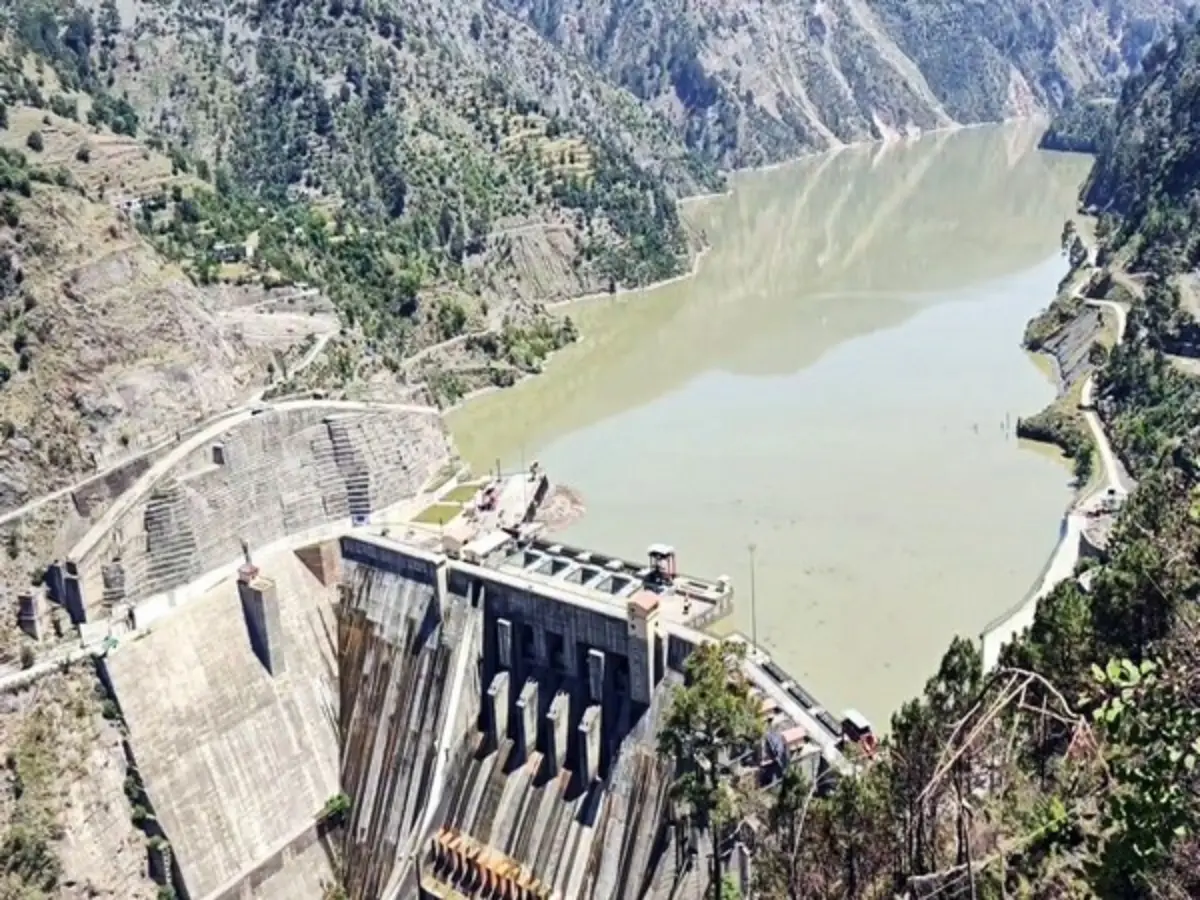)
Indus treaty can no longer function in its current form, says India; plans 5,500 mw of new J&K hydro projects
&im=FitAndFill=(700,400))
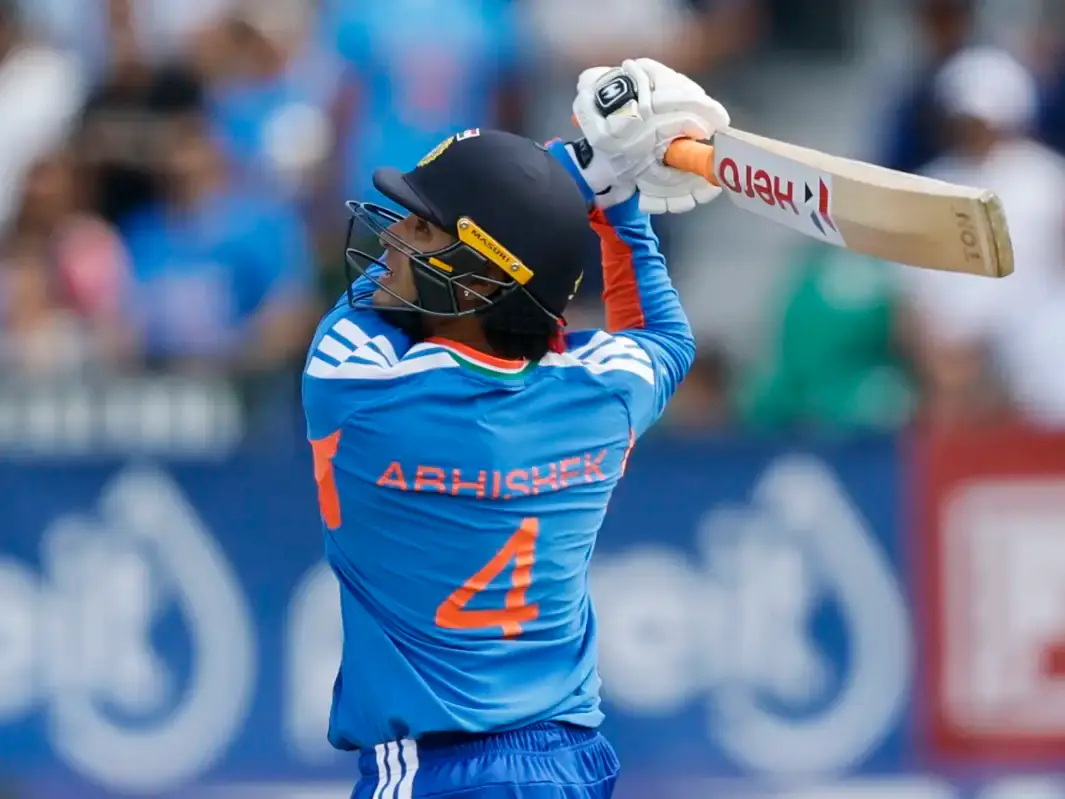
Meet top 5 batters with most runs in India vs Zimbabwe T20Is
)
Sonam Wangchuk's connection with George Soros and Ford Foundation explained!
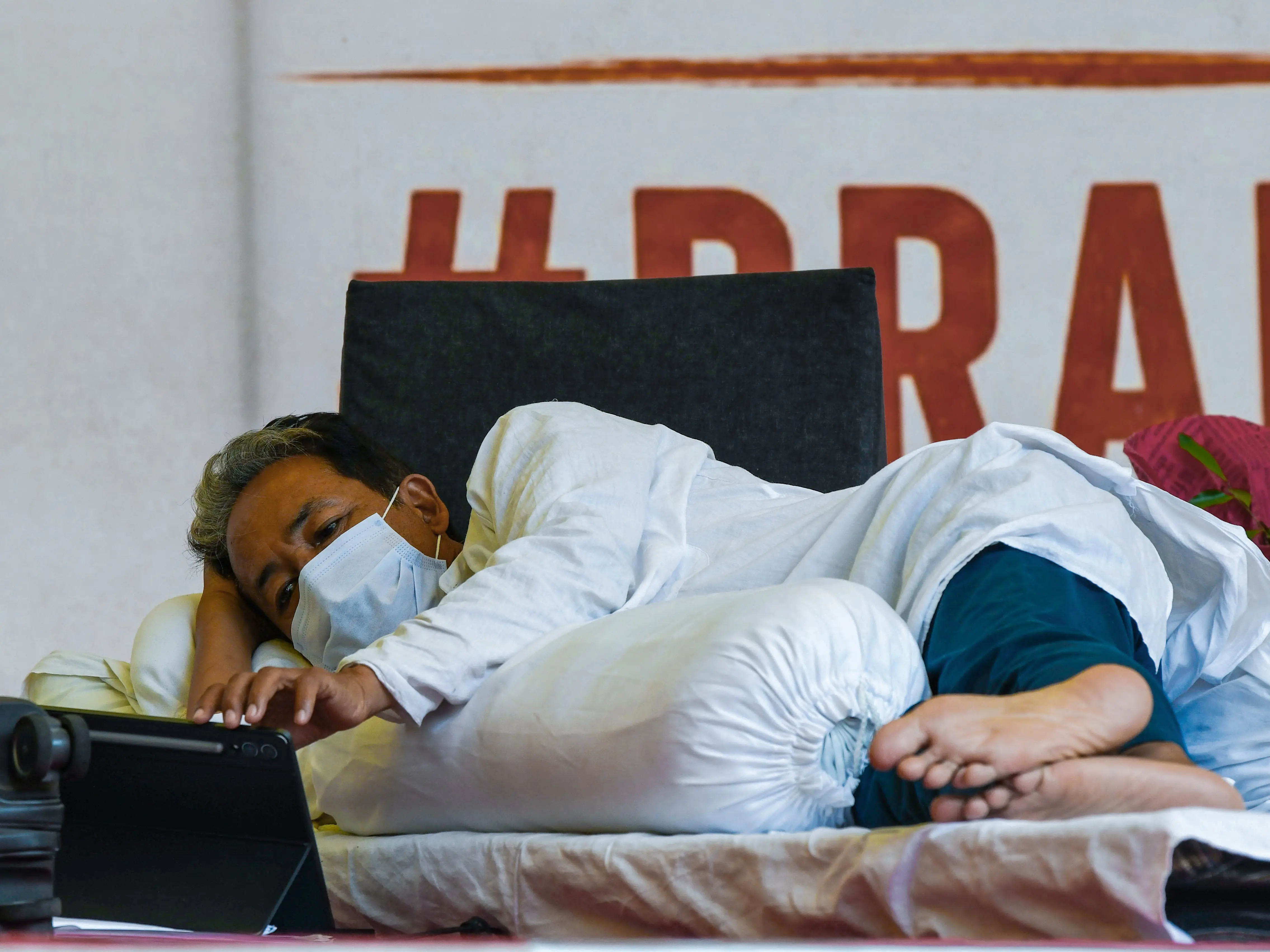)
'George Soros playbook': Understanding the foreign funding network around Sonam Wangchuk
)
'There is no need for...': PM Modi takes a veiled dig at Rahul Gandhi, sends big message amid Parliament March
)
'Now come to us': CJP resumes protest after Parliament march violence, calls meeting with Nadda 'waste of time'
&im=FitAndFill=(700,400))
2026 FIFA World Cup awards: Full list of Golden Boot, Golden Ball, Golden Glove and every major winner
)
'What is wrong...': Anna Hazare breaks silence on Sonam Wangchuk's protest, makes an appeal to Centre
)
Xi Jinping's new AI bloc: China launches 'World AI Body' with Pakistan and Russia in, India out
)
'We acted immediately...': Indian PM Modi breaks silence on paper leaks as NEET protest, calls for Education Minister's resignation grows
)
UP BTech gold medalist dies by suicide after failing in nearly 50 govt job attempts, leaves note for father
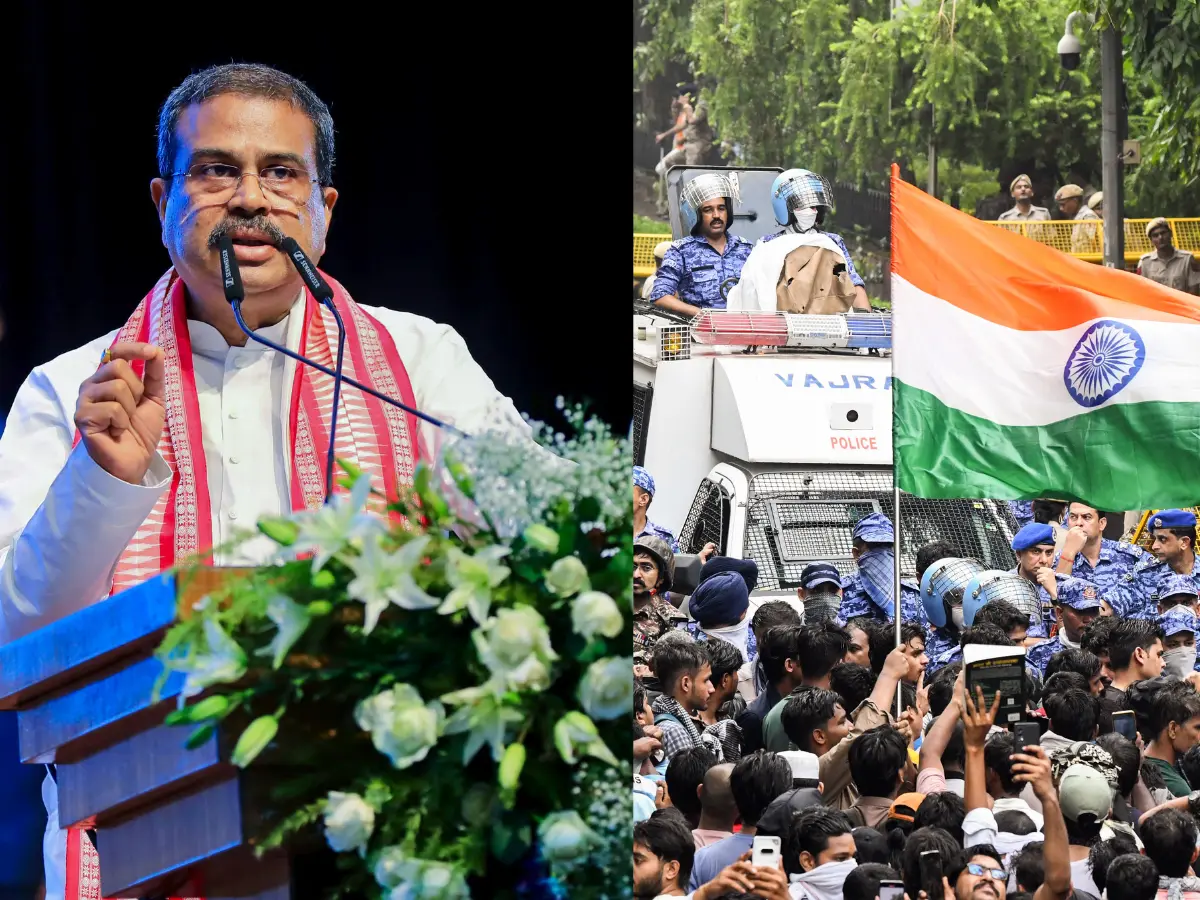)
'Guru is the...': Indian Education Minister Dharmendra Pradhan shares message on education amid calls for his resignation
)
Jail over Khamenei post: J&K youth returns home after 3 months in Saudi custody
)
Japan is selling a refrigerator to cool the human body for Rs 9 lakh. It is already a hit in Tokyo
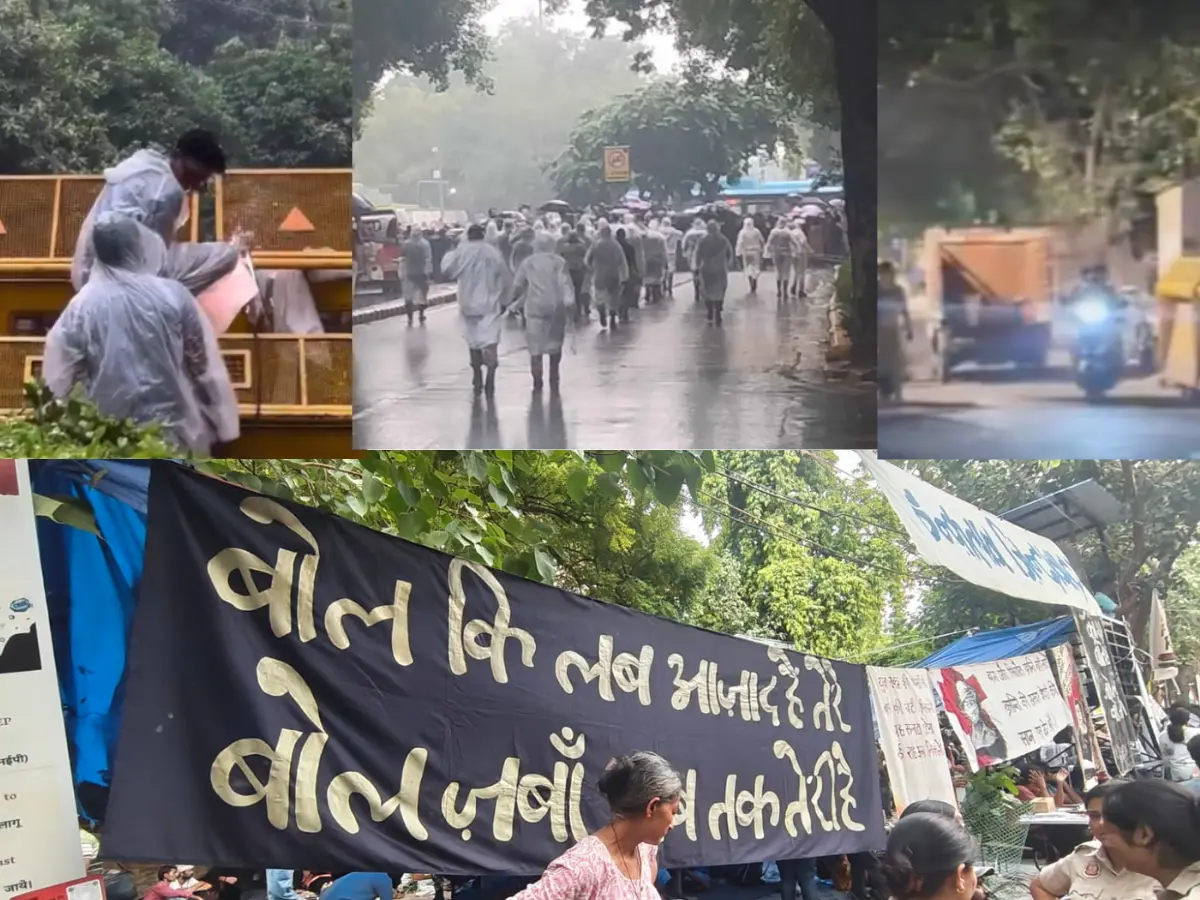)
Truck loaded with stones, metro stations closed: What's happening at Jantar Mantar now
)
Student union leaders call off hunger strike at Jantar Mantar after civil society appeal, but protest continues
)
Salman Khan breaks silence on health concerns after viral Mumbai appearance
&im=FitAndFill=(700,400))
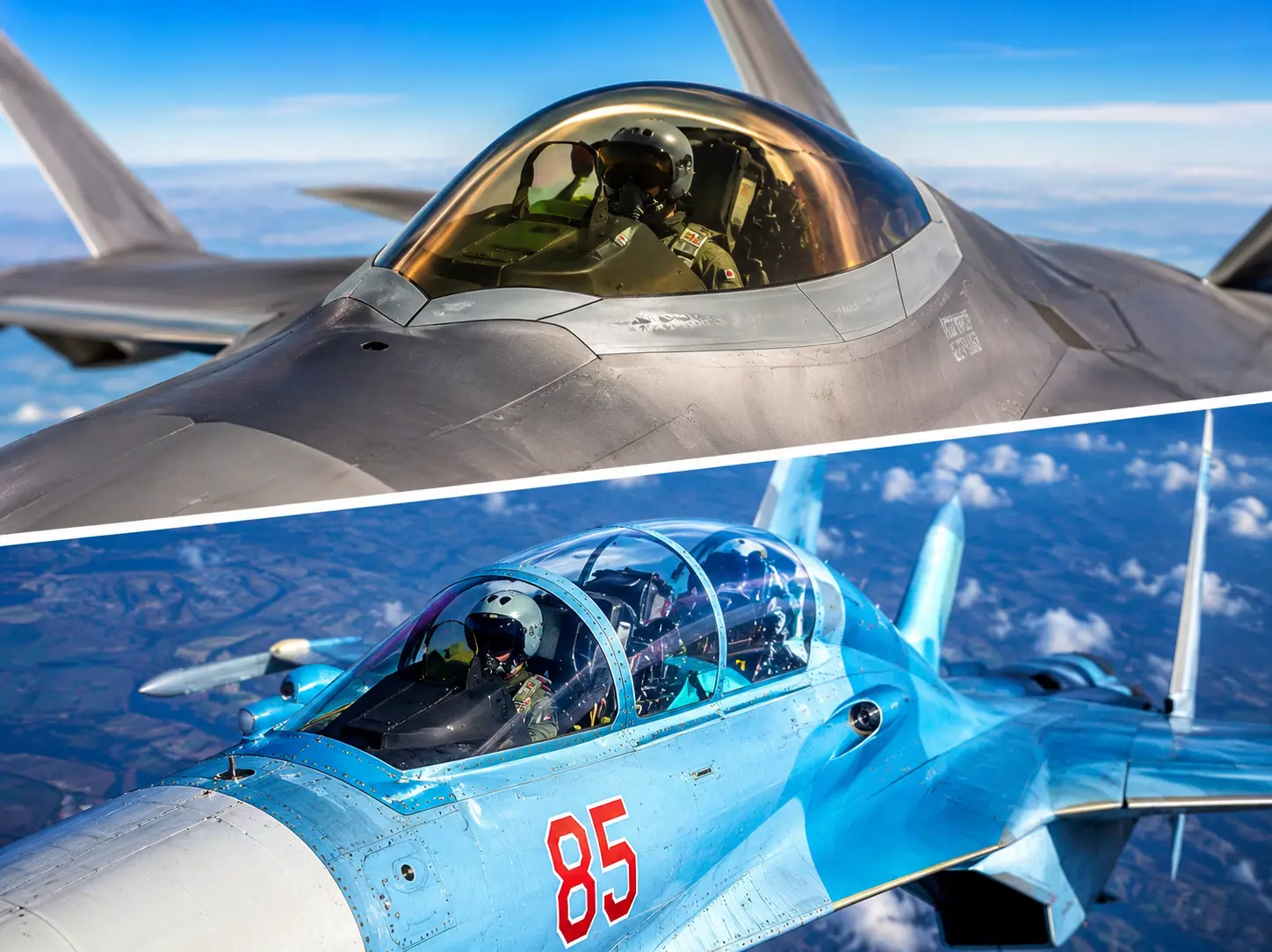
Why US fighter jets use seamless bubble canopies compared to Russian jets
)
Iran strikes Amazon data infrastructure in Bahrain, power, water desalination plants in Kuwait
)
3.5-million-year-old mystery creature found in Japan is a 'giant' never seen before
&im=FitAndFill=(700,400))
Why the F-22’s cockpit glass is thicker than a standard fighter jet
&im=FitAndFill=(700,400))
FIFA World Cup 2026 team of the tournament: The best XI that ruled football’s biggest stage
&im=FitAndFill=(700,400))
New OTT releases this week (July 20-26, 2026): Musafir Cafe, Adarsh Baal Vidyalaya, 72 Hours- 5 new titles coming on Netflix, Prime Video and more
)
FACT CHECK: Was Abhijit Dipke detained during CJP's Parliament march? Here's what police say
Despite a recent exchange of attacks between Washington and Tehran, Vance said the ceasefire remains intact, while stressing that the US still reserves the right to carry out defensive military strikes if necessary.
Disclaimer: WION takes utmost care to accurately and responsibly report ongoing conflicts in West Asia involving Israel, Iran, the US, Gulf nations, and non-state actors like Hezbollah, Hamas, Houthis, Islamic State, and others. Claims and counterclaims, disinformation and misinformation are being made online and offline. Given this context, WION cannot independently verify the authenticity of all statements, social media posts, photos, and videos.

