&imwidth=800&imheight=600&format=webp&quality=medium "Putin’s $26bn longevity programme including cryotherapy, mini-pig organs and gene research")
Russia's President Vladimir Putin has reportedly invested $26 billion in a state initiative called the New Health Preservation Technologies aimed at anti-ageing. The project includes gene therapy, organ-printing, mini-pig organ cultivation and even ultralow- temperature cryotherapy. This 2-trillion-ruble project is a flagship national scientific priority pushed by the Kremlin to halt biological decline and extend human lifespan.
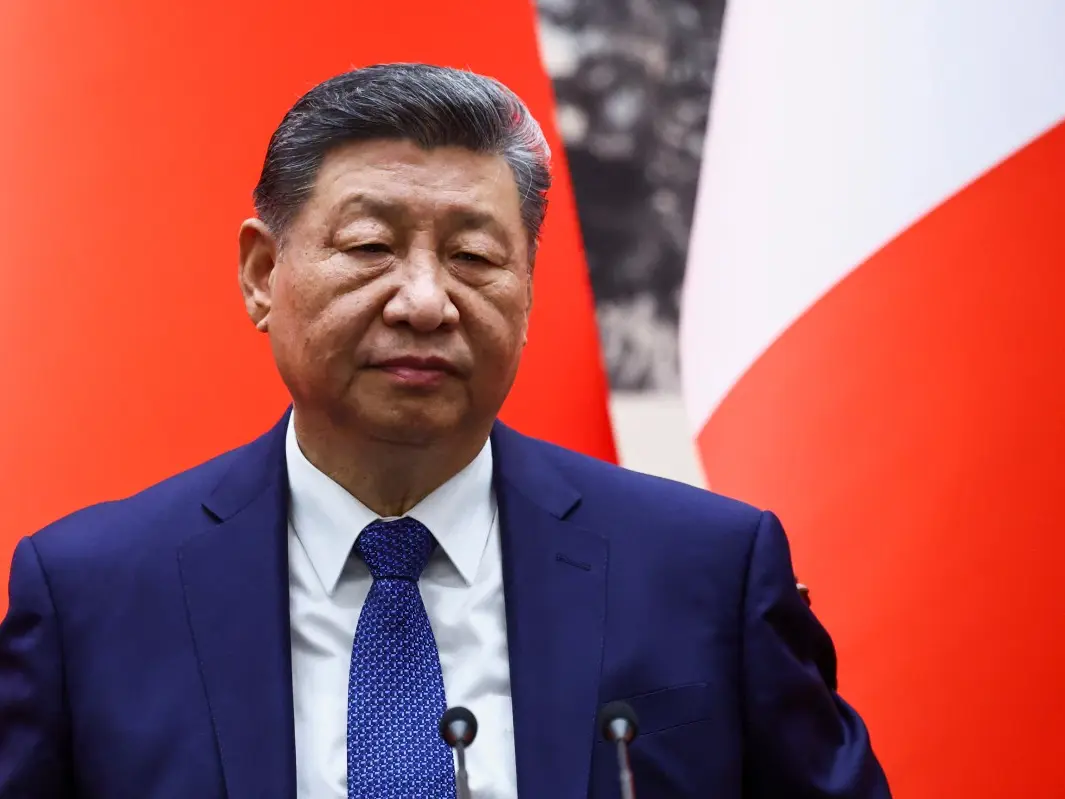
The leaked hot-mic moment between Vladimir Putin and Xi
Putin has long projected an image of vitality through hunting, motorcycling and playing hockey. According to a report by The Wall Street Journal, last September, during a military parade in Beijing, Vladimir Putin was caught in a hot-mic moment telling the Chinese President Xi Jinping that humans could replace organs to possibly extend lifespan and achieve immortality. The remark was considered a passing remark back then between ageing world leaders. But the program has now fuelled fresh speculation whether Putin, who is in his 80s, has taken this quest to preserve power. Not just Putin, Silicon Valley figures like Jeff Bezos, Sam Altman and Peter Thiel have shown interest in anti-ageing research.

The state backed longeivity programe
This has now developed into a state-supported programme, last month the Russian government said scientists were developing a gene therapy designed to slow cellular ageing under the "New Health Preservation Technologies" initiative, a $26 billion programme linked to Putin. Russian Deputy Science Minister Denis Sekirinsky has described it as one of the most promising approaches to fighting anti-ageing. The initiative aims to save around 175,000 lives by the end of the decade, a close estimation of the number of soldiers lost in the war in Ukraine.
Trending Stories
&im=FitAndFill=(700,400))
Why the F-22’s cockpit glass is thicker than a standard fighter jet
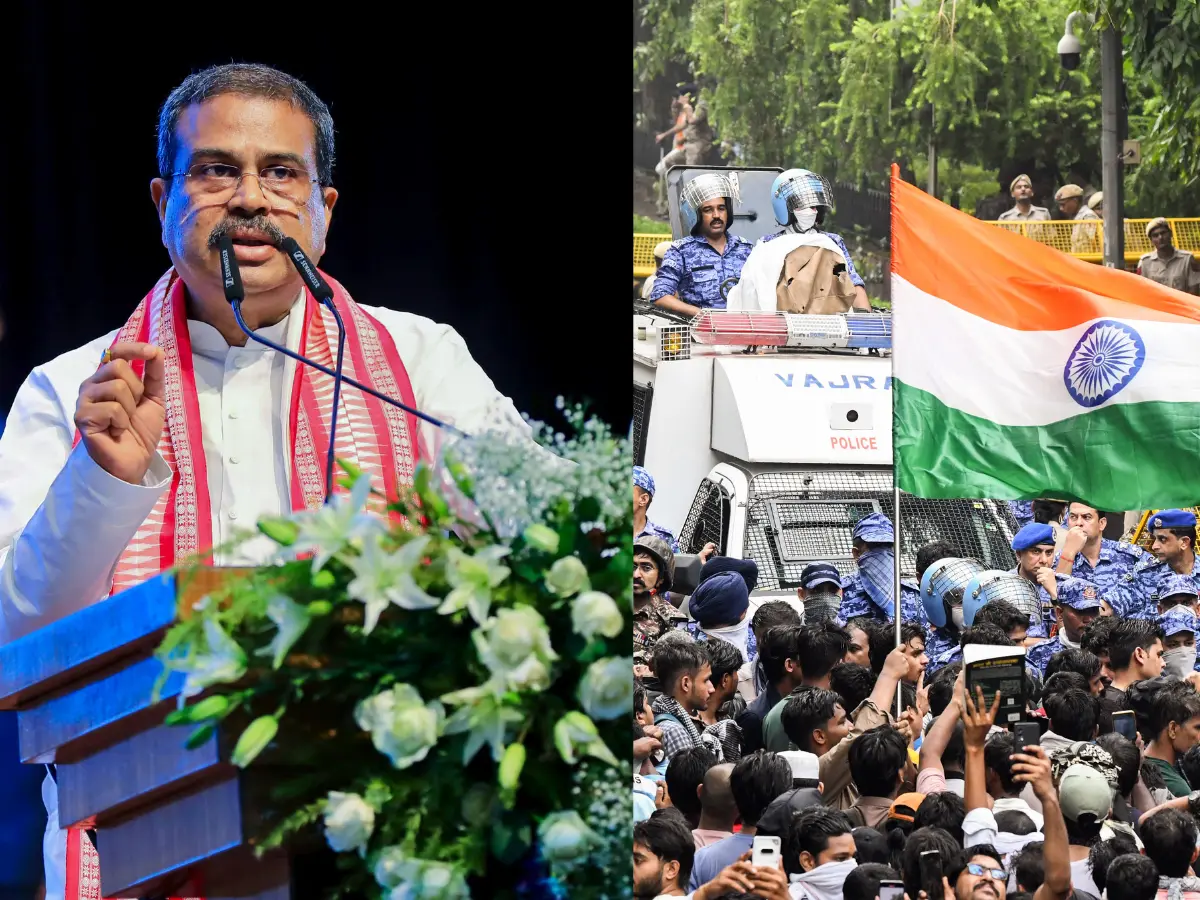)
'Guru is the...': Indian Education Minister Dharmendra Pradhan shares message on education amid calls for his resignation
&im=FitAndFill=(700,400))
FIFA World Cup 2026 team of the tournament: The best XI that ruled football’s biggest stage
)
Indus treaty can no longer function in its current form, says India; plans 5,500 mw of new J&K hydro projects
)
Student union leaders call off hunger strike at Jantar Mantar after civil society appeal, but protest continues
)
Iran strikes Amazon data infrastructure in Bahrain, power, water desalination plants in Kuwait
)
Sonam Wangchuk's connection with George Soros and Ford Foundation explained!
)
3.5-million-year-old mystery creature found in Japan is a 'giant' never seen before
)
Xi Jinping's new AI bloc: China launches 'World AI Body' with Pakistan and Russia in, India out
)
Truck loaded with stones, metro stations closed: What's happening at Jantar Mantar now
)
'George Soros playbook': Understanding the foreign funding network around Sonam Wangchuk
&im=FitAndFill=(700,400))
2026 FIFA World Cup awards: Full list of Golden Boot, Golden Ball, Golden Glove and every major winner
&im=FitAndFill=(700,400))
Meet top 5 batters with most runs in India vs Zimbabwe T20Is
)
FACT CHECK: Was Abhijit Dipke detained during CJP's Parliament march? Here's what police say
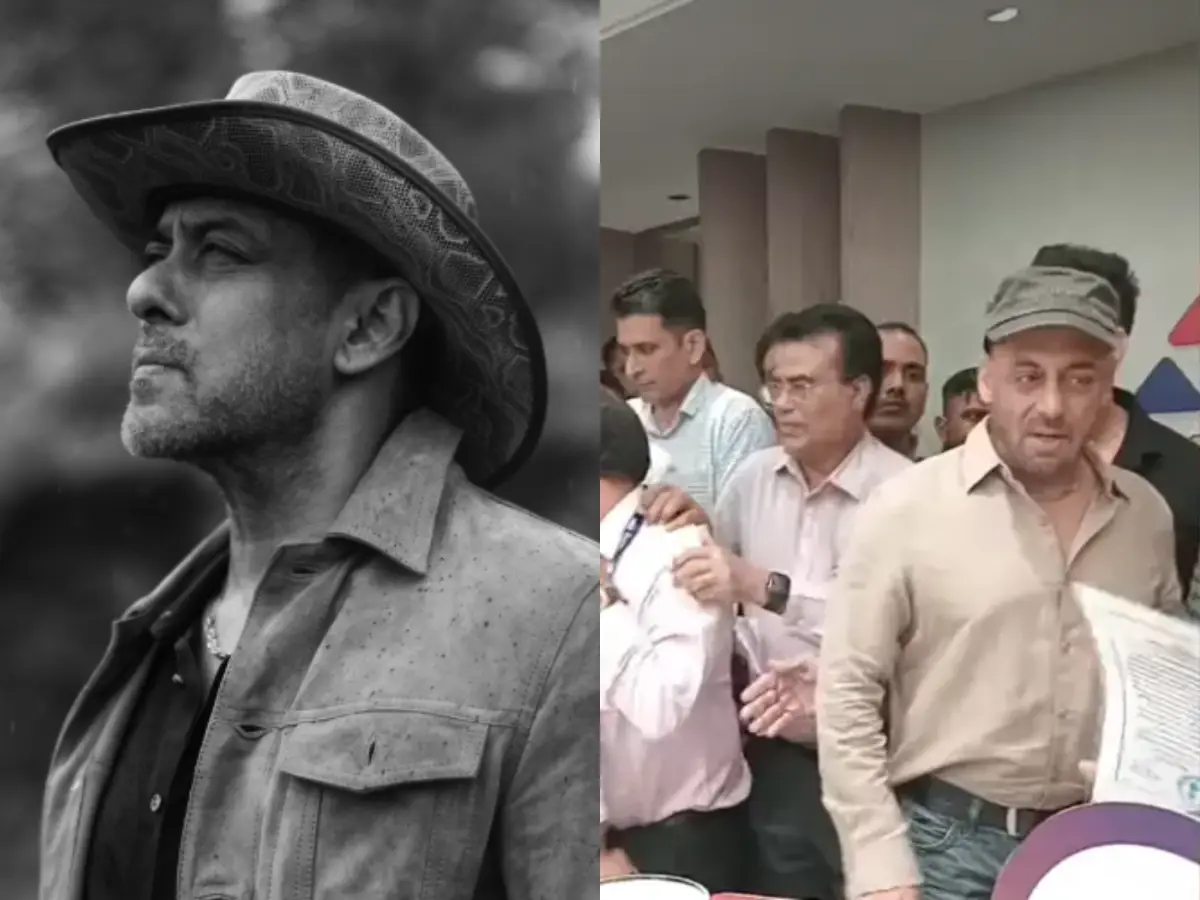)
Salman Khan breaks silence on health concerns after viral Mumbai appearance
&im=FitAndFill=(700,400))
Why US fighter jets use seamless bubble canopies compared to Russian jets
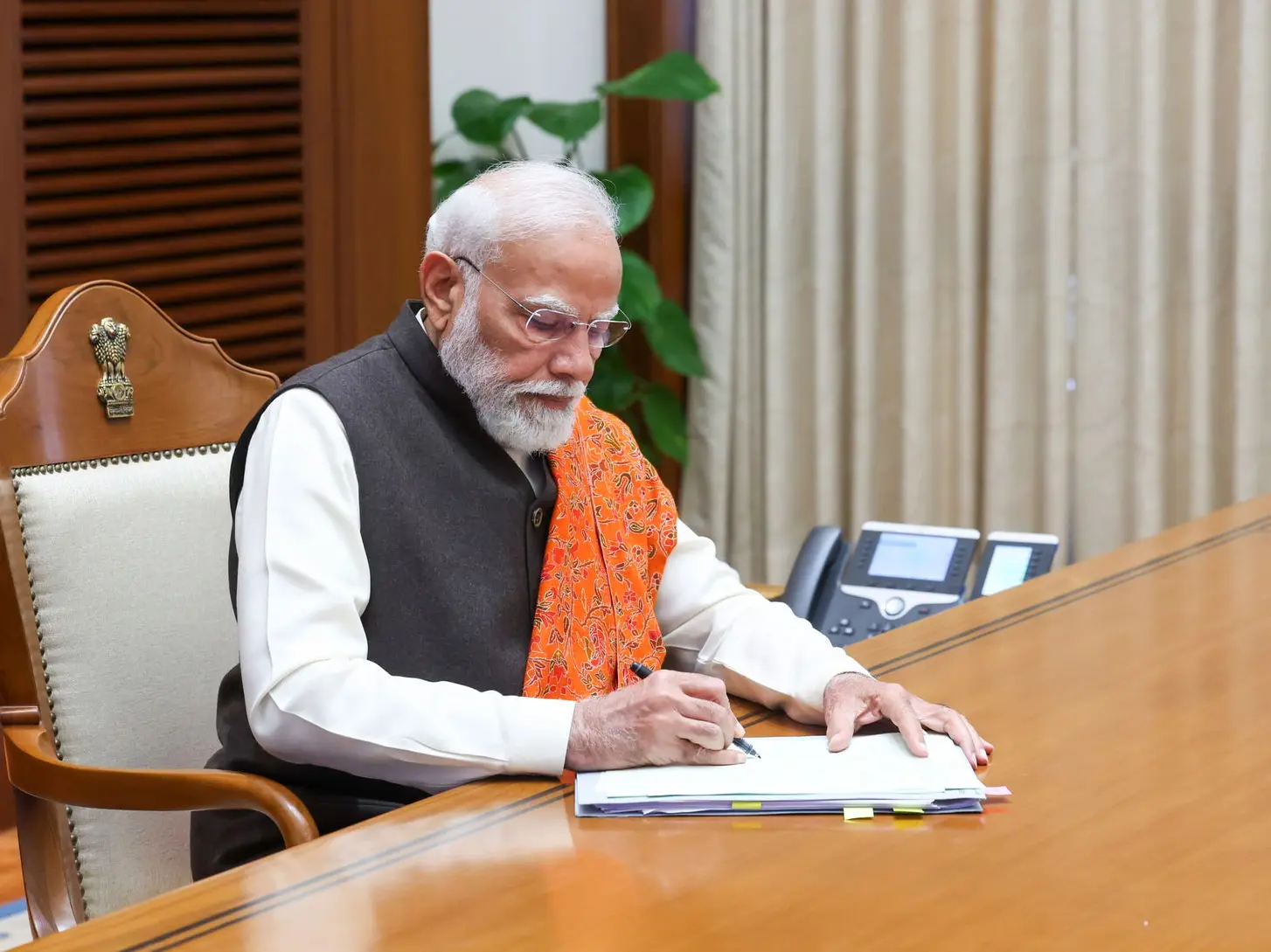)
'We acted immediately...': Indian PM Modi breaks silence on paper leaks as NEET protest, calls for Education Minister's resignation grows
)
Japan is selling a refrigerator to cool the human body for Rs 9 lakh. It is already a hit in Tokyo
)
'There is no need for...': PM Modi takes a veiled dig at Rahul Gandhi, sends big message amid Parliament March
)
'What is wrong...': Anna Hazare breaks silence on Sonam Wangchuk's protest, makes an appeal to Centre
)
'Now come to us': CJP resumes protest after Parliament march violence, calls meeting with Nadda 'waste of time'
)
UP BTech gold medalist dies by suicide after failing in nearly 50 govt job attempts, leaves note for father
&im=FitAndFill=(700,400))
New OTT releases this week (July 20-26, 2026): Musafir Cafe, Adarsh Baal Vidyalaya, 72 Hours- 5 new titles coming on Netflix, Prime Video and more
)
Jail over Khamenei post: J&K youth returns home after 3 months in Saudi custody
The programme focuses on bioprinting or 3D printing of living tissues, Xenotransplantation, which involves growing a human-compatible organ inside a genetically modified mini-pig and incorporates extreme-cold treatments, ultralow-temperature cryotherapy to reset and preserve bodily tissues.
The research project includes key figures like Maria Vorontsova, Putin's daughter and an endocrinologist involved in genetics programmes, and physicist Mikhail Kovalchuk, head of the Kurchatov Institute. Alexander Ostrovskiy, a Russian researcher who works in bioprinting, said that officials may be presenting overly optimistic results to secure funding. Another researcher, Vladimir Khavinson, a gerontologist, received a state award for peptide-based anti-ageing treatments. He once said that humans could live up to 120 years. All of them are credible and credentialed scientists, but Russian academia has grown in isolation due to the sanctions by the West, so it has limited internationally recognised output.