&imwidth=800&imheight=600&format=webp&quality=medium "US-China tensions over Taiwan may spiral towards nuclear escalation, study warns")
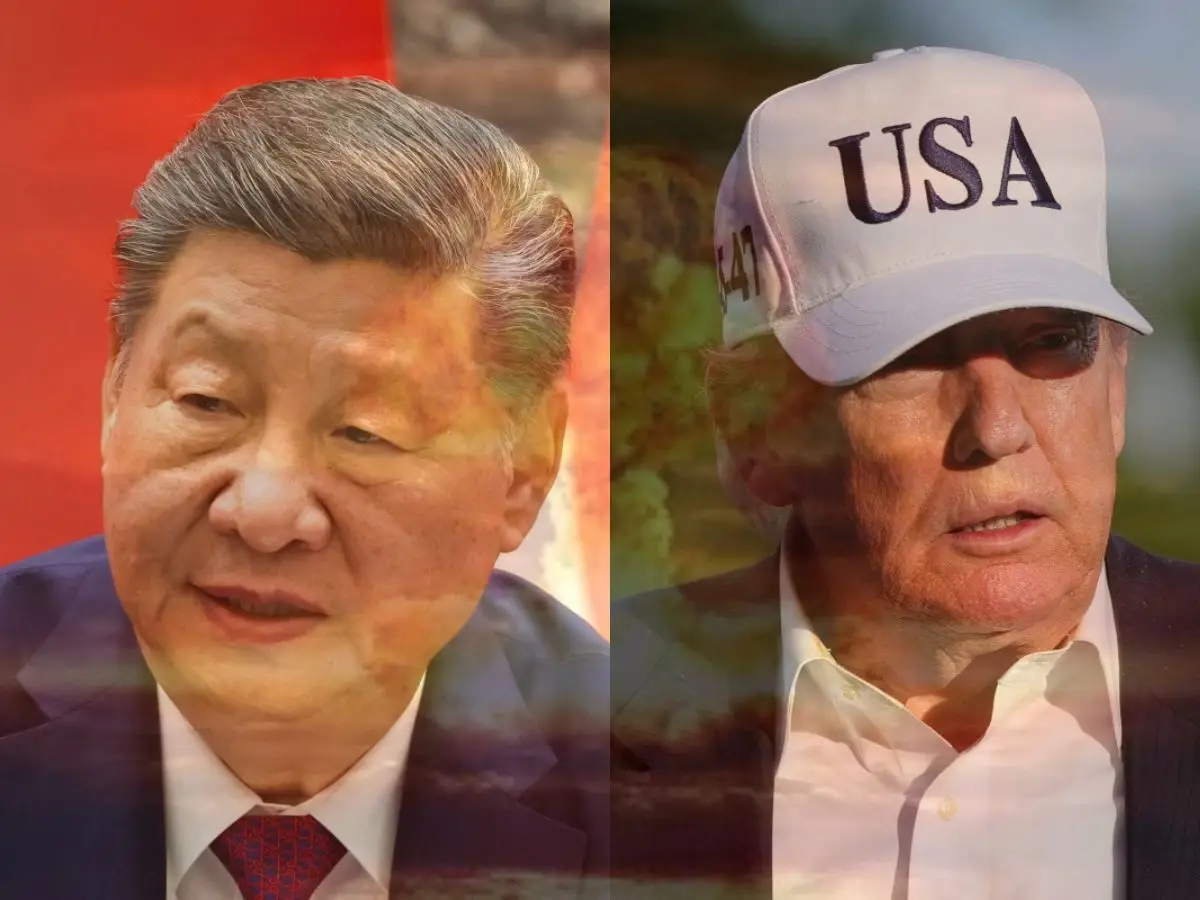
A military conflict between the United States and China over Taiwan could escalate into a nuclear confrontation, according to a new assessment by the London-based International Institute for Strategic Studies (IISS). Released ahead of the Shangri-La Dialogue security summit in Singapore, the study warns that growing military rivalry in the Asia-Pacific is increasing the risks of strategic instability.
According to Reuters, the IISS said the world was approaching a new nuclear arms race ‘with the Asia-Pacific at its core’, as regional powers expand both nuclear arsenals and long-range conventional strike capabilities. The assessment noted that Taiwan remains one of the most sensitive flashpoints between Washington and Beijing.
ALSO READ: Think this is the hottest it gets? UN report warns Earth could smash temperature records by 2030

Nuclear Risks and Lack of ‘Guard Rails’
The 156-page assessment examined how a potential conflict over Taiwan could unfold across multiple military domains. It said Chinese forces would likely aim to keep US and allied militaries away from the region, while the United States would focus on strengthening Taiwan’s defences and resilience. The report warned that both sides could target critical command, communications, intelligence and surveillance systems in a conflict scenario. IISS researchers said there was ‘little public evidence’ that Washington and Beijing had agreed on clear safeguards or rules of engagement to prevent escalation.
Reuters reported that the study specifically warned the prospect of nuclear escalation would “continue to loom large” in any major US-China conflict involving Taiwan.
Trending Stories
)
Xi Jinping's new AI bloc: China launches 'World AI Body' with Pakistan and Russia in, India out
)
3.5-million-year-old mystery creature found in Japan is a 'giant' never seen before
&im=FitAndFill=(700,400))
Meet top 5 batters with most runs in India vs Zimbabwe T20Is
)
Japan is selling a refrigerator to cool the human body for Rs 9 lakh. It is already a hit in Tokyo
)
Sonam Wangchuk's connection with George Soros and Ford Foundation explained!
)
'There is no need for...': PM Modi takes a veiled dig at Rahul Gandhi, sends big message amid Parliament March
)
Iran strikes Amazon data infrastructure in Bahrain, power, water desalination plants in Kuwait
)
FACT CHECK: Was Abhijit Dipke detained during CJP's Parliament march? Here's what police say
)
UP BTech gold medalist dies by suicide after failing in nearly 50 govt job attempts, leaves note for father
)
Jail over Khamenei post: J&K youth returns home after 3 months in Saudi custody
)
'Now come to us': CJP resumes protest after Parliament march violence, calls meeting with Nadda 'waste of time'
)
Salman Khan breaks silence on health concerns after viral Mumbai appearance
)
'George Soros playbook': Understanding the foreign funding network around Sonam Wangchuk
)
Indus treaty can no longer function in its current form, says India; plans 5,500 mw of new J&K hydro projects
&im=FitAndFill=(700,400))
New OTT releases this week (July 20-26, 2026): Musafir Cafe, Adarsh Baal Vidyalaya, 72 Hours- 5 new titles coming on Netflix, Prime Video and more
&im=FitAndFill=(700,400))
2026 FIFA World Cup awards: Full list of Golden Boot, Golden Ball, Golden Glove and every major winner
&im=FitAndFill=(700,400))
FIFA World Cup 2026 team of the tournament: The best XI that ruled football’s biggest stage
)
'What is wrong...': Anna Hazare breaks silence on Sonam Wangchuk's protest, makes an appeal to Centre
)
Truck loaded with stones, metro stations closed: What's happening at Jantar Mantar now
&im=FitAndFill=(700,400))
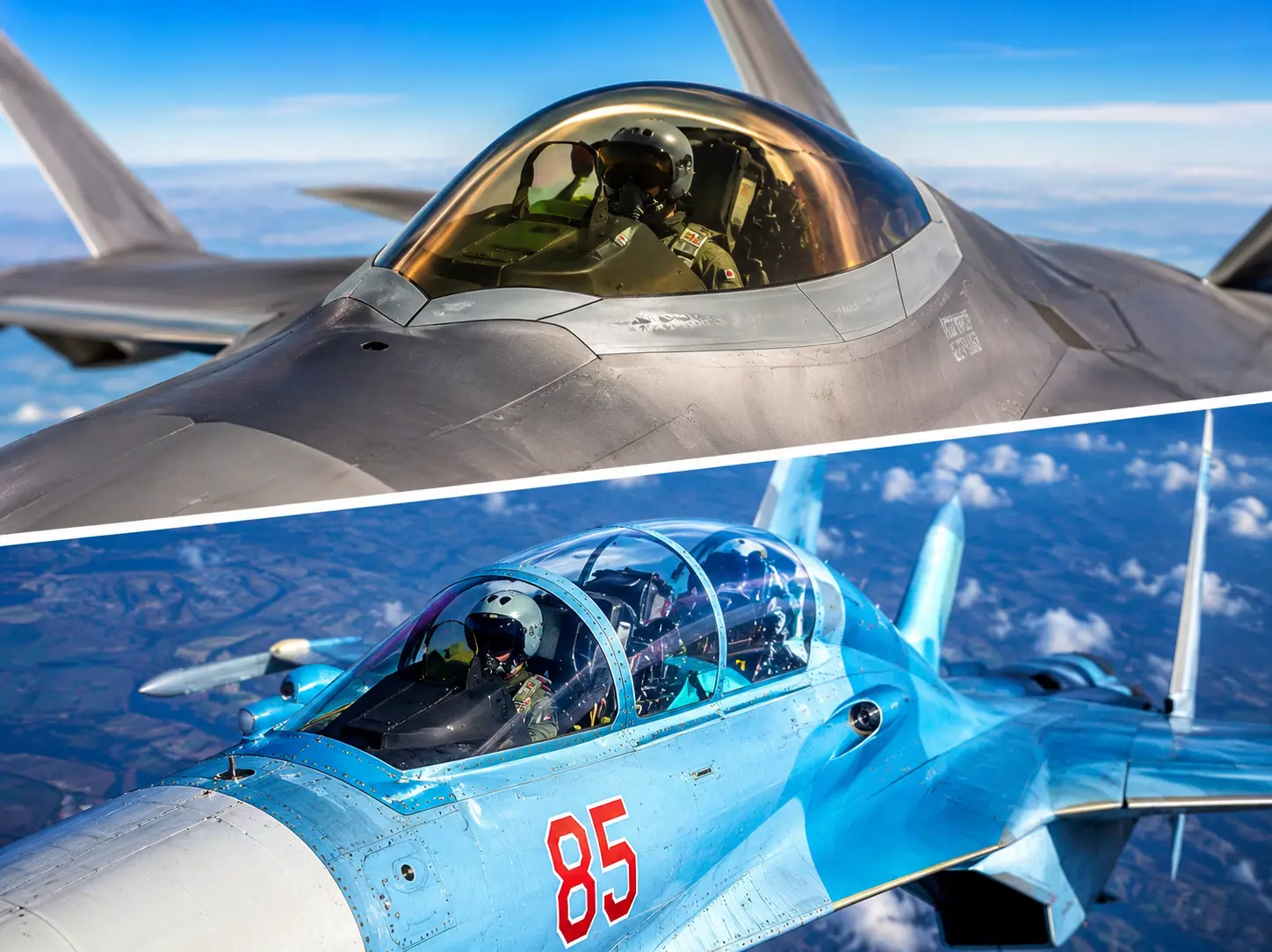
Why US fighter jets use seamless bubble canopies compared to Russian jets
&im=FitAndFill=(700,400))
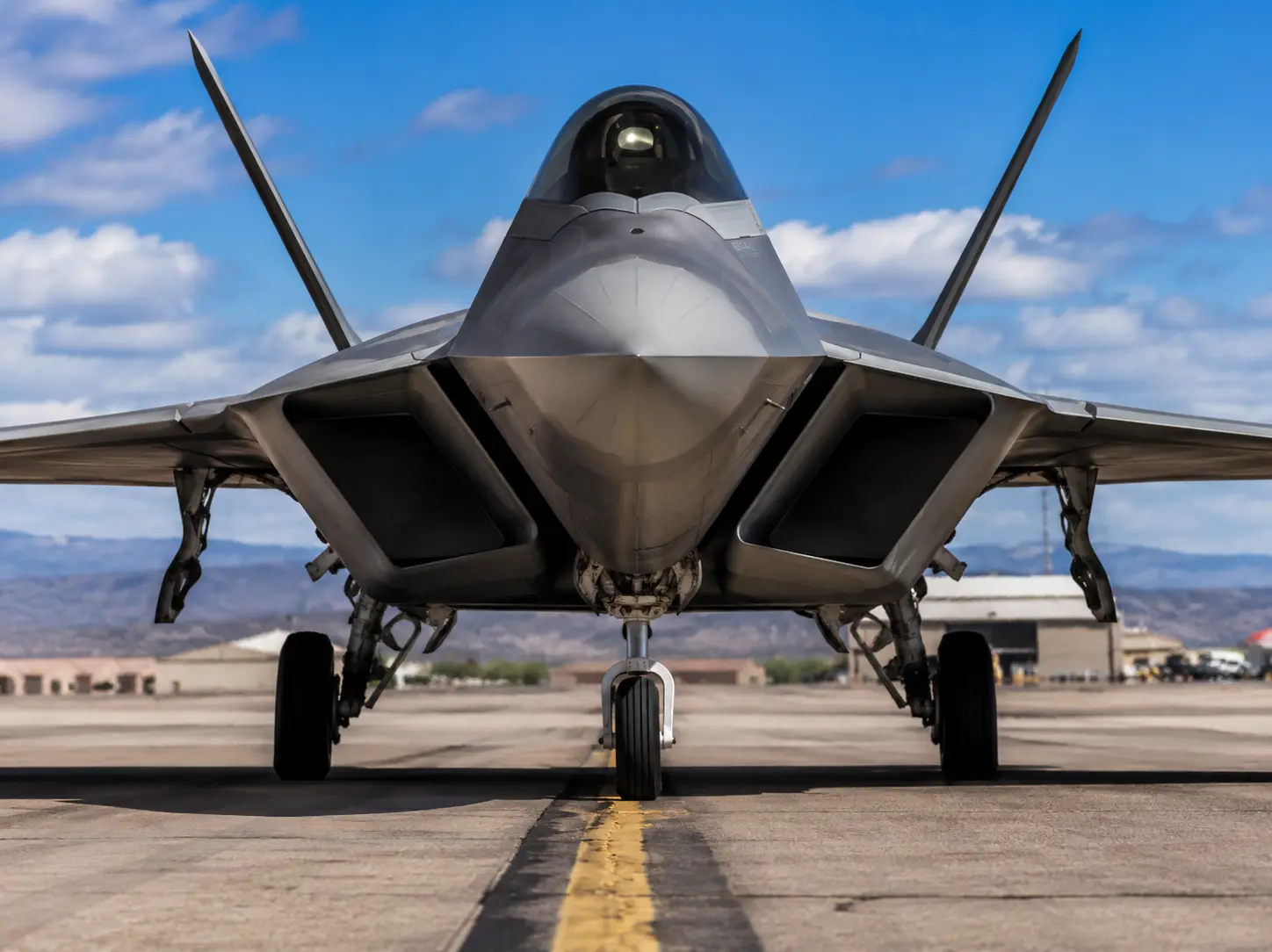
Why the F-22’s cockpit glass is thicker than a standard fighter jet
)
Student union leaders call off hunger strike at Jantar Mantar after civil society appeal, but protest continues
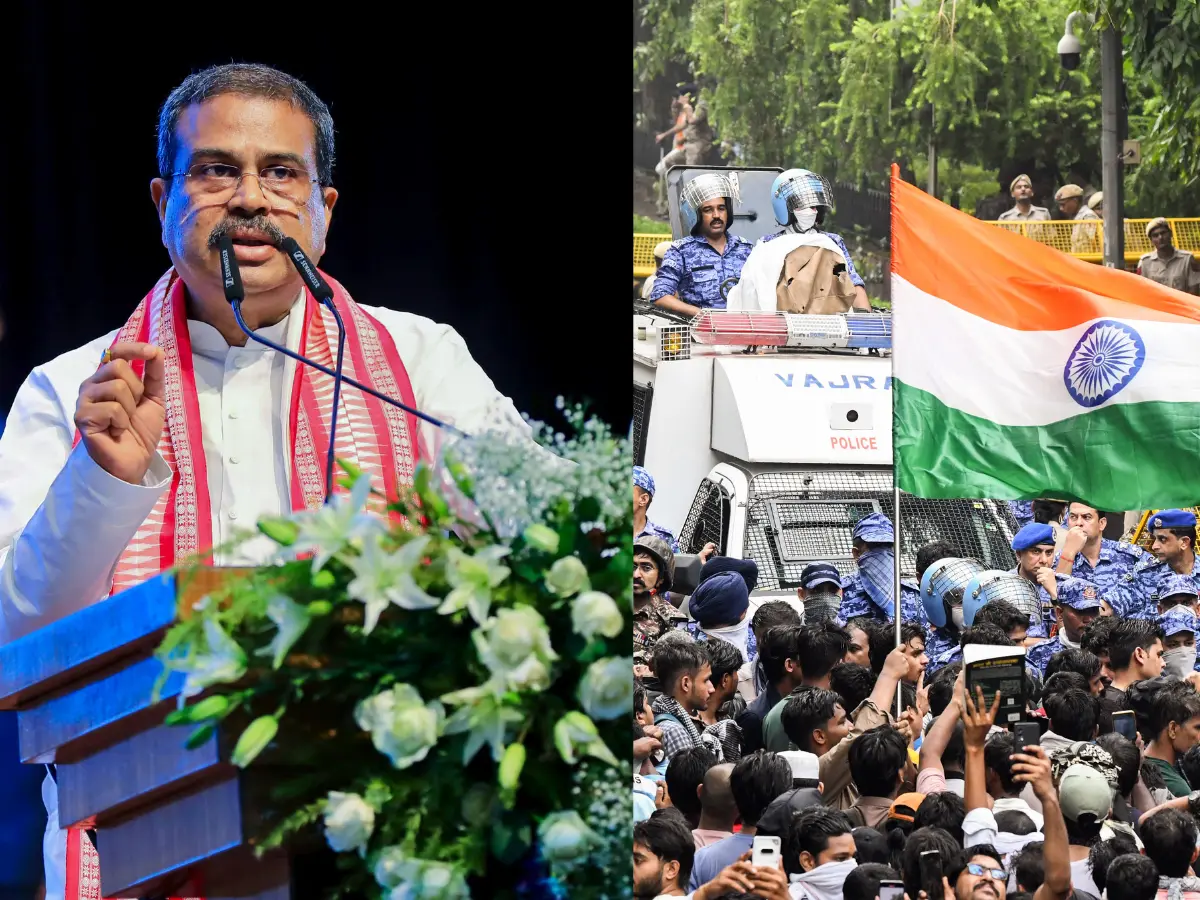)
'Guru is the...': Indian Education Minister Dharmendra Pradhan shares message on education amid calls for his resignation
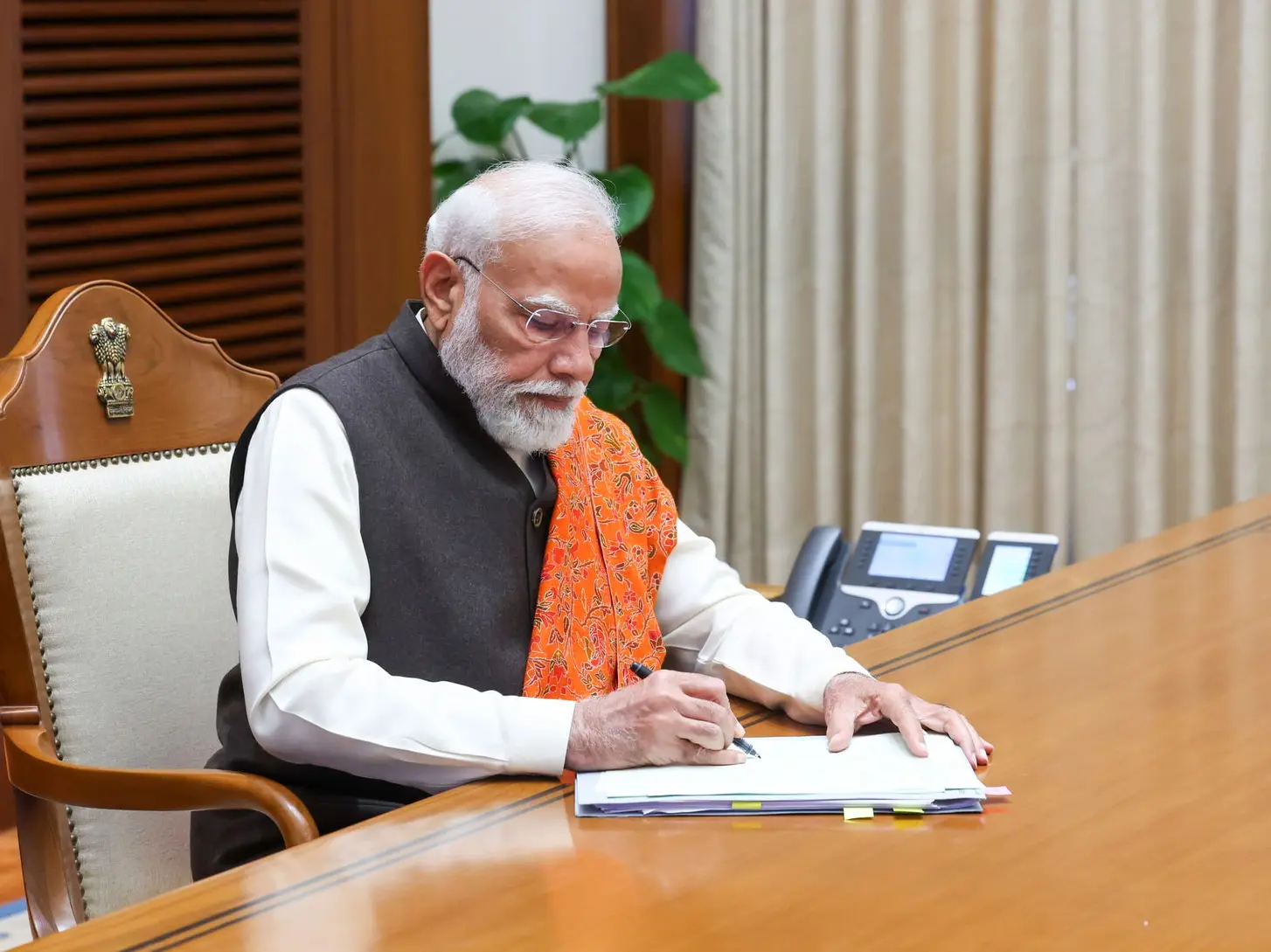)
'We acted immediately...': Indian PM Modi breaks silence on paper leaks as NEET protest, calls for Education Minister's resignation grows
Taiwan at Centre of Strategic Tensions
China claims Taiwan as its territory and has never ruled out the use of force to take control of the island, although Beijing says it prefers “peaceful reunification”. Taiwan’s government rejects China’s sovereignty claims. Chinese foreign ministry spokesperson Mao Ning said the United States should handle Taiwan “with the utmost caution”, while defence ministry spokesperson Jiang Bin criticised the IISS report as being inconsistent with reality. The issue is expected to dominate discussions at the Shangri-La Dialogue from May 29 to 31, attended by defence ministers, military officials and security experts from across the world.
ALSO READ: Fake 'Cockroach Janta Party' Android app flagged as critical malware threat, report warns
Expanding Nuclear Competition in Asia-Pacific
The report also highlighted concerns over China’s rapidly expanding nuclear capabilities. A Pentagon assessment released in December projected that China could possess 1,000 nuclear warheads by 2030.
According to the Federation of American Scientists, Russia currently has around 4,400 active nuclear warheads, while the United States possesses approximately 3,700. China is estimated to have about 620 warheads, though analysts say Beijing’s arsenal remains highly secretive. IISS senior fellow Daniel Salisbury told Reuters that unlike the Cold War-era US-Soviet relationship, Washington and Beijing lack sustained nuclear risk-reduction talks, making crisis management significantly more difficult.