As India rushes aid to Mauritius, oil spill causes 'poisonous shock' to marine life

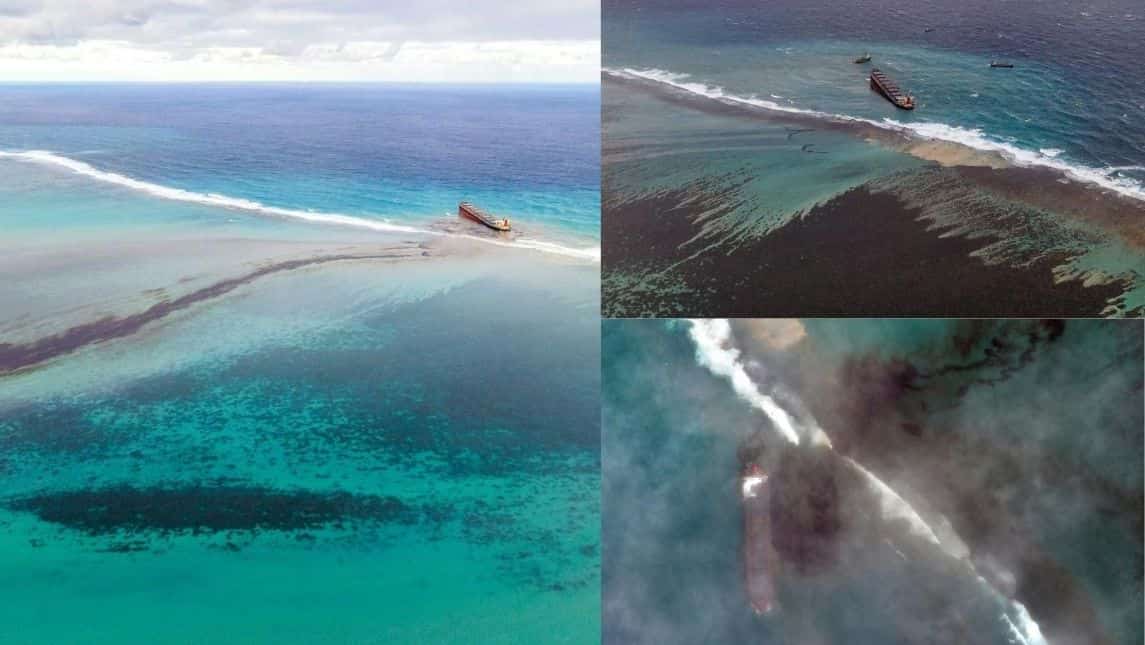
Mauritius coast
The Japanese cargo ship leaking off the Mauritian coast has split apart. While India has rushed emergency support to control the oil spill, scientists saythe spill has caused "massive poisonous shock to the system".
For Mauritius, where tourism and fishing are mainstays of the economy, the damage will have a lasting impact.
The tanker MV Wakashio had more than 4,000 tonnes of oil. More than 1,200 tonnes has already leaked into the sea. The rest is being pumped out by rescue teams and volunteers. The disaster is unprecedented for Mauritius.

The country reached out to India for help. New Delhi dispatched over 30 tonnes of technical equipment and a 10-member response team.India's Dhruv advanced light helicopter has also been deployed assatellite images show contamination spreading further.
However, the full impact of the spill is still unclear.
)
3.5-million-year-old mystery creature found in Japan is a 'giant' never seen before
)
JP Nadda, Jitendra Singh meet Sonam Wangchuk at Medanta Hospital: Report
)
Trump announces 200% tariff on generic drugs: Here's what it means for 'Pharmacy of the World' India
&im=FitAndFill=(700,400))
Meet top 5 batters with most runs in India vs Zimbabwe T20Is
)
Japan is selling a refrigerator to cool the human body for Rs 9 lakh. It is already a hit in Tokyo
)
YouTube cracks down on AI slop, but didn't it help create the monster? Your channel will be demonetised if...
)
Sonam Wangchuk's connection with George Soros and Ford Foundation explained!
)
Donald Trump heading for a tough midterm elections as approval ratings fall
)
'There is no need for...': PM Modi takes a veiled dig at Rahul Gandhi, sends big message amid Parliament March
)
UP BTech gold medalist dies by suicide after failing in nearly 50 govt job attempts, leaves note for father
)
Salman Khan breaks silence on health concerns after viral Mumbai appearance
&im=FitAndFill=(700,400))
'Eyes before weapons': How the S-400's radar network works
)
'George Soros playbook': Understanding the foreign funding network around Sonam Wangchuk
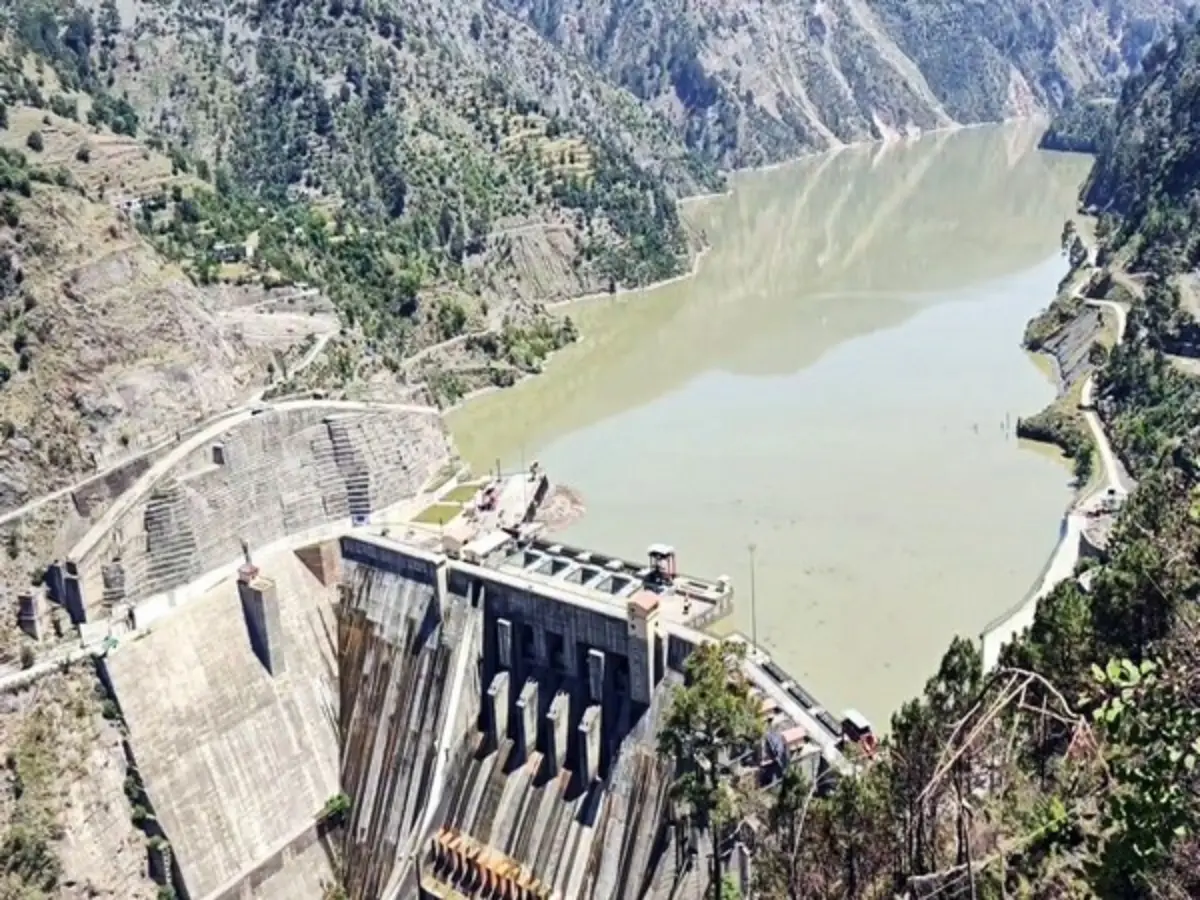)
Indus treaty can no longer function in its current form, says India; plans 5,500 mw of new J&K hydro projects
&im=FitAndFill=(700,400))
New OTT releases this week (July 20-26, 2026): Musafir Cafe, Adarsh Baal Vidyalaya, 72 Hours- 5 new titles coming on Netflix, Prime Video and more
)
US-Iran war: Iran's precision strikes rock US bases | 17 troops killed as war escalates
&im=FitAndFill=(700,400))
2026 FIFA World Cup awards: Full list of Golden Boot, Golden Ball, Golden Glove and every major winner
&im=FitAndFill=(700,400))
FIFA World Cup 2026 team of the tournament: The best XI that ruled football’s biggest stage
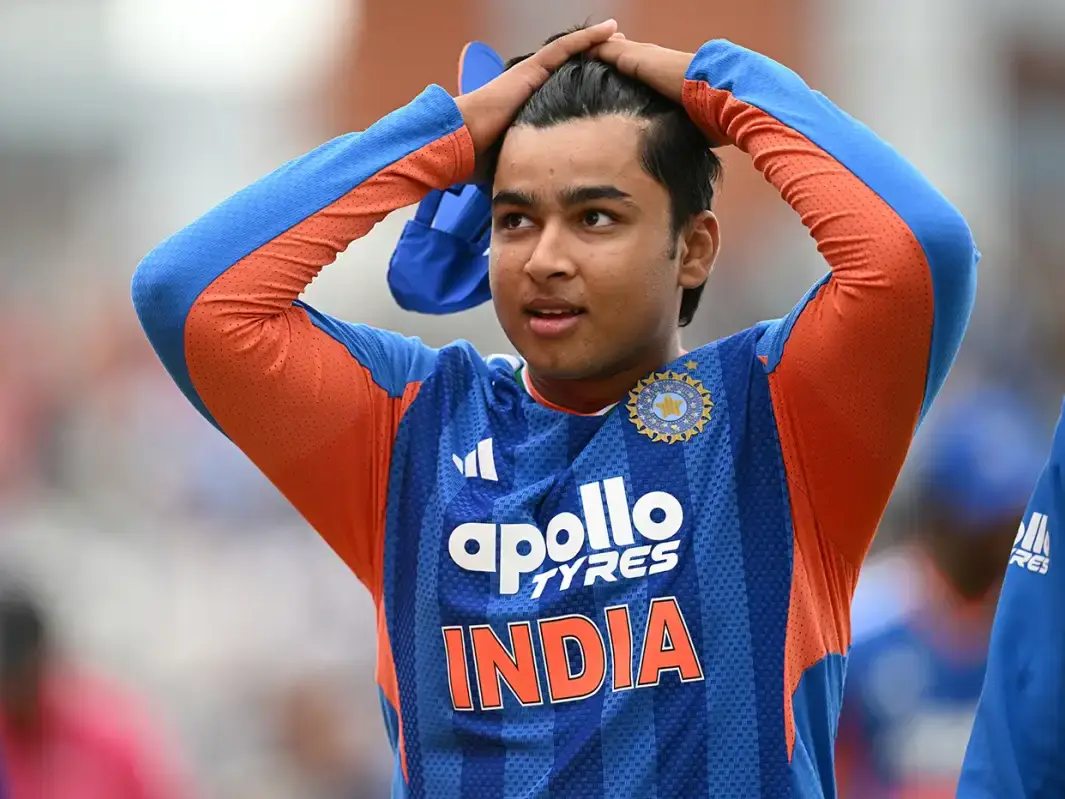)
'Criticising him after two or three matches isn't justified': Sikandar Raza backs Vaibhav Sooryavanshi
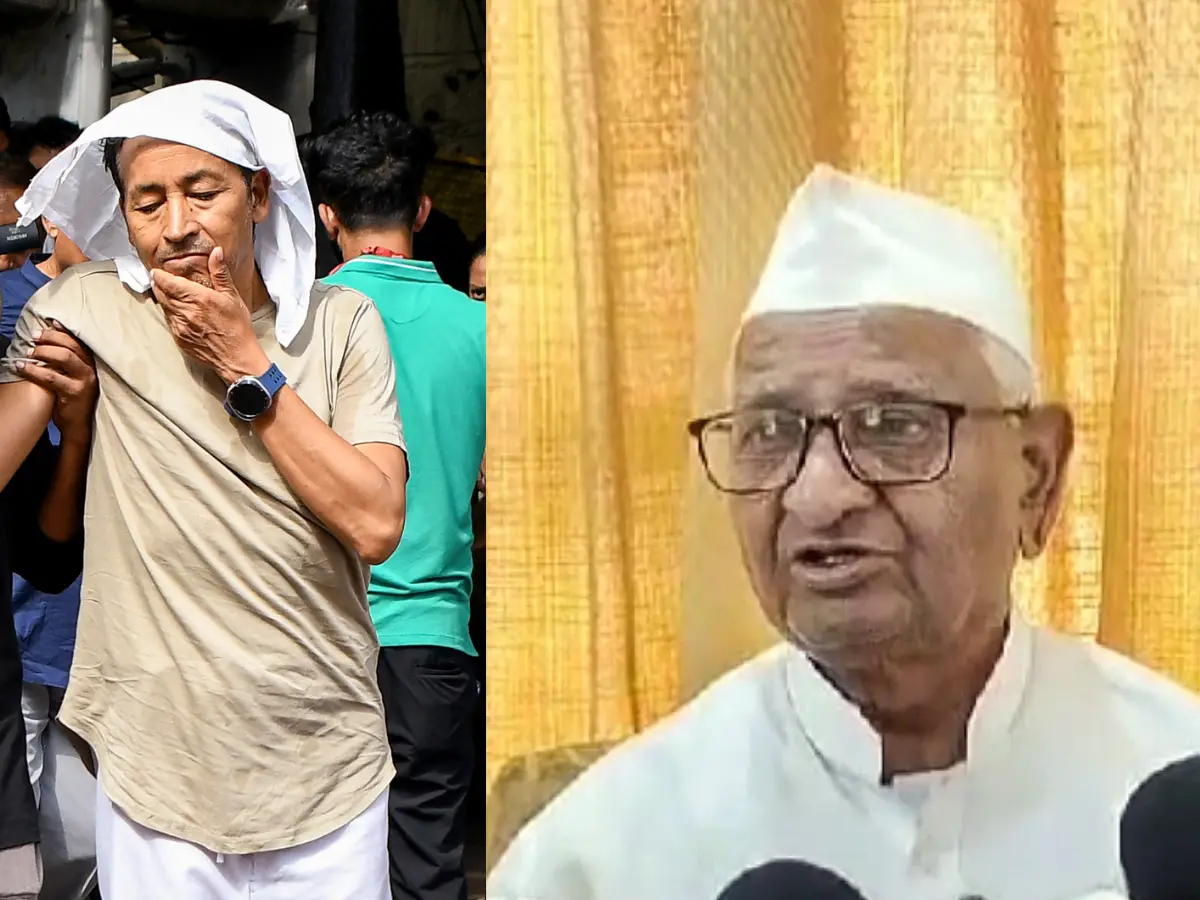)
'What is wrong...': Anna Hazare breaks silence on Sonam Wangchuk's protest, makes an appeal to Centre
)
Preity Zinta backs Sonam Wangchuk and CJP student protests, urges activist to end fast
&im=FitAndFill=(700,400))
Why US fighter jets use seamless bubble canopies compared to Russian jets
&im=FitAndFill=(700,400))
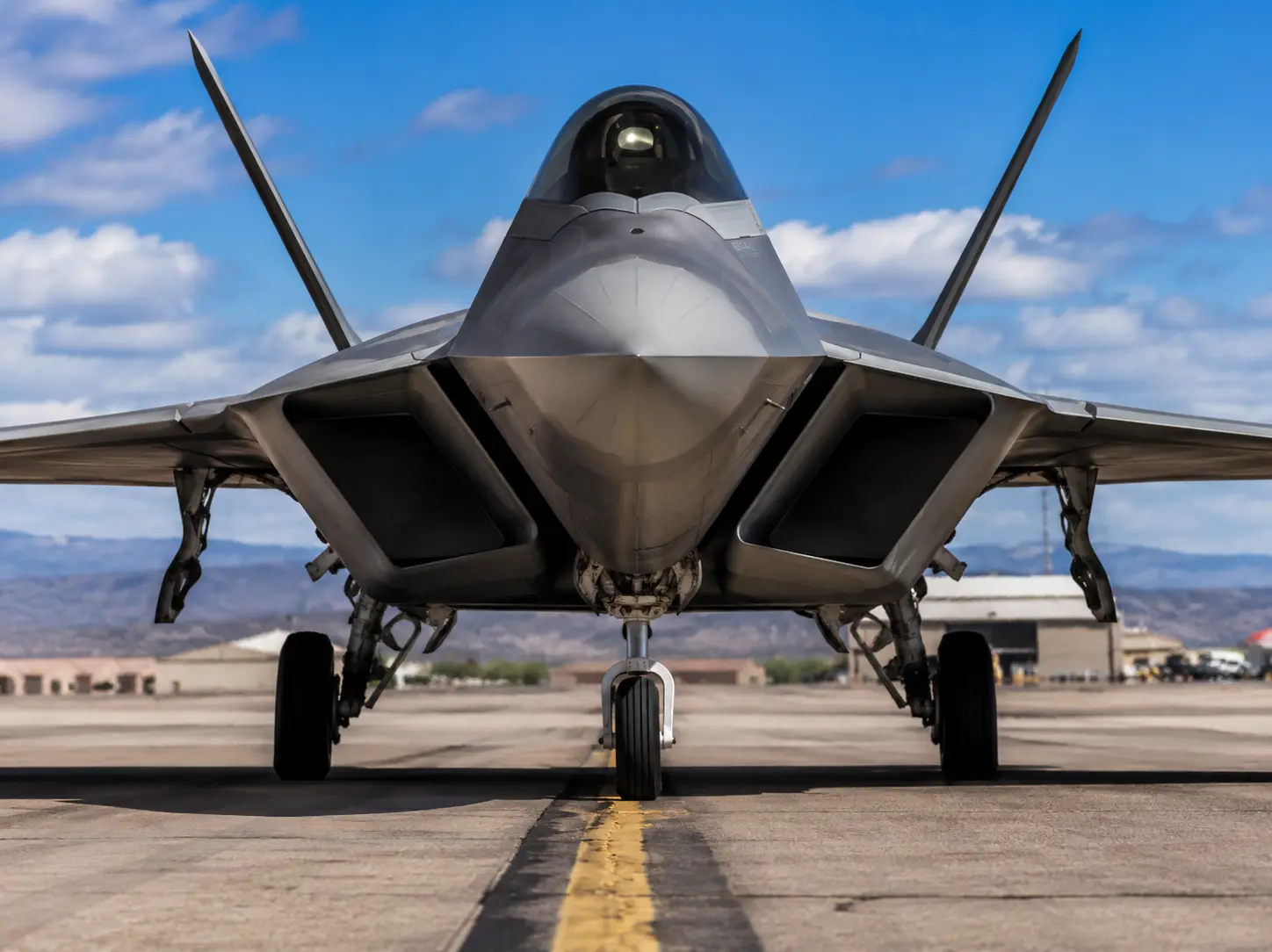
Why the F-22’s cockpit glass is thicker than a standard fighter jet
)
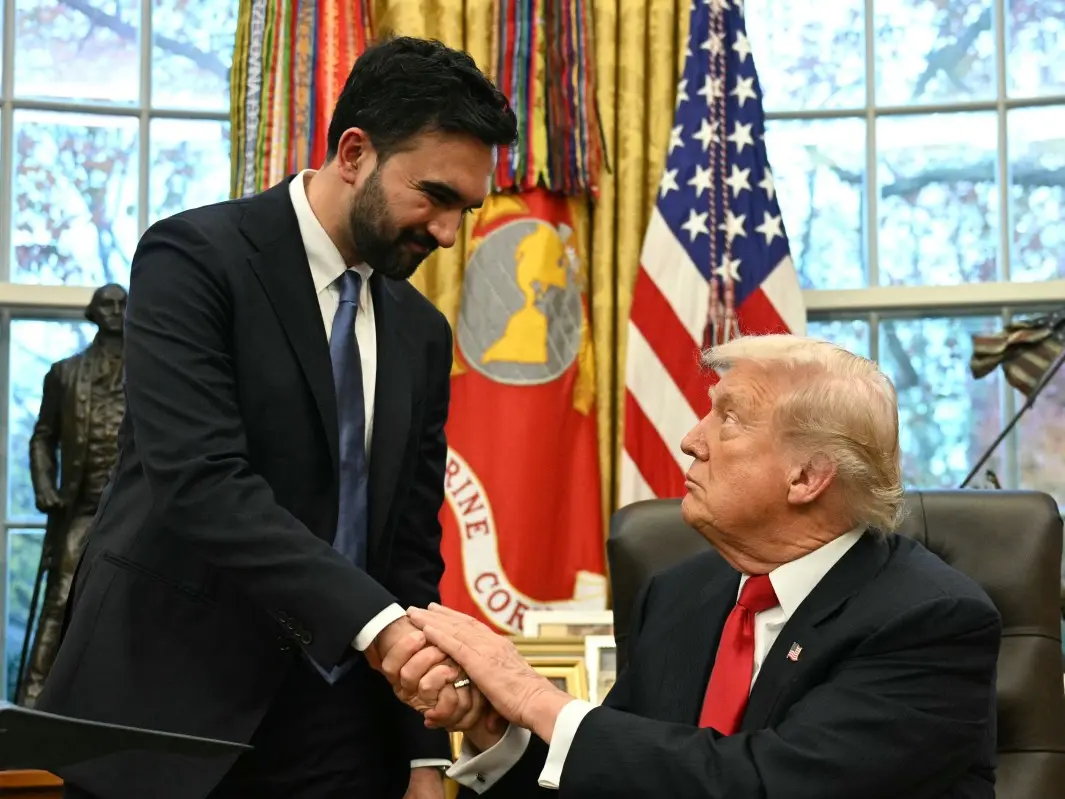
Student union leaders call off hunger strike at Jantar Mantar after civil society appeal, but protest continues
)
‘He's the architect of the genocide against Palestinians’: Mamdani repeats Netanyahu will be arrested if he visits US
&im=FitAndFill=(700,400))
World's top 7 most liveable cities in 2026 — Check where India and Pakistan stand
)
'Guru is the...': Indian Education Minister Dharmendra Pradhan shares message on education amid calls for his resignation
)
'We acted immediately...': Indian PM Modi breaks silence on paper leaks as NEET protest, calls for Education Minister's resignation grows
)
‘Centre had no interest in having a debate’: LoP Rahul Gandhi demands resignation of Dharmendra Pradhan, Amit Shah
)
FBI arrests alleged $547mn medicare fraud fugitive after 3-year global manhunt
The oil has reached the blue bay marine park and other delicate zones. These unique wetlands are recognised for diverse coral reefs, fish and endangered green turtle. Another species endemic to the island is the pink pigeon. Also at risk is the seagrass in the shallow waters and the precious mangroves corralling the coastline.
The ecological impact of an oil spill depends on its location. Deep sea spills are limited and cleared up more easily. Oil slicks near the coastline like in Mauritius are more difficult to tackle. They can take a year to be cleared away by wave action.
Coral reefs are highly sensitive to oil pollution. Regeneration can take up to a decade and pollution in mangroves can last more than 20 years.
While the ship's operator, Nagasaki shipping has offered to pay compensation, the damage caused to the pristine waters of Mauritius is irreparable.