&imwidth=800&imheight=600&format=webp&quality=medium "Think this is the hottest it gets? UN report warns Earth could smash temperature records by 2030")
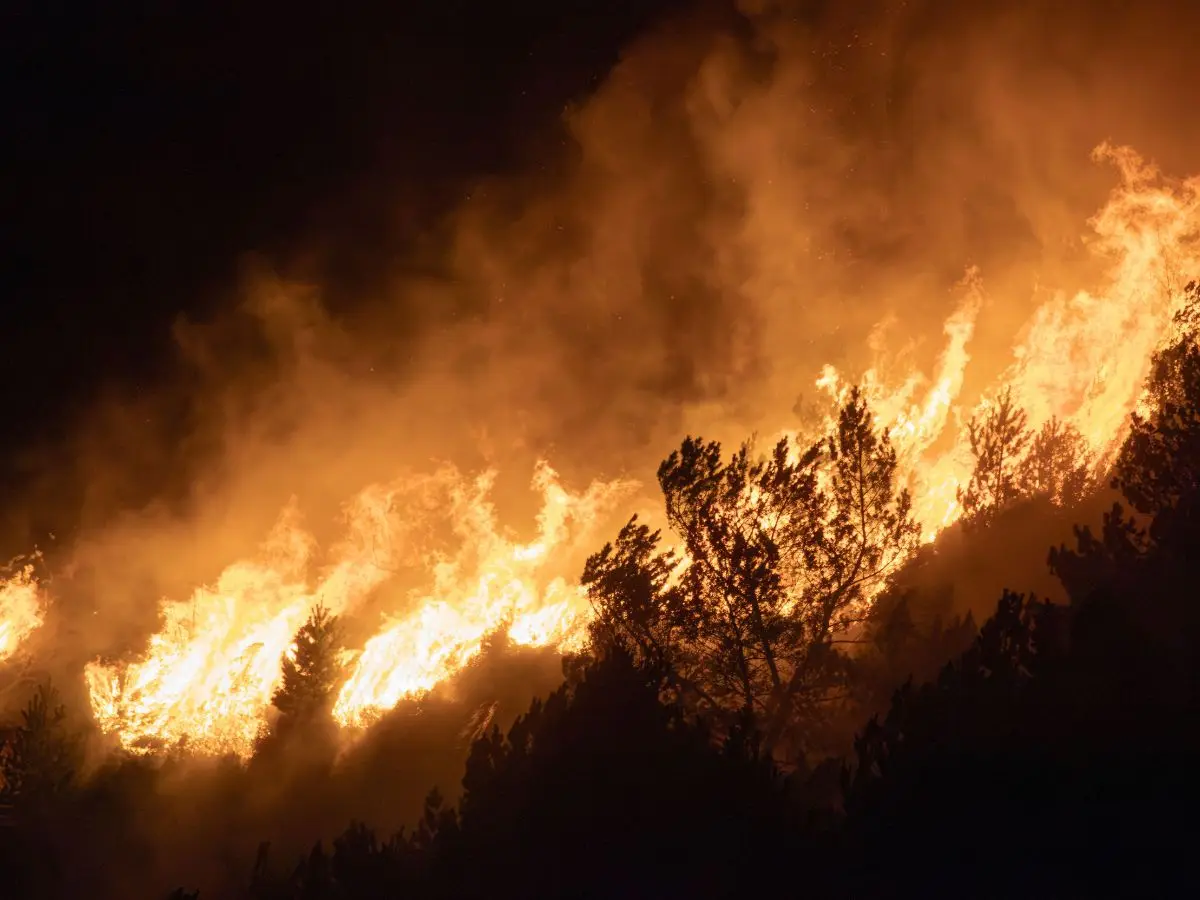
Global temperatures are projected to remain at historic highs over the next five years, with scientists warning that the internationally recognised 1.5°C climate threshold could be breached before the end of the decade. A new report by the World Meteorological Organization (WMO) and the UK Met Office forecasts that annual average temperatures between 2026 and 2030 will range from 1.3°C to 1.9°C above pre-industrial levels recorded between 1850 and 1900. The report states there is a 75 per cent chance that the average global temperature during the five-year period will exceed 1.5°C. The WMO further estimates a 91 per cent likelihood that at least one individual year before 2030 will cross the mark.
Arctic Heating Accelerates Faster Than Rest of Planet
The report highlights the Arctic as one of the fastest-warming regions on Earth. Winter temperatures across the Arctic are expected to rise by around 2.8°C above the 1991–2020 average over the next five years, more than three-and-a-half times faster than the global average.

ALSO READ: Fake 'Cockroach Janta Party' Android app flagged as critical malware threat, report warns
Scientists further warned that rapid Arctic warming is likely to intensify the melting of sea ice in the Barents Sea, Bering Sea and Sea of Okhotsk during March, a key period for seasonal ice coverage. Melissa Seabrook, a climate scientist at the UK Met Office, told Reuters there was ‘very clear evidence’ that the climate was continuing to warm.
Extreme Weather Risks Continue to Grow
Trending Stories
)
US-Iran war: Iran's precision strikes rock US bases | 17 troops killed as war escalates
&im=FitAndFill=(700,400))
'Eyes before weapons': How the S-400's radar network works
)
‘Centre had no interest in having a debate’: LoP Rahul Gandhi demands resignation of Dharmendra Pradhan, Amit Shah
&im=FitAndFill=(700,400))
World's top 7 most liveable cities in 2026 — Check where India and Pakistan stand
)
JP Nadda, Jitendra Singh meet Sonam Wangchuk at Medanta Hospital: Report
)
Burnham sticks with Starmer's Iran policy, keeps UK bases open to US: Report
)
'George Soros playbook': Understanding the foreign funding network around Sonam Wangchuk
&im=FitAndFill=(700,400))
FIFA World Cup 2026 team of the tournament: The best XI that ruled football’s biggest stage
&im=FitAndFill=(700,400))
Meet top 5 batters with most runs in India vs Zimbabwe T20Is
&im=FitAndFill=(700,400))
Why US fighter jets use seamless bubble canopies compared to Russian jets
)
FBI arrests alleged $547mn medicare fraud fugitive after 3-year global manhunt
)
'What is wrong...': Anna Hazare breaks silence on Sonam Wangchuk's protest, makes an appeal to Centre
)
Japan is selling a refrigerator to cool the human body for Rs 9 lakh. It is already a hit in Tokyo
&im=FitAndFill=(700,400))
New OTT releases this week (July 20-26, 2026): Musafir Cafe, Adarsh Baal Vidyalaya, 72 Hours- 5 new titles coming on Netflix, Prime Video and more
)
Sonam Wangchuk's connection with George Soros and Ford Foundation explained!
)
‘He's the architect of the genocide against Palestinians’: Mamdani repeats Netanyahu will be arrested if he visits US
)
Preity Zinta backs Sonam Wangchuk and CJP student protests, urges activist to end fast
)
'We acted immediately...': Indian PM Modi breaks silence on paper leaks as NEET protest, calls for Education Minister's resignation grows
)
Before you buy your Odyssey ticket: The difference between IMAX 70mm and digital explained
)
Indus treaty can no longer function in its current form, says India; plans 5,500 mw of new J&K hydro projects
)
Student union leaders call off hunger strike at Jantar Mantar after civil society appeal, but protest continues
)
Salman Khan breaks silence on health concerns after viral Mumbai appearance
)
'Guru is the...': Indian Education Minister Dharmendra Pradhan shares message on education amid calls for his resignation
)
UP BTech gold medalist dies by suicide after failing in nearly 50 govt job attempts, leaves note for father
)
'We're not finished at all': Trump says about attack on Iran, threatens to target underground nuclear complex
&im=FitAndFill=(700,400))
Why the F-22’s cockpit glass is thicker than a standard fighter jet
)
Donald Trump heading for a tough midterm elections as approval ratings fall
)
FACT CHECK: Was Abhijit Dipke detained during CJP's Parliament march? Here's what police say
)
'Rahul Gandhi, Congress shamelessly exploiting students as political tool': Dharmendra Pradhan on protests
)
3.5-million-year-old mystery creature found in Japan is a 'giant' never seen before
)
Iran strikes Amazon data infrastructure in Bahrain, power, water desalination plants in Kuwait
&im=FitAndFill=(700,400))
2026 FIFA World Cup awards: Full list of Golden Boot, Golden Ball, Golden Glove and every major winner
The report also projects wetter conditions across northern Europe, Alaska, Siberia and the Sahel, while the Amazon region is expected to experience drier weather conditions linked to drought and wildfire risks. According to AP, scientists said rising temperatures caused by the continued use of coal, oil and gas are increasing the frequency and severity of floods, droughts and heatwaves worldwide. A strong El Niño event is also forecast later this year and could persist into 2027. The warming of Pacific Ocean surface temperatures associated with El Niño typically raises global temperatures further and can contribute to record-breaking heat.
Temporary Breach Does Not Mean Paris Goals Have Failed
Scientists stressed that temporarily exceeding 1.5°C does not mean the Paris Agreement has formally failed, since the target is measured as a long-term average over two decades rather than a single year. However, researchers warned that every fraction of additional warming carries consequences for ecosystems, human health and infrastructure.
The report also indicates an 86 per cent chance that one year before 2030 will surpass 2024 as the hottest year ever recorded. Coral reefs, glaciers and Arctic ecosystems are considered particularly vulnerable even to small increases in global temperature.