Vietnam president resigns abruptly, prompting concerns about stability

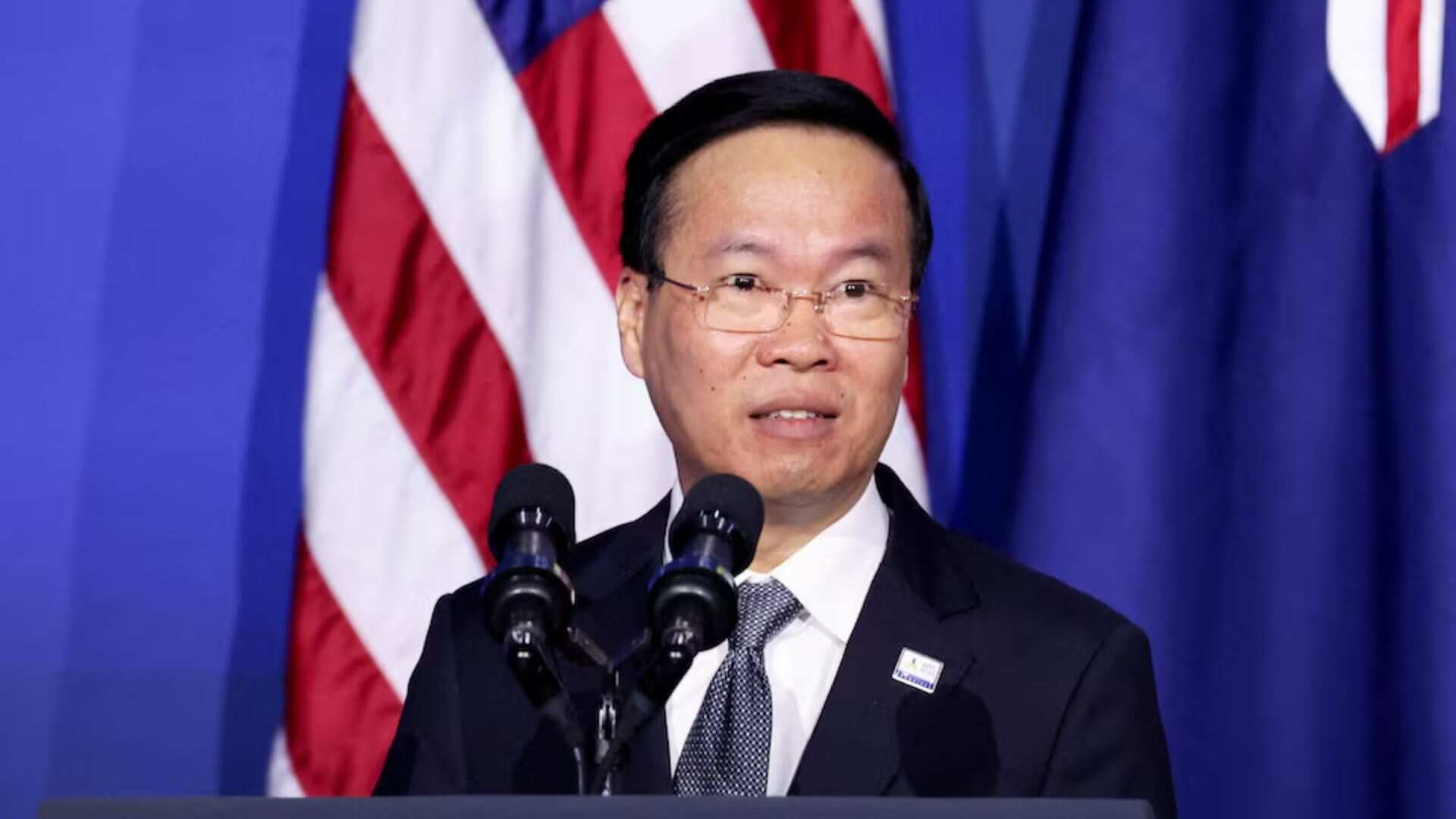
Vo Van Thuong
The Vietnamese Communist Party officially acceptedthe resignation of President Vo Van Thuong, as declared by the government on Wednesday (Mar 20). This development suggests a period of political instability that could potentially undermine foreign investors' trust in the nation. The government stated that Thuong had violated party regulations, resulting in adverse public perception and damaging the Party's, State's, and his personal reputation.
The Central Party Committee, a crucial decision-making body within Vietnam's Communist Party administration, endorsed Thuong's resignation approximately a year following his election.
While the president's role is largely ceremonial, it carries significant political weight as one of the nation's top four positions. Attempts to reach the presidential office for comment on Wednesday were unsuccessful.

The committee's decision precedes an extraordinary session of Vietnam's parliament scheduled for Thursday, where deputies are expected to affirm the party's resolutions.
Also read |US companies eye $8 billion investment in Vietnam
)
3.5-million-year-old mystery creature found in Japan is a 'giant' never seen before
)
JP Nadda, Jitendra Singh meet Sonam Wangchuk at Medanta Hospital: Report
&im=FitAndFill=(700,400))
Meet top 5 batters with most runs in India vs Zimbabwe T20Is
)
Before you buy your Odyssey ticket: The difference between IMAX 70mm and digital explained
)
Japan is selling a refrigerator to cool the human body for Rs 9 lakh. It is already a hit in Tokyo
)
YouTube cracks down on AI slop, but didn't it help create the monster? Your channel will be demonetised if...
)
Sonam Wangchuk's connection with George Soros and Ford Foundation explained!
)
Donald Trump heading for a tough midterm elections as approval ratings fall
)
Iran strikes Amazon data infrastructure in Bahrain, power, water desalination plants in Kuwait
)
FACT CHECK: Was Abhijit Dipke detained during CJP's Parliament march? Here's what police say
)
UP BTech gold medalist dies by suicide after failing in nearly 50 govt job attempts, leaves note for father
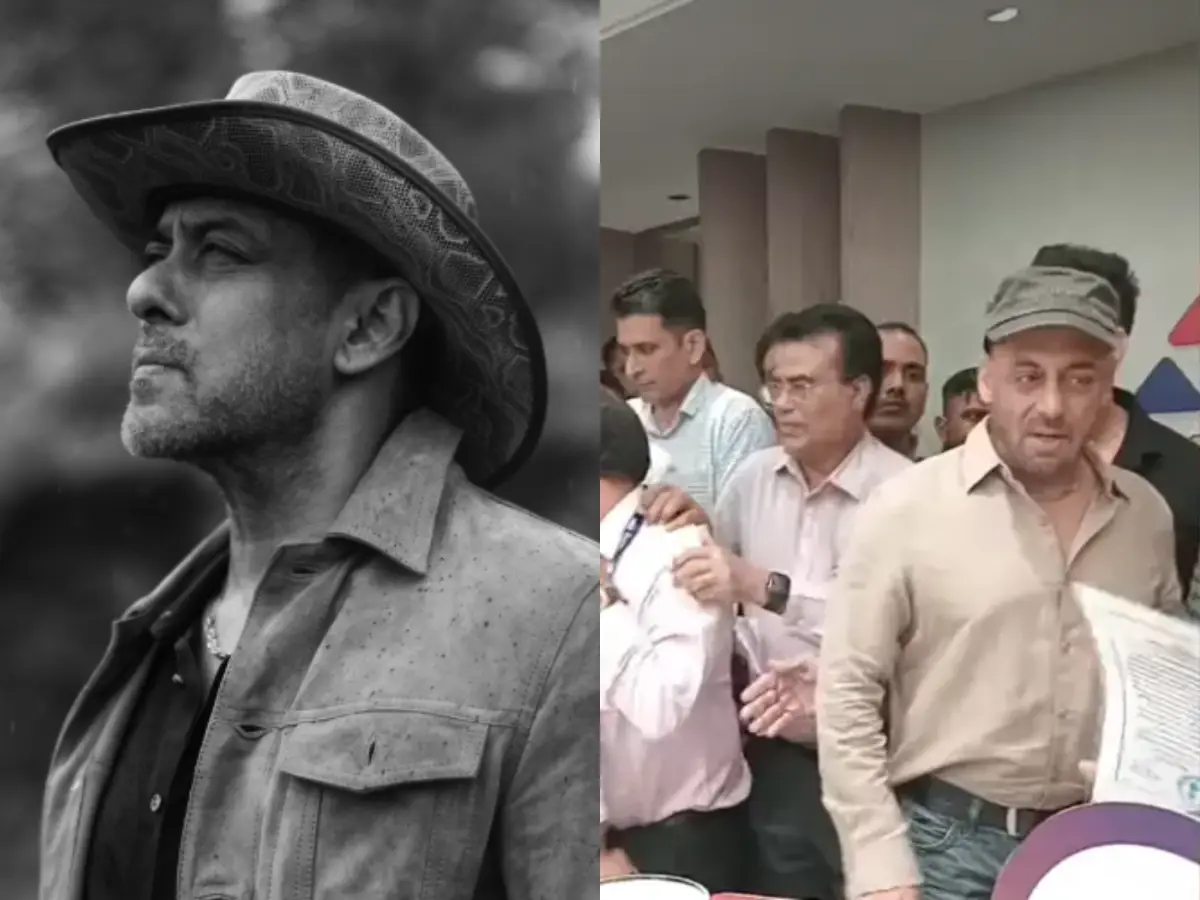)
Salman Khan breaks silence on health concerns after viral Mumbai appearance
&im=FitAndFill=(700,400))
'Eyes before weapons': How the S-400's radar network works
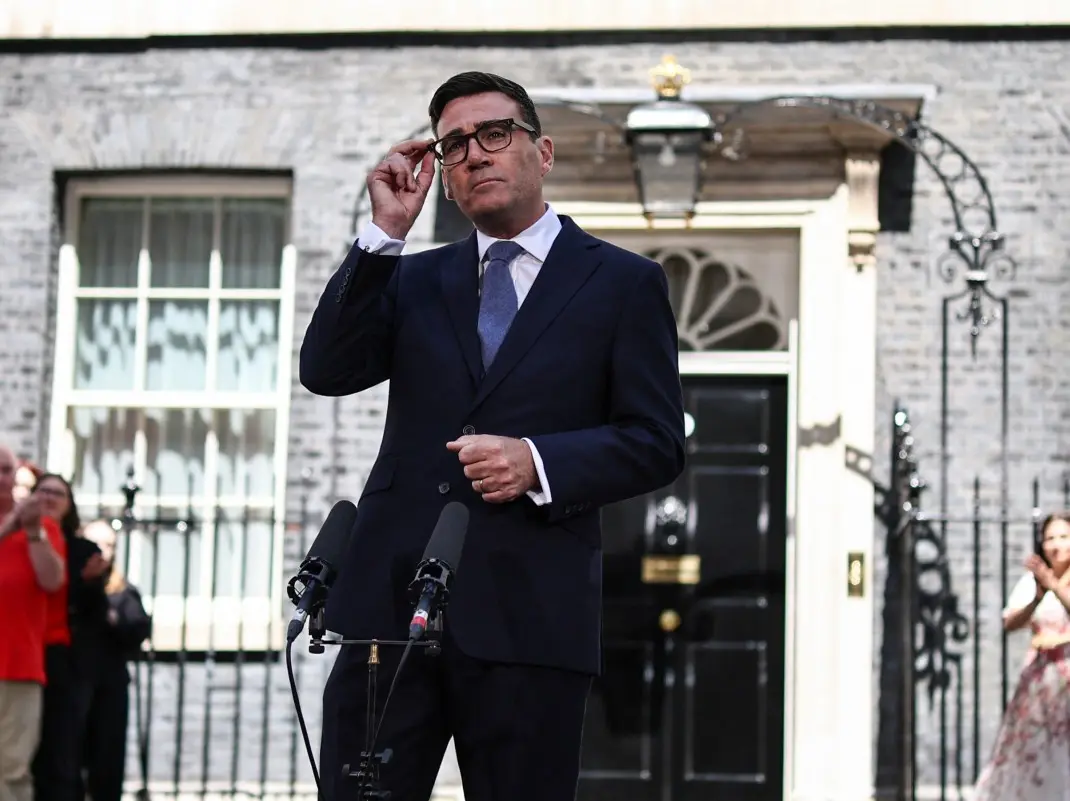)
Burnham sticks with Starmer's Iran policy, keeps UK bases open to US: Report
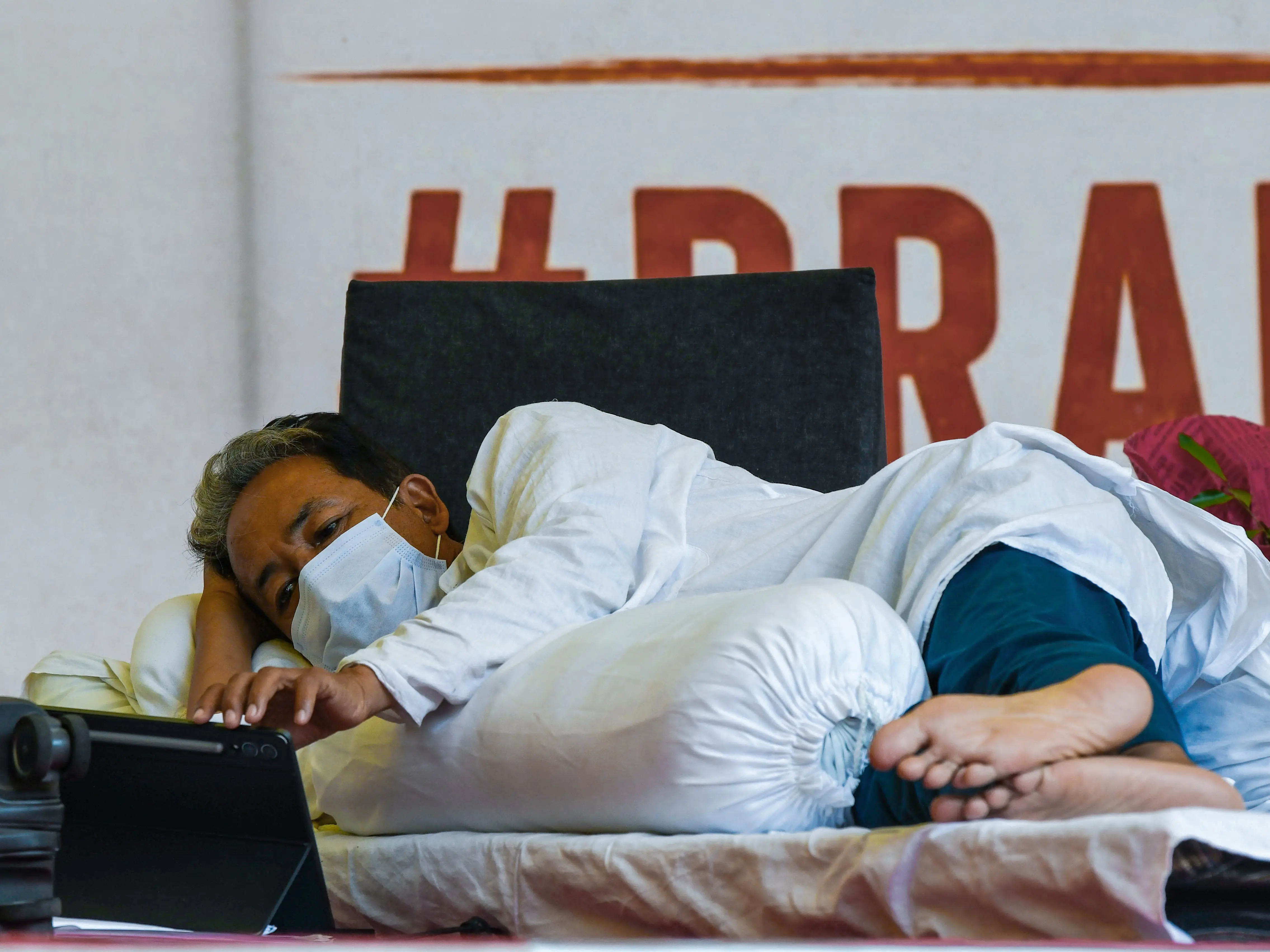)
'George Soros playbook': Understanding the foreign funding network around Sonam Wangchuk
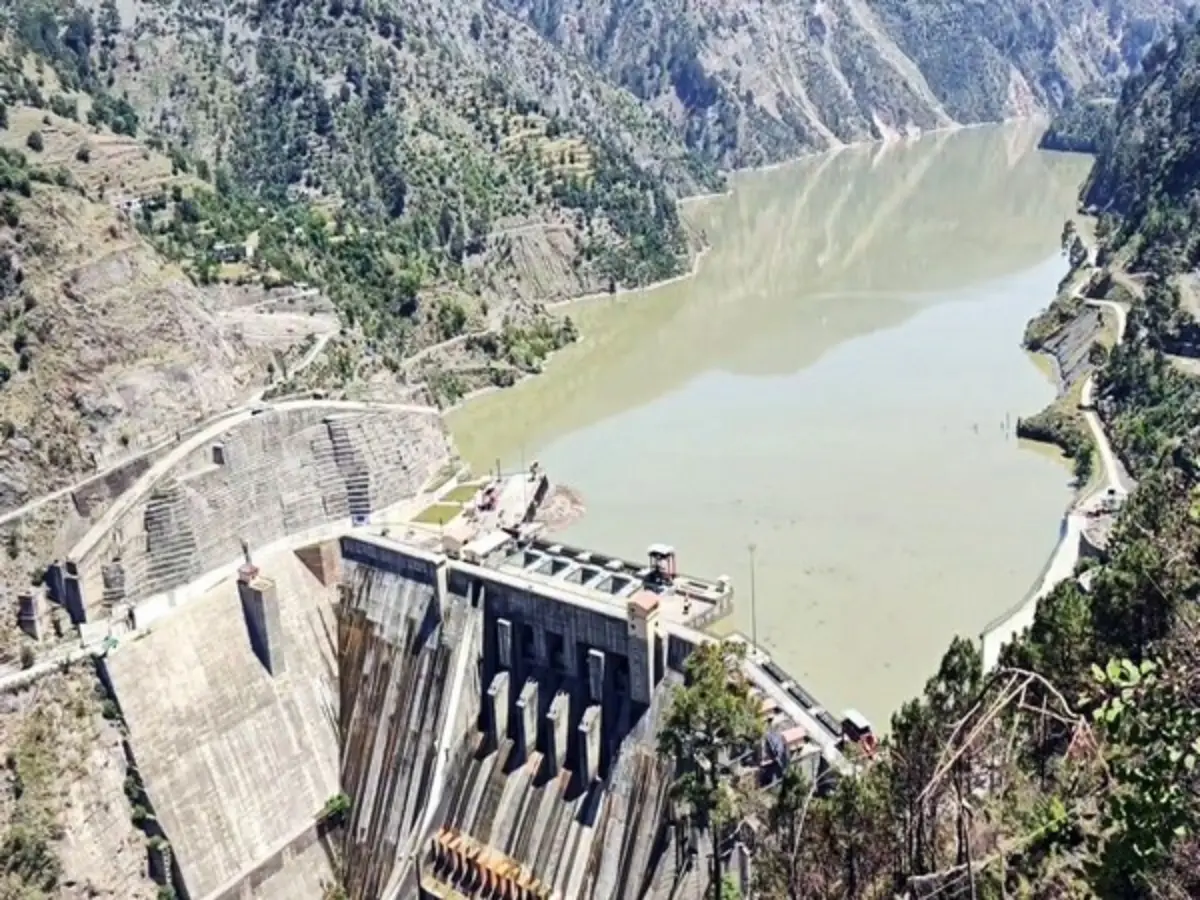)
Indus treaty can no longer function in its current form, says India; plans 5,500 mw of new J&K hydro projects
&im=FitAndFill=(700,400))
New OTT releases this week (July 20-26, 2026): Musafir Cafe, Adarsh Baal Vidyalaya, 72 Hours- 5 new titles coming on Netflix, Prime Video and more
&im=FitAndFill=(700,400))
2026 FIFA World Cup awards: Full list of Golden Boot, Golden Ball, Golden Glove and every major winner
&im=FitAndFill=(700,400))
FIFA World Cup 2026 team of the tournament: The best XI that ruled football’s biggest stage
)
'What is wrong...': Anna Hazare breaks silence on Sonam Wangchuk's protest, makes an appeal to Centre
)
Preity Zinta backs Sonam Wangchuk and CJP student protests, urges activist to end fast
&im=FitAndFill=(700,400))
Why US fighter jets use seamless bubble canopies compared to Russian jets
&im=FitAndFill=(700,400))
Why the F-22’s cockpit glass is thicker than a standard fighter jet
)
Student union leaders call off hunger strike at Jantar Mantar after civil society appeal, but protest continues
)
‘He's the architect of the genocide against Palestinians’: Mamdani repeats Netanyahu will be arrested if he visits US
&im=FitAndFill=(700,400))
World's top 7 most liveable cities in 2026 — Check where India and Pakistan stand
)
'Guru is the...': Indian Education Minister Dharmendra Pradhan shares message on education amid calls for his resignation
)
'We acted immediately...': Indian PM Modi breaks silence on paper leaks as NEET protest, calls for Education Minister's resignation grows
)
‘Centre had no interest in having a debate’: LoP Rahul Gandhi demands resignation of Dharmendra Pradhan, Amit Shah
)
FBI arrests alleged $547mn medicare fraud fugitive after 3-year global manhunt
Origins of political upheaval
Although the government statement did not specify Thuong's transgressions, recent leadership changes in the single-party state have been linked to the extensive "blazing furnace" anti-bribery campaign. This campaign, while aimed at combating widespread corruption, has been criticised as a tool for political power struggles. Foreign investors and diplomats have expressed concerns about its impact on decision-making processes in Vietnam, exacerbating an already cumbersome bureaucracy.
Thuong, aged 53, stepped down shortly after Vietnamese authorities announced the arrest of a former provincial head from Quang Ngai province for alleged corruption dating back a decade.
Thuong served as the party chief in the same province during that period. Additionally, he held senior party positions in Ho Chi Minh City, which is grappling with a massive financial scandal currently undergoing a significant trial.
Thuong's close association with General Secretary Nguyen Phu Trong, the driving force behind the anti-graft campaign, further underscores the political dynamics at play.
The sudden departure of Thuong raises concerns about political stability and its impact on foreign investment. Recent fluctuations in the Ho Chi Minh City stock exchange and net sales by foreign investors indicate apprehension among investors. While some believe that policy and administrative decisions may slow down further, Vietnam's fundamental stance on key policies is not expected to change drastically. However, repeated leadership changes may erode business sentiment, posing challenges for a country heavily reliant on foreign investment.
(With inputs from agencies)